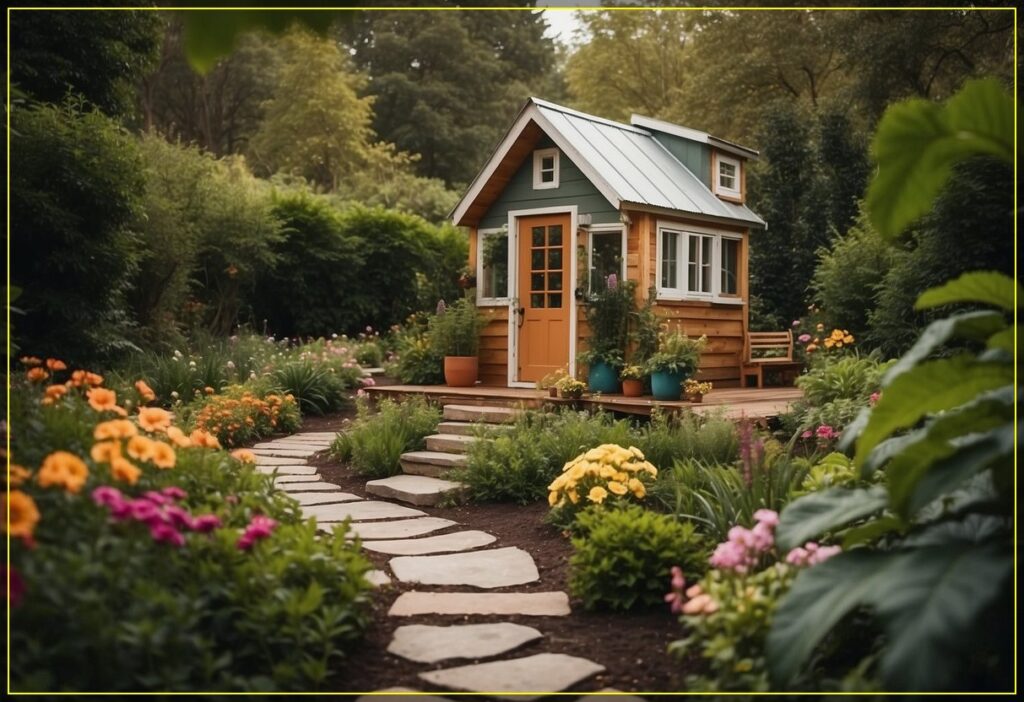
Tiny House Laws in Idaho: 2026 Guide
Tiny houses are a good match for Idaho. The state has rural land, mountaintowns, and many people looking for a simpler and more affordable way to live.
But owning land in Idaho does not mean you can place any tiny house on it.
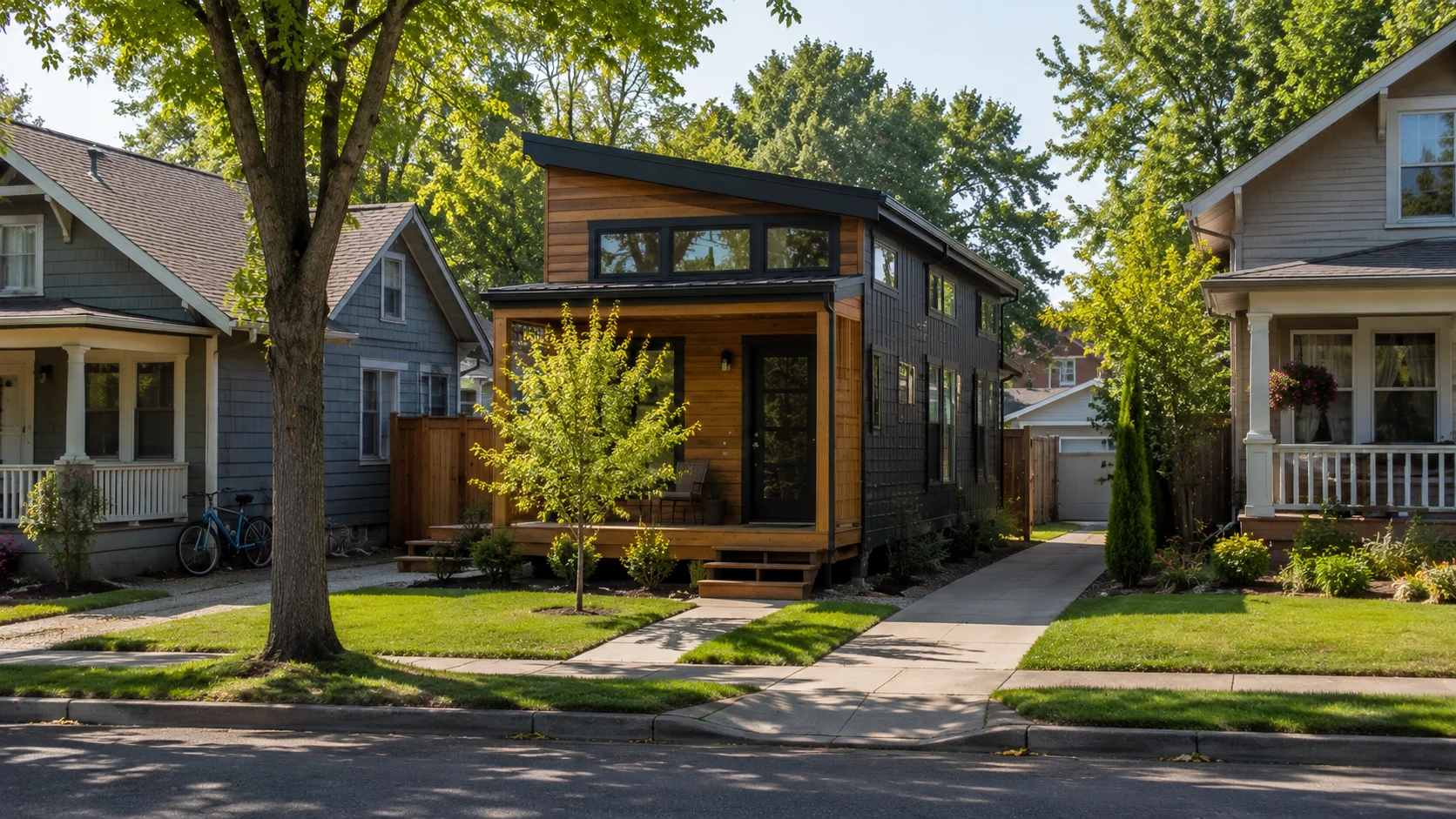
Tiny house laws in Idaho depend on how the home is built, whether it has wheels, and where the property is located. Local zoning rules are also very important.
Here is what you should know before building or buying a tiny house in Idaho in 2026.
Are Tiny Houses Legal in Idaho?
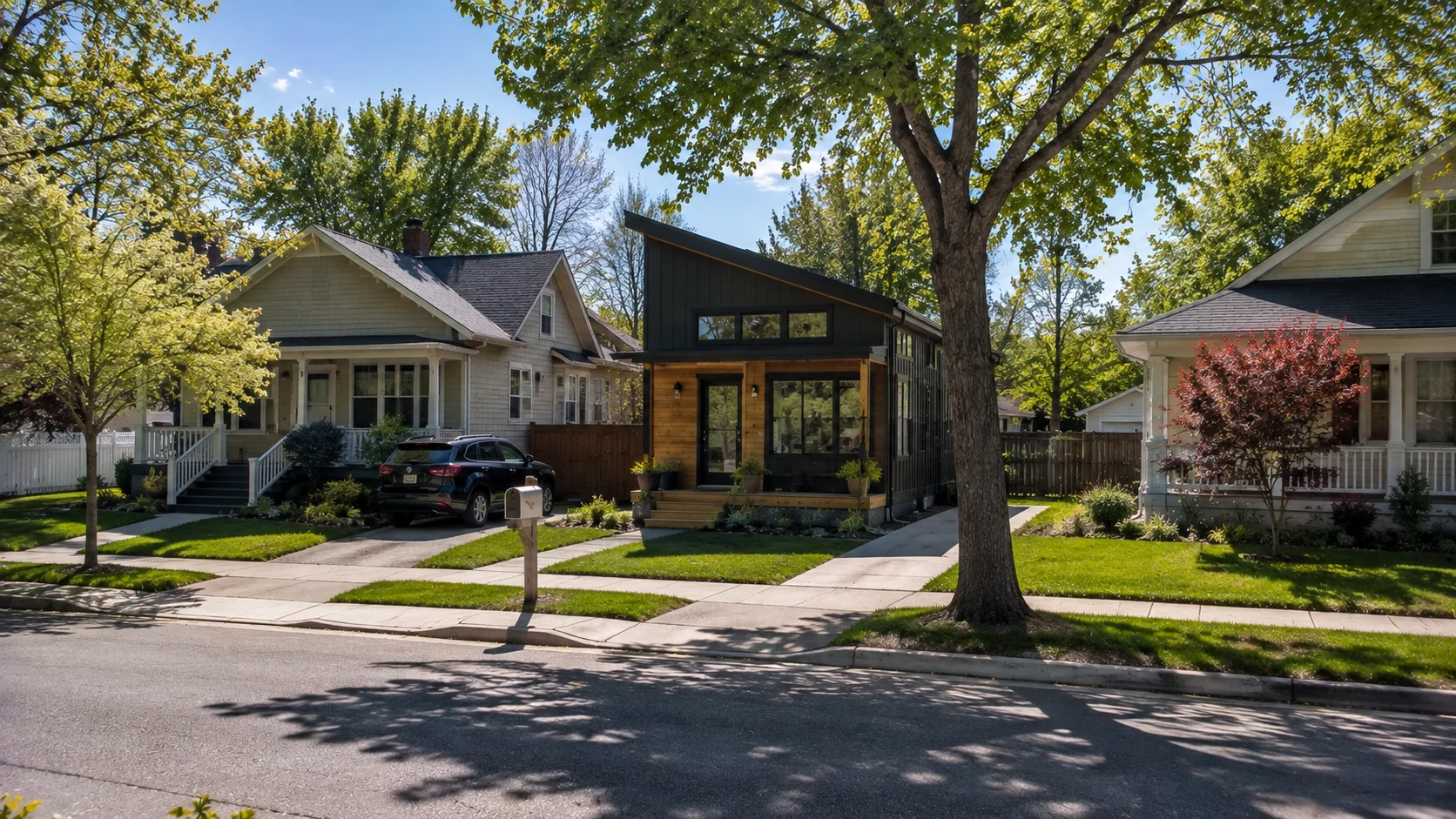
Yes, tiny houses can be legal in Idaho.
However, there is no single rule that allows every type of tiny house on every property.
Idaho makes an important distinction between tiny homes placed on foundations and tiny homes that remain on a chassis.
According to Idaho’s Division of Occupational and Professional Licenses, a tiny home placed on a foundation may be treated like a modular home and must meet the applicable state building codes. A tiny home that remains on a chassis may instead be treated as a recreational vehicle.
Local zoning rules can add more restrictions.
What Is Considered a Tiny House in Idaho?
Building-code provisions used in Idaho have defined a tiny house as a dwelling with 400 square feet or less of floor area, excluding lofts.
However, size alone does not decide how your home will be regulated.
The construction method matters too.
A tiny home may fall under residential building rules, modular building requirements, or RV rules depending on how it was built and installed.
That difference can affect permits, inspections, and where you are allowed to live in the home.
Tiny Houses on Permanent Foundations
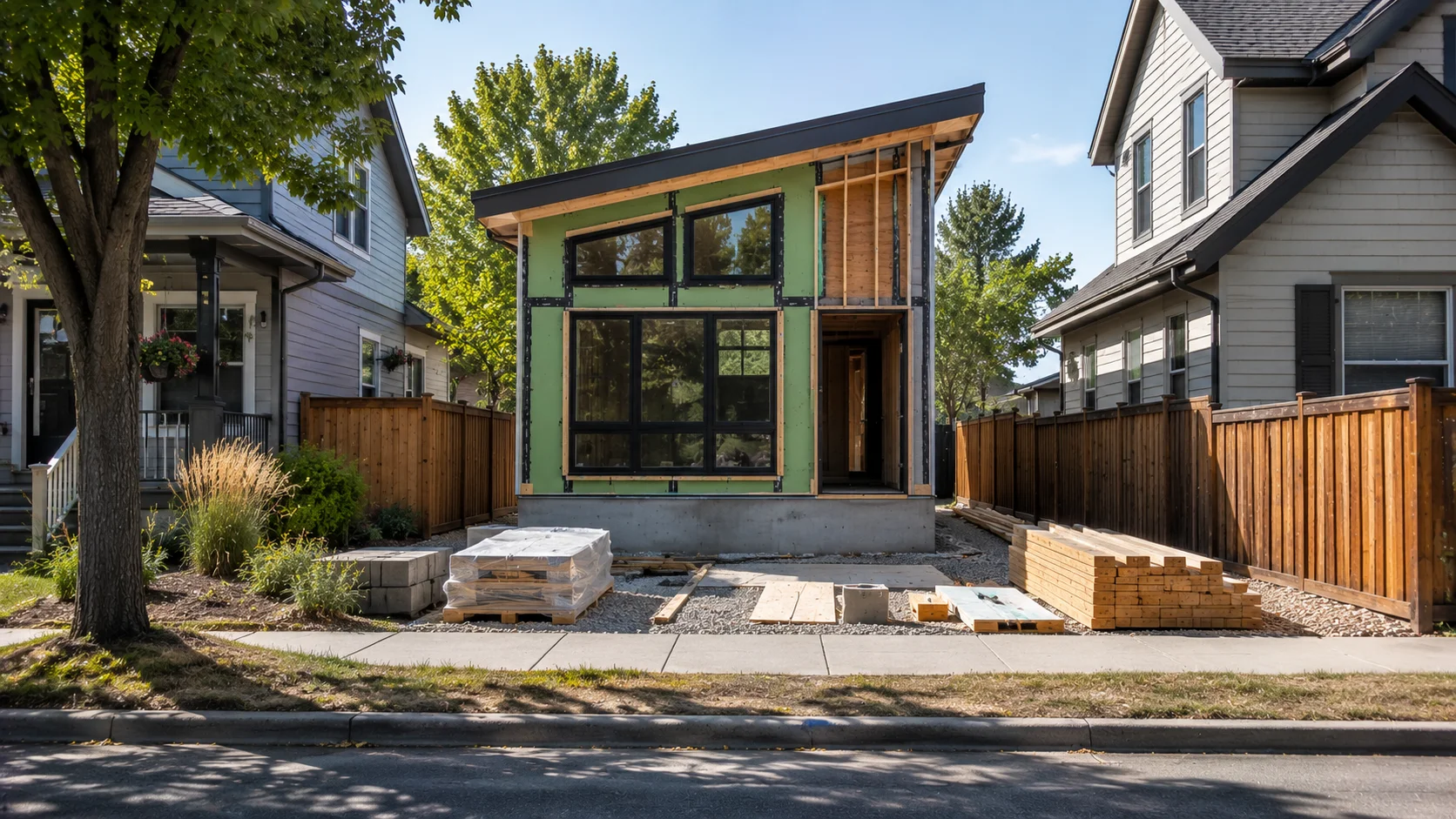
A permanent foundation usually gives you a clearer path toward using a tiny house as a full-time residence.
Idaho guidance states that tiny homes placed on foundations can be treated like modular homes and must meet applicable state-adopted codes.
You may need approval for:
- The foundation
- Electrical systems
- Plumbing
- Heating and mechanical systems
- Water and sewer or septic
- Property setbacks
You must also make sure residential use is allowed on the property.
A cheap piece of Idaho land is still subject to zoning. Apparently, putting a tiny house on wheels does not cause the planning department to vanish into the mountains.
Tiny Houses on Wheels in Idaho
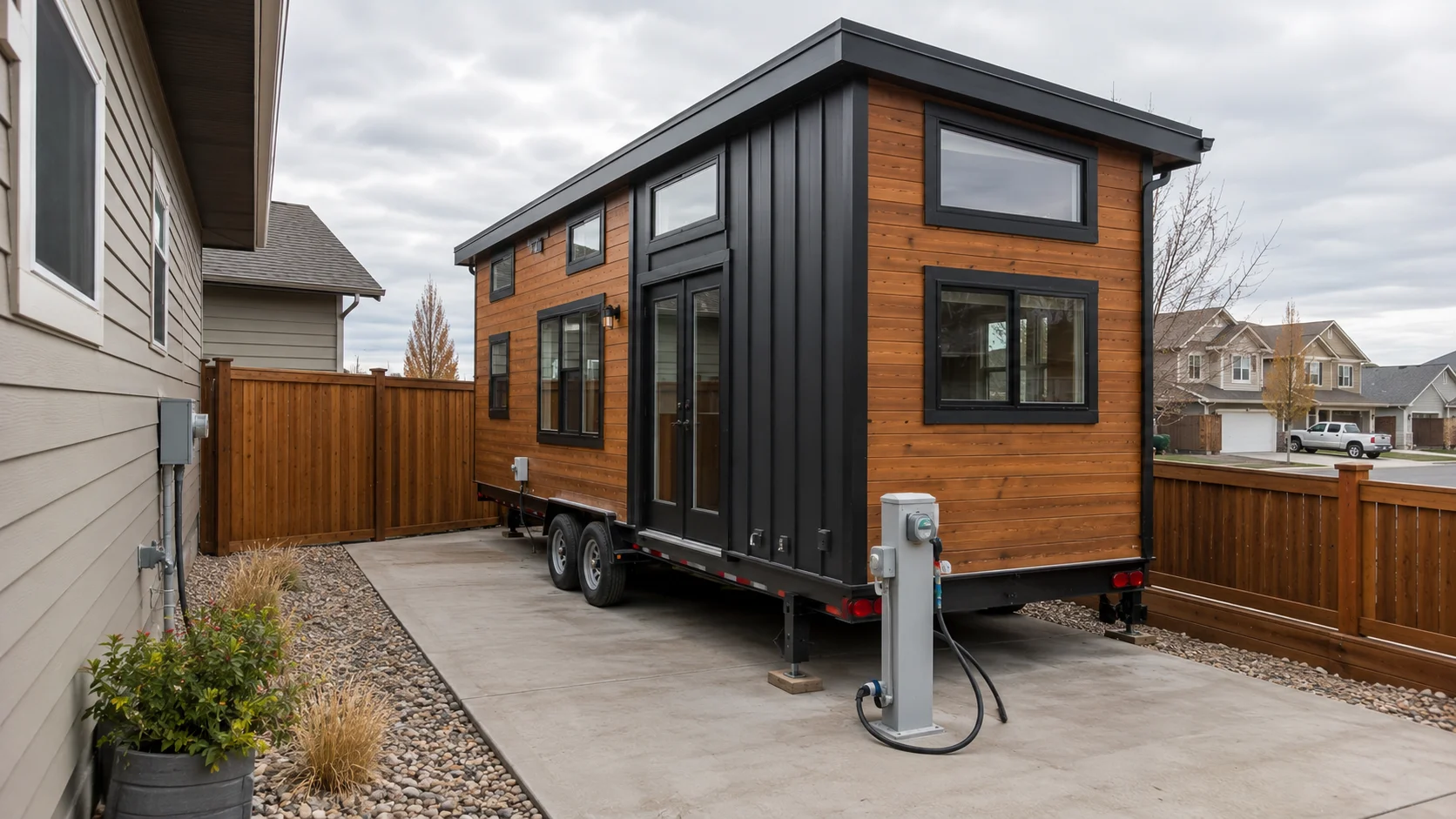
Tiny houses on wheels work differently.
If the home remains on its chassis, Idaho may treat it as an RV rather than a normal residential building.
The Idaho Transportation Department says a qualifying tiny home may be titled and registered as a park model recreational vehicle or travel trailer if it meets the relevant requirements.
For example, a park model RV must be built on a single chassis and have no more than 400 square feet of gross trailer area in setup mode.
This does not automatically mean you can live in it full time on any residential lot.
Local zoning may restrict long-term RV occupancy.
Can You Use a Tiny House as an ADU?
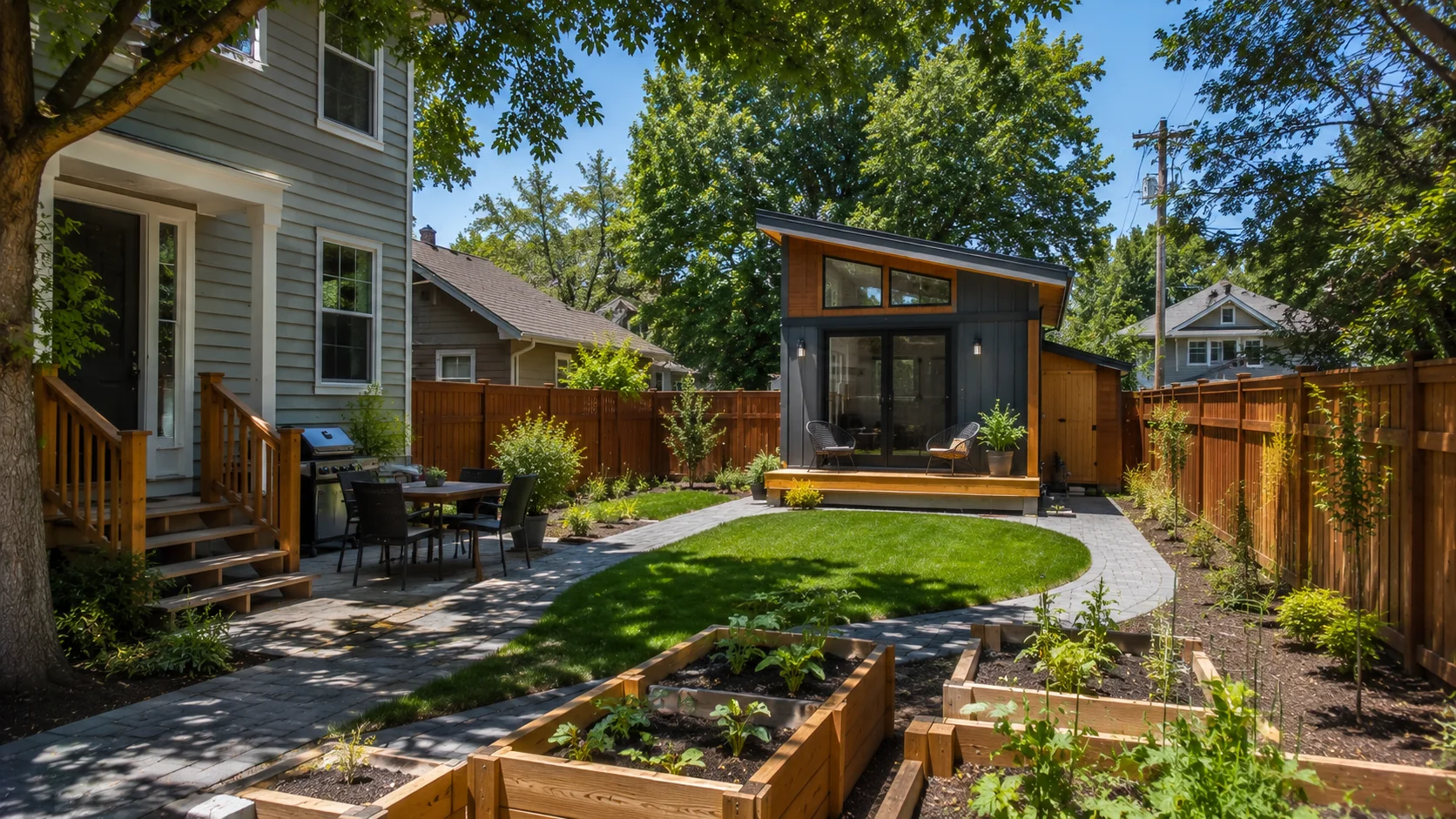
A tiny house may be possible as an accessory dwelling unit in some parts of Idaho, but local rules are critical.
Cities and counties control many land-use questions, including whether a second dwelling is allowed on a residential property.
They may also regulate the size, height, setbacks, parking, utilities, and location of an ADU.
Before ordering a backyard tiny house, ask your local planning department whether a detached ADU is allowed on your specific parcel.
Do You Need a Permit?
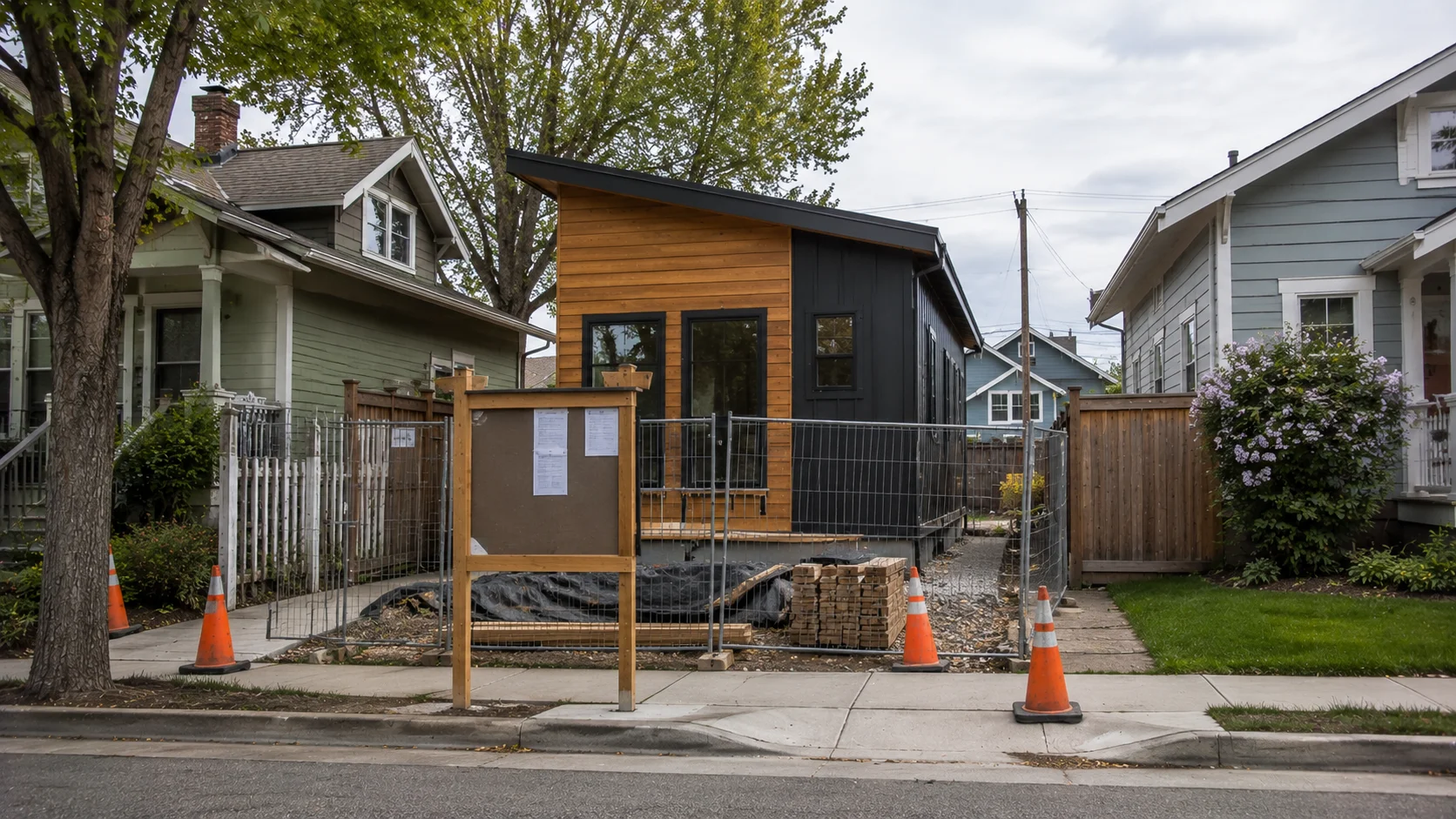
For a permanent tiny house, you should expect permits and inspections.
Idaho DOPL provides separate permit and plan-review processes for building, manufactured housing, and modular construction.
Which process applies depends on the type of tiny house and the local jurisdiction.
Electrical, plumbing, HVAC, foundation, septic, and other work may also require separate approvals.
Do this research before construction starts, not after your tiny dream home has already arrived on a truck.
Where Can You Put a Tiny House in Idaho?
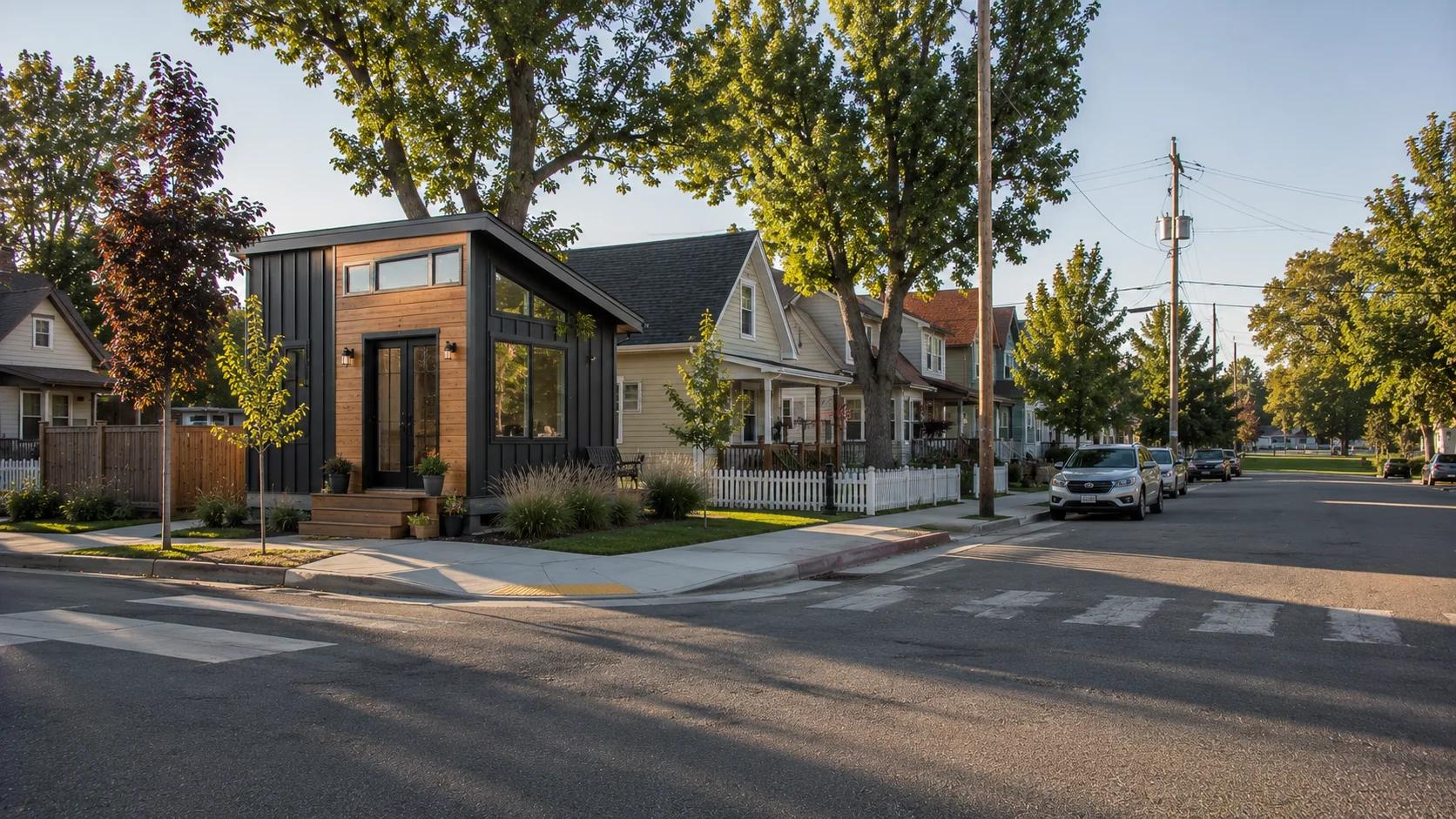
The answer depends heavily on local zoning.
Before buying property, contact the city or county that controls the parcel.
Ask them:
- Can a tiny house be the primary residence?
- Is there a minimum home size?
- Can I build a detached ADU?
- Is a permanent foundation required?
- Can I live full time in a tiny house on wheels?
- What are the setback requirements?
- What permits and inspections are required?
- Can the property use a private well and septic system?
Water can be especially important on rural Idaho land. Idaho changed parts of its domestic water-use rules in 2026, so buyers planning to rely on a private well should verify the current requirements for the property.
Final Thoughts
Tiny houses can be legal in Idaho, but the details matter.
A tiny house on a permanent foundation can face very different rules from a tiny house on wheels. Modular construction, RV classification, zoning, utilities, and permits can all change what is allowed.
The safest approach is simple: choose the property first, check its zoning, and then choose a tiny house that fits those rules.
That order is considerably cheaper than falling in love with a $70,000 tiny house and discovering the county considers it a very attractive lawn ornament.