Tiny House Laws in Colorado: 2026 Guide
Tiny houses have become popular across Colorado. They can offer a cheaper way to own a home while using less space and energy.
Colorado also has specific state rules for tiny homes.
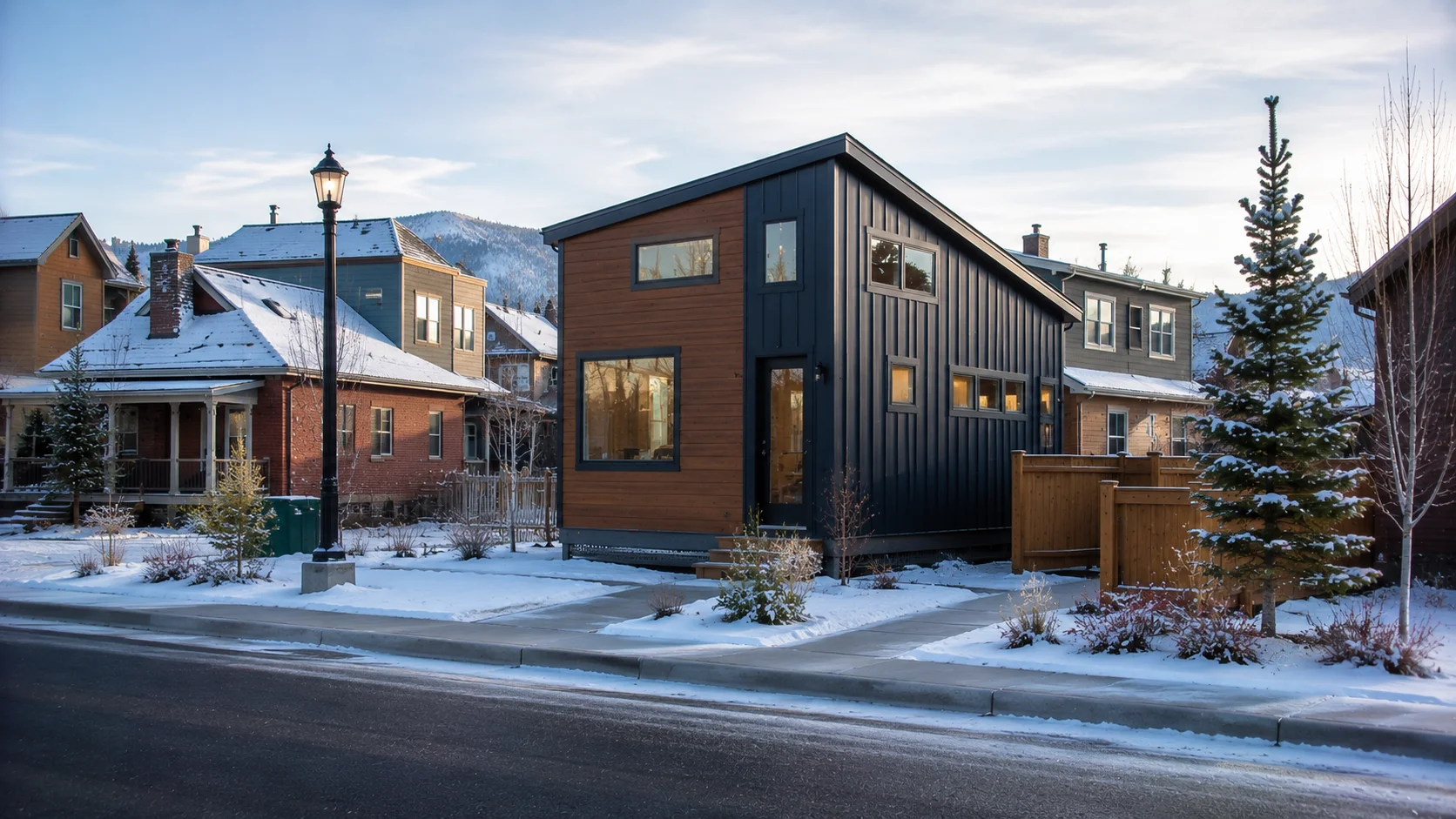
However, that does not mean you can place a tiny house anywhere you want. State standards, local zoning, permits, and the type of tiny home all matter.
Here is what you need to know about tiny house laws in Colorado in 2026.
Are Tiny Houses Legal in Colorado?
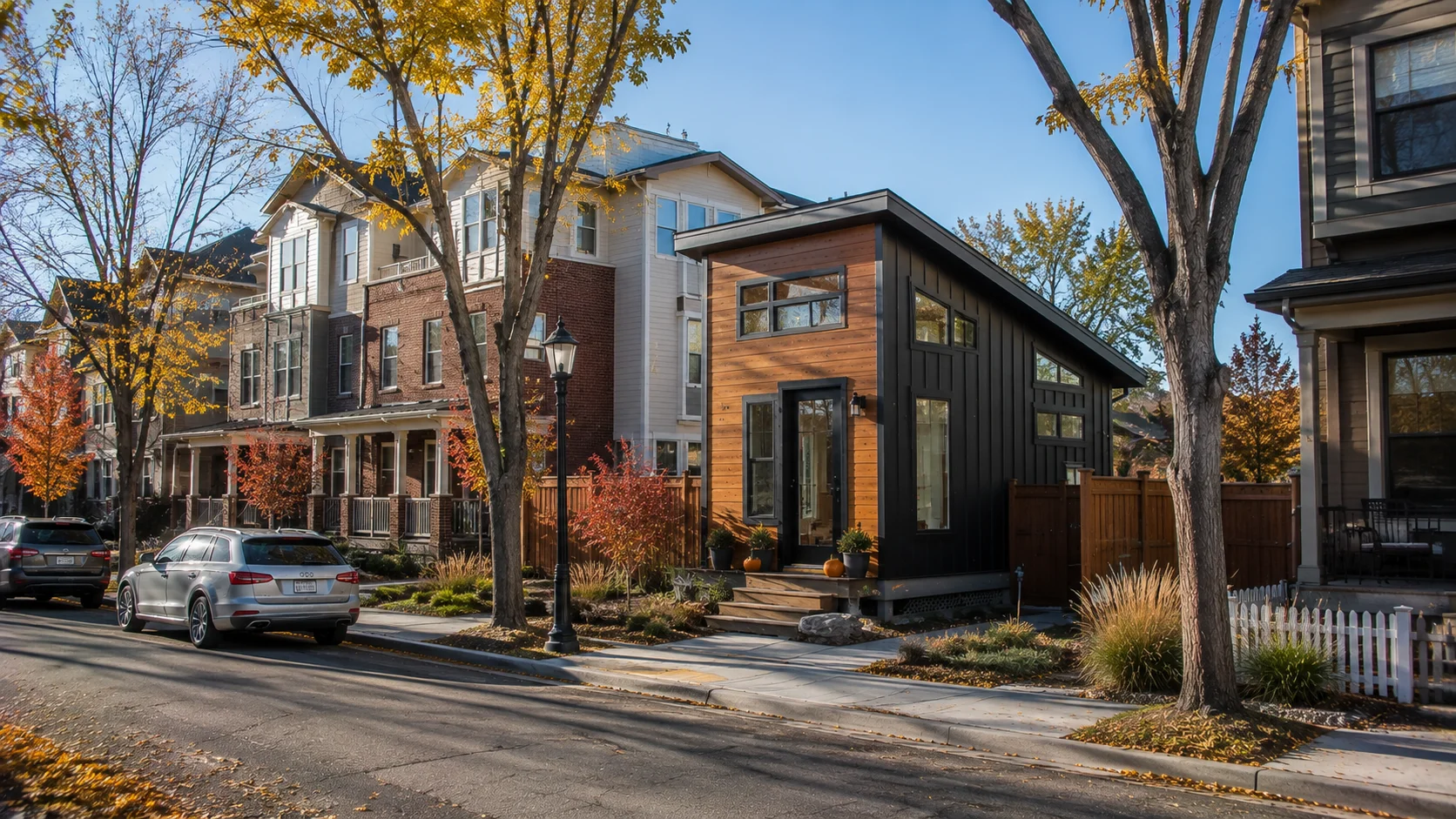
Yes. Tiny houses are legal in Colorado.
In 2022, Colorado passed HB22-1242, which created a clearer state system for the manufacture, sale, and installation of tiny homes. The law expanded the authority of the State Housing Board to create standards specifically for tiny homes.
The law also covers important issues such as foundations and connections to water, sewer, natural gas, and electricity.
But state approval does not automatically mean a tiny house can be placed on every property.
Local zoning still matters.
What Is a Tiny House in Colorado?
Colorado law recognizes tiny homes as a specific type of housing.
The rules are especially important for tiny homes that are built somewhere other than the final property and then transported to the site.
Colorado regulates the manufacture and installation of these homes. Manufacturers, sellers, and installers may have to follow state requirements.
Before buying a tiny home, ask the builder whether the structure meets Colorado’s applicable standards.
That small question can prevent a surprisingly large and expensive problem.
Tiny Houses on Permanent Foundations
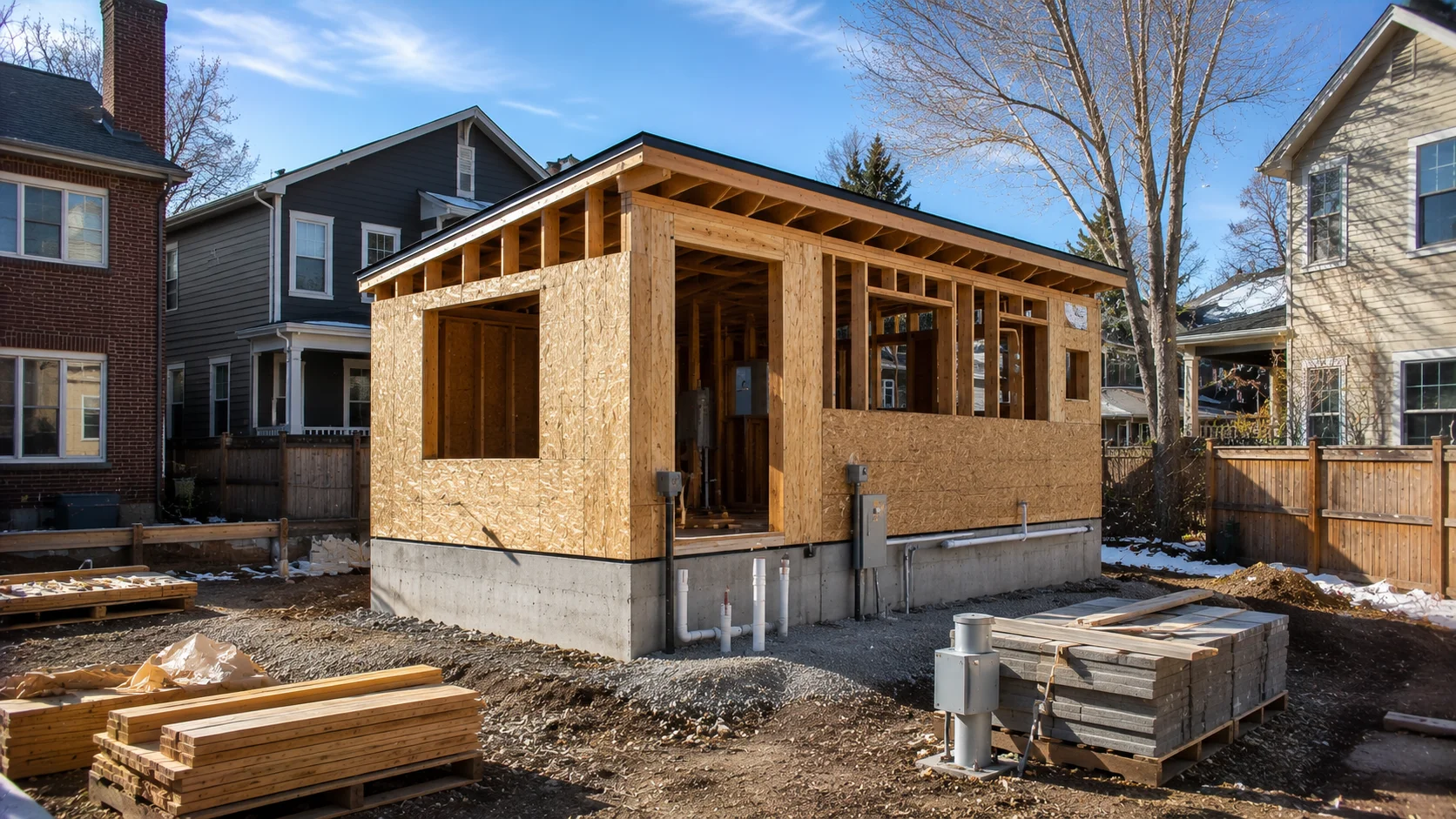
A tiny house installed on a permanent foundation may be used as a residential structure if it meets the required building and zoning rules.
Colorado’s State Housing Board has authority to establish standards for tiny home foundations when other construction standards do not apply.
You may also need approval for:
- Foundation construction
- Electrical service
- Water
- Sewer or septic
- Natural gas
- Property setbacks
- Access and parking
Local authorities can have additional requirements.
Never assume that owning the land gives you automatic permission to build a home on it.
Tiny Houses on Wheels in Colorado
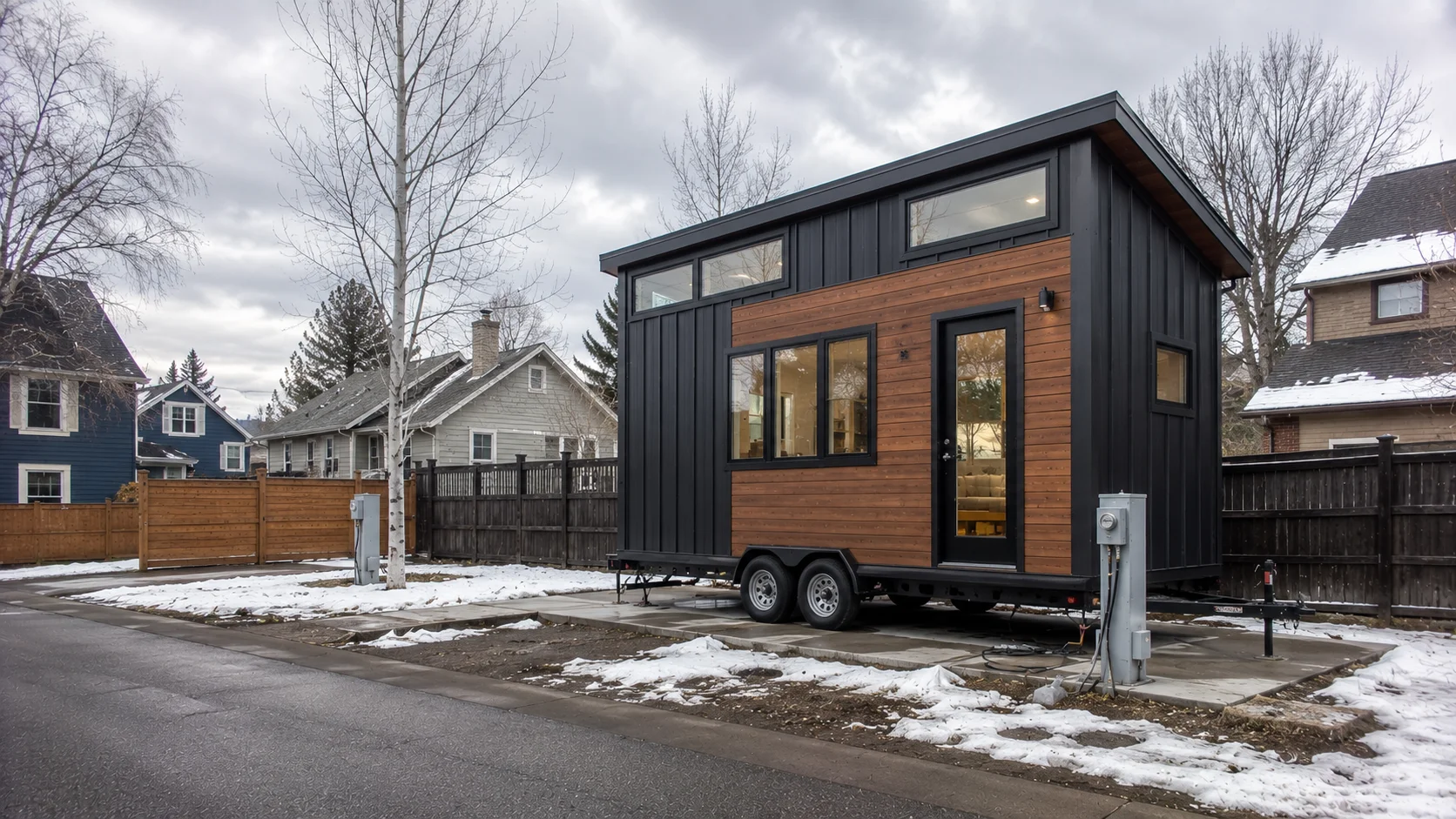
Tiny houses on wheels require more careful planning.
Colorado’s tiny-home framework covers manufactured tiny homes and their installation, but local land-use rules still determine where a unit can be placed and occupied.
A movable structure may also face different requirements depending on its construction and classification.
This is especially important if you want to use a tiny house on wheels as your full-time residence.
Ask the local planning department whether permanent occupancy is allowed before buying the home.
Do not rely only on what the tiny house seller tells you. The seller does not control your county’s zoning map, despite how convenient that would be.
Utility Connections
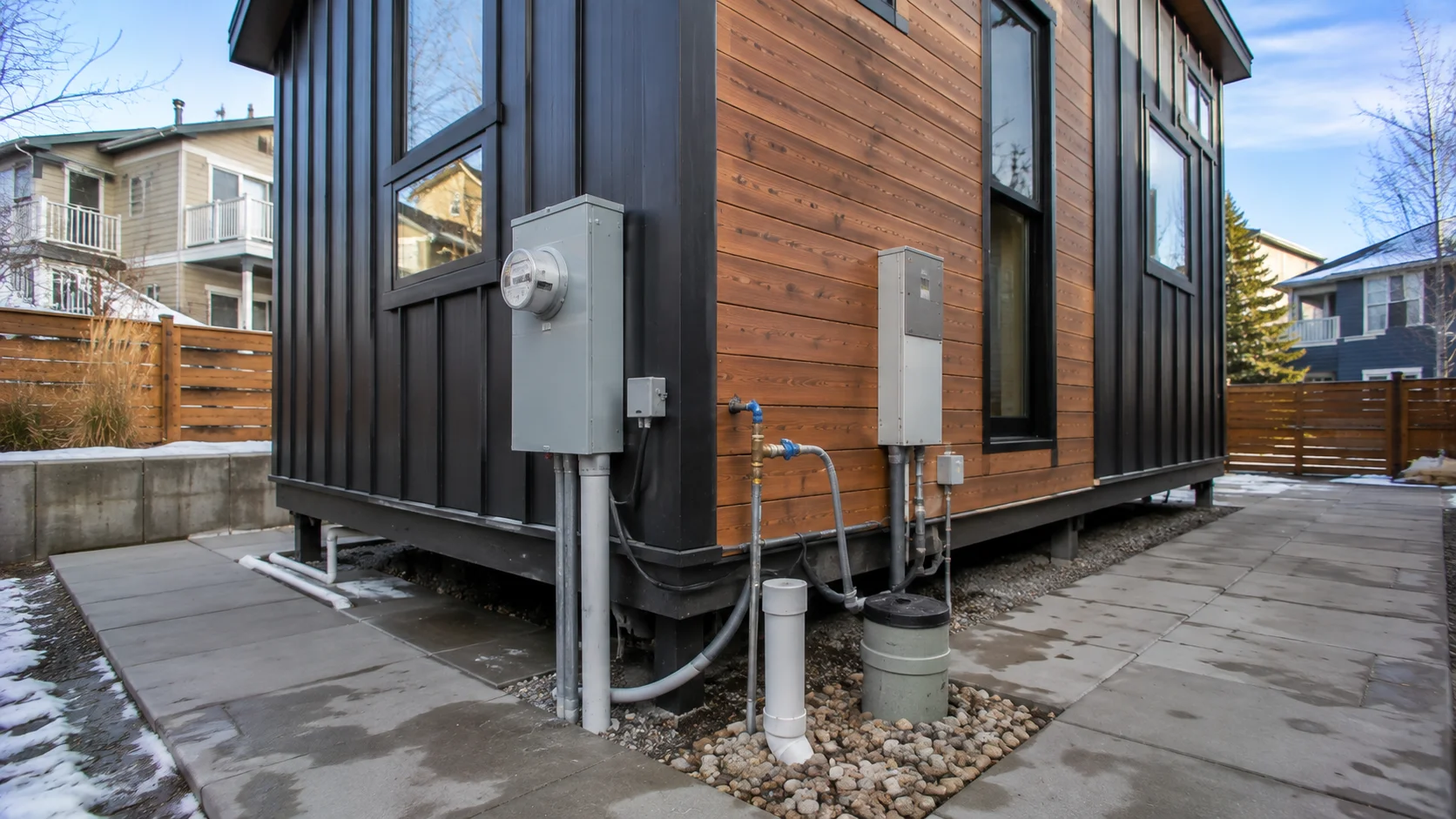
Colorado’s tiny house law specifically addresses utility connections.
The State Housing Board must establish standards for connecting tiny homes to services such as water, sewer, electricity, and natural gas.
Electrical connections may require approval from a state electrical inspector or local government.
Water, gas, and sewer connections may also require approval from the appropriate plumbing inspector or local authority.
This makes utilities an important part of your planning process.
Can You Use a Tiny House as an ADU?
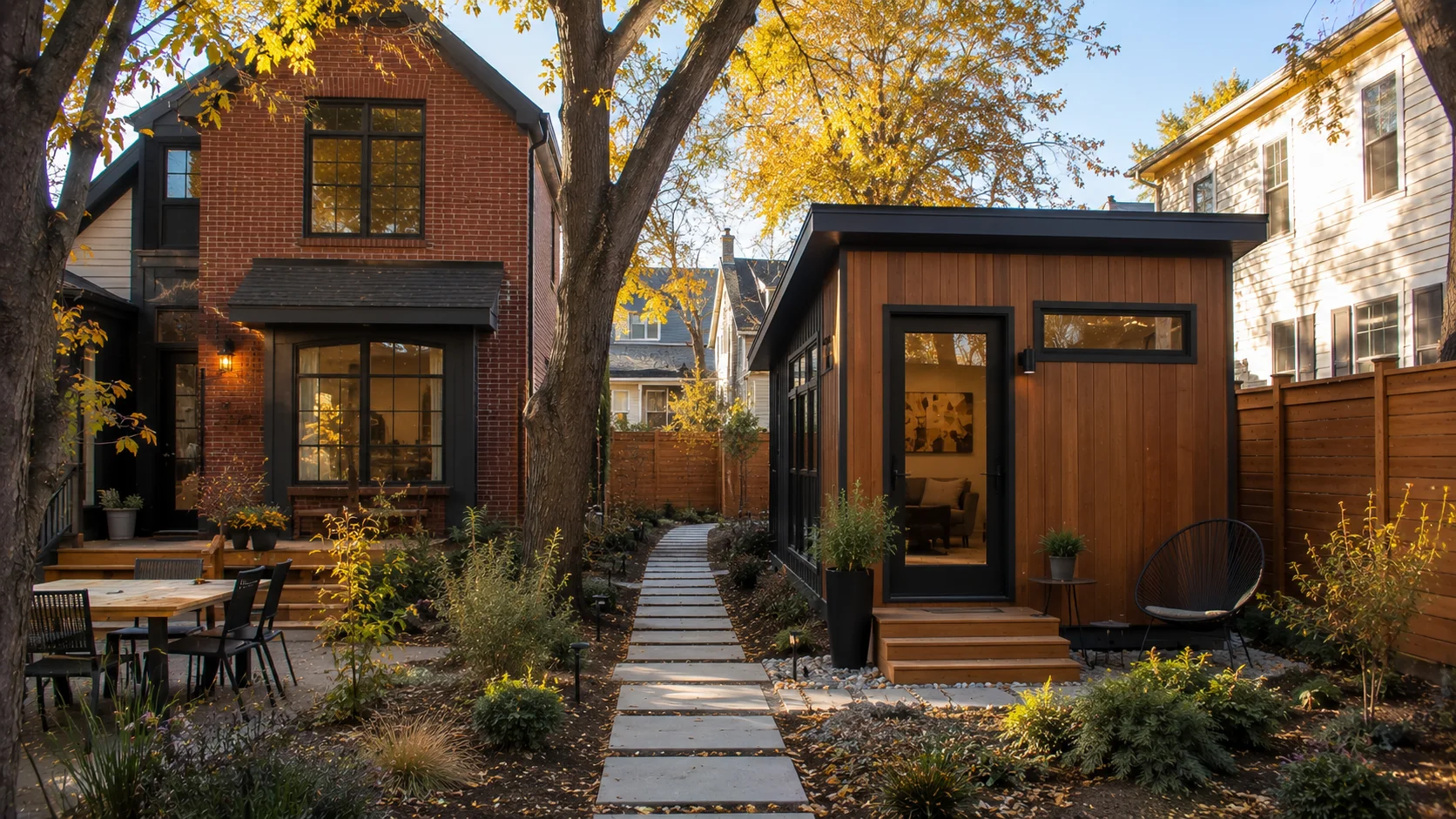
A tiny house may work as an accessory dwelling unit, or ADU, in some Colorado communities.
However, whether a detached tiny house can be used as an ADU depends heavily on the property and applicable local land-use rules.
Cities and counties may regulate issues such as setbacks, height, parking, utilities, and placement on the lot.
Check the current rules for your exact address before ordering a backyard tiny house.
Do You Need a Permit?
In most cases, expect permits or approvals.
Colorado regulates the installation of tiny homes as well as their manufacture and sale. The state’s framework also allows inspections and establishes safety standards.
Depending on your project, you may need building, electrical, plumbing, foundation, septic, or other permits.
Local zoning approval may be required separately.
A tiny house is small. The paperwork, demonstrating humanity’s commitment to consistency, does not have to be.
Where Can You Put a Tiny House in Colorado?

There is no single answer for the entire state.
Before buying land, contact the planning or building department responsible for the property.
Ask:
- Can a tiny house be the primary residence?
- Can I build a detached tiny house ADU?
- Is a permanent foundation required?
- Can I live full time in a tiny house on wheels?
- What setbacks apply?
- Are there minimum lot-size requirements?
- Which permits are required?
- How can the home connect to utilities?
Check these rules before buying the tiny house, not afterward.
Final Thoughts
Colorado has taken clear steps to recognize and regulate tiny homes. HB22-1242 created state standards covering their manufacture, sale, installation, foundations, and utility connections.
Still, local zoning remains a major part of the process.
A legal tiny house is only useful if you can legally place and occupy it on your property.
Start with the location, confirm the zoning and utility requirements, and then choose a tiny home that meets those rules.