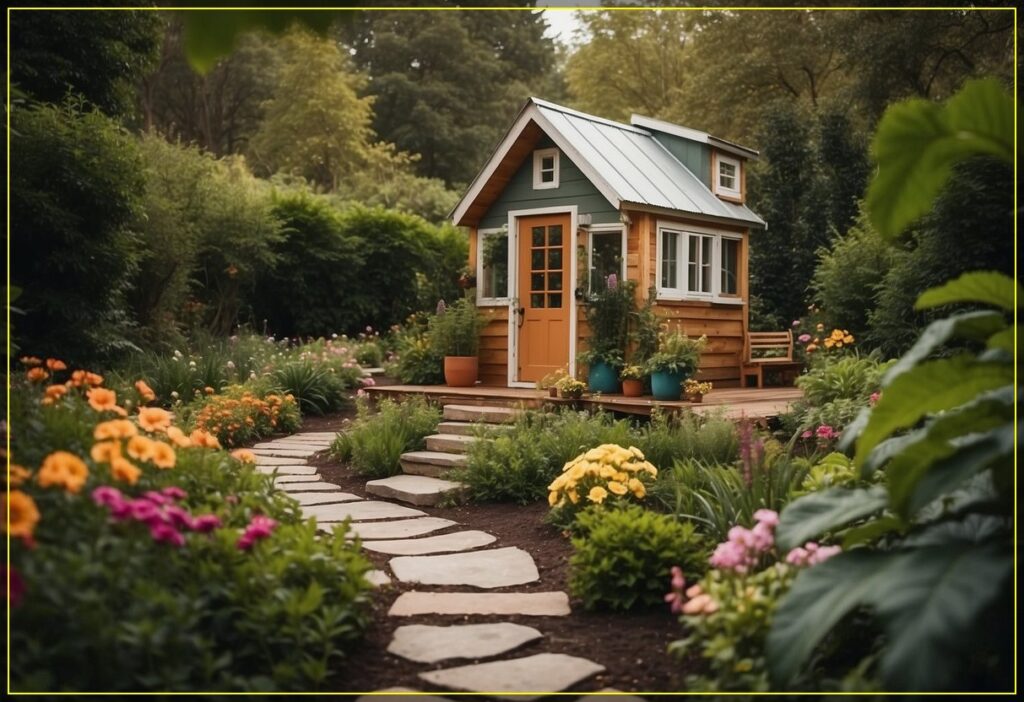
Tiny House Laws in Utah: 2026 Guide
Tiny houses are becoming more popular in Utah. They offer lower costs, less maintenance, and a simpler way to live.
But before you buy land or build a tiny home, you need to understand the rules.
Tiny houses can be legal in Utah, but the rules depend on the type of home and where you plan to put it. Local zoning laws can also change from one city or county to another.
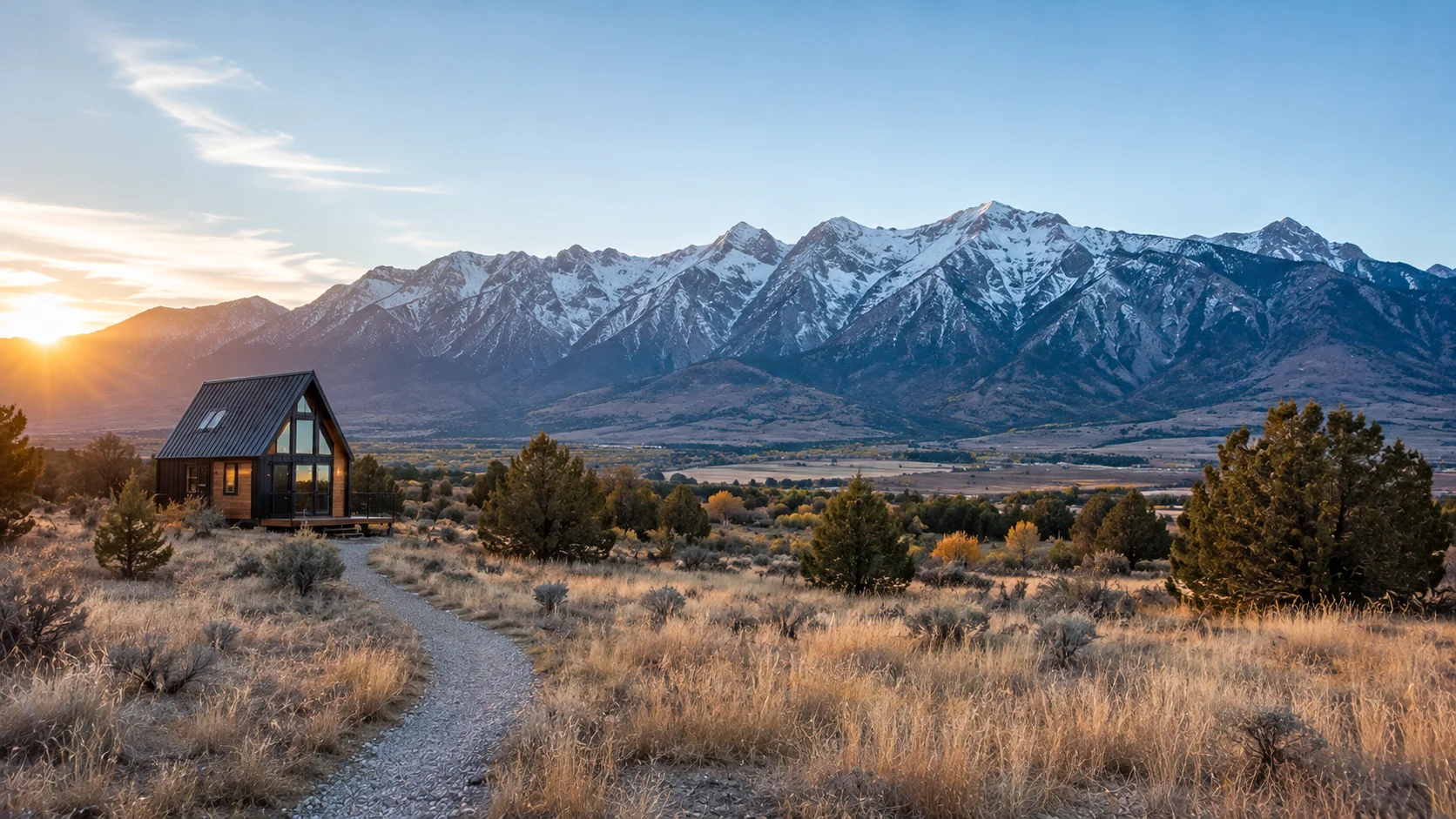
Here is what you should know about tiny house laws in Utah in 2026.
Are Tiny Houses Legal in Utah?
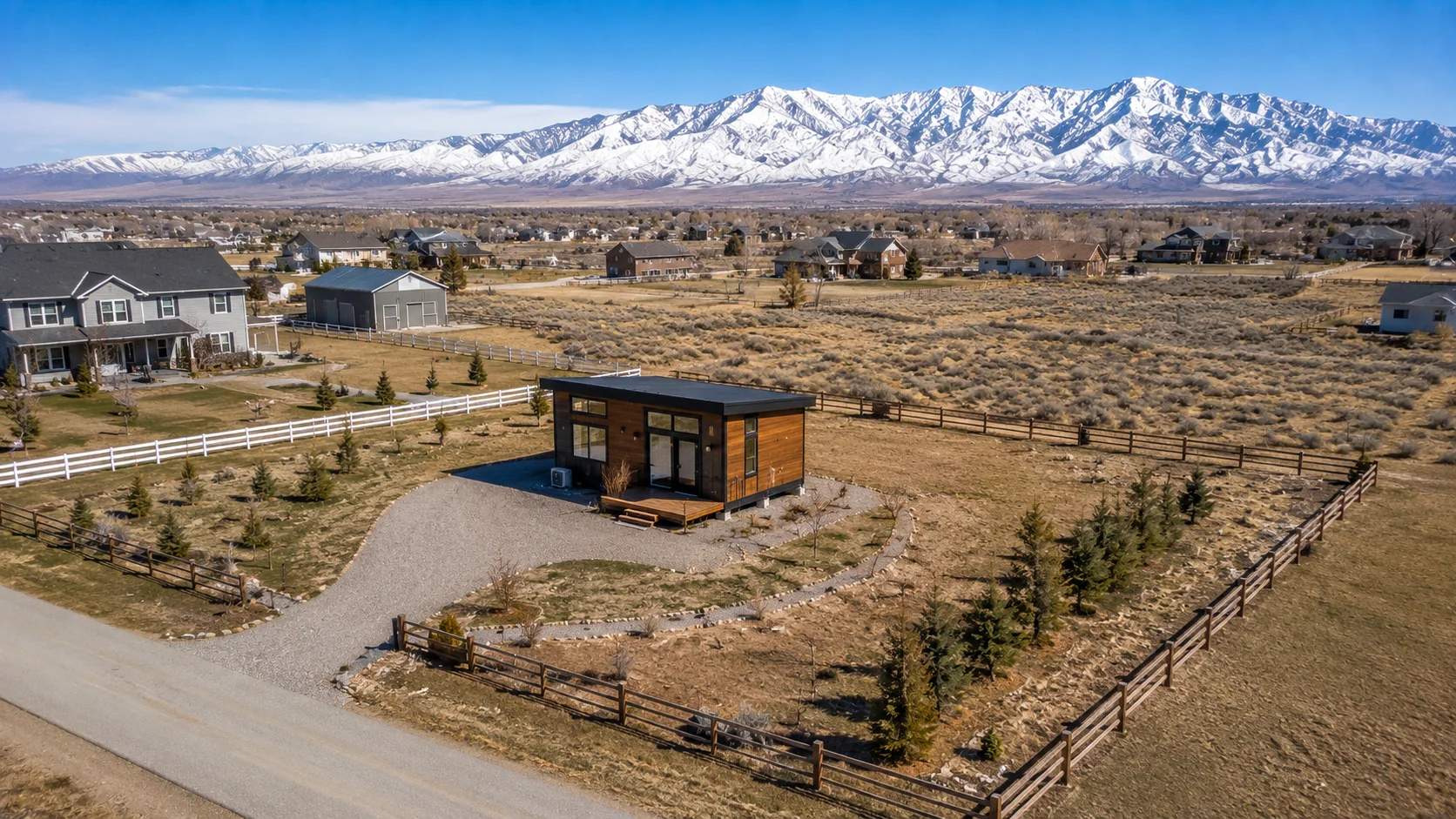
Yes, tiny houses can be legal in Utah.
Utah uses the 2021 International Residential Code, including Appendix AQ for tiny houses. Appendix AQ contains special building rules designed for small homes.
However, building codes are only part of the story.
Your local zoning rules decide where you can place a tiny house and how you can use it. A tiny house that meets building codes may still not be allowed on a certain lot.
Always check the rules for your exact property before building.
What Is Considered a Tiny House in Utah?
Under the IRC, Appendix AQ applies to tiny houses that are 400 square feet or less in floor area, excluding lofts.
These homes still need to meet safety standards. However, Appendix AQ provides special rules for features often found in tiny homes.
These can include:
- Lofts
- Compact stairs
- Ladders
- Lower ceiling heights in some areas
- Emergency escape openings
This makes it easier to build a small home while still meeting residential safety standards.
Tiny Houses on Permanent Foundations
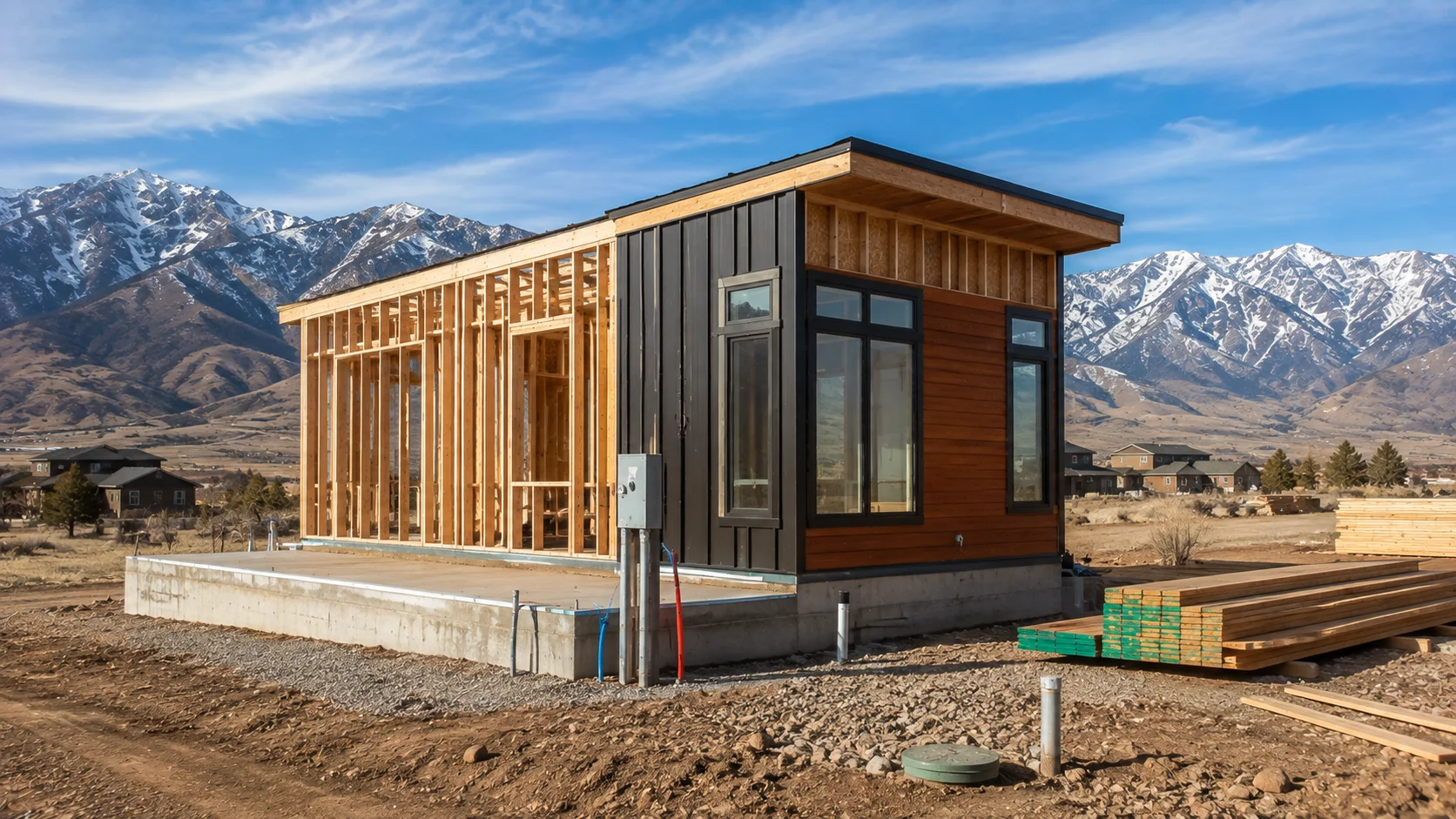
A tiny house on a permanent foundation has a clearer path to legal residential use.
The home must meet the building code and local zoning requirements.
You may also need approval for:
- Water
- Electricity
- Sewer or septic systems
- Setbacks
- Parking
- Property access
You will normally need permits before construction begins.
Do not buy cheap rural land and assume you can immediately build a tiny house on it. The price of the land does not magically erase zoning laws. Check with the local planning department first.
Tiny Houses on Wheels in Utah
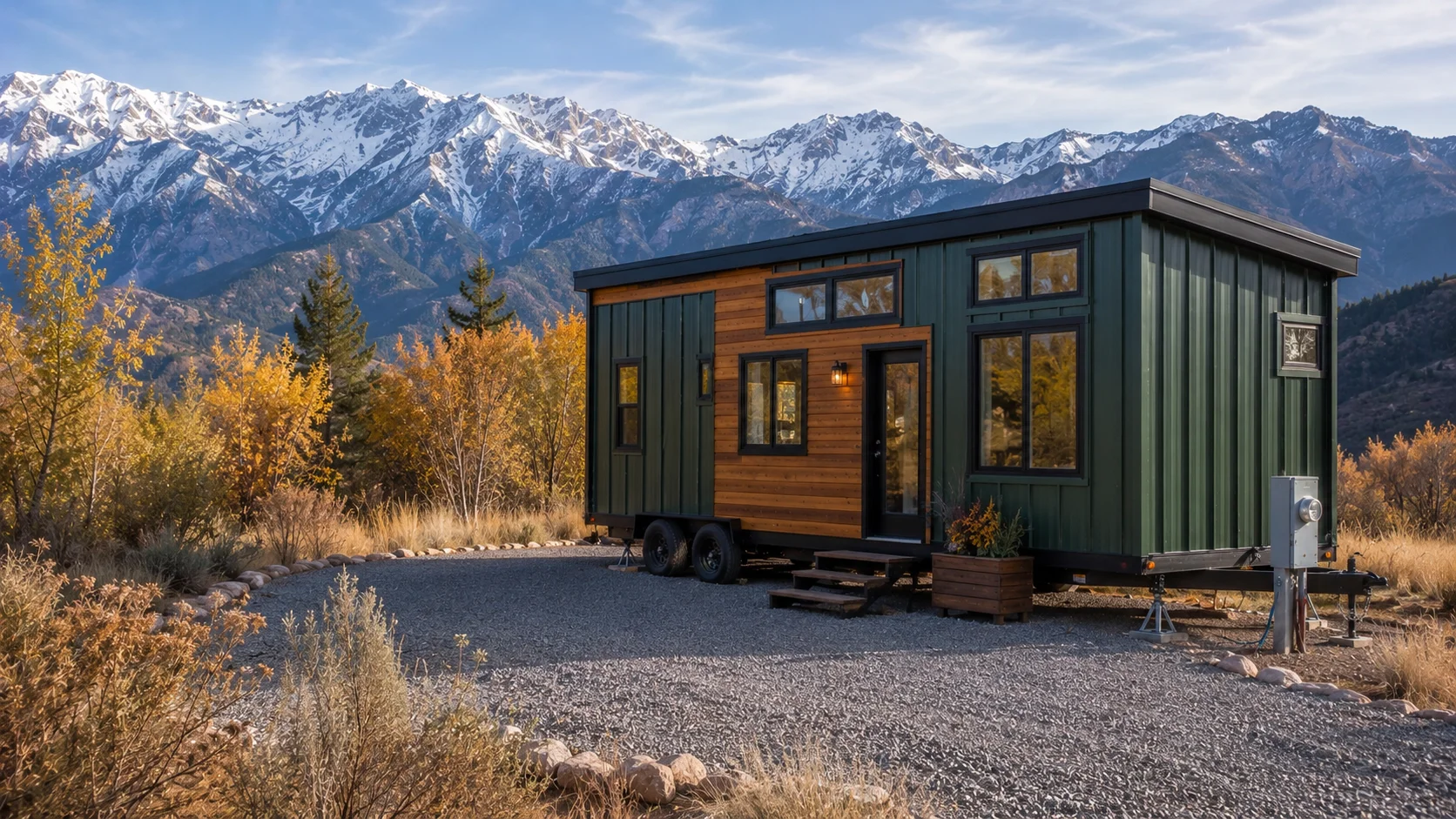
Tiny houses on wheels are more complicated.
A tiny house with wheels may be treated differently from a house built under residential building codes. Depending on the design and location, local rules may treat it more like an RV or another type of movable unit.
Some local Utah regulations specifically separate tiny homes on wheels from tiny homes or modular homes installed on permanent foundations.
This matters if you want to live in the home full time.
Before buying a tiny house on wheels, ask the city or county whether you can legally use it as a permanent residence on your property.
Can You Build a Tiny House ADU in Utah?
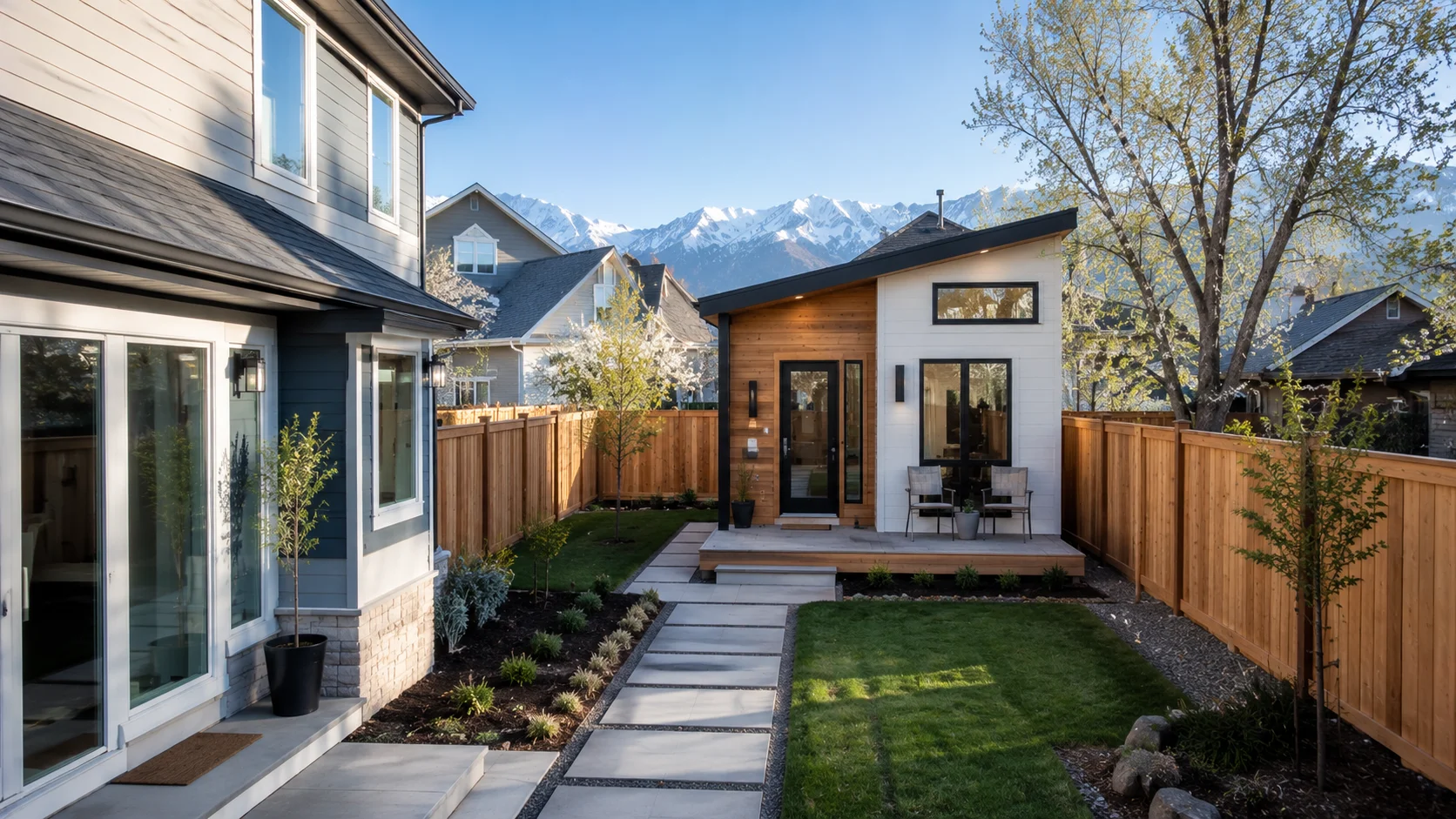
This requires some care.
Utah state law protects internal accessory dwelling units in many residential areas. An internal ADU is created within the footprint of the main home. It is not automatically the same thing as placing a separate tiny house in your backyard.
Detached ADU rules are changing too. Utah’s 2026 legislation includes new requirements for certain municipalities concerning detached ADUs, with some provisions taking effect later in 2026.
Because of this, check the current local ordinance before building a detached tiny house as an ADU.
Do You Need a Permit?
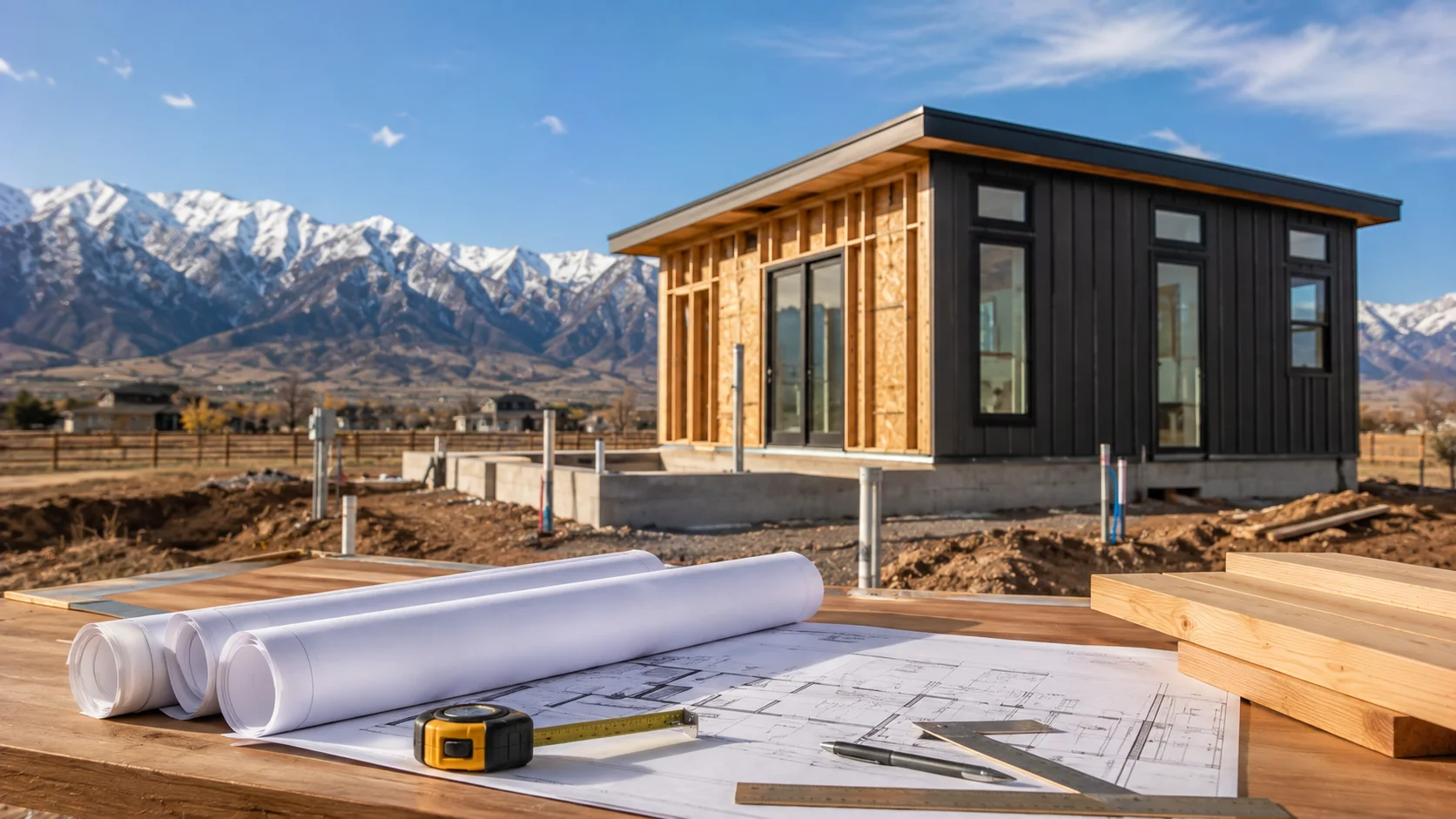
In most cases, yes.
A permanent tiny house may require building permits, inspections, zoning approval, and utility permits.
The exact process depends on your city or county.
A building department may also review plans to make sure the home meets structural, electrical, plumbing, fire, and other safety requirements.
Never assume that a house does not need permits simply because it is small.
Where Can You Put a Tiny House in Utah?
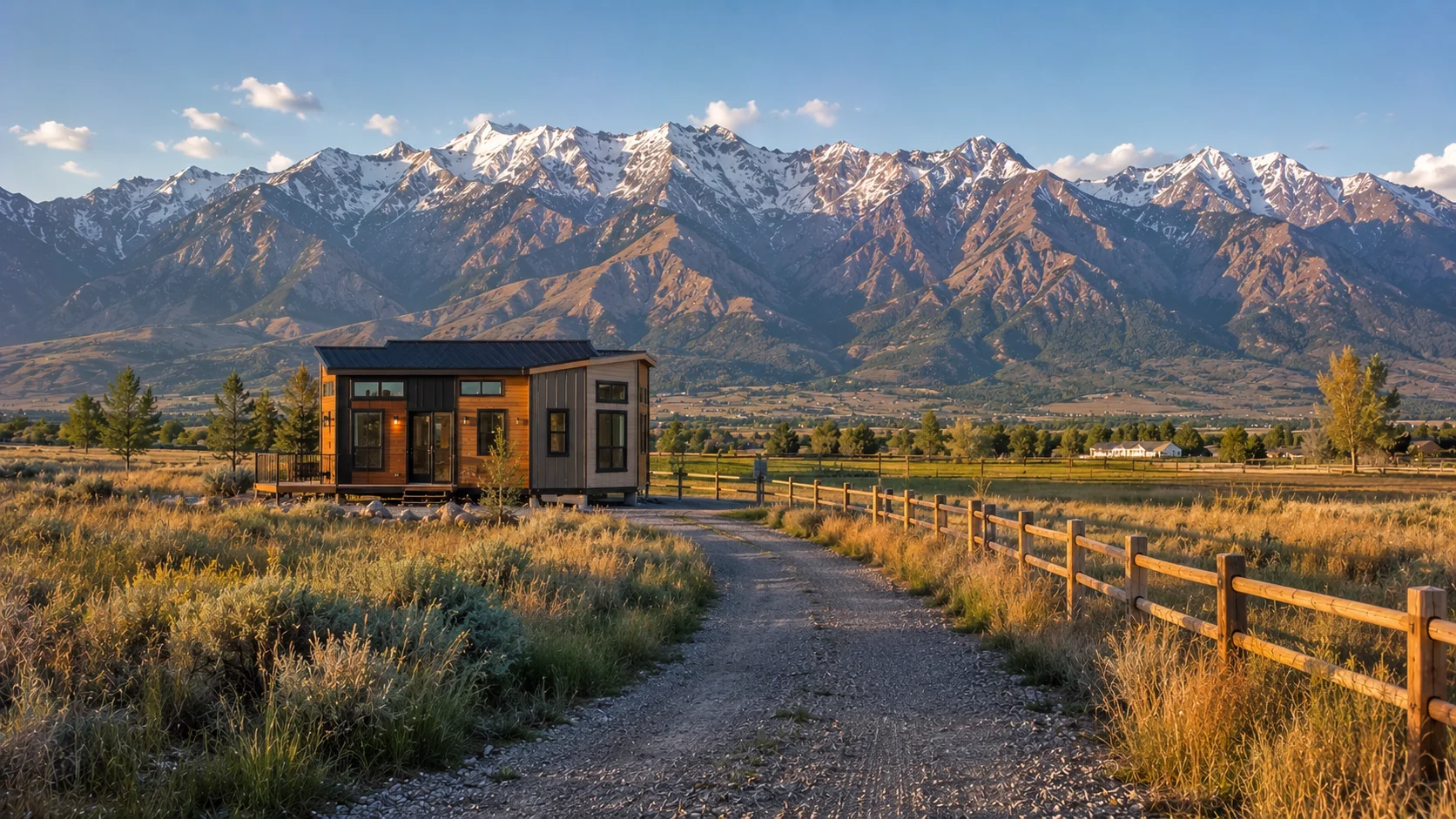
There is no single answer for every property in Utah.
Before buying land, contact the planning or building department for the city or county where the property is located.
Ask:
- Are tiny houses allowed on this parcel?
- Can the tiny house be my primary residence?
- Is a permanent foundation required?
- Can I use a tiny house as a detached ADU?
- Are tiny houses on wheels allowed?
- What permits do I need?
- Are there minimum lot size or setback rules?
Getting written confirmation is even better.
Final Thoughts
Tiny houses can be legal in Utah, and the state’s residential building framework includes specific provisions for tiny homes.
Still, zoning is the part you cannot ignore.
Rules for a tiny house on a foundation can be very different from rules for a tiny house on wheels. ADU requirements can also vary by location.
Before buying land or a tiny home, check the current rules for the exact property.
That boring phone call to the planning department can save you from buying a beautiful tiny house that you legally have nowhere to put.