Tiny House Laws in Washington State: 2026 Guide
Tiny houses are legal in Washington State, but there are rules you need to follow.
Washington has specific building standards for tiny houses. The state also allows cities and towns to regulate tiny house communities.
Still, owning land does not automatically mean you can place a tiny house on it and live there.
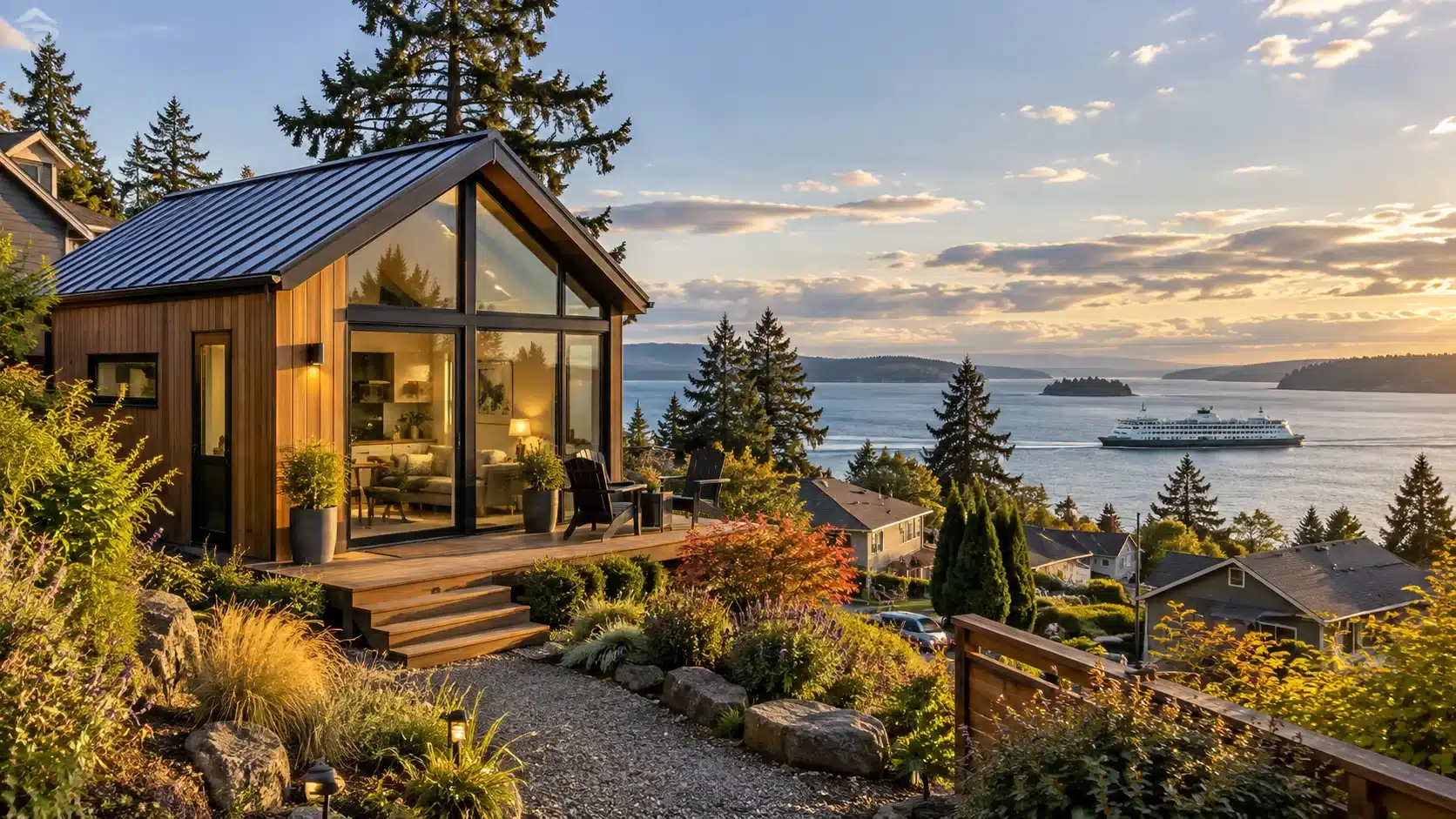
Building codes, zoning, permits, utilities, and the type of tiny house all matter.
Here is what you need to know about tiny house laws in Washington State in 2026.
Are Tiny Houses Legal in Washington State?
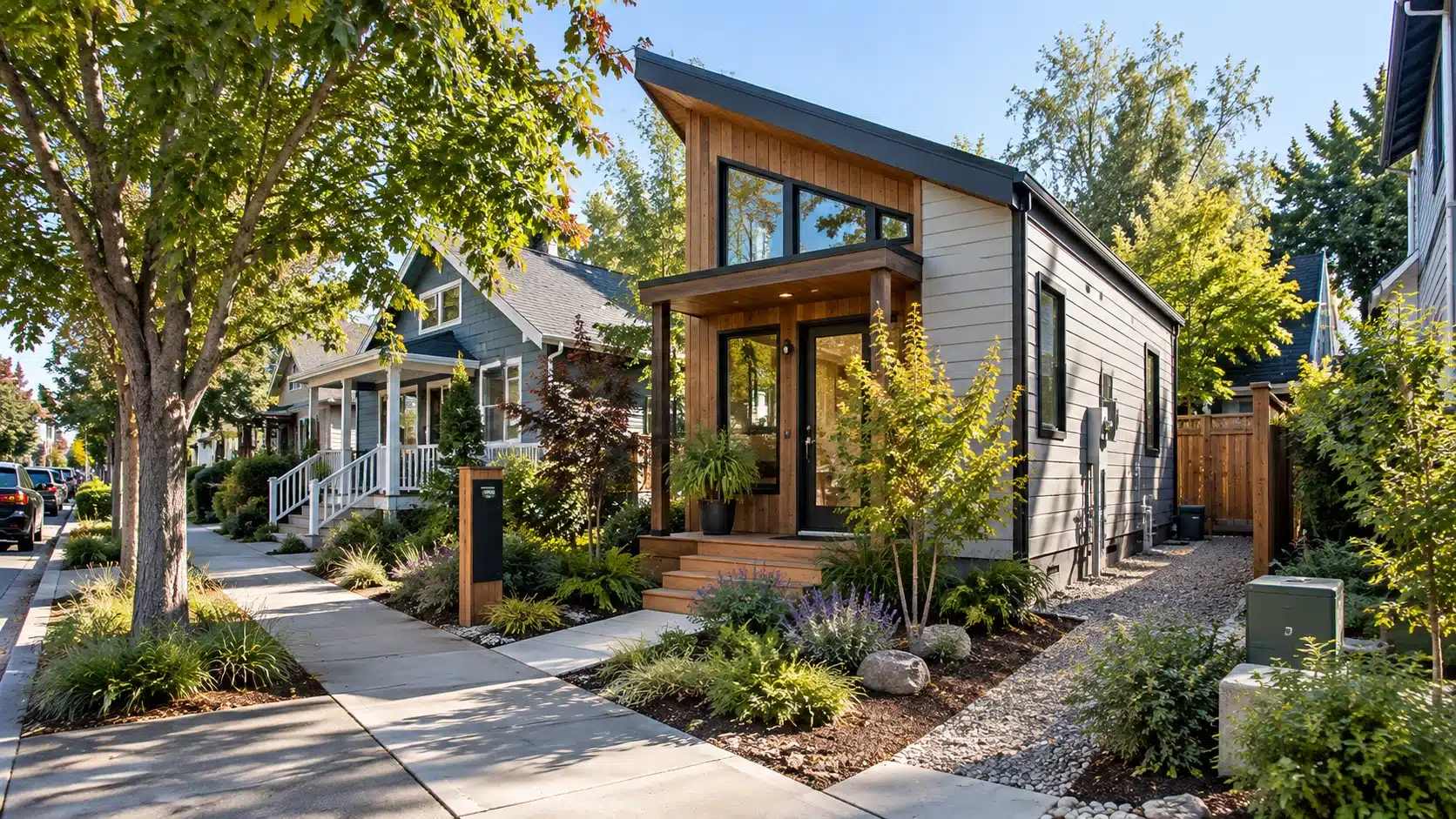
Yes. Tiny houses are legal in Washington State.
Washington currently uses the 2021 International Residential Code with state amendments. The state specifically includes Appendix AQ for Tiny Houses in its residential code.
This gives tiny houses a clear path through the building code.
However, the building code does not decide where you can place the house. Local cities and counties still control zoning and land use.
That means a legal tiny house may not be allowed on every residential lot.
What Is a Tiny House in Washington?
Washington’s Appendix AQ defines a tiny house as a dwelling unit with 400 square feet or less of floor area, not including sleeping lofts.
The code also provides special standards designed for very small homes.
For example, habitable areas can have a minimum ceiling height of 6 feet 8 inches. Bathrooms, toilet rooms, and kitchens can have a minimum ceiling height of 6 feet 4 inches. Separate rules apply to lofts.
These standards make compact residential design easier while still providing safety requirements.
Tiny Houses on Permanent Foundations
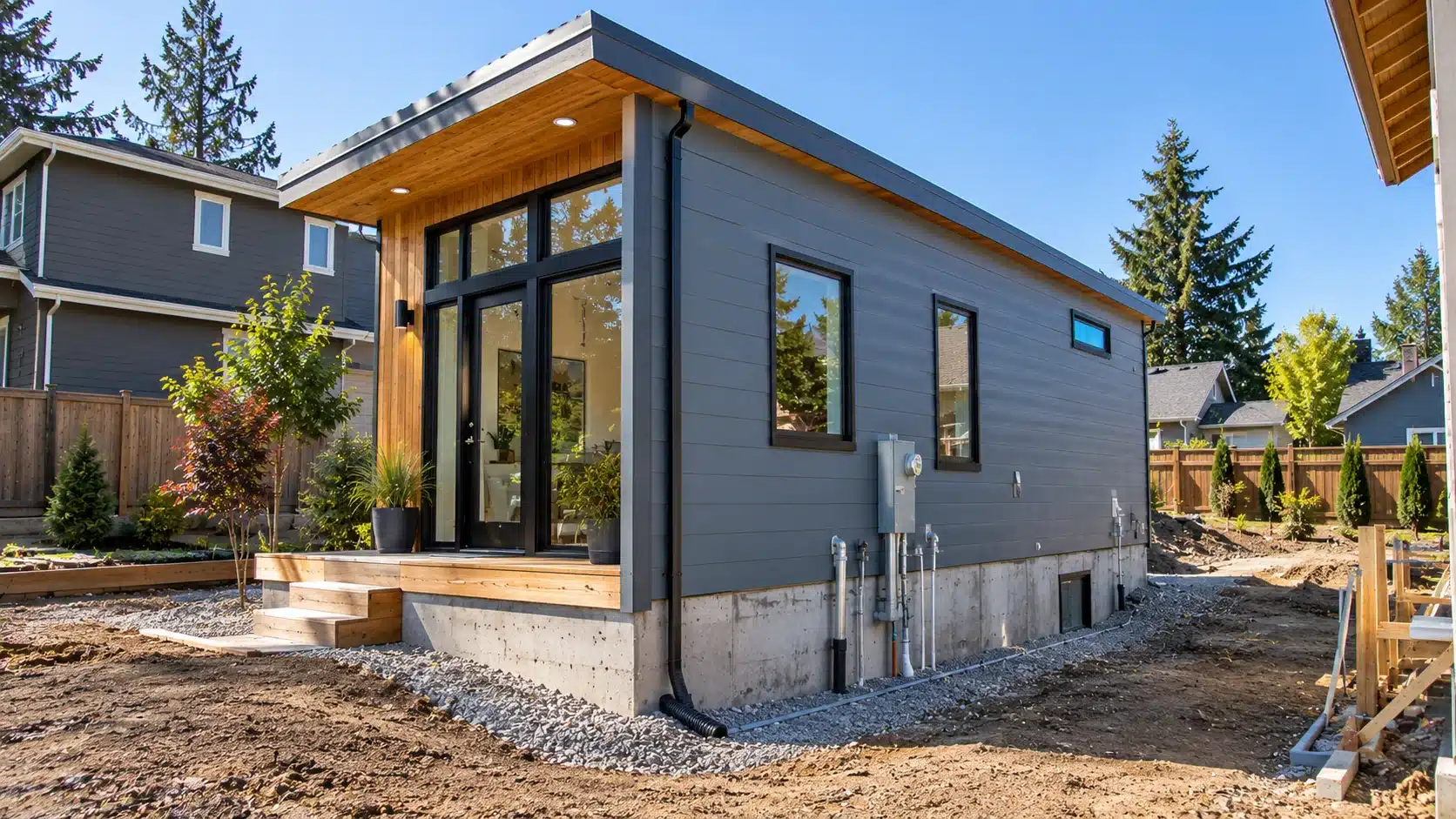
A tiny house on a permanent foundation usually has the clearest route to legal full-time residential use.
The structure must meet the applicable building code.
You may need approval for the foundation, electrical system, plumbing, energy requirements, water, sewer or septic system, and other work.
Washington also has a residential energy code that applies state wide.
But building approval is not enough.
The property must also allow the home under local zoning rules.
Tiny Houses on Wheels in Washington
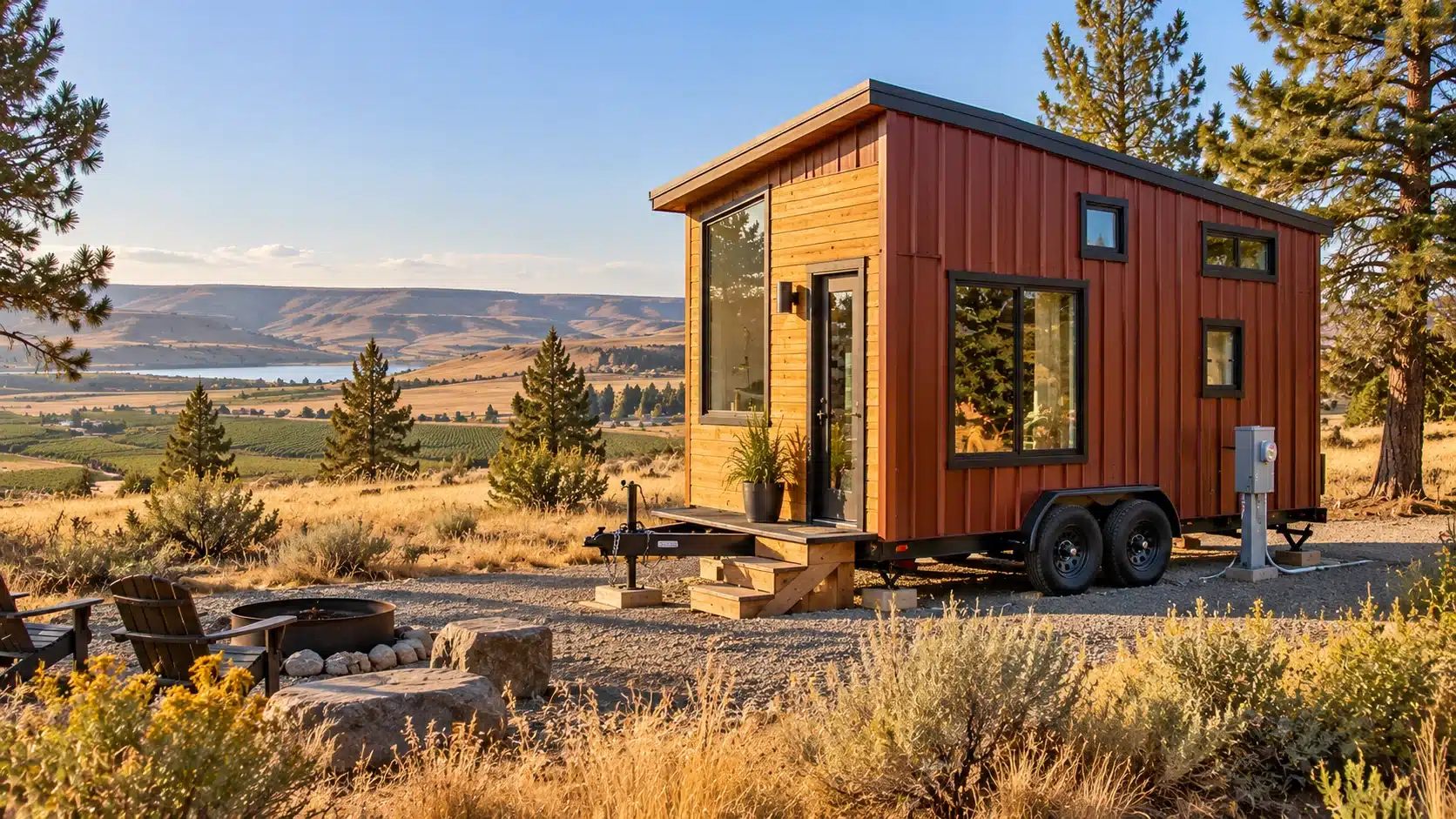
Washington law specifically recognizes tiny houses with wheels in its rules for tiny house communities.
State law defines a tiny house with wheels used in this context as permanent housing with facilities for living, sleeping, eating, cooking, and sanitation, built according to the state building code.
This is important because a tiny house with wheels is not automatically treated as ordinary permanent housing simply because someone can sleep inside it.
Where you can place and occupy one still depends on applicable local rules.
If you plan to live in a tiny house on wheels full time, check with the local planning department before buying the unit.
Are Tiny House Communities Allowed?
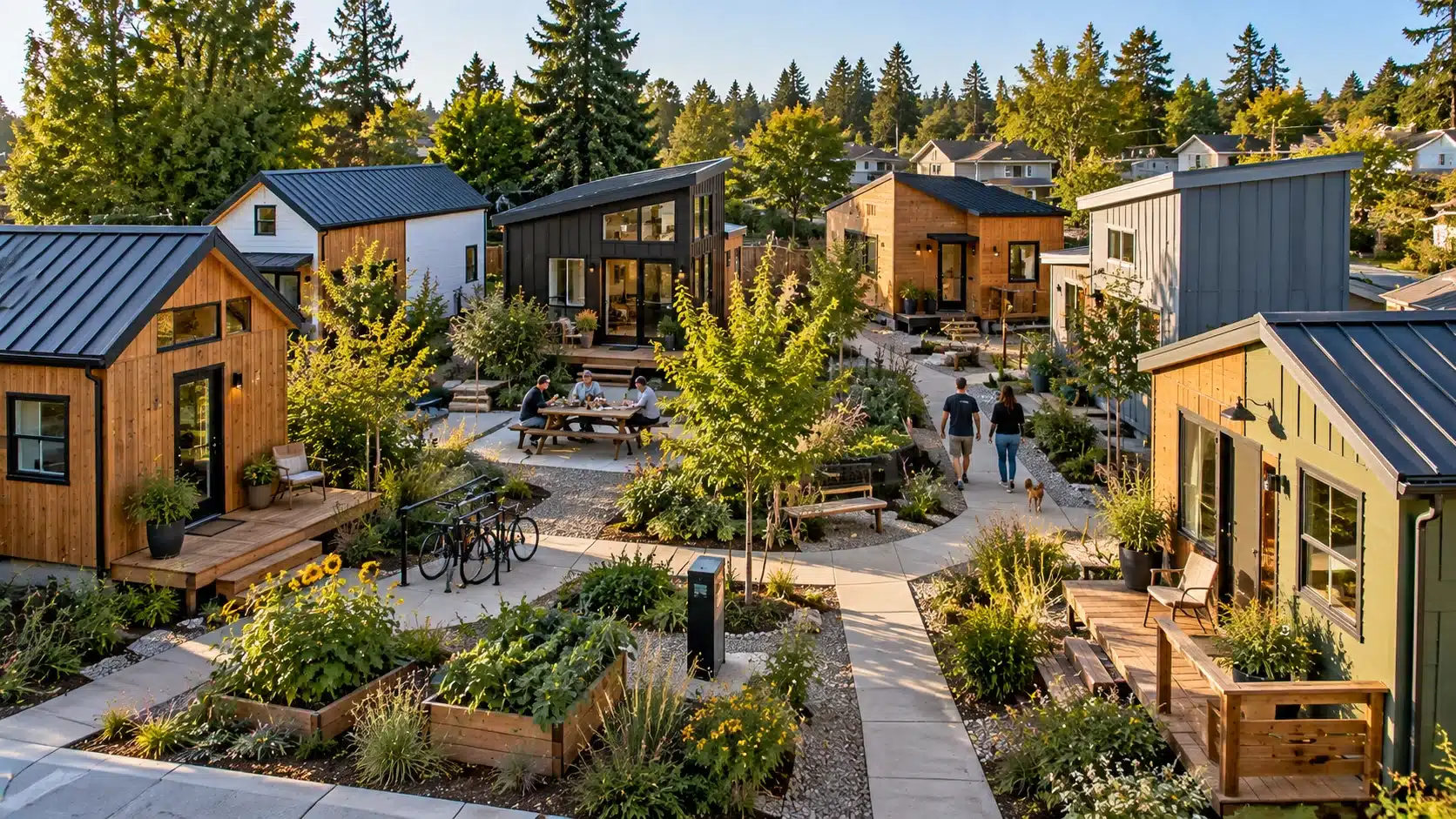
Yes.
Washington law allows a city or town to adopt an ordinance regulating the creation of tiny house communities.
State law says these communities can include property rented for the placement of tiny houses with wheels or qualifying tiny houses using the state’s binding site plan process.
The landowner must make reasonable accommodation for utility hookups, including water, power, and sewer services.
This makes Washington particularly interesting for people considering community-style tiny house living.
Can a Tiny House Be an ADU?
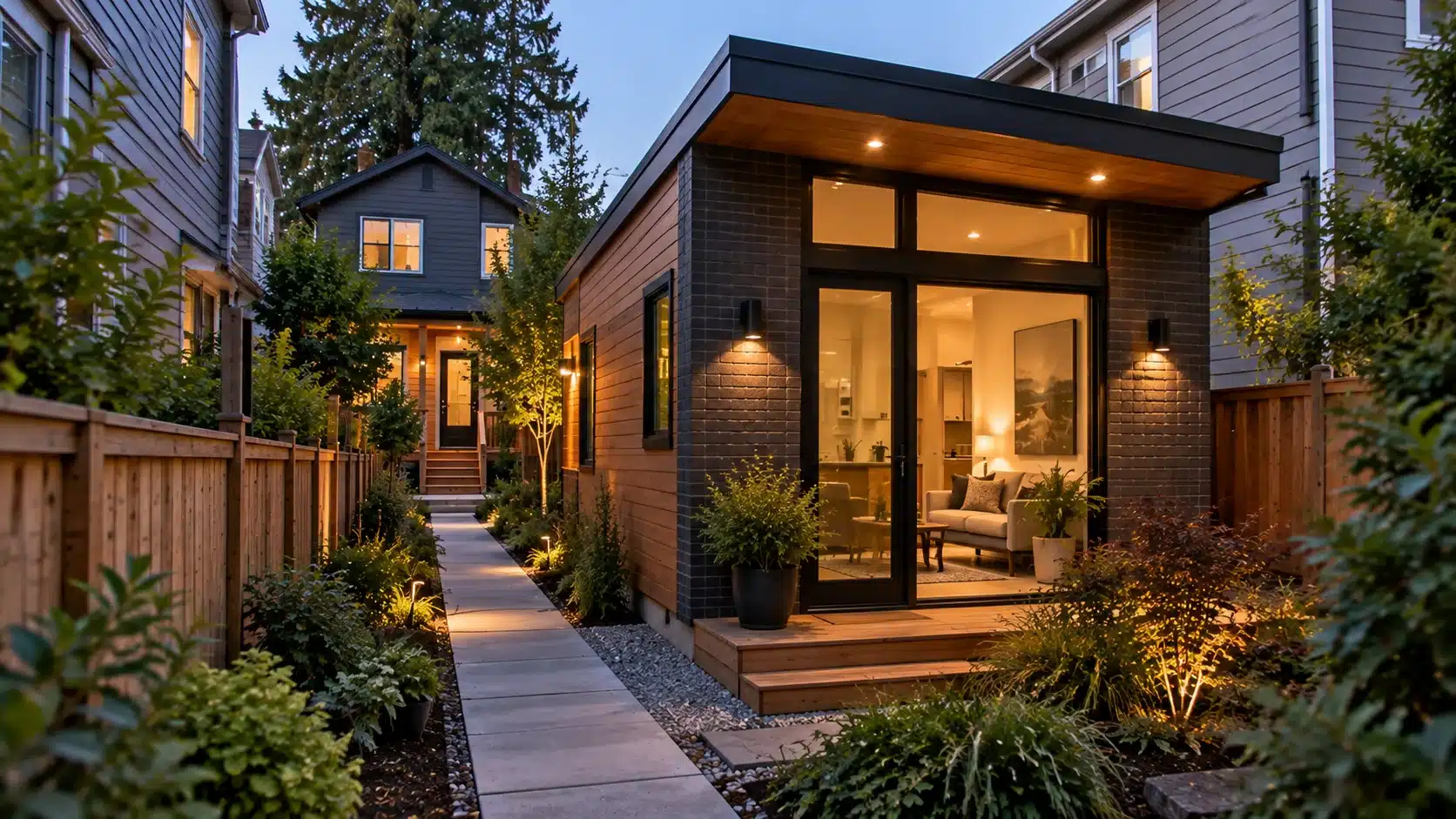
A tiny house may also work as a detached accessory dwelling unit in some Washington locations.
However, ADU rules depend on state housing law as well as local implementation, zoning, and the property itself.
A city or county may have requirements involving setbacks, lot coverage, access, utilities, height, and building permits.
So do not order a backyard tiny house first and ask the planning department later.
Tiny homes may be small. Financial mistakes involving them remain impressively full-sized.
Do You Need a Permit?
For a permanent residential tiny house, you should expect permits and inspections.
Depending on the project, these may cover:
- Building work
- Foundation
- Electrical work
- Plumbing
- Mechanical systems
- Water and sewer
- Septic systems
- Energy-code compliance
- Local zoning approval
Washington’s adoption of Appendix AQ does not remove normal permit requirements. It provides building standards specifically suited to tiny homes.
Contact both the local planning department and building department before starting construction.
Where Can You Put a Tiny House in Washington?
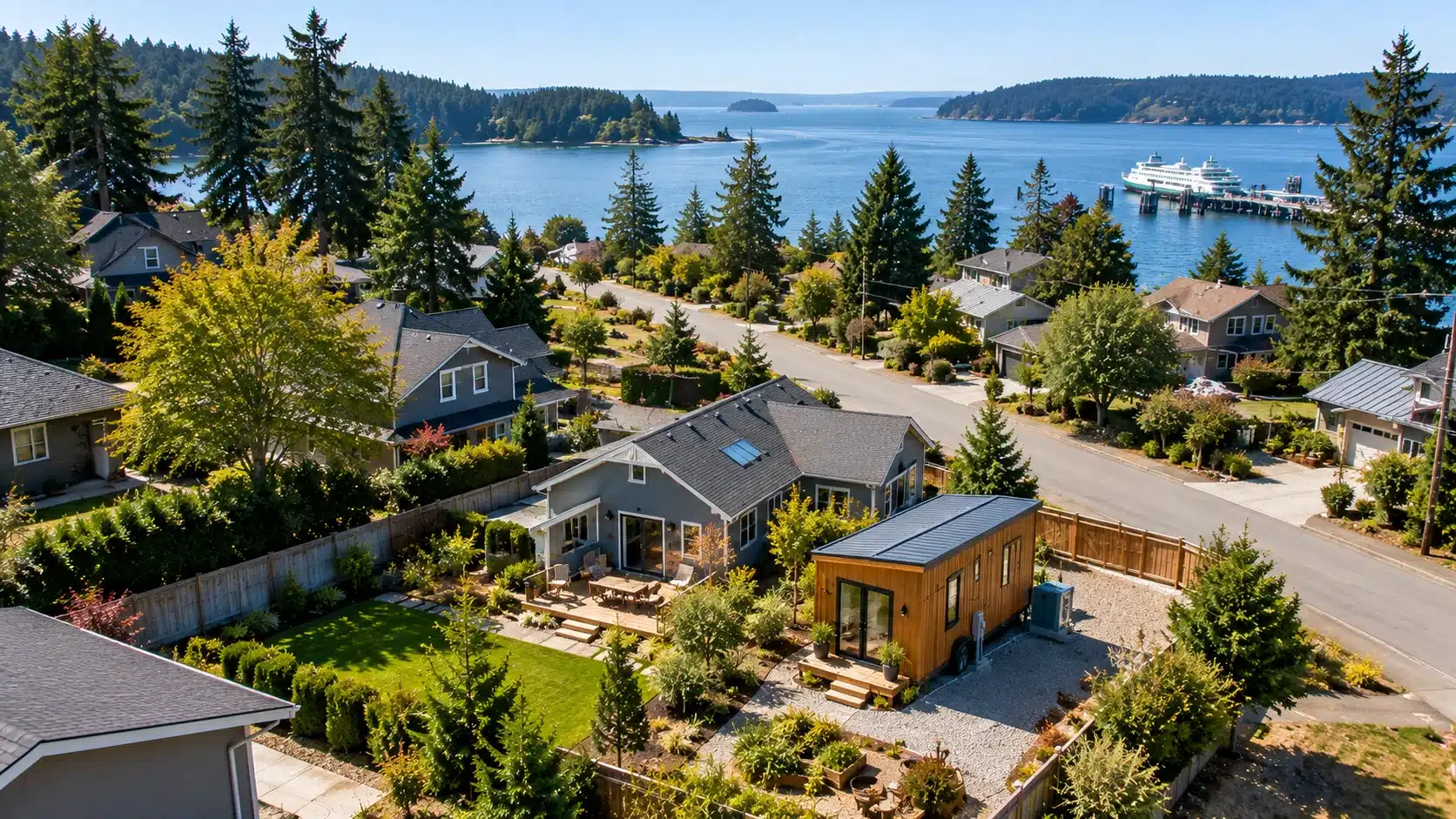
There is no single state wide answer.
Local zoning determines whether a tiny house can be used as a primary home, ADU, or part of another permitted housing arrangement.
Before buying land, ask the city or county:
- Can a tiny house be the primary residence?
- Is a detached tiny house ADU allowed?
- Can a tiny house on wheels be occupied full time?
- What setbacks apply?
- Are there minimum lot requirements?
- What utility connections are required?
- Which permits and inspections are needed?
If you are comparing the Pacific Northwest, also read our guide to tiny house laws in Oregon. The two states have different building and local land-use systems.
Final Thoughts
Washington State has one of the clearer legal frameworks for tiny houses.
Its residential code includes Appendix AQ, which specifically addresses homes of 400 square feet or less, excluding sleeping lofts. State law also recognizes tiny houses and tiny houses with wheels in tiny house communities.
But local zoning is still critical.
The safest approach is to choose a location first, confirm zoning and permits, and then buy or build a tiny house that meets those requirements.
For more state-by-state rules, you can also explore Tiny House Laws hub.