Tiny House Laws in Oregon: 2026 Guide
Tiny houses are popular in Oregon. The state has cities, small towns, forests, and rural areas where small homes can make sense.
But owning land does not mean you can place any tiny house on it.
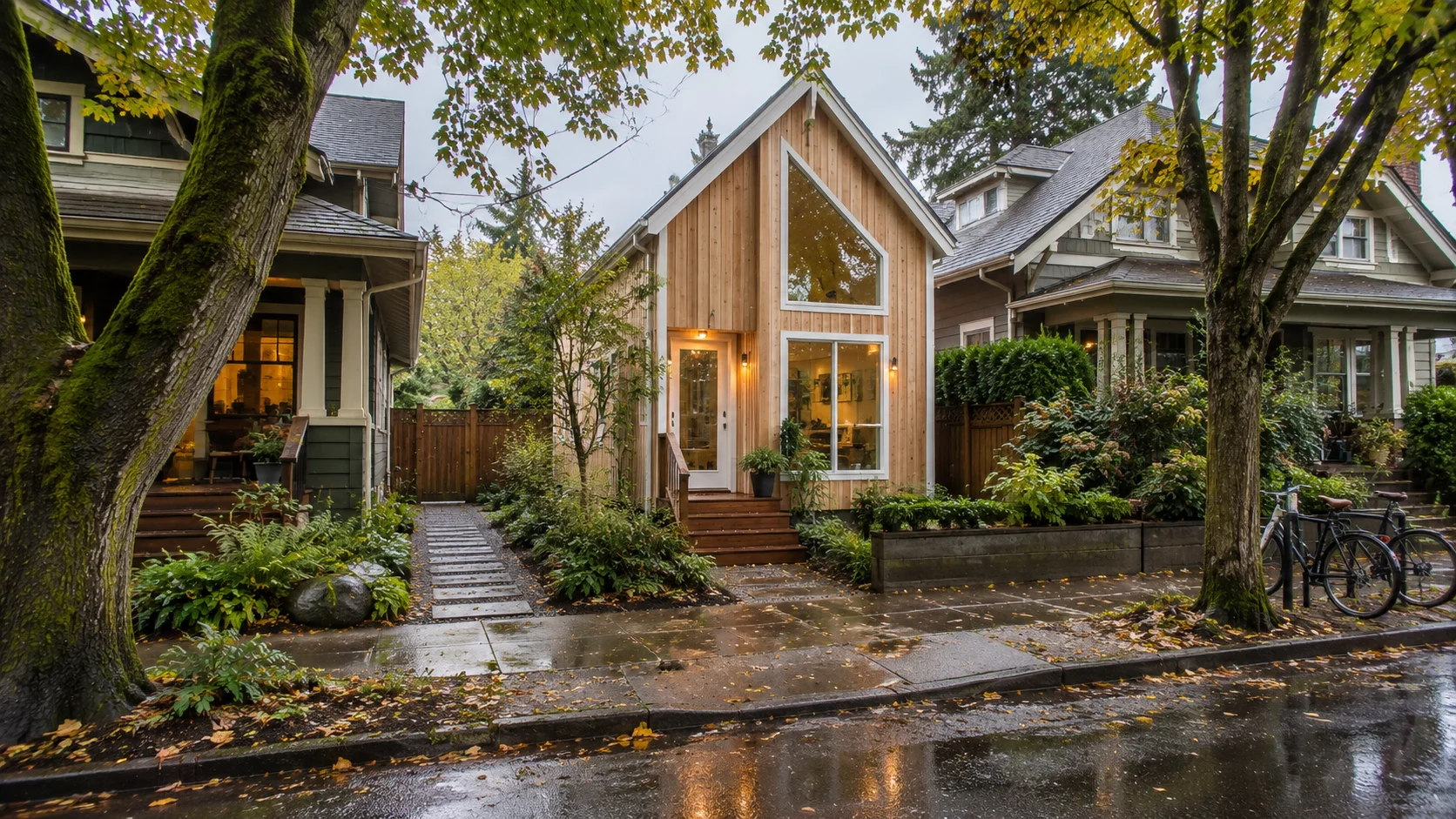
In 2026, Oregon also changed part of its building code system for small homes. Because of this, it is important to understand both state building rules and local zoning.
Here is what you should know about tiny house laws in Oregon in 2026.
Are Tiny Houses Legal in Oregon?
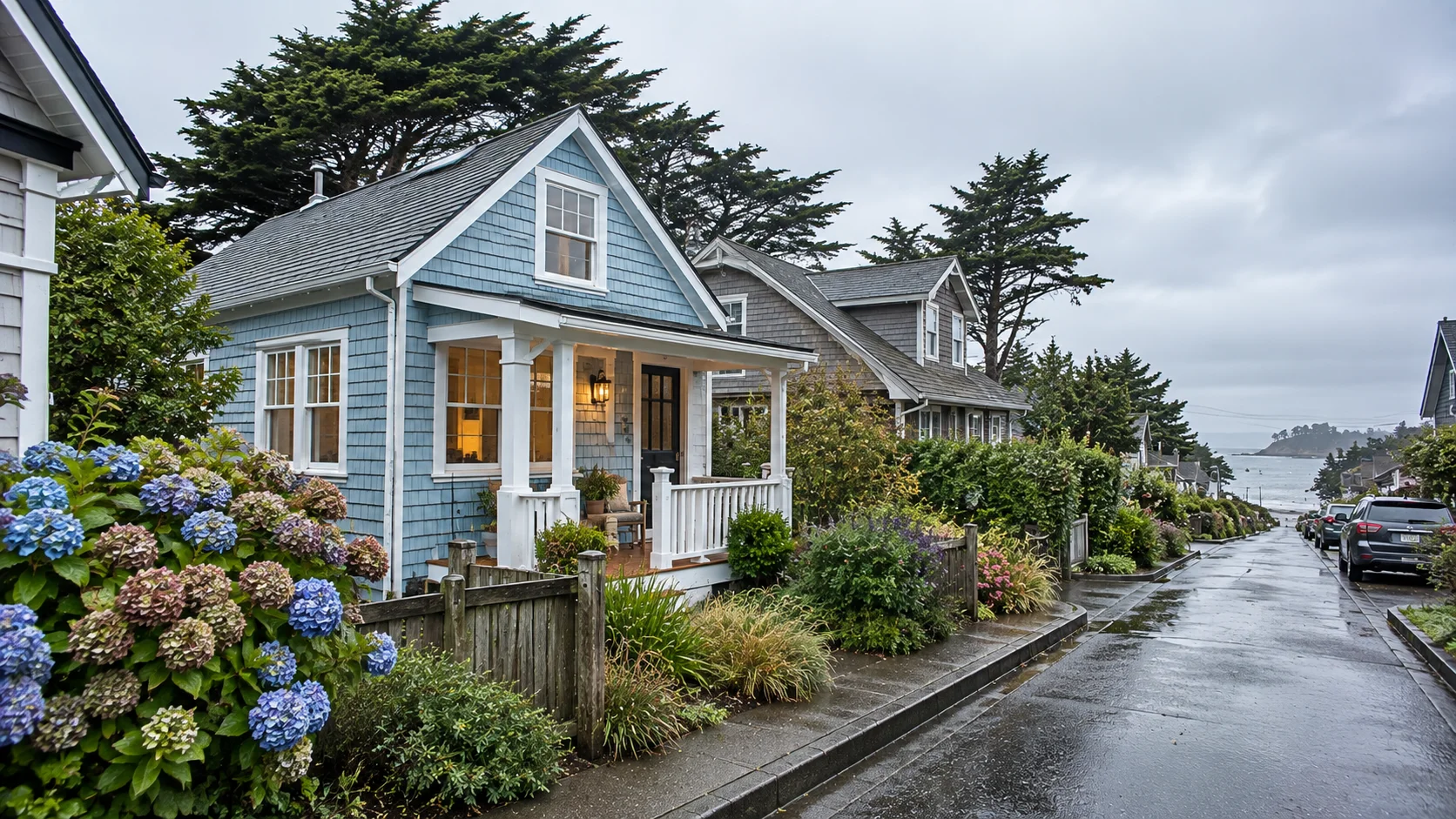
Yes. Tiny houses are legal in Oregon.
However, the rules depend on how the home is built and how you plan to use it.
Oregon previously had a separate Small Home Specialty Code. That code was effective through December 31, 2025. Starting January 1, 2026, small-home provisions moved into the Oregon Residential Specialty Code.
This is an important change for anyone reading older tiny house guides.
State building rules are only one part of the process. Cities and counties can still control where residential structures are allowed through zoning and land-use rules.
What Is a Small Home in Oregon?
Oregon has historically defined a small home as a single-family residence with no more than 400 square feet of floor area.
Before 2026, these homes were required to follow specific standards based on the 2018 International Residential Code and Appendix Q.
From January 1, 2026, Oregon moved small-home construction provisions into its residential code system. The state also added provisions dealing with sleeping lofts and their means of egress.
This matters because many tiny homes use loft bedrooms, compact stairs, or ladders.
Tiny Houses on Permanent Foundations
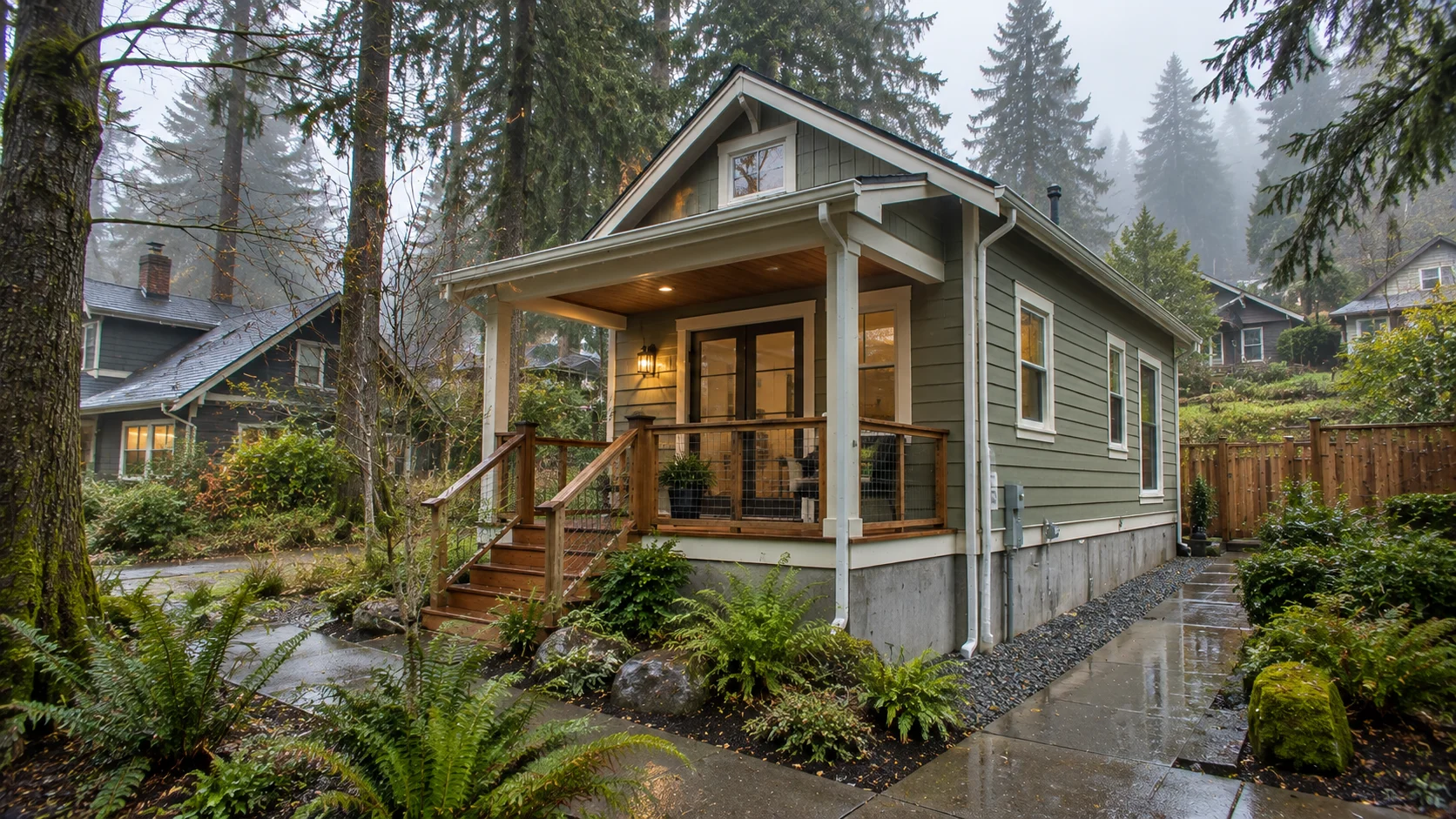
A tiny house on a permanent foundation generally has the clearest path toward use as a normal residence.
The house must meet applicable residential construction requirements.
You may need permits for the foundation, electrical work, plumbing, water, sewer or septic system, and other parts of the project.
The property must also allow residential development.
A perfectly code-compliant tiny house can still have a zoning problem if you put it on the wrong parcel. Bureaucracy remains remarkably capable of making a 300-square-foot house produce 3,000 square feet of questions.
Tiny Houses on Wheels in Oregon
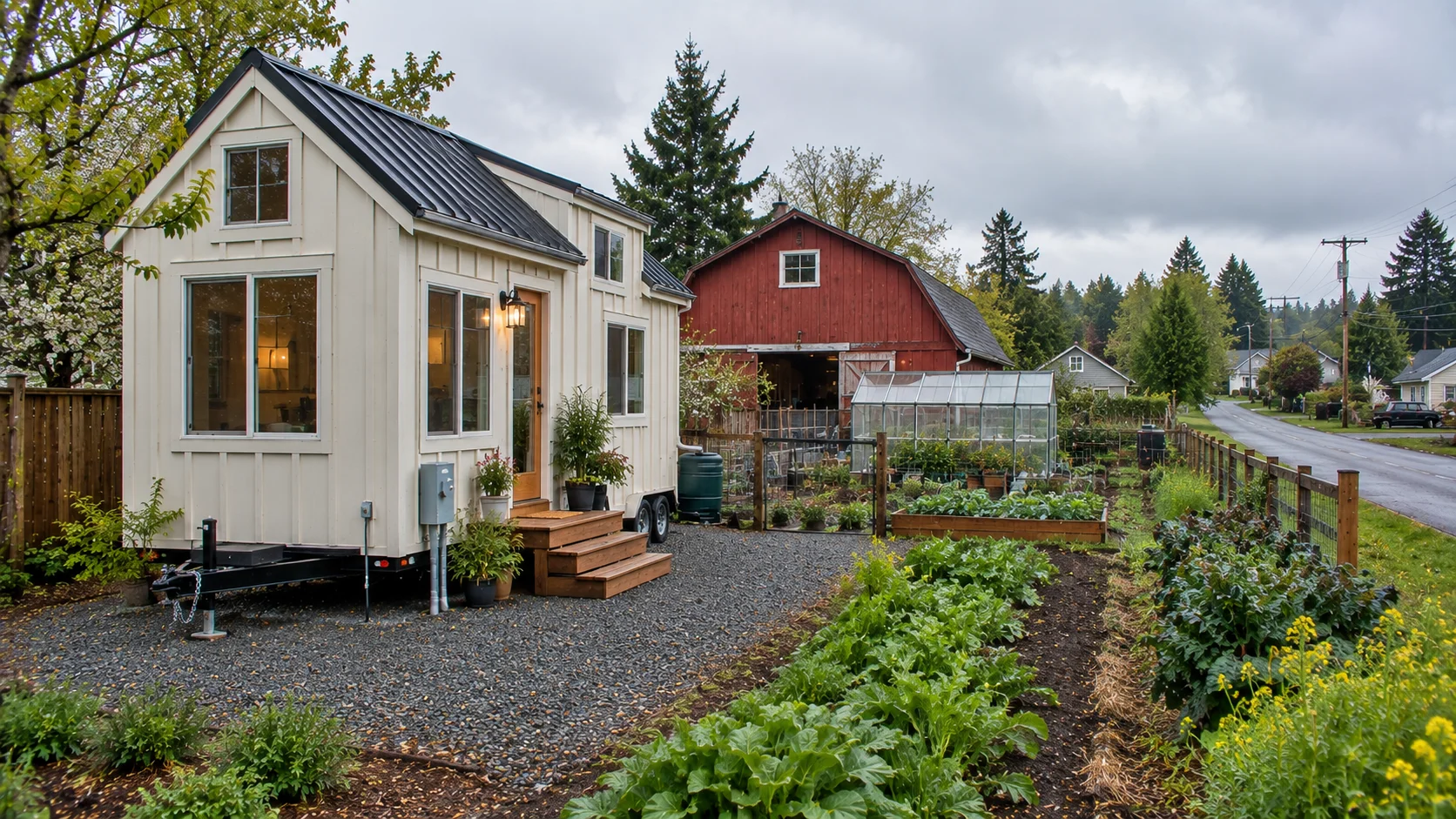
Tiny houses on wheels are more complicated.
Oregon DMV says manufactured tiny home trailers may be classified as travel trailers or park model recreational vehicles, depending on how they are built. They must meet the appropriate standards.
That classification can affect where and how the unit is used.
Oregon’s Building Codes Division also notes that tiny homes or tiny homes on wheels used as temporary dwellings can fall under local municipal rules.
Do not assume that registration as a trailer gives you permission to live in it full time on private land.
Local zoning rules can restrict permanent residential use of RV-type structures.
Can a Tiny House Be an ADU in Oregon?
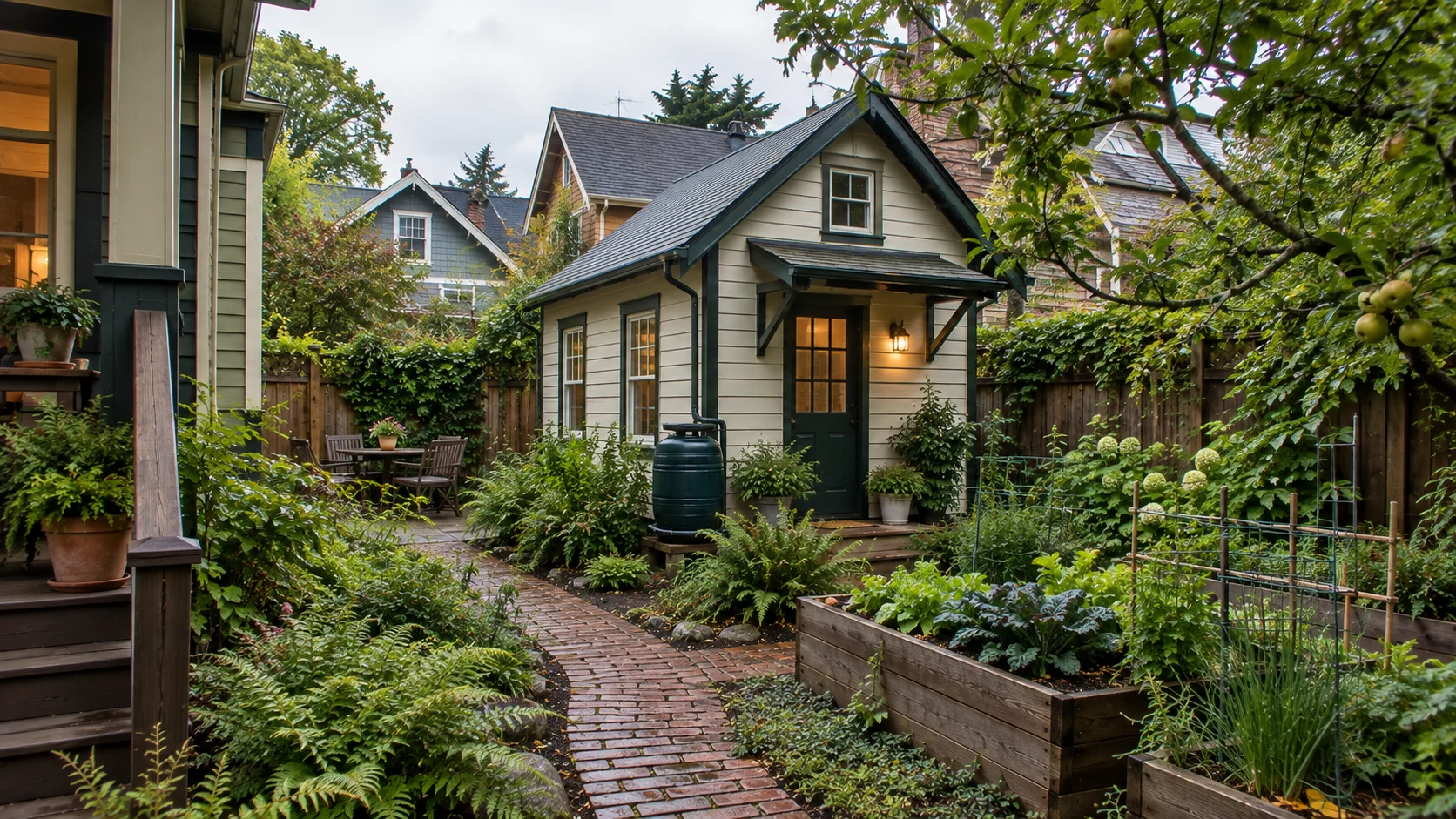
Yes, this can be possible.
An accessory dwelling unit, or ADU, is a separate residential unit located on the same property as a primary home.
Oregon requires certain cities and counties to allow ADUs in areas zoned for detached single-family housing. Local governments can still apply reasonable rules related to siting and design.
A detached tiny house may therefore work well as an ADU if it meets local zoning and building requirements.
Check rules for setbacks, height, lot coverage, utilities, and placement.
Do You Need a Permit?
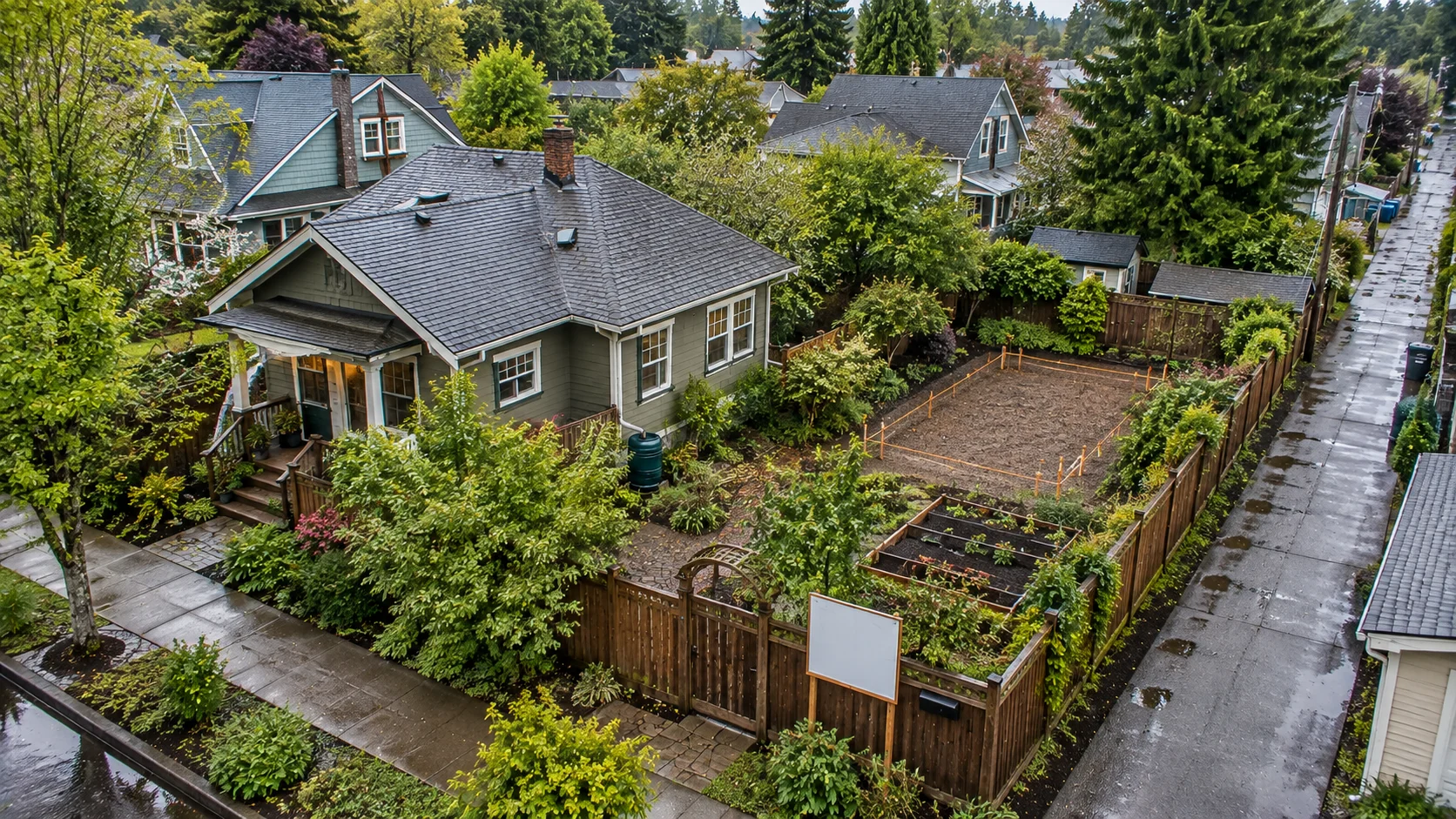
For a permanent residential tiny house, expect permits and inspections.
The exact permits depend on the project and location.
They may include:
- Building permit
- Foundation approval
- Electrical permit
- Plumbing permit
- Sewer or septic approval
- Mechanical permit
- Zoning or land-use approval
Oregon currently uses the 2023 Oregon Residential Specialty Code, based on the 2021 IRC. A new 2026 ORSC is scheduled for adoption on October 1, 2026, so projects later in the year should verify which code applies when permits are submitted.
Where Can You Put a Tiny House in Oregon?

The answer depends heavily on the city or county.
Before buying land, contact the local planning and building departments.
Ask whether the property allows a tiny house as a primary residence, whether a detached tiny house can be an ADU, and whether full-time occupancy of a tiny house on wheels is permitted.
Also check minimum setbacks, utility requirements, septic rules, and required permits.
Do this before buying the house.
Final Thoughts
Oregon is one of the more interesting states for tiny homes, but 2026 brings important building-code changes.
Small-home provisions moved into Oregon’s residential code system on January 1, 2026. Another residential code update is planned for October 2026.
Tiny houses on permanent foundations usually offer a simpler route to legal residential use. Tiny houses on wheels require more attention to vehicle classification and local occupancy rules.
The safest order is simple: check the property, confirm zoning, confirm permits, and only then choose the tiny house.