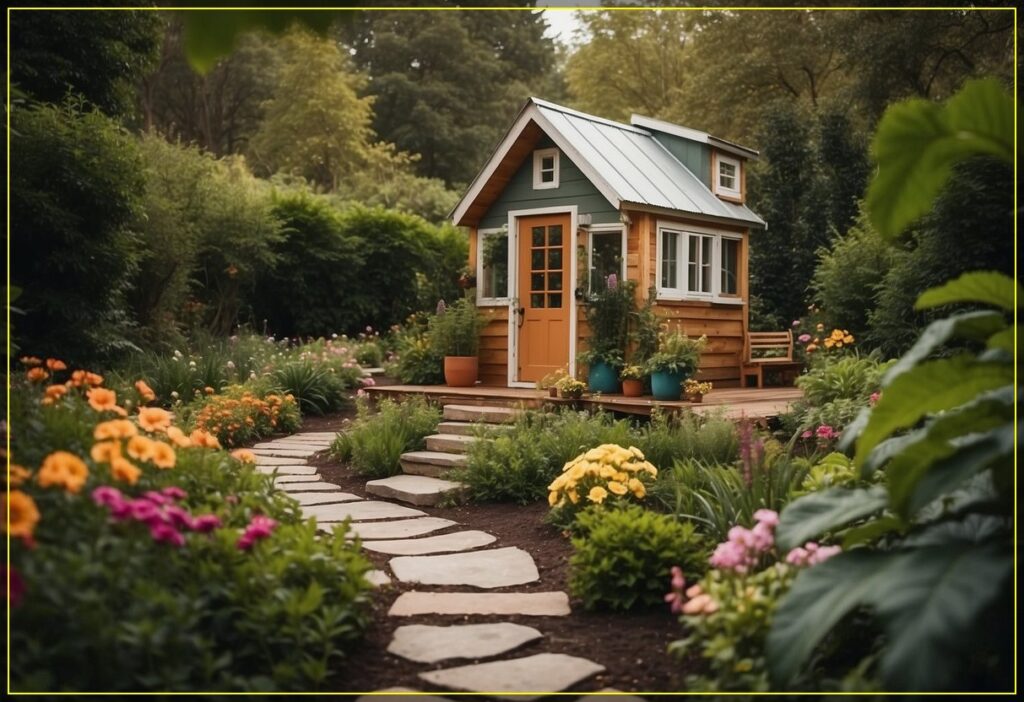
Tiny House Laws in New Mexico: 2026 Guide
Tiny house living can be a good option in New Mexico. The state has rural land, small towns, and established rules for small homes.
However, you still need to follow building and property rules.
Tiny house laws in New Mexico depend on the home’s design, foundation, location, and legal classification.
Are Tiny Houses Legal in New Mexico?
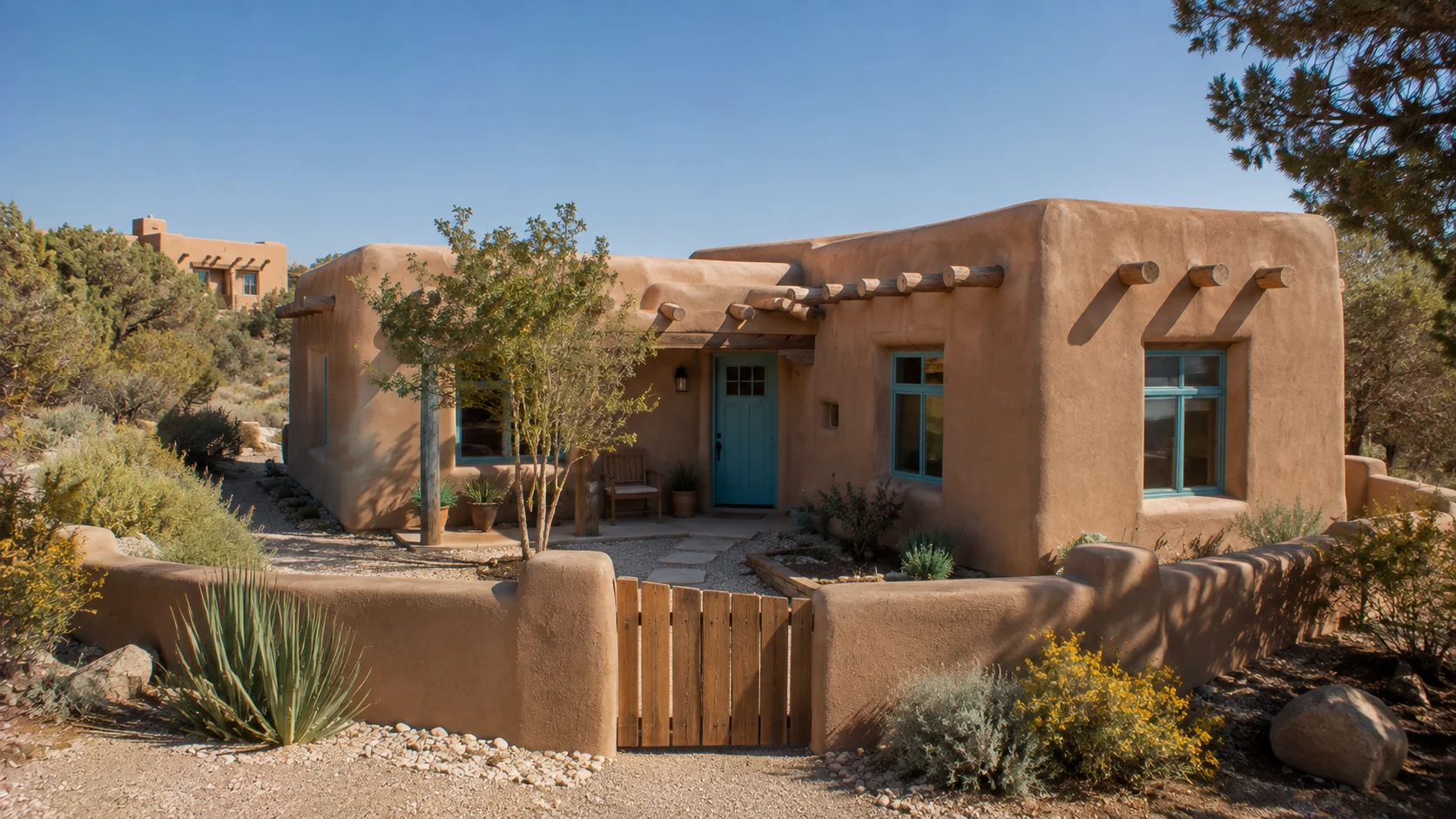
Yes. New Mexico recognizes tiny houses in its building rules.
The state defines a tiny house as a dwelling with 400 square feet or less of floor area, excluding lofts. Recreational vehicles do not count as tiny houses under this definition.
New Mexico currently lists the 2021 New Mexico Residential Building Code among its adopted building codes.
This gives permanent tiny houses a clearer legal framework than they have in many states.
Do You Need a Permit for a Tiny House?
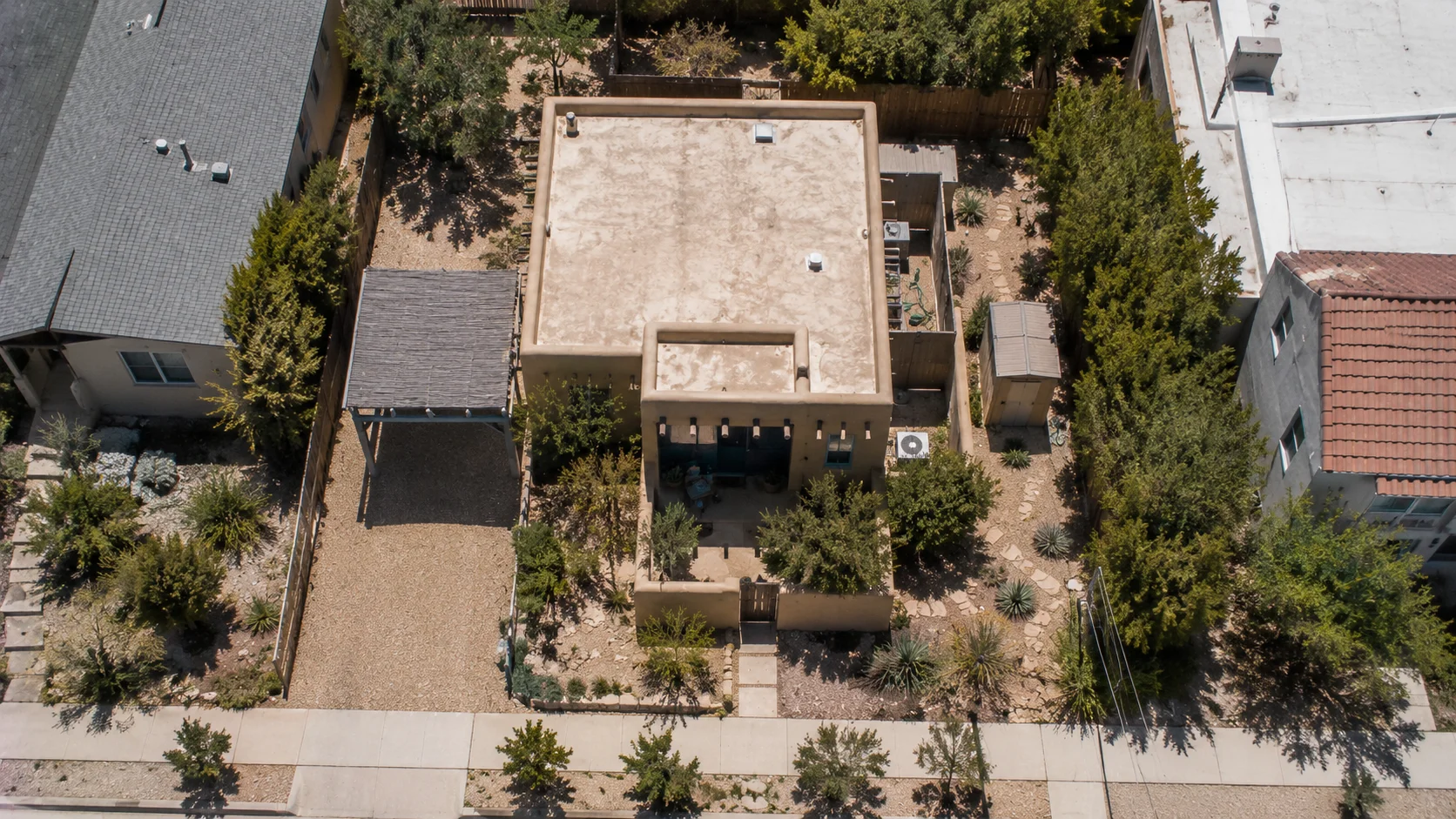
A residential tiny house generally needs to meet the building and inspection requirements that apply to the project.
You should check:
- Building permits
- Local zoning and land-use rules
- Setbacks
- Foundation requirements
- Electrical and plumbing systems
- Water supply
- Septic or sewer service
Local requirements still matter, so check the exact property before construction.
Tiny Houses on Permanent Foundations
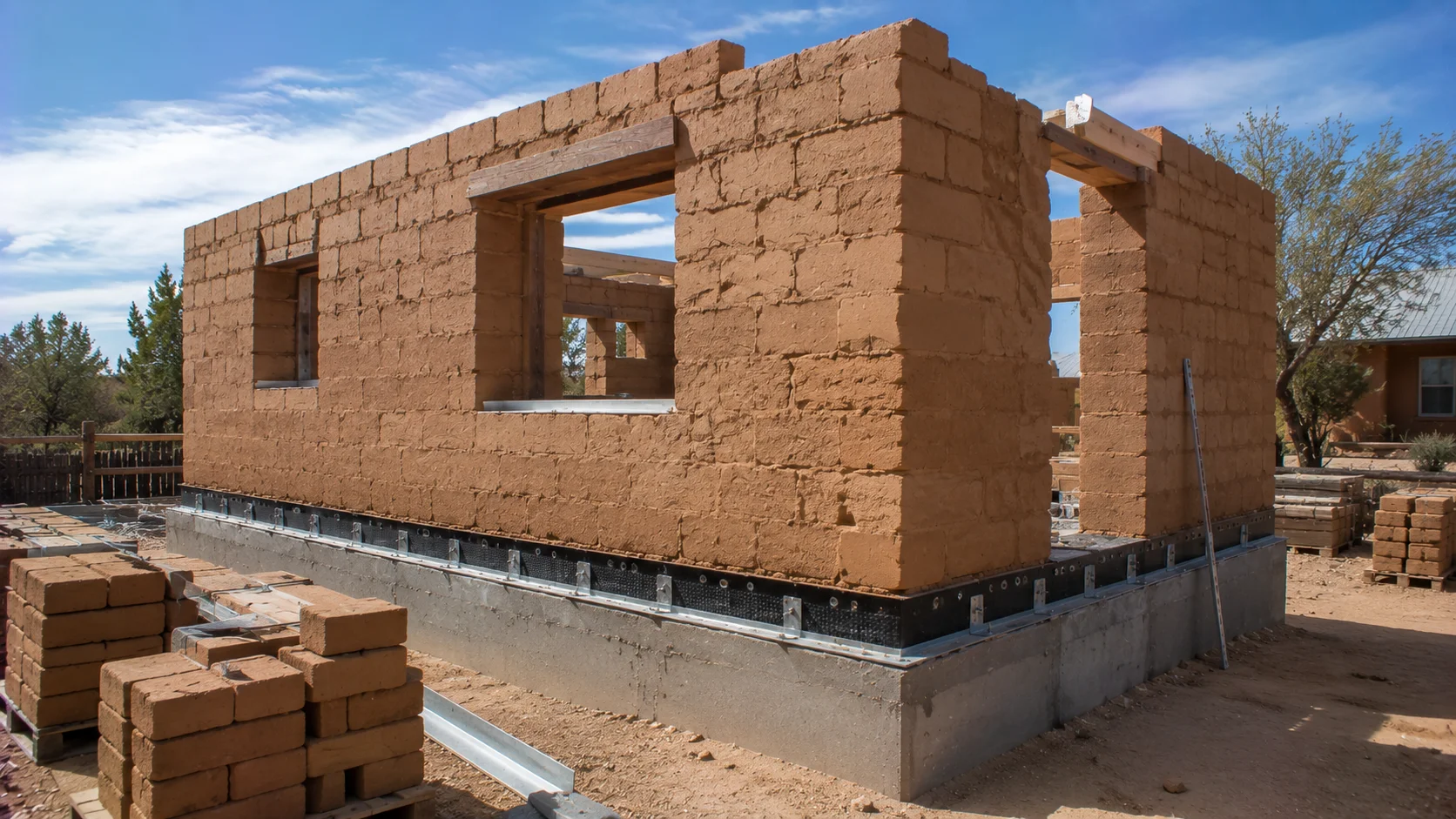
New Mexico’s residential code specifically addresses tiny houses on permanent foundations.
These homes must comply with the New Mexico Residential Building Code, including its tiny-house provisions.
Those provisions cover issues that become especially important in very small homes, including ceiling heights, lofts and access.
A permanent tiny house therefore cannot simply be a shed with a kitchen added to it. Humanity tried to make housing law slightly more complicated than that.
Tiny Houses on Wheels in New Mexico
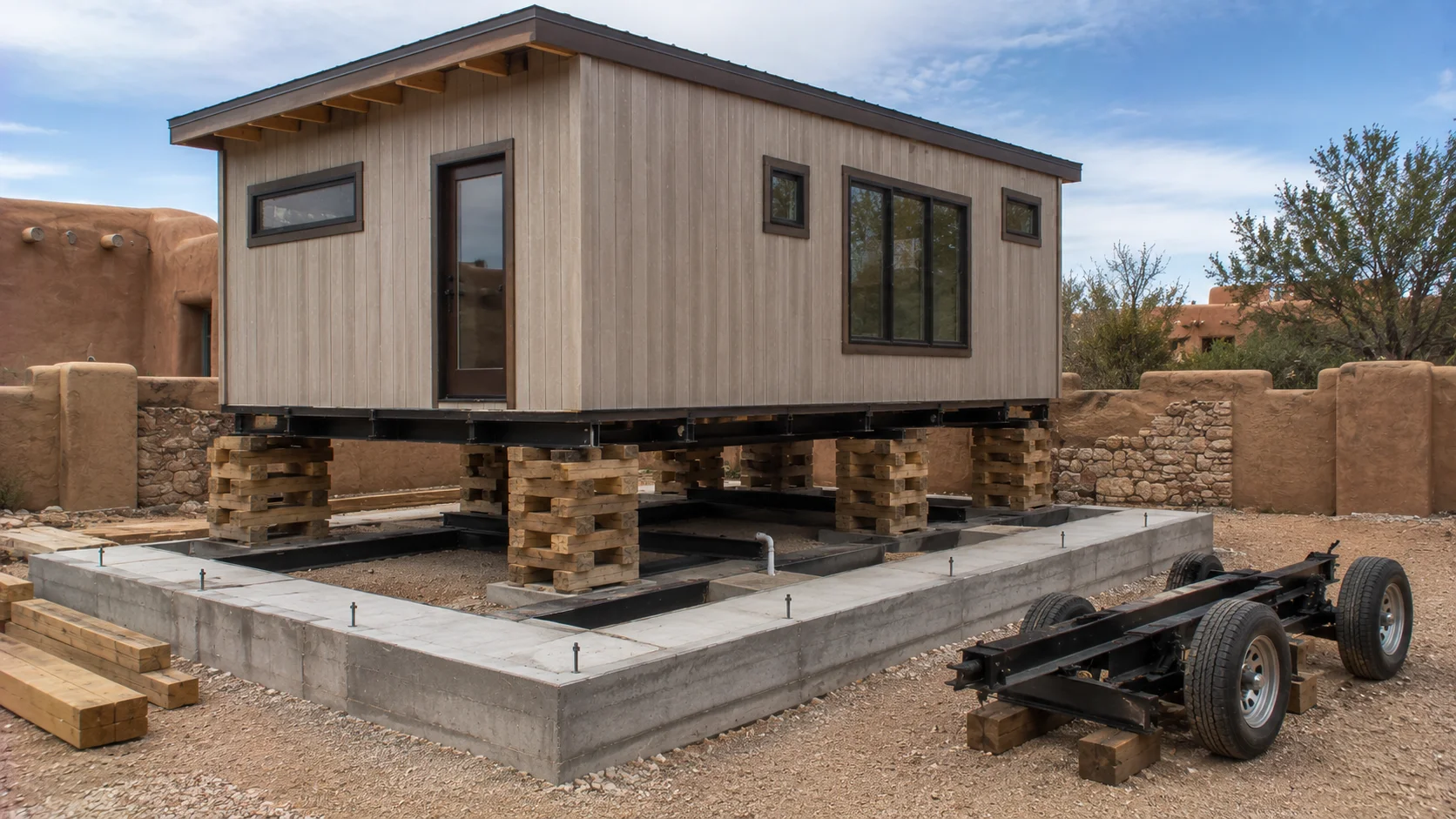
This is where New Mexico gets interesting.
Under the state’s tiny-house rules, a tiny house built on a chassis with its permanent axle still attached is considered a recreational vehicle. It must meet the applicable RV requirements and be licensed as an RV.
If you remove the axles and place the unit on a foundation, it must meet the code requirements for a tiny house on a permanent foundation.
That distinction matters if you want to live in the home full-time.
Modular and Manufactured Homes
Do not confuse tiny houses, modular homes, and manufactured homes.
New Mexico requires modular plans to go through code review. The plans must also include a recommended method for anchoring the structure to its foundation.
Manufactured homes operate under a separate state regulatory system. Even homeowners who want to install their own manufactured home or foundation must obtain the required permits and complete the state’s homeowner process.
Septic Rules for Rural Tiny Houses
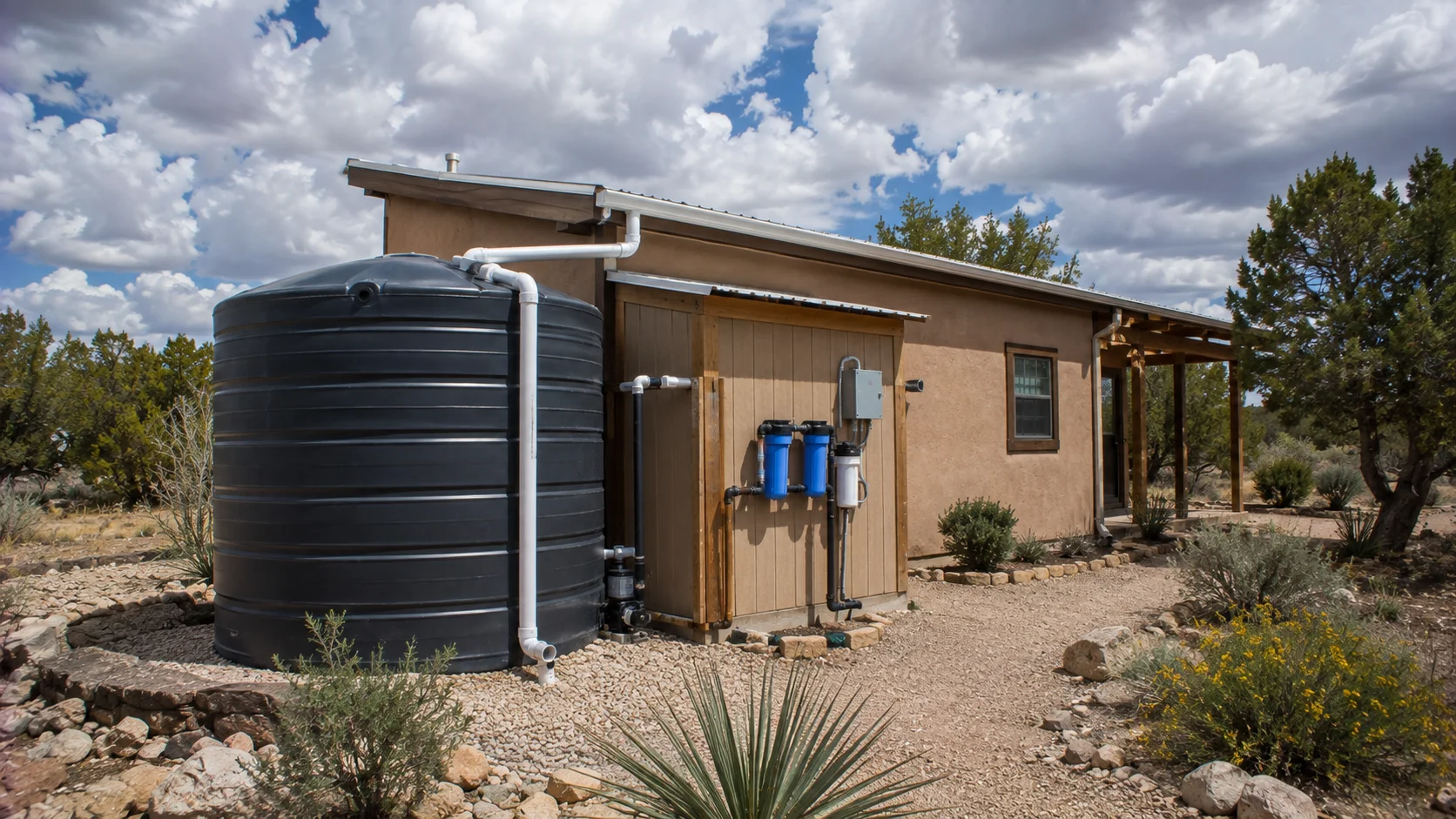
A rural property may need an on-site wastewater system.
New Mexico generally requires a permit before installing a new on-site liquid waste system or modifying an existing one. The rules also say a residential unit cannot be constructed or transported onto a lot that requires such a system until the required wastewater permit has been issued.
Permit applications consider details such as lot size, water supply, wastewater design and site conditions.
That makes septic feasibility something to investigate before buying rural land, not after the tiny house arrives on a trailer.
Can You Live Off-Grid?
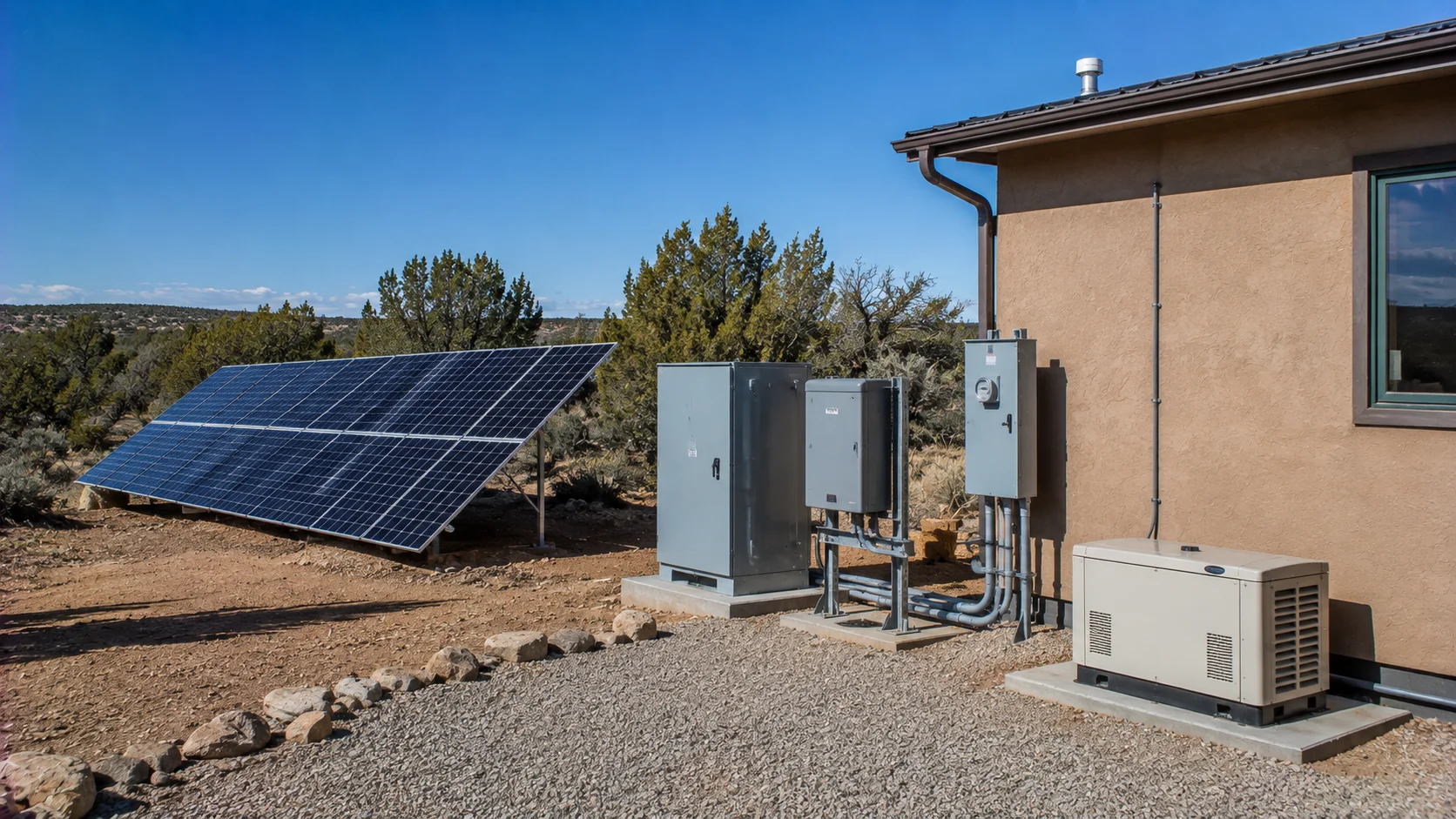
Off-grid living does not mean off-regulation.
A property may still need an approved wastewater solution, legal water supply, compliant electrical system and a home that meets applicable residential rules.
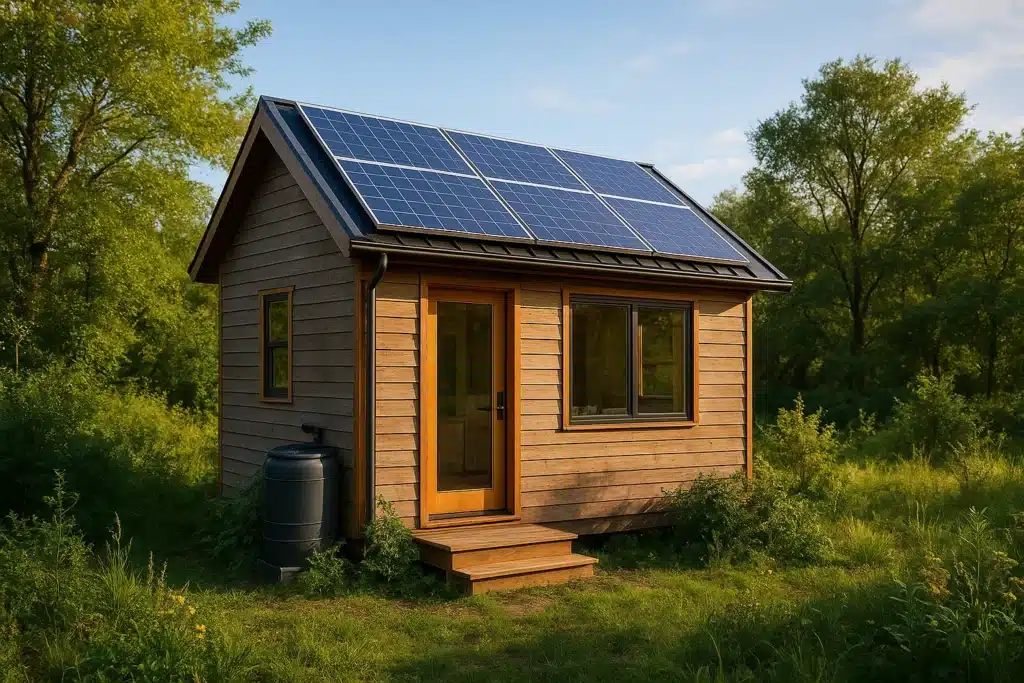
Solar panels and a water tank do not make building codes disappear.
Can You Live in a Tiny House Full-Time?
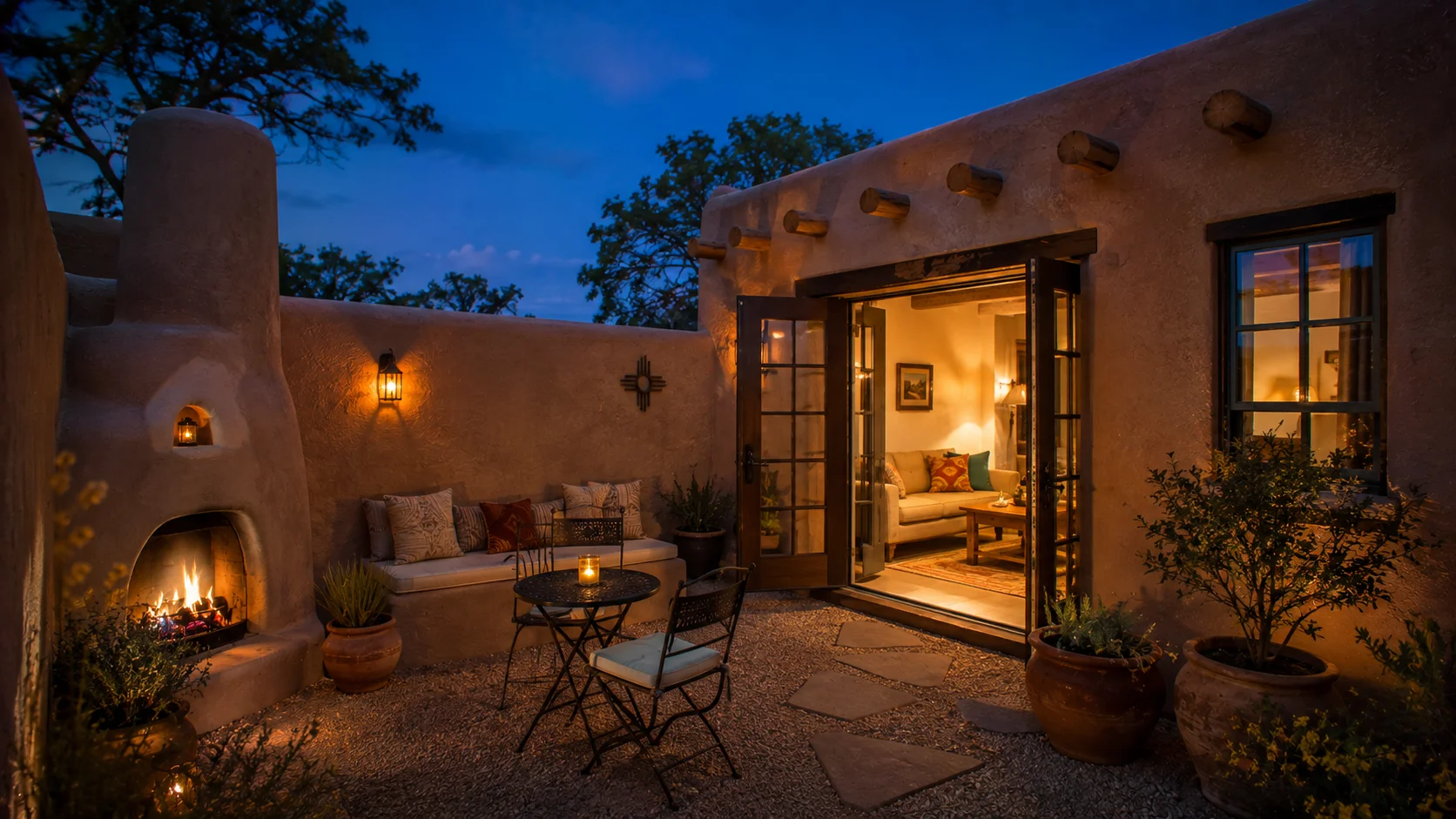
Yes, full-time tiny house living can be possible in New Mexico.
For the clearest route, use a legally recognized residential structure and confirm that the property allows residential use.
For a home on wheels, pay close attention to the RV classification and local rules governing where an RV can be occupied.
Final Thoughts
New Mexico has one major advantage for tiny-house owners: its building rules specifically recognize tiny houses.
But that does not make every property suitable.
Check zoning, permits, foundation requirements, water and wastewater before buying land or ordering a home. For a THOW, determine whether the unit will remain an RV or eventually become a code-compliant permanent dwelling.
This article provides general information and is not legal advice.