Tiny House Laws in Texas (2026): Everything You Need to Know
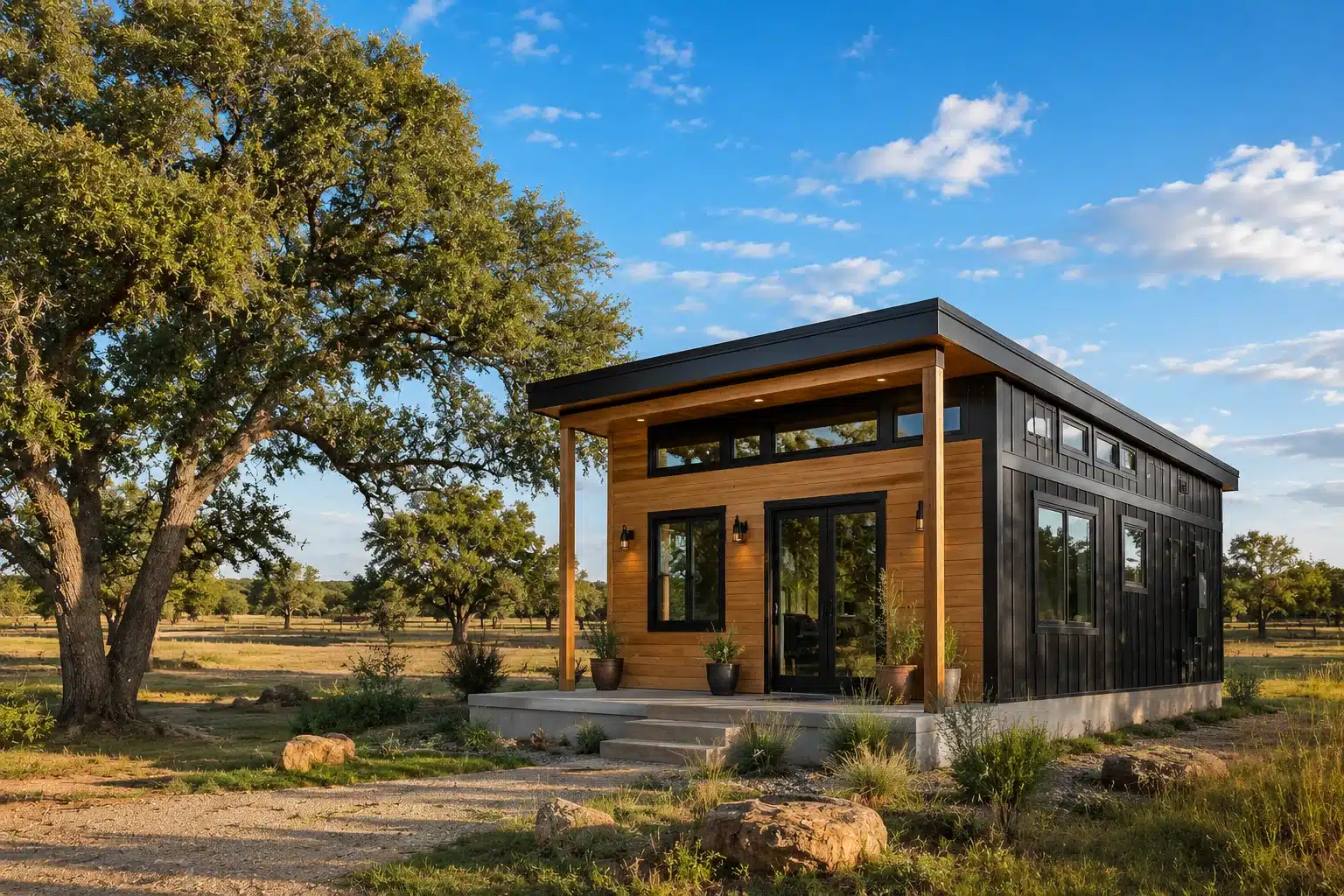
Texas has become one of the most popular states for tiny house living. Affordable land, lower taxes than many other states, and a growing interest in minimalist lifestyles make it an attractive place for people looking to downsize.
However, many people ask the same question:
Are tiny houses legal in Texas?
The short answer is yes, but the rules are not the same everywhere.
Texas does not have one statewide law that regulates all tiny houses. Instead, cities and counties establish their own zoning ordinances, building requirements, and land-use regulations. This means a tiny house that is perfectly legal in one county may not be allowed in another.
Whether you are planning to build a tiny house on a permanent foundation, purchase a tiny house on wheels, or place one on your own land, understanding local regulations is essential before investing your money.
In this guide, you’ll learn everything about Texas tiny house laws, including building codes, zoning rules, permits, parking regulations, and the best places to live in a tiny house.
Are Tiny Houses Legal in Texas?
Yes.
Tiny houses are generally legal throughout Texas, but their legality depends on several important factors:
- The city or county where the house will be located
- Local zoning regulations
- Whether the tiny house is built on a permanent foundation or on wheels
- Compliance with applicable building codes
- Utility and sanitation requirements
Many rural counties are much more flexible than larger cities, making them popular choices for tiny house owners.
For example, some communities welcome tiny homes as permanent residences, while others only allow them as accessory dwelling units (ADUs), guest houses, or recreational vehicles.
Because zoning rules vary from one municipality to another, property owners should always contact the local planning or building department before purchasing land or constructing a tiny home.
Tiny House Building Codes in Texas
One of the biggest misconceptions is that tiny houses are “unregulated.”
In reality, most permanent tiny houses must comply with building standards that are designed to ensure safety, structural integrity, and proper living conditions.
Texas municipalities commonly use versions of the International Residential Code (IRC) as the basis for residential construction.
Many jurisdictions have also adopted Appendix Q, a section of the IRC specifically created for tiny houses.
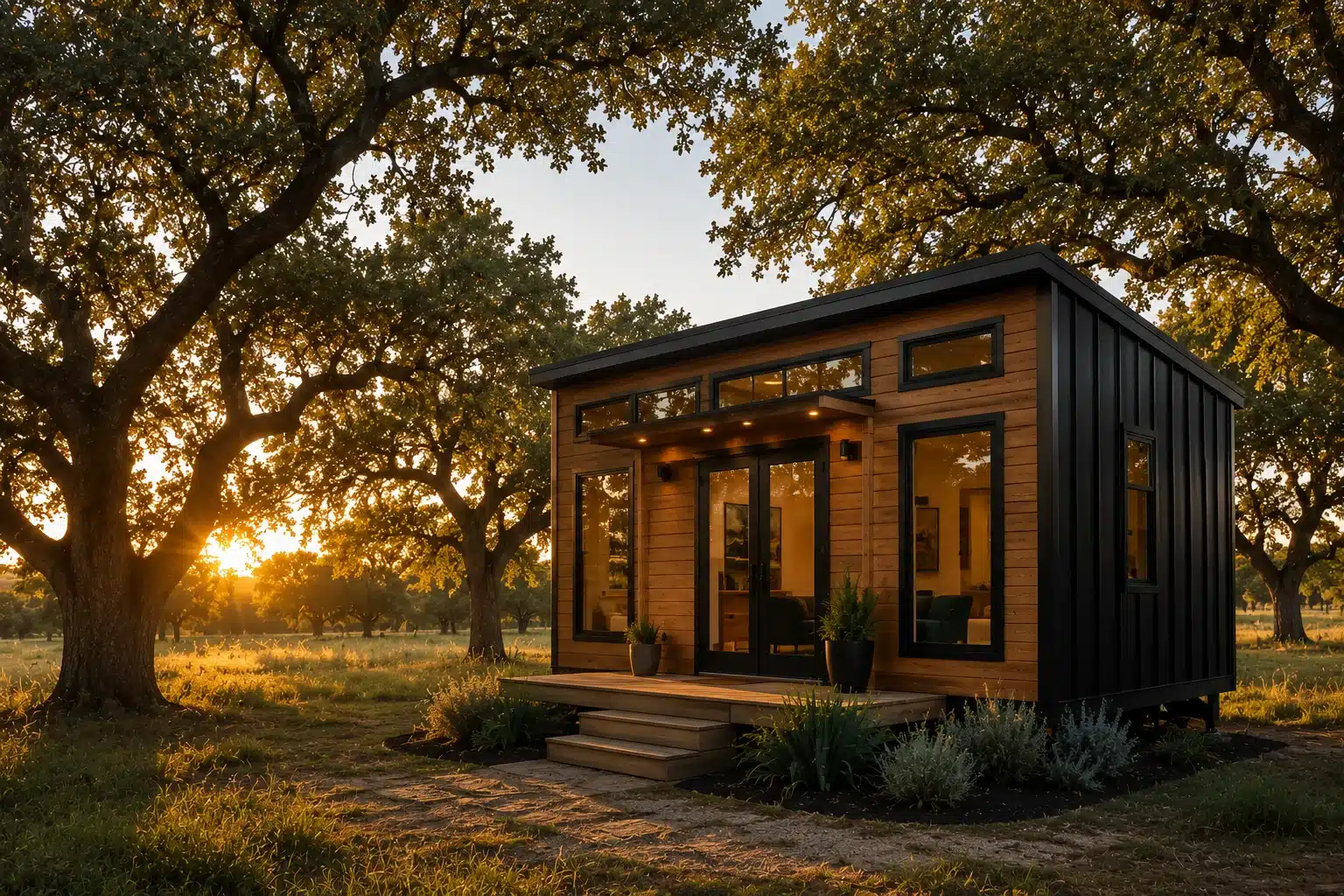
Appendix Q provides building standards for homes that are smaller than traditional houses while allowing practical features such as:
- Loft sleeping areas
- Smaller staircases
- Alternating tread stairs
- Reduced ceiling heights in certain spaces
- Compact room dimensions
These provisions make it possible to build safe tiny homes without requiring the same dimensions as conventional houses.
However, not every Texas city has adopted Appendix Q. Always verify the local building code before beginning construction.
Do You Need a Building Permit?
In most situations, yes.
If you’re constructing a tiny house on a permanent foundation, you will usually need permits before construction begins.
Typical permits may include:
- Building permit
- Electrical permit
- Plumbing permit
- Mechanical permit
- Septic permit (if not connected to city sewer)
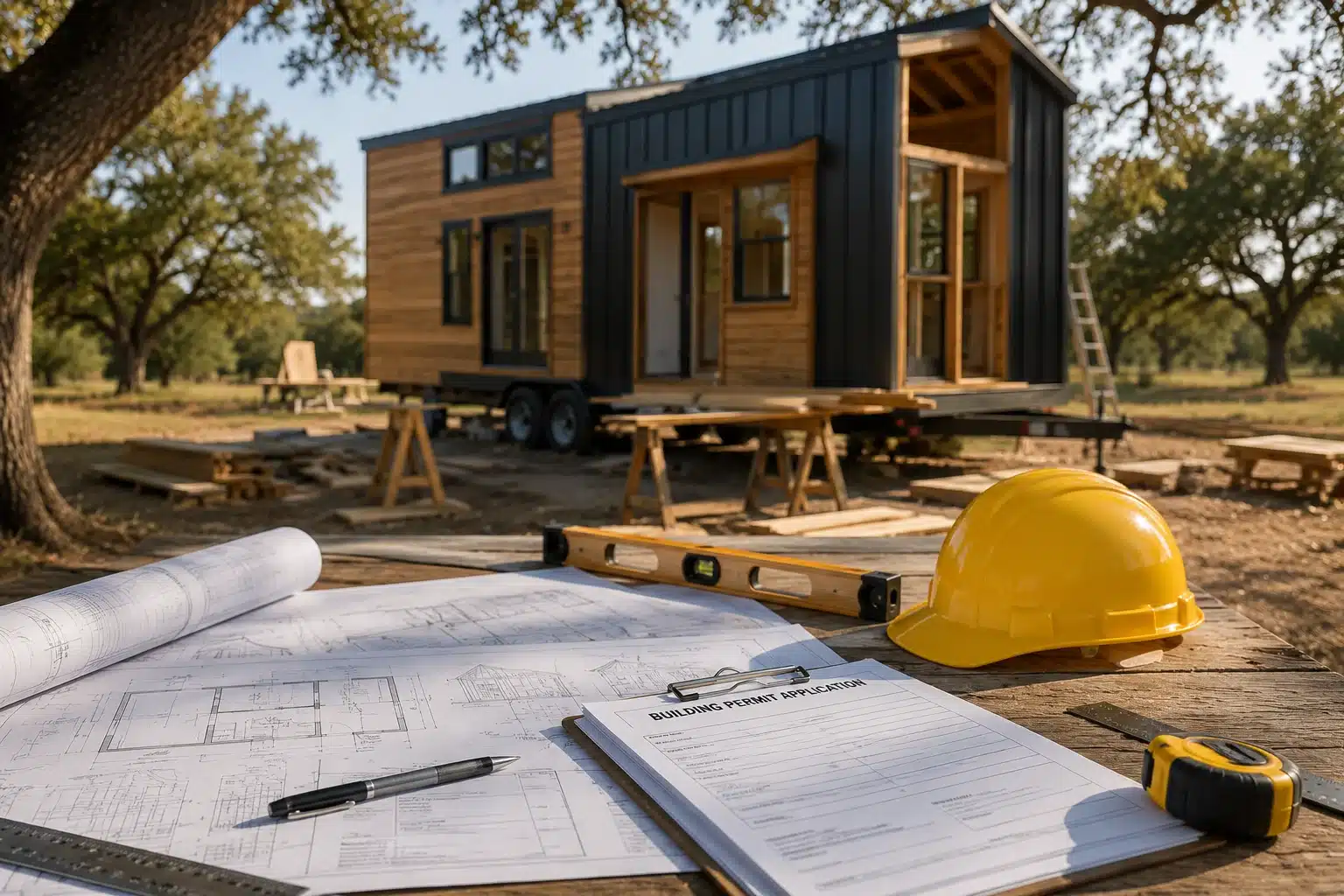
The permitting process may require construction plans, engineering documents, inspections, and compliance with local building regulations.
Skipping permits can lead to fines, delays, or even orders to remove non-compliant structures.
For this reason, obtaining permits before construction is strongly recommended.
Texas Zoning Laws for Tiny Houses
Zoning laws are one of the biggest challenges for tiny house owners in Texas. While the state generally supports private property rights, individual cities and counties have the authority to create their own zoning ordinances.
Because of this, there is no single set of zoning rules that applies across the entire state.
Before buying land or moving a tiny house, you should always check with the local planning or zoning department.
Residential Zoning
Many residential neighbourhoods require homes to meet minimum size requirements. Some cities only allow traditional single-family houses, while others permit tiny homes if they comply with local building codes.
In many areas, tiny houses on permanent foundations are easier to approve than tiny houses on wheels.
Rural Areas
Rural counties are often the most tiny house-friendly locations in Texas.
Property owners usually enjoy greater flexibility regarding:
- Home size
- Building placement
- Agricultural land
- Private wells
- Septic systems
However, even rural properties may have deed restrictions or homeowners association (HOA) rules that limit where a tiny house can be placed.
Homeowners Associations (HOAs)
Even if local government allows tiny houses, an HOA may prohibit them.
HOAs can regulate:
- Minimum home size
- Exterior appearance
- Parking
- Construction materials
- Long-term occupancy
Always review HOA rules before purchasing property.
Tiny Houses on Wheels (THOW)
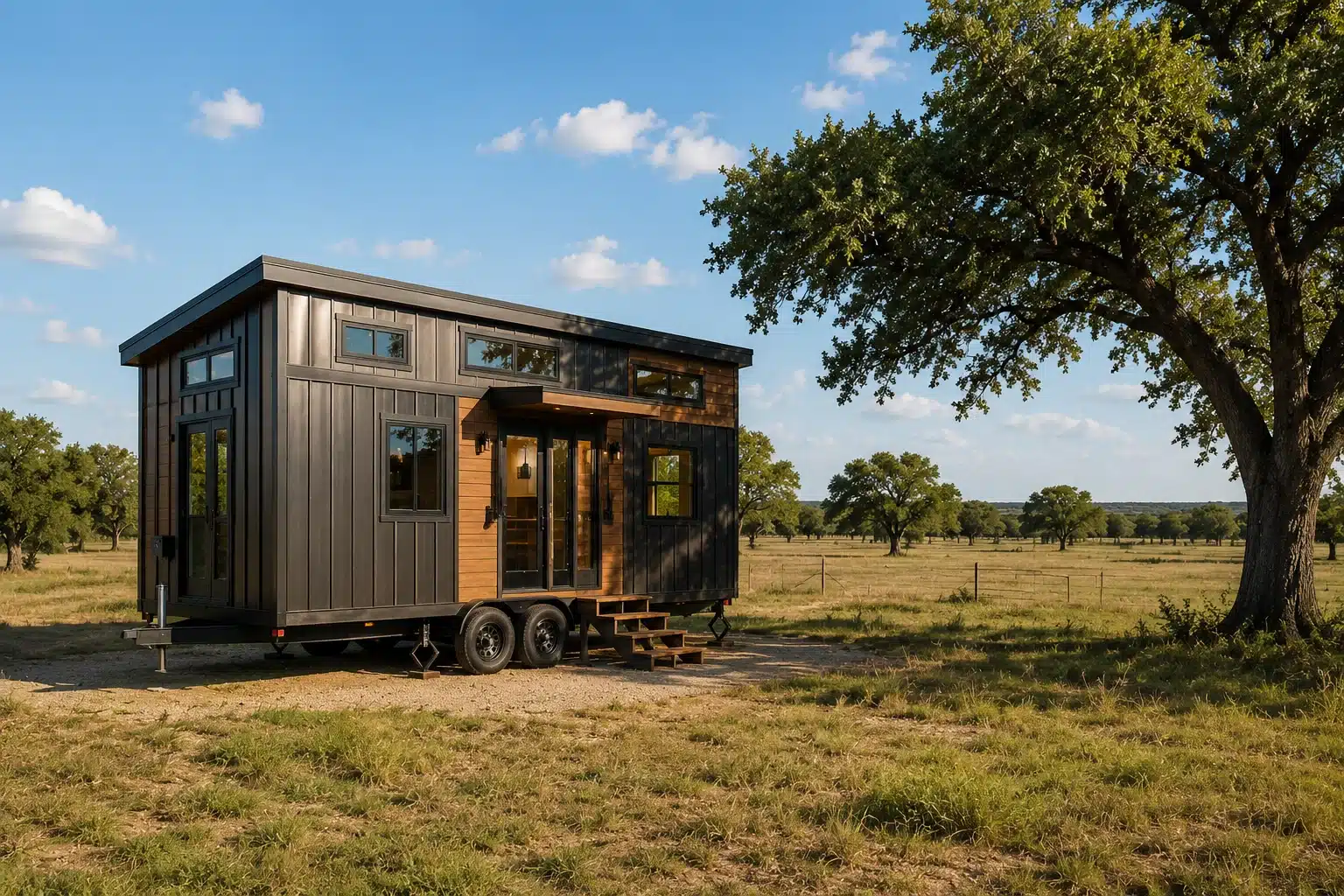
Tiny houses on wheels are becoming increasingly popular because they offer mobility and lower construction costs.
However, a THOW is usually not considered a traditional house under Texas law.
Instead, it may be treated similarly to a recreational vehicle (RV), depending on its construction and intended use.
Can You Live in a Tiny House on Wheels?
Yes, but there are important restrictions.
Many cities do not allow people to permanently live inside RVs on residential lots.
Some counties are much more flexible, especially rural communities.
Tiny house owners often choose:
- RV parks
- Tiny house communities
- Private rural land
- Campgrounds that allow long-term stays
Always verify local occupancy rules before moving into a THOW full-time.
Parking a Tiny House in Texas
One of the most common questions is:
Can I park a tiny house on my own land?
The answer depends on local regulations.
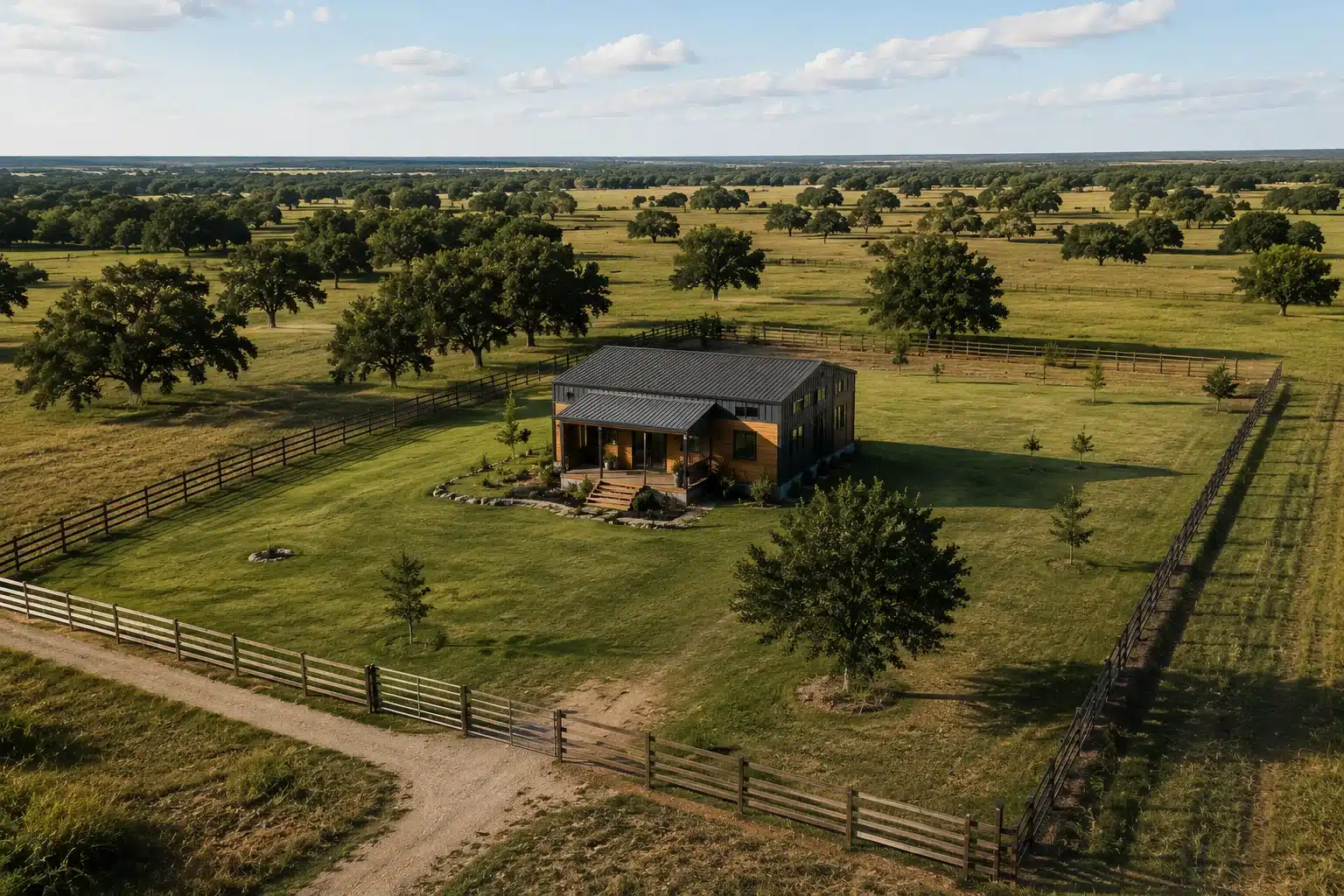
Some counties allow property owners to place a tiny house on private land with very few restrictions.
Others require:
- Building permits
- Utility connections
- Septic approval
- Permanent foundations
- Minimum setbacks from property lines
Urban areas generally have stricter rules than rural counties.
Minimum Size Requirements
Texas does not have a statewide minimum house size.
Instead, minimum floor area requirements are determined by local building codes and zoning ordinances.
Some municipalities require homes to exceed a certain square footage.
Others recognize the International Residential Code Appendix Q, which was specifically developed for tiny homes.
Under Appendix Q, homes smaller than traditional residences can still meet modern safety standards through alternative design requirements.
Utility Requirements
A legal tiny house should have access to basic utilities, including:
- Safe drinking water
- Electricity
- Wastewater disposal
- Heating
- Ventilation
If the home is located outside city limits, owners may need to install:
- Private well
- Septic system
- Solar power system
- Propane tanks
Each county may have different approval requirements for these systems.
Best Places in Texas for Tiny House Living
Several areas in Texas are known for being more welcoming to tiny house owners.
Spur
Spur is often referred to as one of the most tiny house-friendly towns in Texas. The community has actively welcomed tiny homes and attracts people looking for affordable living.
Lake Dallas
Lake Dallas has previously supported tiny home development and has attracted homeowners interested in alternative housing options.
Austin Area
Although Austin has stricter zoning regulations, some surrounding communities provide more flexibility for tiny house living.
Hill Country
The Texas Hill Country offers beautiful landscapes and many rural properties where tiny houses may be easier to establish than in major cities.
East Texas
Many rural counties in East Texas have fewer zoning restrictions, making them attractive for tiny house owners seeking larger lots and lower land prices.
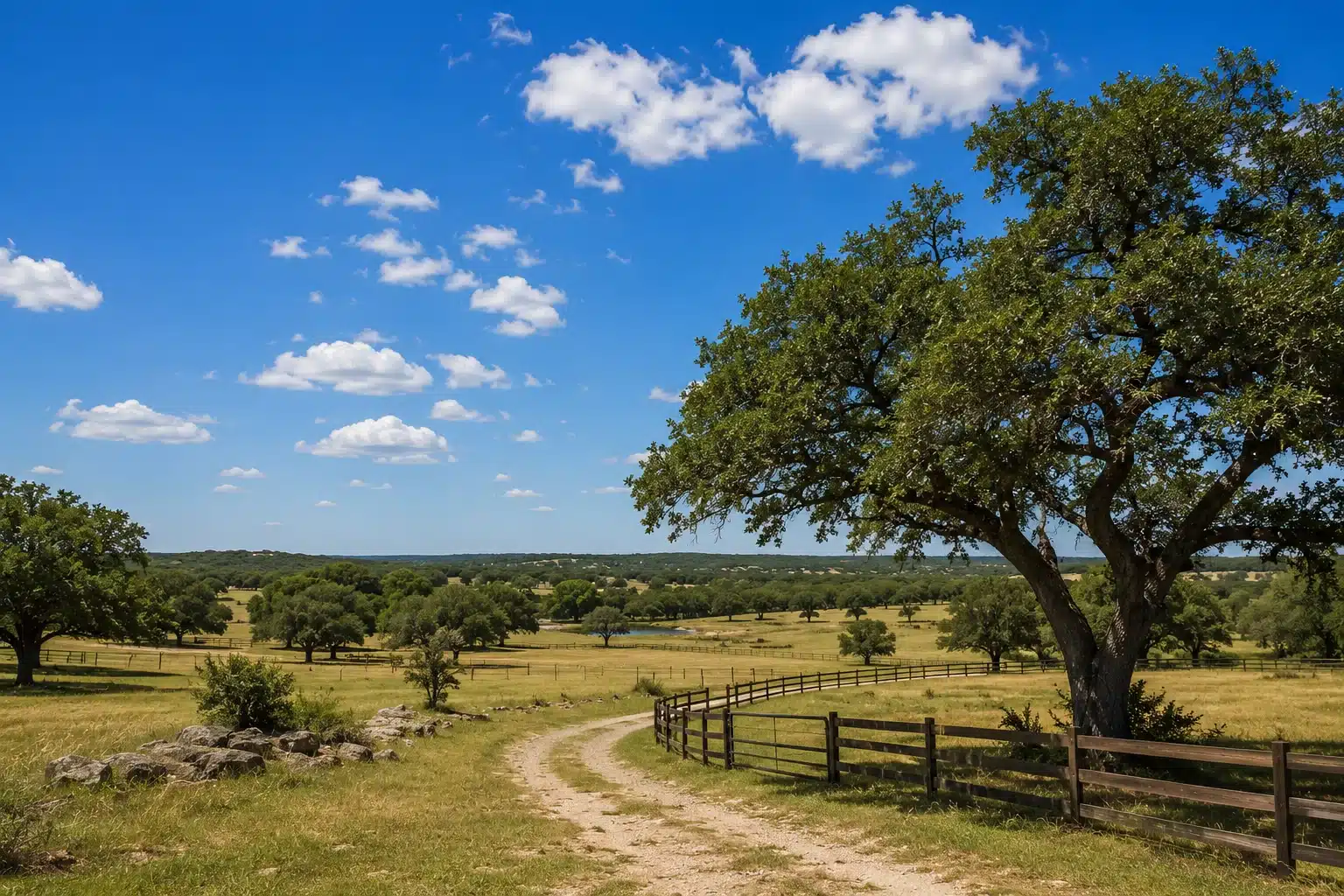
How Much Does It Cost to Build a Tiny House in Texas?
One of the biggest advantages of living in a tiny house is affordability. While prices vary depending on size, materials, and location, building a tiny house in Texas is generally less expensive than purchasing a traditional home.
Several factors influence the total cost, including land prices, utility connections, permits, and custom features.
Estimated Tiny House Costs in Texas
| Expense | Estimated Cost |
|---|---|
| Tiny House Construction | $40,000 – $120,000 |
| Land Purchase | $10,000 – $150,000+ |
| Foundation | $5,000 – $15,000 |
| Utility Connections | $3,000 – $15,000 |
| Septic System | $4,000 – $10,000 |
| Permits & Inspections | $500 – $5,000 |
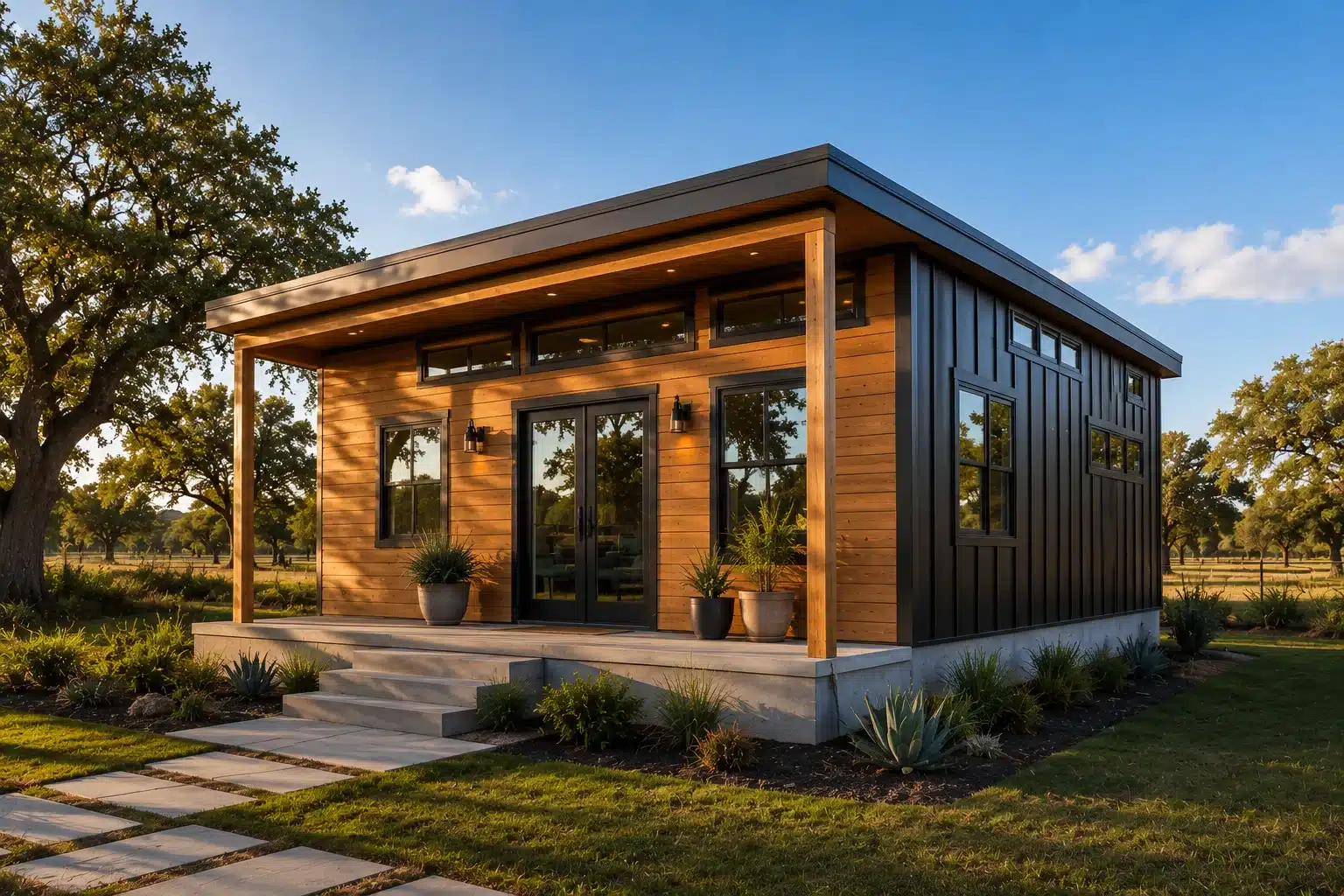
Building costs are usually lower in rural areas than in major cities like Austin or Dallas.
Advantages of Living in a Tiny House in Texas
Texas offers several benefits for tiny house owners.
Affordable Land
Many rural counties have reasonably priced land, making it easier to purchase property without taking on significant debt.
Mild Climate
Most parts of Texas experience relatively mild winters, reducing heating costs and making tiny house living more comfortable throughout the year.
Lower Property Taxes
Compared with many other U.S. states, Texas can be attractive for homeowners seeking lower overall housing expenses, although property taxes vary by county.
Growing Tiny House Communities
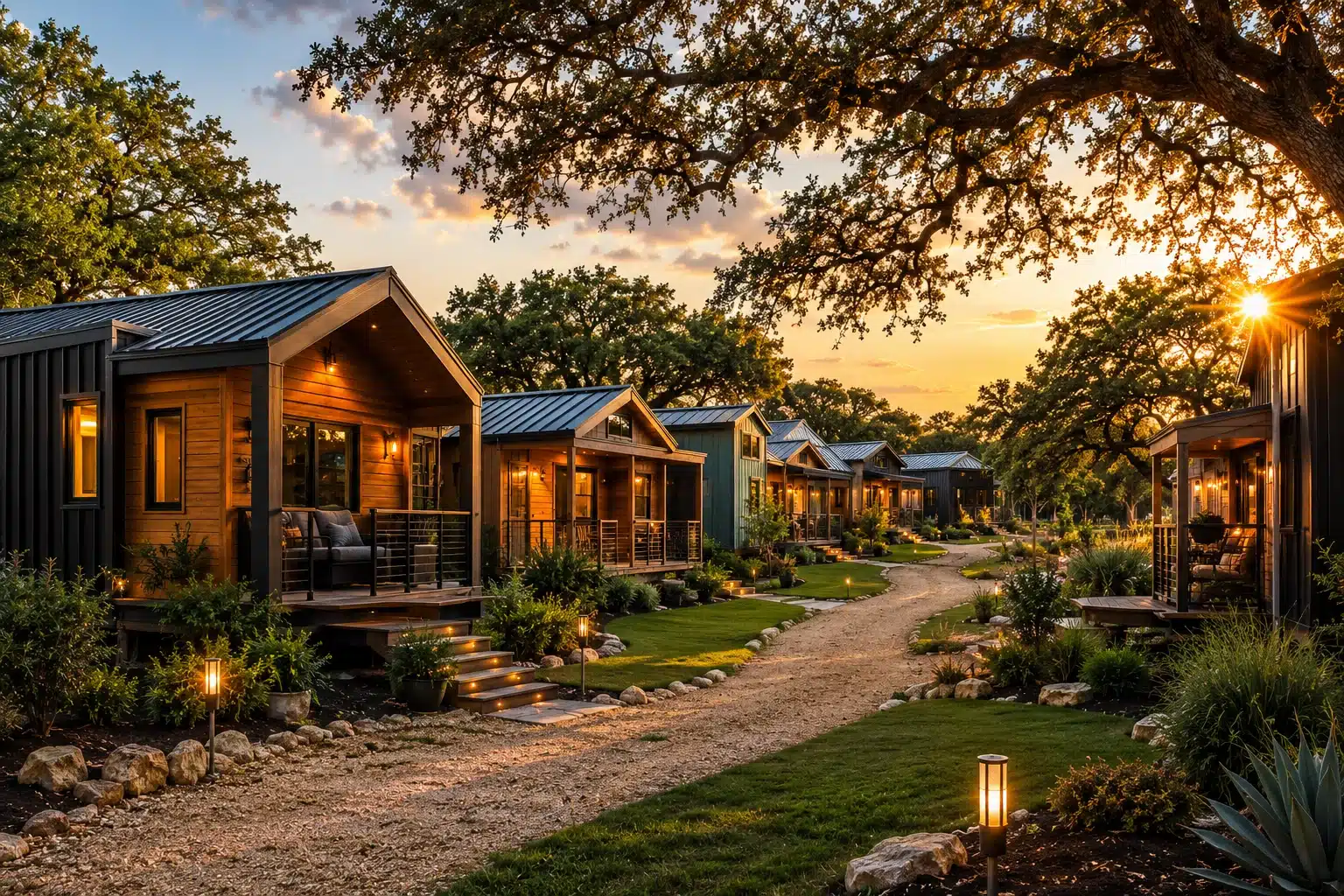
Tiny house communities continue to grow across Texas, giving homeowners more opportunities to find legal places to live and connect with like-minded people.
Challenges You Should Know
Although tiny house living offers many advantages, there are also challenges.
Zoning Restrictions
Every city has different zoning rules, and some municipalities still have strict regulations regarding tiny homes.
Utility Installation
Connecting water, electricity, and sewage systems may increase your overall project cost.
Financing
Some lenders do not finance tiny houses the same way they finance traditional homes, especially if the house is built on wheels.
Insurance
Finding insurance for a tiny house can sometimes require specialized providers.
Tips Before Buying Land
Before purchasing land for your tiny house, make sure you:
- Contact the local planning department.
- Verify zoning regulations.
- Check minimum home size requirements.
- Confirm utility availability.
- Ask whether tiny houses on wheels are permitted.
- Review HOA restrictions.
- Verify access to public roads.
- Check flood zone information.
Doing proper research before purchasing land can save thousands of dollars and prevent legal issues later.
Frequently Asked Questions
Are tiny houses legal in Texas?
Yes. Tiny houses are generally legal in Texas, but local zoning ordinances and building regulations vary by city and county.
Can I put a tiny house on my own land?
In many cases, yes. However, local zoning laws, permit requirements, and utility regulations must be followed.
Do tiny houses need building permits?
If the tiny house is built on a permanent foundation, permits are usually required before construction begins.
Are tiny houses on wheels legal?
Yes, but they are often regulated differently from permanent homes and may be treated similarly to recreational vehicles.
What is the minimum size for a tiny house?
Texas does not establish a state wide minimum house size. Local governments determine their own requirements.
Can I permanently live in a tiny house on wheels?
Some counties allow it, while others restrict permanent occupancy. Always verify local regulations before moving into a THOW.
Is Texas a good state for tiny house living?
Yes. Texas remains one of the most popular states for tiny house enthusiasts because of affordable land, flexible rural regulations, and a growing number of tiny house communities.
Final Thoughts
Texas continues to be one of the best states for tiny house living, offering affordable land, expanding tiny house communities, and increasing acceptance of alternative housing options. However, understanding local zoning regulations, building codes, and permit requirements is essential before starting your project.
Whether you plan to build a tiny house on a permanent foundation or purchase a tiny house on wheels, taking the time to research local rules can help you avoid costly mistakes and ensure your home complies with all applicable regulations.
As interest in tiny living continues to grow, Texas is likely to remain a leading destination for homeowners seeking a simpler, more affordable lifestyle.