Tiny House Laws in Florida (2026): Everything You Need to Know
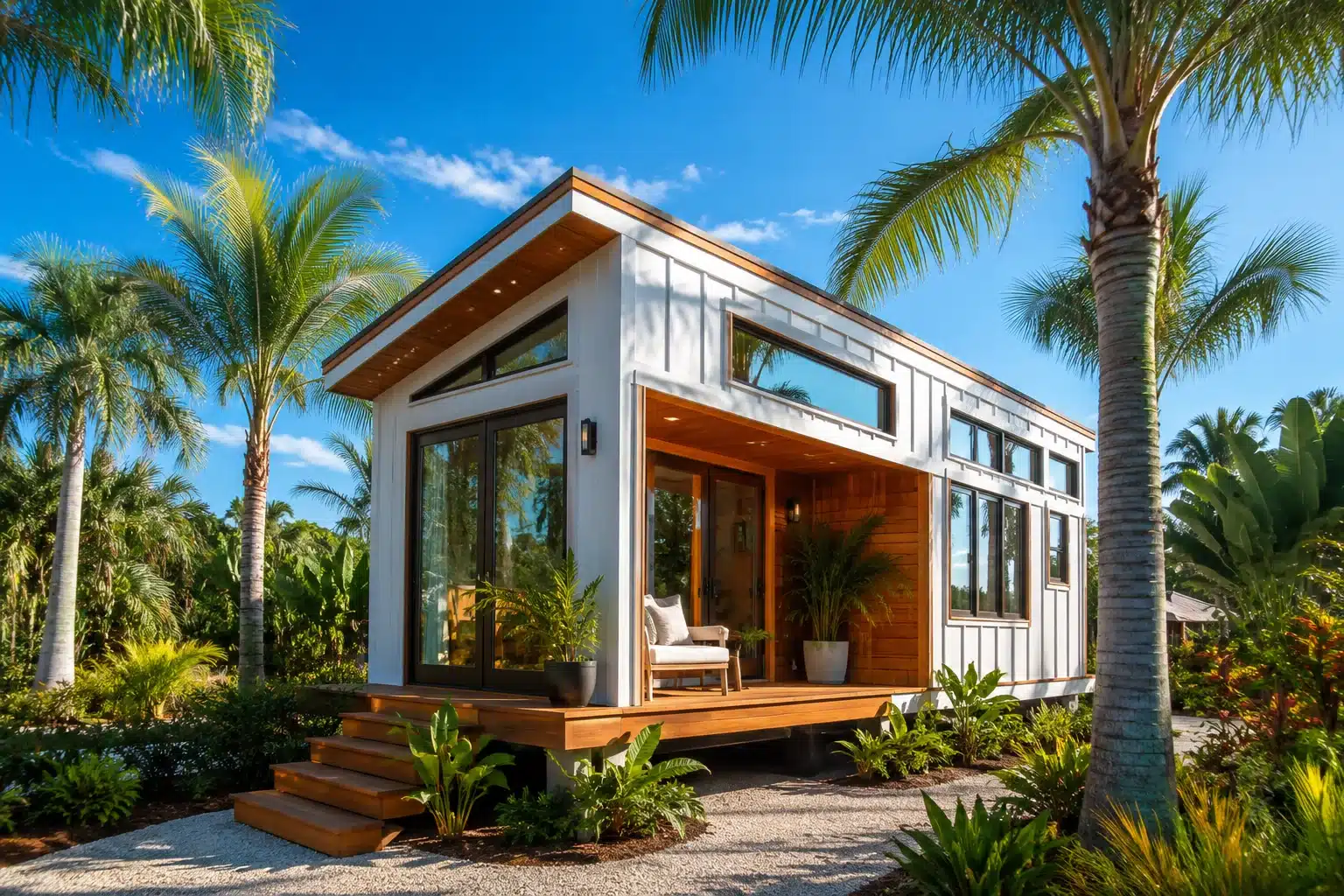
Florida has become one of the most attractive states for tiny house living. Its warm climate, growing number of tiny house communities, and increasing interest in affordable housing have encouraged many people to explore a simpler lifestyle.
However, before purchasing land or building a tiny home, it’s important to understand Florida’s legal requirements.
One of the most common questions is:
Are tiny houses legal in Florida?
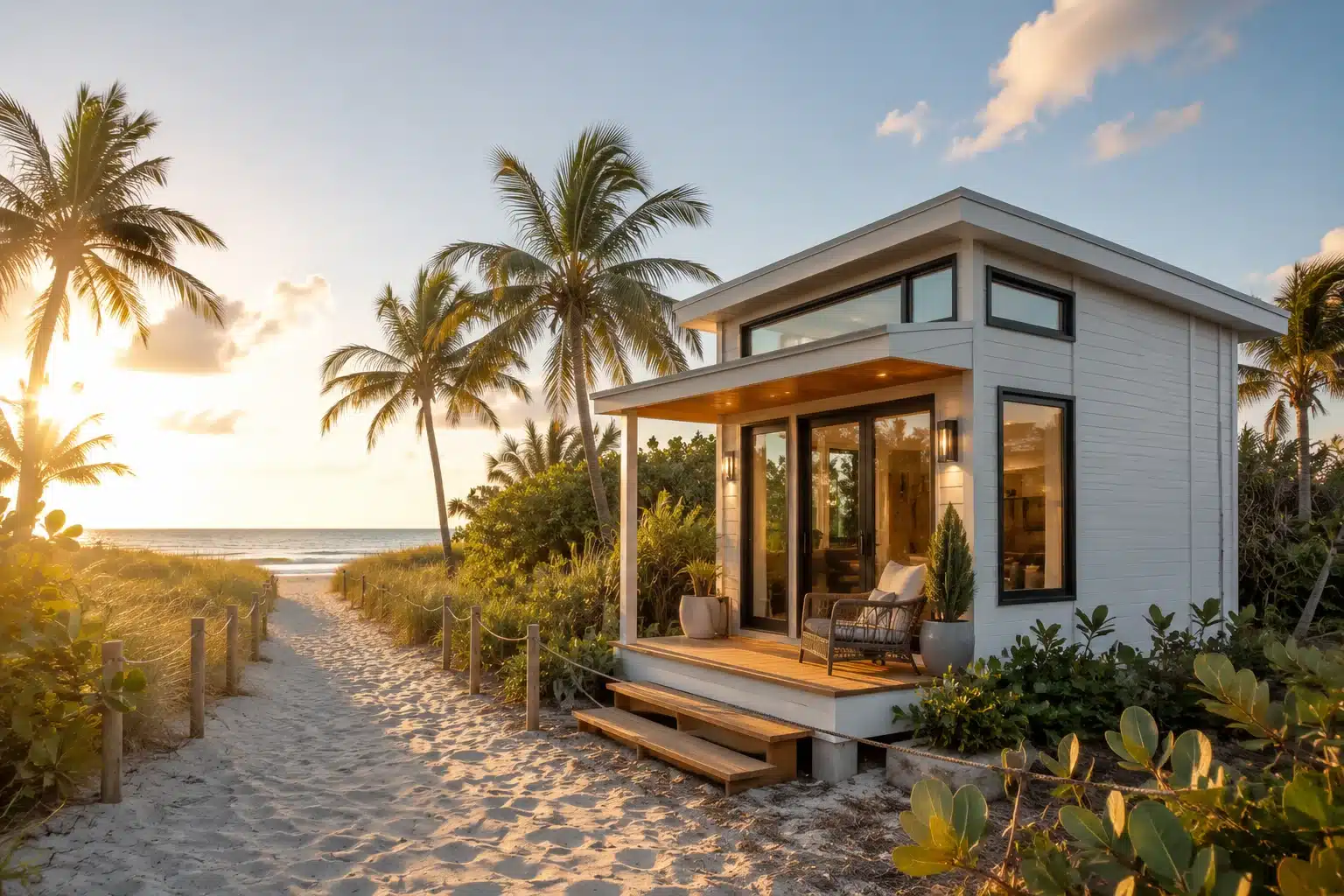
The answer is yes, but with important conditions.
Florida recognizes tiny houses through its residential building code, including Appendix Q for homes of 400 square feet or less. However, each county and city establishes its own zoning rules, land-use regulations, and permitting requirements. This means a tiny house may be allowed in one location while being restricted in another.
Whether you’re planning to build a tiny house on a permanent foundation or purchase a tiny house on wheels (THOW), understanding local regulations is essential before investing your money.
This guide explains Florida’s tiny house laws, zoning regulations, permits, building codes, parking rules, and the best places to consider for tiny house living.
Are Tiny Houses Legal in Florida?
Yes.
Tiny houses are legal in Florida, but their legality depends on several factors, including local zoning regulations and how the home is classified.
Generally, local governments consider:
- Whether the tiny house is on a permanent foundation.
- Whether it is built on wheels.
- Local zoning ordinances.
- Utility connections.
- Building permit requirements.
A tiny house built on a permanent foundation is typically regulated like a conventional single-family home and must comply with the Florida Building Code. Tiny houses on wheels are often treated differently and may fall under rules that apply to recreational vehicles, depending on where they are located and how they are used.
Florida Building Codes for Tiny Houses
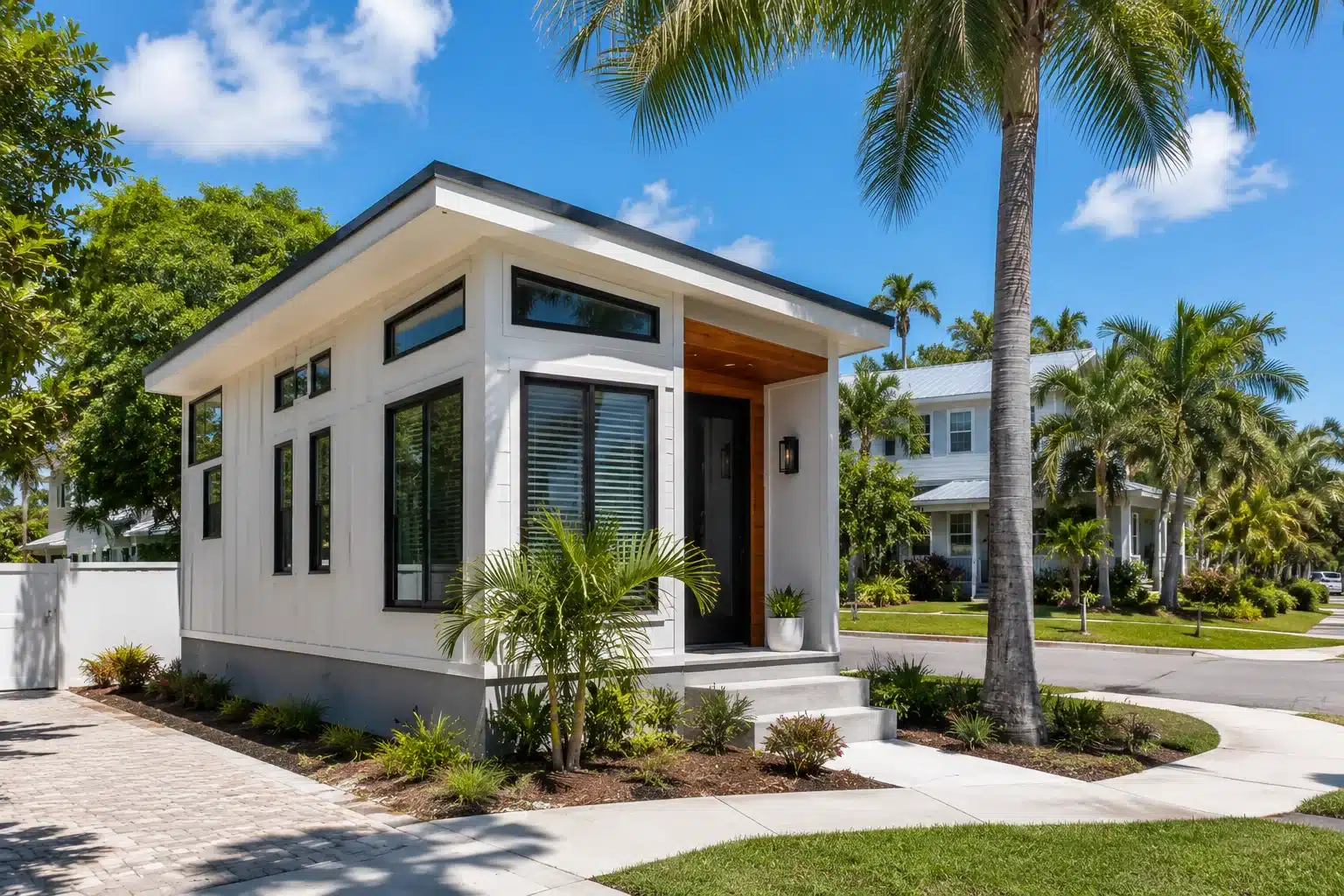
Florida is one of the states that officially recognizes tiny houses through Appendix Q of the Florida Residential Code.
Appendix Q provides construction standards specifically designed for homes that are 400 square feet or smaller, excluding loft space.
These standards include requirements for:
- Loft bedrooms
- Ceiling heights
- Stair dimensions
- Emergency escape openings
- Guardrails
- Landings
The purpose of Appendix Q is to make tiny homes safe while allowing design features that would not normally comply with traditional residential construction standards.
Do You Need a Building Permit?
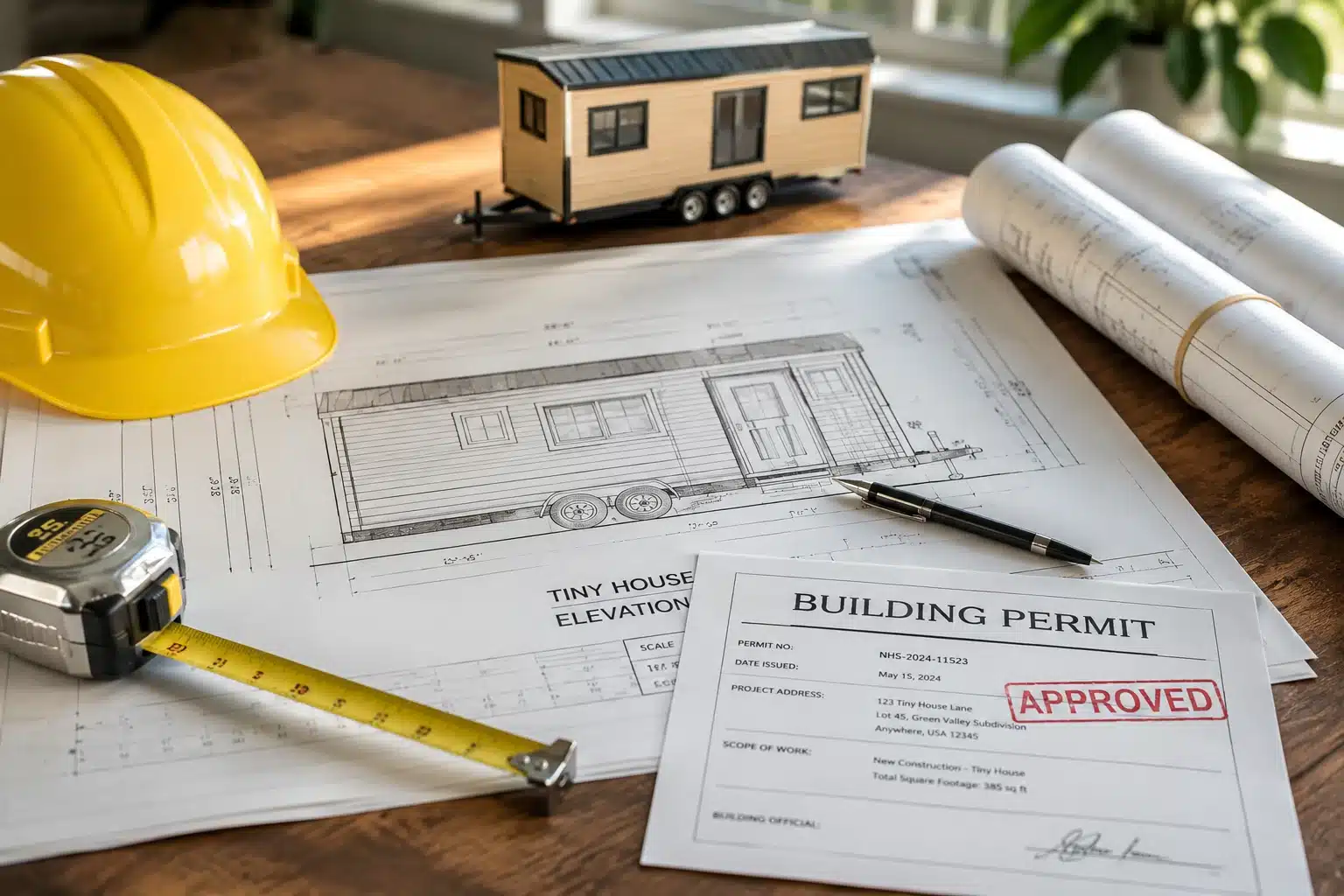
In most situations, yes.
If you’re building a tiny house on a permanent foundation, you will typically need permits before construction begins.
Common permits include:
- Building permit
- Electrical permit
- Plumbing permit
- Mechanical permit
- Septic permit (if required)
- Driveway permit (in some locations)
Local building departments may also require:
- Construction plans
- Site plans
- Engineering documents
- Inspections during construction
Skipping permits can result in fines, project delays, or orders to remove non-compliant structures.
Florida Zoning Laws for Tiny Houses
While Florida provides state wide construction standards, zoning laws are controlled locally.
Cities and counties decide:
- Where tiny houses may be built.
- Minimum lot sizes.
- Setback requirements.
- Whether tiny houses are allowed as primary residences.
- Whether accessory dwelling units (ADUs) are permitted.
Because of these local differences, it’s important to contact your county planning department before buying land or moving a tiny house onto a property.
Tiny Houses on Wheels (THOW) in Florida
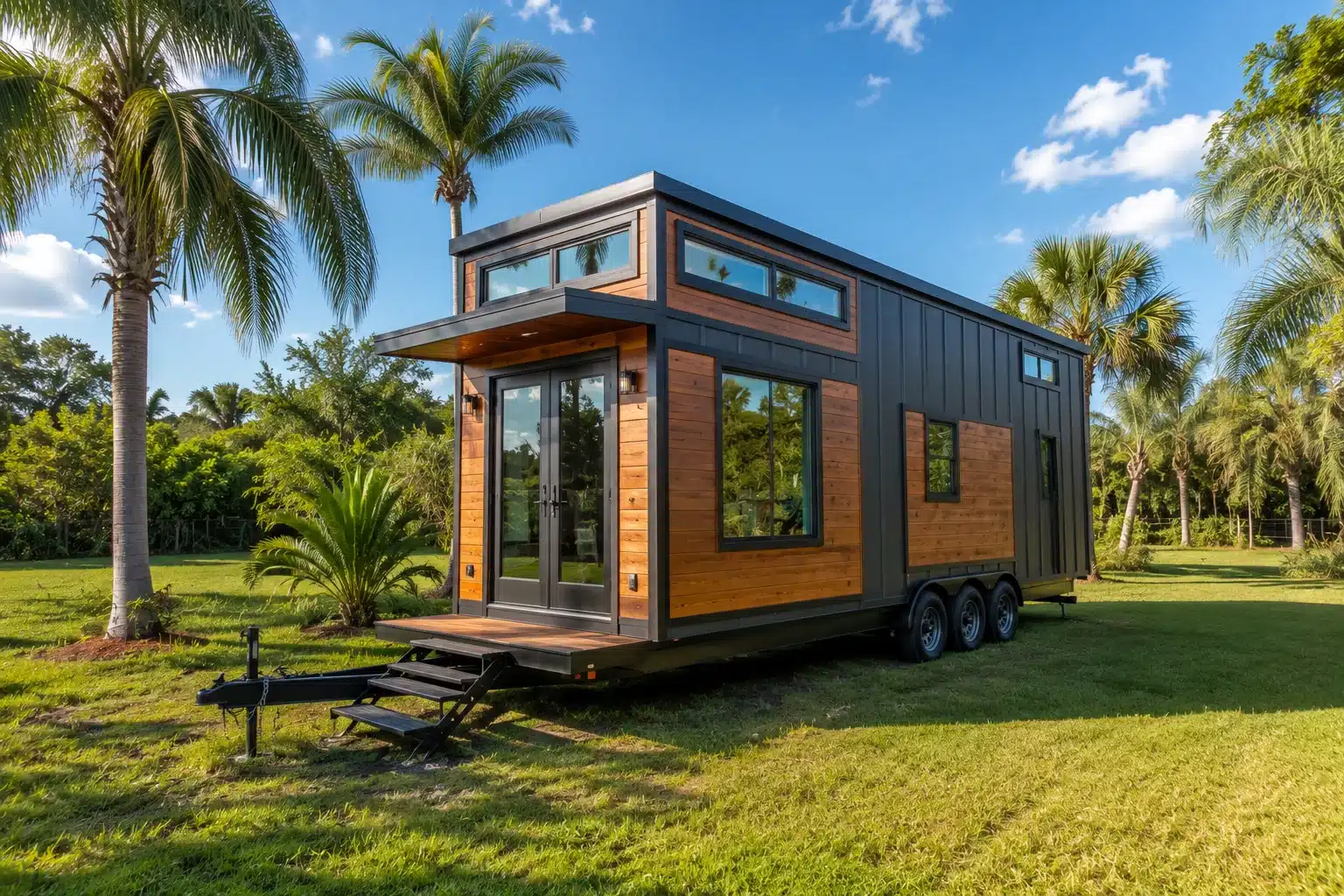
Tiny houses on wheels (THOWs) are becoming increasingly popular in Florida because they offer flexibility and lower construction costs. However, they are regulated differently than tiny houses built on permanent foundations.
In many cases, a tiny house on wheels is classified as a recreational vehicle (RV) rather than a traditional home. This means it may need to meet RV construction standards, be properly registered, and can be subject to restrictions on where it may be parked or occupied full-time.
Before purchasing a THOW, always verify local zoning regulations and occupancy rules.
Can You Live Full-Time in a Tiny House on Wheels?
The answer depends on where the tiny house is located.
Some RV parks and tiny house communities allow long-term occupancy, while many residential neighborhoods do not allow a tiny house on wheels to serve as a permanent residence.
Because these rules vary by county and municipality, contacting the local planning department before moving your home is always recommended.
Where Can You Place a Tiny House in Florida?
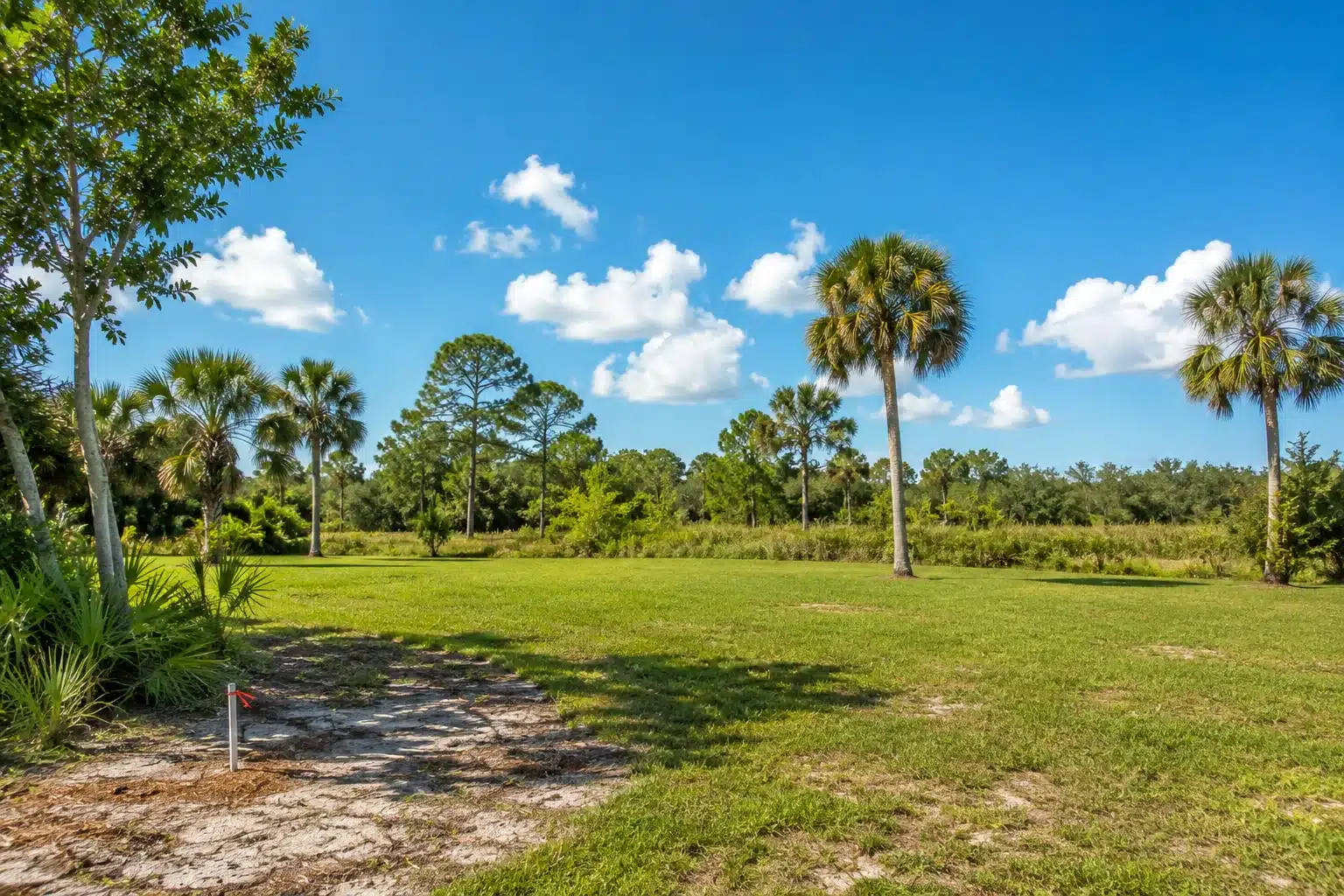
Finding legal land is one of the most important steps when planning a tiny house project.
Depending on local regulations, a tiny house may be placed on:
- Private residential property
- Rural land
- Agricultural property
- Approved tiny house communities
- Certain RV parks (for tiny houses on wheels)
- Property where accessory dwelling units (ADUs) are permitted
Even if state building standards are met, local zoning rules determine whether a property is suitable for a tiny house.
Best Places in Florida for Tiny House Living
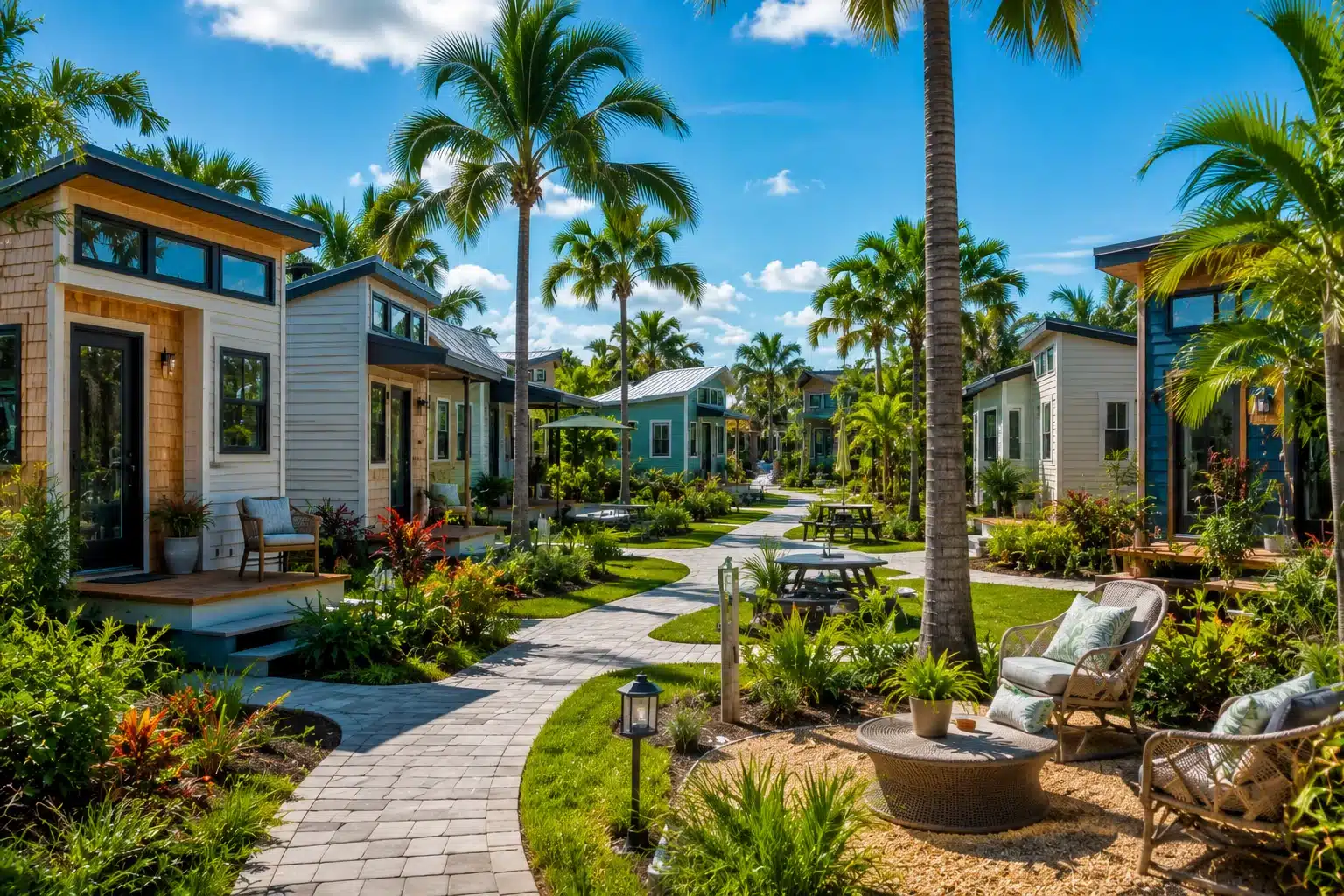
Several parts of Florida have become popular among tiny house enthusiasts due to more flexible regulations or established tiny house communities.
Sarasota County
Sarasota County follows the Florida Building Code and allows tiny homes that meet local zoning, permitting, and inspection requirements.
Brevard County
Brevard County provides a permitting process for certain tiny houses on wheels and follows state construction standards.
Orange County
Orange County generally allows tiny homes that comply with the Florida Building Code, subject to local zoning and permitting requirements.
Pasco County
Pasco County has expanded opportunities for accessory dwelling units (ADUs), creating additional options for small homes in some residential areas.
Rural North Florida
Many rural counties have fewer zoning restrictions than major metropolitan areas, making them attractive locations for people interested in tiny house living. Local regulations should still be verified before purchasing land.
Utility Requirements
A legal tiny house should have access to essential utilities, including:
- Safe drinking water
- Electrical service
- Wastewater disposal
- Heating and cooling
- Proper ventilation
If your property is outside city limits, you may also need:
- A private well
- A septic system
- Solar panels
- Propane service
Each county has its own permitting process for these utility systems.
How Much Does It Cost to Build a Tiny House in Florida?
Building costs vary depending on location, materials, labour, and utility connections.
| Expense | Estimated Cost |
|---|---|
| Tiny House Construction | $45,000 – $130,000 |
| Land Purchase | $15,000 – $200,000+ |
| Foundation | $5,000 – $18,000 |
| Utility Connections | $4,000 – $18,000 |
| Septic System | $5,000 – $12,000 |
| Permits & Inspections | $500 – $5,000 |
Building in coastal areas is often more expensive due to stricter building requirements and higher land prices.
Advantages of Living in a Tiny House in Florida
Warm Climate
Florida’s warm weather makes tiny house living comfortable throughout most of the year, reducing heating costs.
Affordable Lifestyle
Many homeowners choose tiny houses to reduce housing expenses, maintenance, and utility bills.
Growing Tiny House Communities
Florida has an increasing number of tiny house communities and RV parks that welcome small-home living.
Outdoor Lifestyle
The state’s beaches, parks, and year-round outdoor activities make Florida especially attractive for people pursuing a minimalist lifestyle.
Challenges of Tiny House Living in Florida
Although Florida offers many advantages for tiny house owners, there are also challenges to consider before starting your project.
Local Zoning Restrictions
Every city and county has its own zoning ordinances. A tiny house that is legal in one area may not be permitted in another. Always confirm local regulations before purchasing land.
Hurricane and Wind Requirements
Florida is prone to hurricanes and tropical storms. Tiny houses on permanent foundations must meet the state’s wind-load requirements, and owners should ensure their homes are designed to withstand severe weather. Tiny houses on wheels should also have a safe evacuation plan during hurricane season.
Insurance
Finding insurance for a tiny house can be more challenging than insuring a traditional home. Coverage options often depend on whether the home is permanently installed or built on wheels.
Financing
Many banks do not finance tiny houses in the same way as conventional homes. Buyers may need personal loans, RV financing (for THOWs), or specialized tiny house lenders.
Tips Before Buying Land for a Tiny House
Before purchasing land in Florida, take time to research the property carefully.
Make sure you:
- Contact the local planning and zoning department.
- Verify whether tiny houses are allowed.
- Confirm setback requirements.
- Check utility availability.
- Review flood zone maps.
- Determine whether a septic system or well is required.
- Verify road access.
- Review HOA rules if applicable.
Doing this research before buying land can save both time and money.
Frequently Asked Questions
Are tiny houses legal in Florida?
Yes. Tiny houses are legal in Florida, but they must comply with local zoning regulations, building codes, and permit requirements.
Can I put a tiny house on my own land?
In many cases, yes. However, local zoning ordinances determine whether a tiny house may be used as a primary residence.
Does Florida recognize tiny houses?
Yes. Florida has adopted Appendix Q of the Florida Residential Code, which establishes building standards for tiny houses under 400 square feet.
Are tiny houses on wheels legal in Florida?
Yes. Tiny houses on wheels are generally legal but are often regulated as recreational vehicles rather than permanent homes.
Do I need a permit to build a tiny house?
Yes. Building permits are typically required for tiny houses built on permanent foundations.
Can I live permanently in a tiny house on wheels?
Some RV parks and tiny house communities allow long-term occupancy, but many residential areas do not. Local regulations should always be checked before moving in.
What is the best county in Florida for a tiny house?
There is no single best county. The right location depends on local zoning regulations, land prices, and your intended use of the property.
How much does it cost to build a tiny house in Florida?
Most projects cost between $45,000 and $130,000, depending on size, materials, land, and utility connections.
Is Florida a good state for tiny house living?
Yes. Florida’s warm climate, growing tiny house communities, and state wide recognition of tiny house building standards make it one of the most attractive states for tiny house enthusiasts.
Final Thoughts
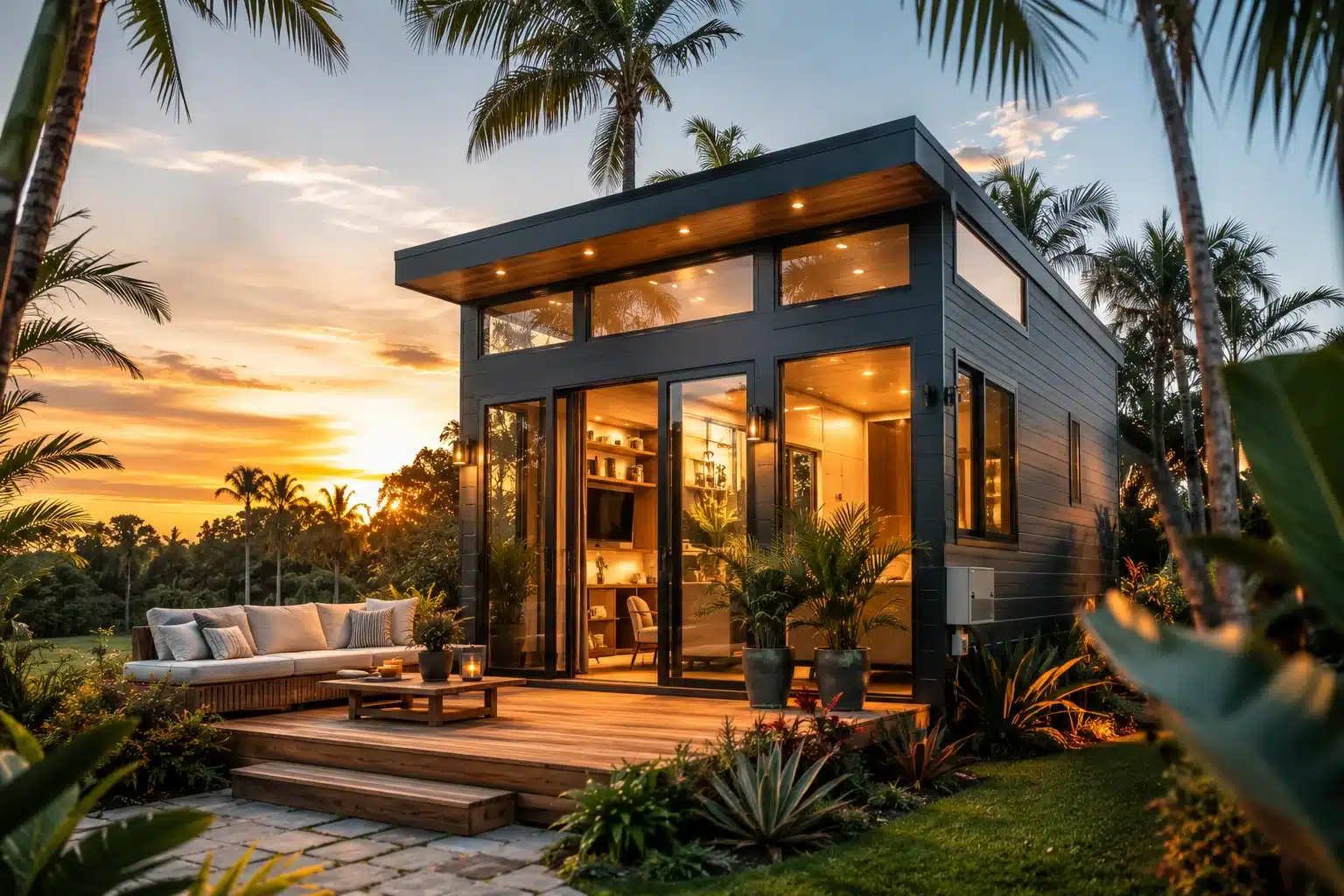
Florida continues to be one of the best states in the U.S. for tiny house living. The state’s warm climate, expanding tiny house communities, and recognition of tiny house construction standards have made it an attractive destination for homeowners seeking a simpler lifestyle.
However, every tiny house project should begin with careful research. Local zoning regulations, permit requirements, and land-use rules can vary significantly between counties and municipalities. Taking the time to understand these requirements before building or buying a tiny house can help you avoid costly mistakes and legal issues.
Whether you choose a tiny house on a permanent foundation or a tiny house on wheels, proper planning is the key to creating a safe, legal, and comfortable home in Florida.