Tiny House Laws in Montana: 2026 Guide
Tiny houses are becoming a popular housing option in Montana. They cost less than many traditional homes and need less space.
But can you legally live in one?
The answer depends on the home, the land, and local rules.
Tiny house laws in Montana cover building standards, zoning, permits, and property use. Some rules also depend on whether your tiny house has wheels.
Here is what you should know in 2026.
Are Tiny Houses Legal in Montana?
Yes. Tiny houses can be legal homes in Montana.
State law allows local governments to create zoning districts for small residential units. However, this does not mean every lot allows a tiny house.
Montana also has building rules for tiny homes.
On September 26, 2026, the state adopted the 2024 International Residential Code with Montana amendments.
These rules include special provisions for tiny houses.
Before you build, check which rules apply in your city or county.
What Size Is a Tiny House in Montana?
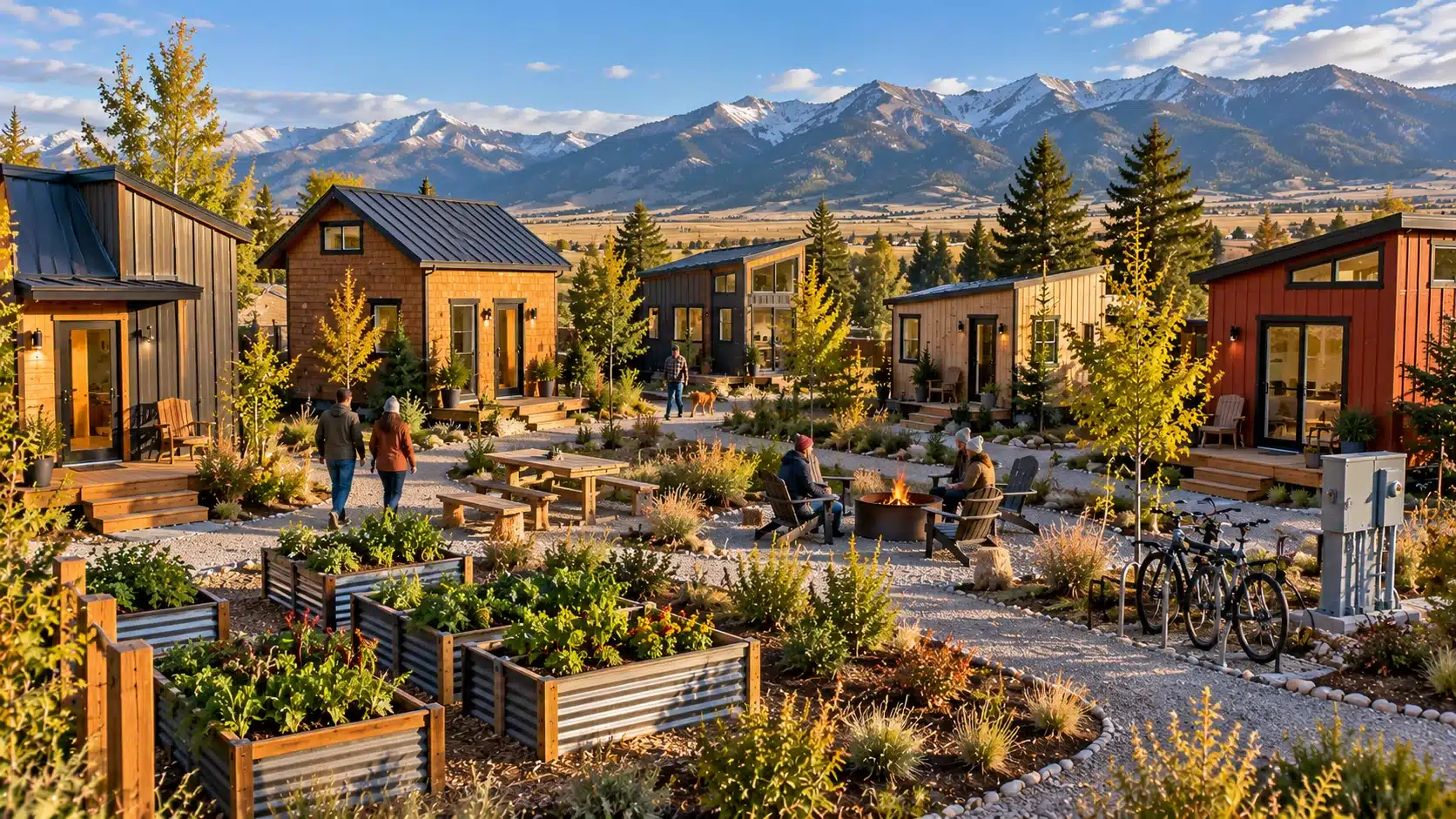
Montana has two important size rules.
Under the state’s residential building code, the tiny house appendix covers homes of 400 square feet or less, excluding lofts.
Montana zoning law also defines a tiny dwelling unit as a home between 350 and 750 square feet on a permanent foundation, used as a single-family dwelling for at least 45 days.
These definitions serve different purposes.
A home that meets one definition does not automatically meet every building or zoning requirement.
Tiny Houses on Permanent Foundations
A permanent foundation is often the best option for full-time living.
Montana applies its tiny house building provisions to qualifying factory-built homes designed for permanent foundations.
The home must also meet the rules that apply to its location.
You may need approved plans, a safe foundation, plumbing, electrical work, and proper insulation.
Montana winters can be very cold. Good heating and energy performance are especially important.
Always check the local building department before starting work.
Tiny Houses on Wheels in Montana
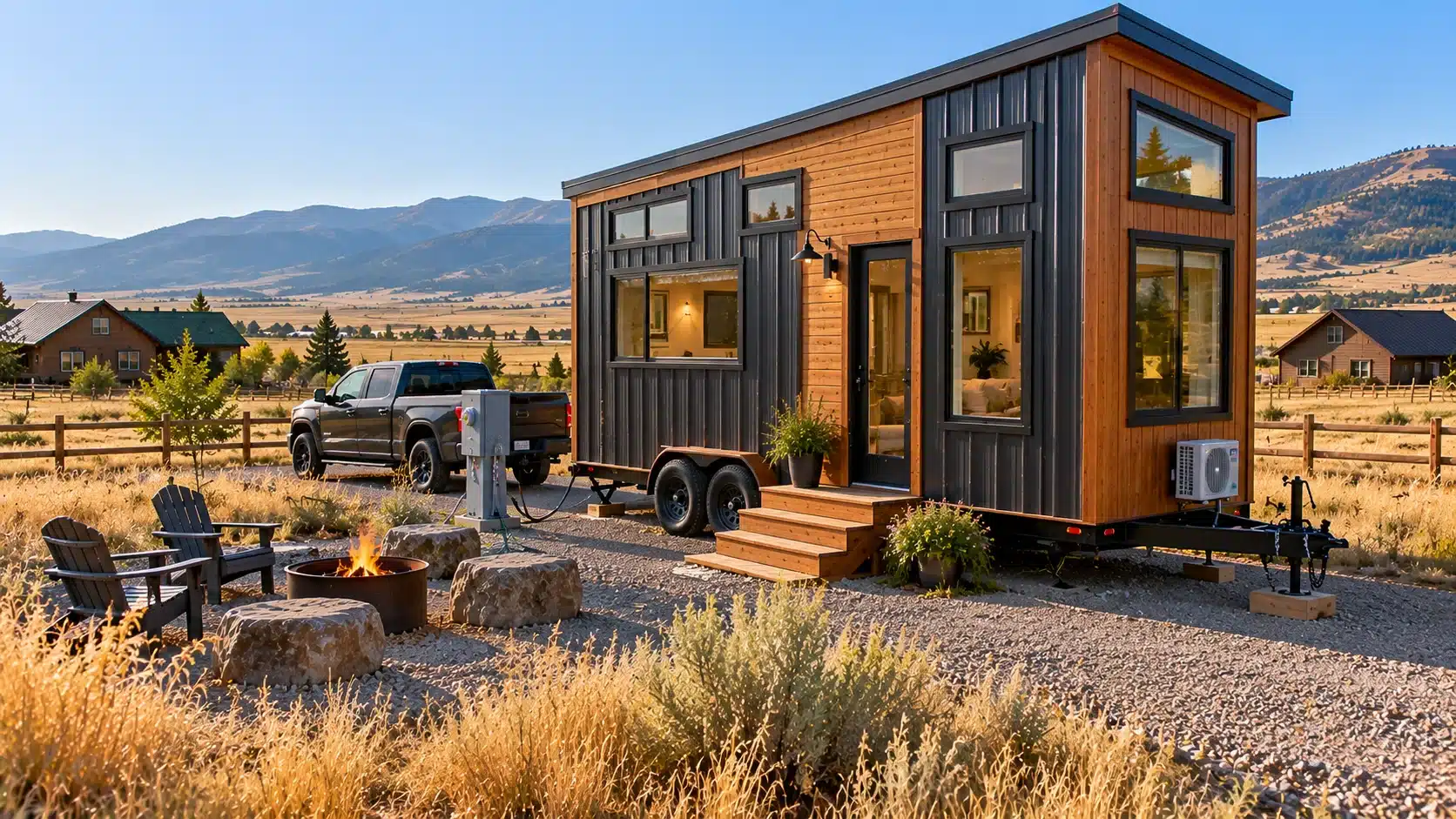
Tiny houses on wheels can be more complicated.
A trailer-based tiny house is not automatically approved as a permanent residential home.
Its legal status may depend on how it was built, how it is registered, and how the property is zoned.
Some locations may treat a movable tiny house differently from a house on a foundation.
Parking a tiny house on private land does not guarantee permission to live in it all year.
Ask local officials about long-term occupancy before buying a trailer-based home.
Can You Build a Tiny House ADU?
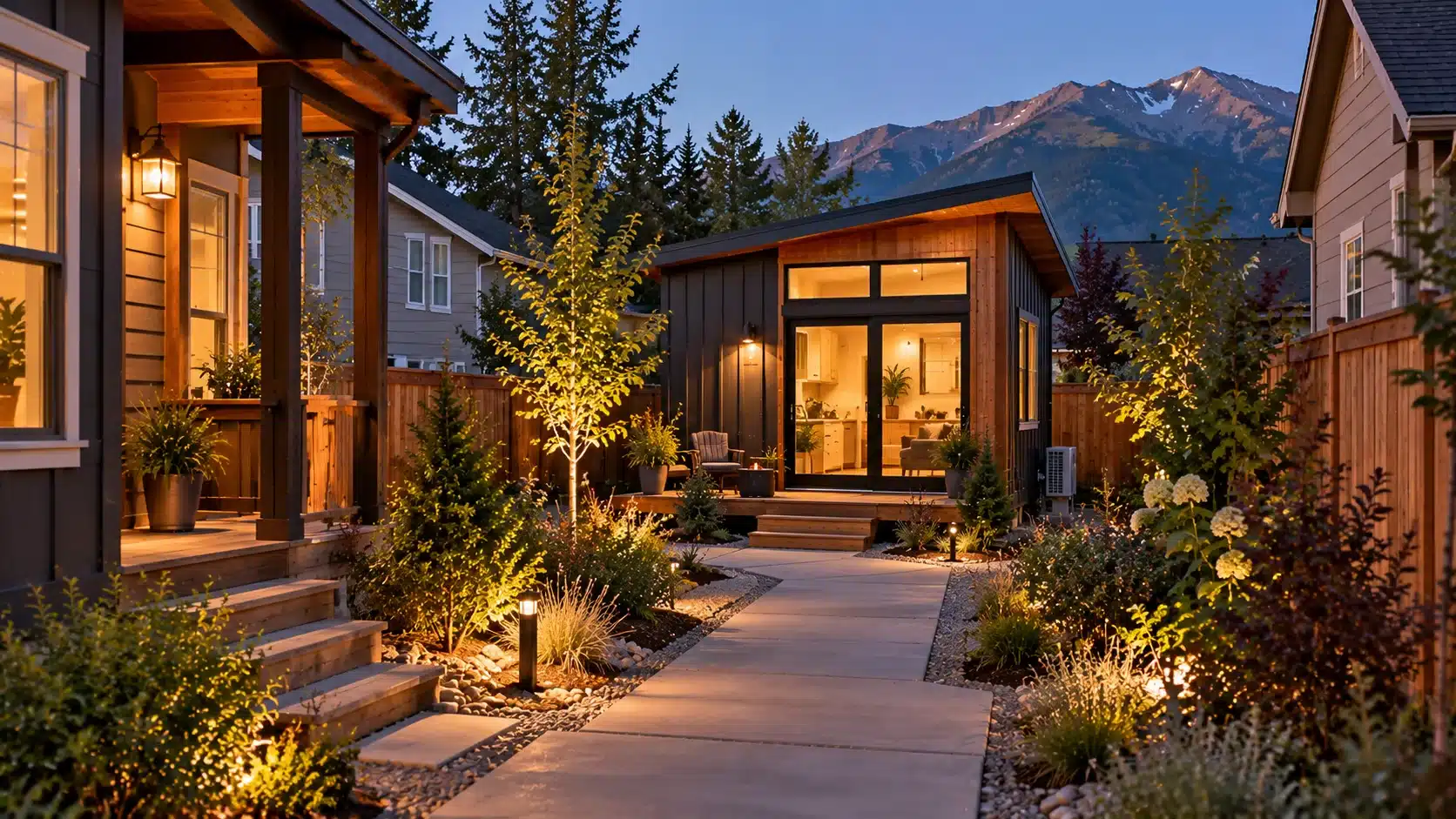
Montana has a state law that supports accessory dwelling units, or ADUs.
Under Montana Code 76-2-345, municipalities must allow at least one ADU by right on a qualifying lot with a single-family home.
An ADU can be attached, detached, or inside the main house.
For a detached or attached ADU, the size limit is generally the smaller of 1,000 square feet or 75% of the main home’s gross floor area.
A small backyard house may qualify if it meets the applicable rules.
You still need to follow building standards and other lawful site requirements.
Do You Need Permits?
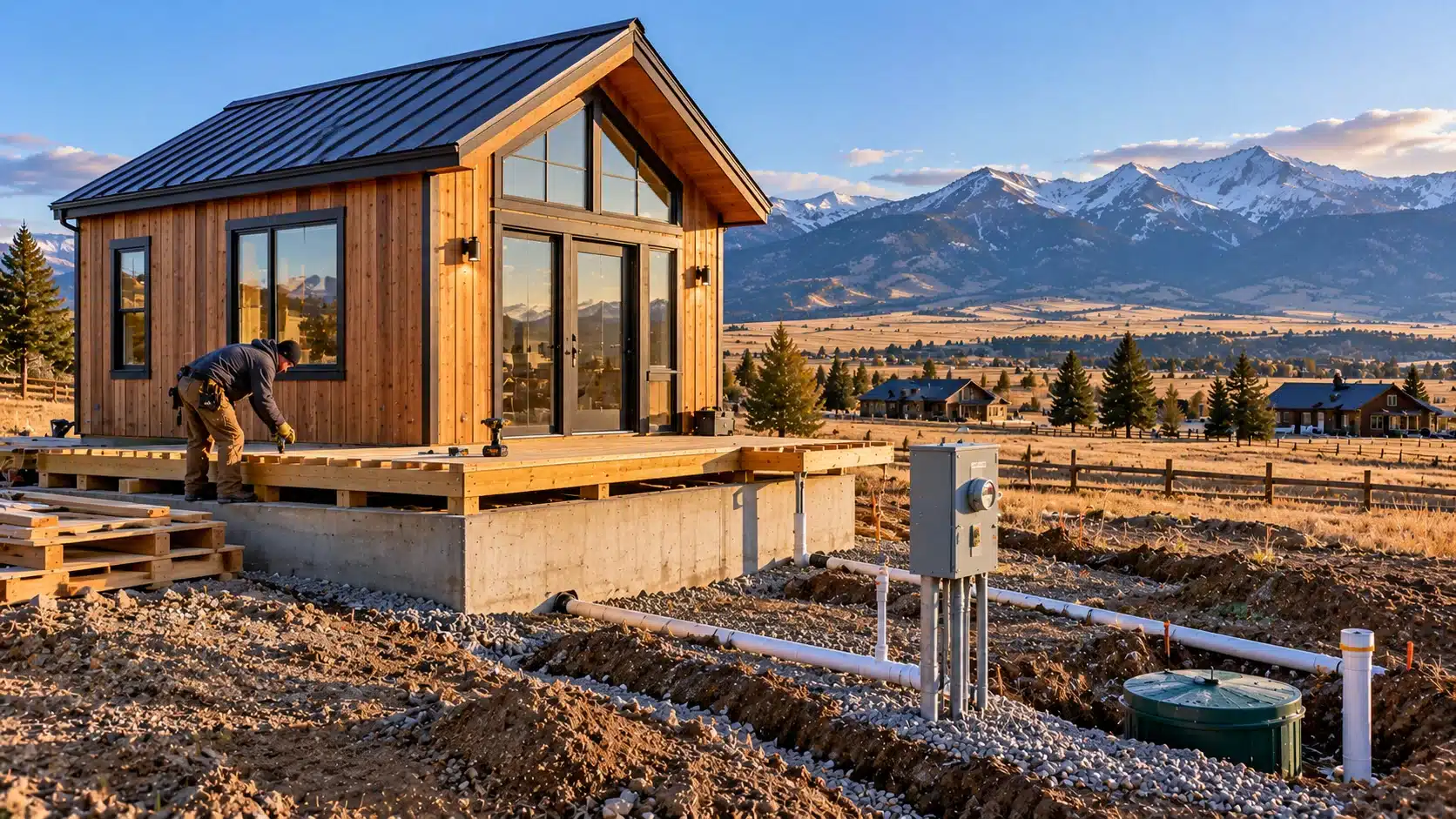
Many tiny house projects require permits or inspections.
Depending on the property, these may include:
- Building permits
- Electrical permits
- Plumbing permits
- Mechanical permits
- Septic or sewer approval
- Water supply approval
- Zoning or land-use approval
Permit enforcement can differ between state and local jurisdictions.
Do not assume that a rural property is free from every building requirement.
Check with the responsible authorities before construction begins.
Where Can You Put a Tiny House in Montana?
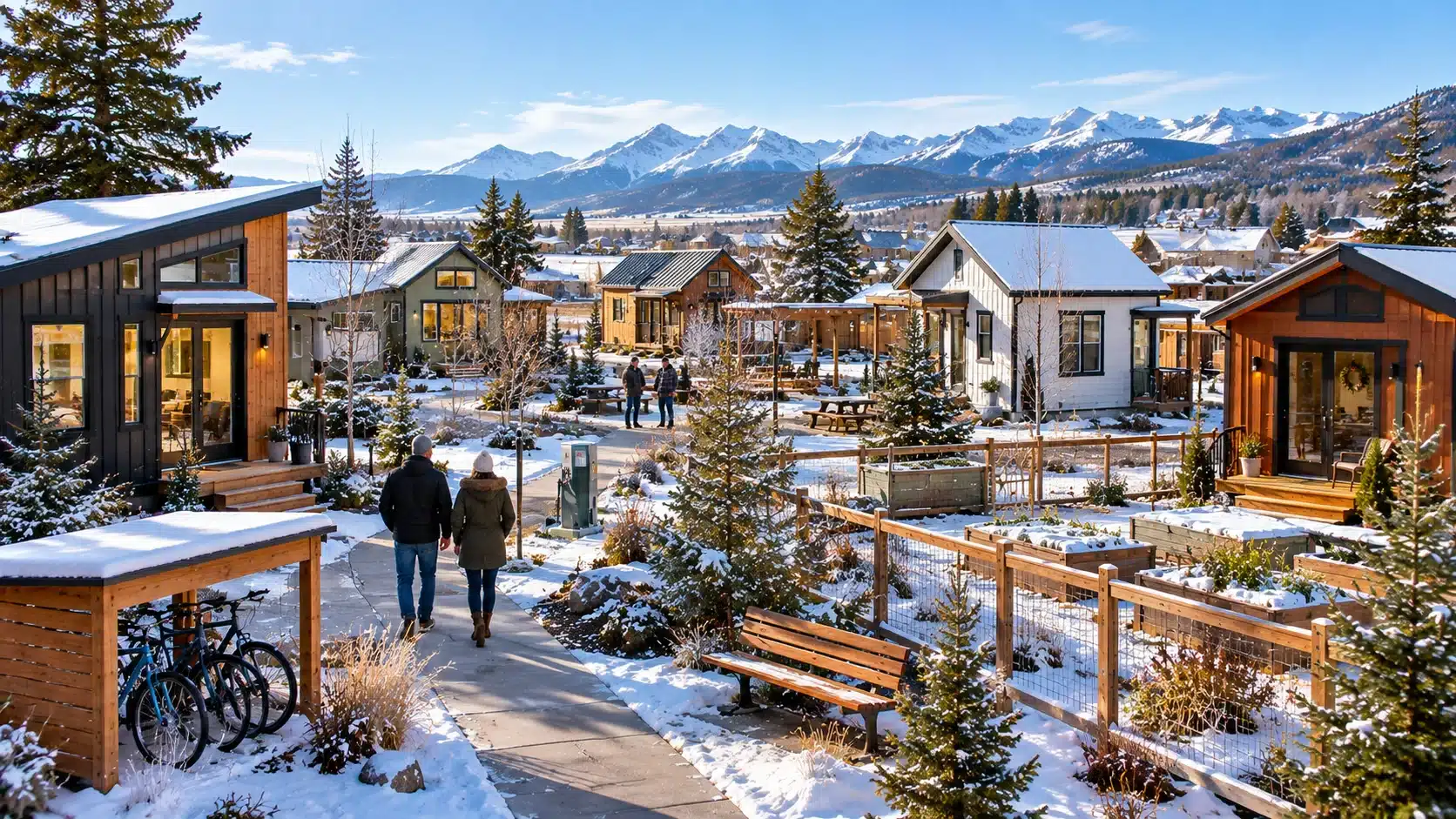
The answer depends on the specific parcel.
Cities and counties can set rules for residential land use.
For example, Kalispell’s 2026 zoning ordinance specifically allows tiny houses that meet the stated code definition, as long as other applicable rules are followed.
That does not mean the same rules apply across Montana.
Before buying land, ask whether the property allows a primary tiny home, a detached ADU, or a tiny house on wheels.
Also check setbacks, road access, utilities, and wastewater requirements.
For more western housing options, compare our guides to tiny house laws in Idaho and tiny house laws in Washington State.
Final Thoughts
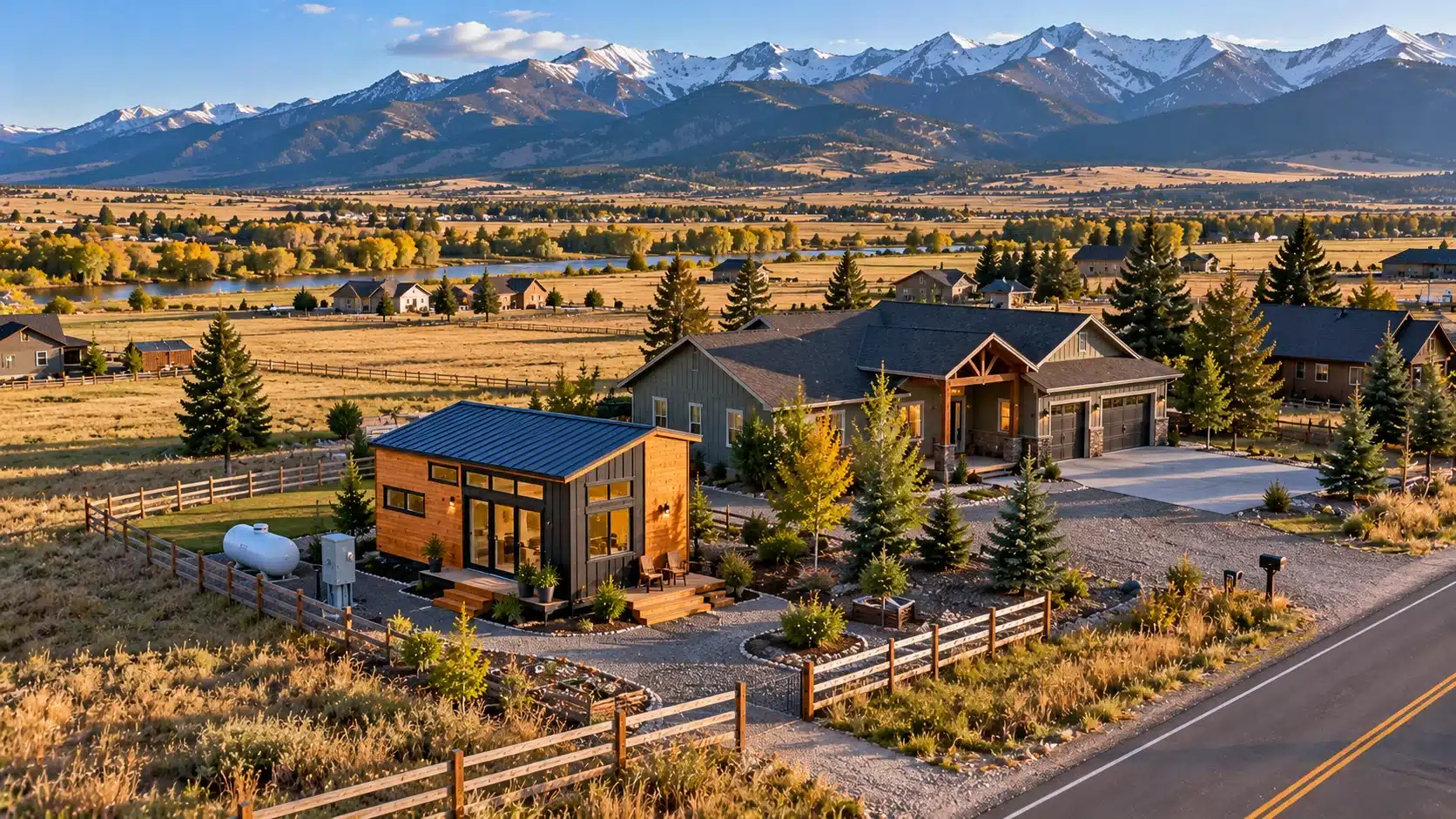
Montana offers several paths to tiny house living.
The state has building standards for small homes and laws that recognize tiny dwelling units and ADUs.
However, local rules still matter.
A permanent foundation may make approval easier, while a tiny house on wheels needs extra care.
Confirm the rules for your exact property before spending money on land or construction.
You can explore more locations in our Tiny House Laws guides.