Can You Make Money With a Tiny House in 2026?
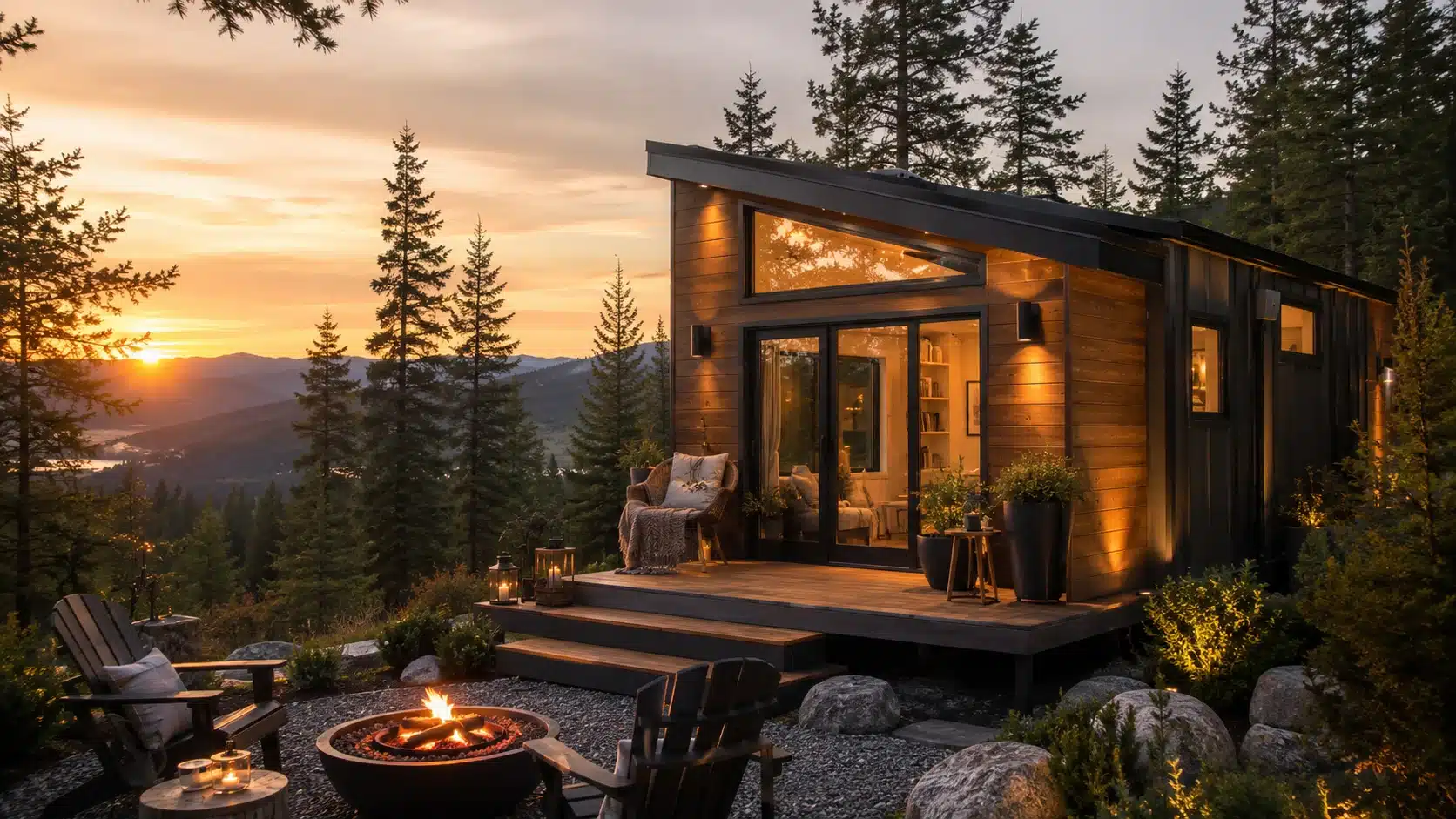
Tiny houses are no longer just a fun Pinterest idea or a minimalist lifestyle trend. In 2026, they’ve become a real business opportunity for people looking to create extra income, start a side hustle, or even build a full-time business.
But let’s get to the question everyone actually cares about: Can you really make money with a tiny house?
Short answer? Yes.
Longer answer? Yes, but how much you make depends on what you do with it, where it’s located, and how smart your setup is.
A tiny house can be more than a cozy place to live. It can become a vacation rental, backyard guest unit, mobile business, home office rental, or even part of a tiny house investment portfolio.
Let’s break it all down.
Why Tiny Houses Are Still Popular in 2026
Tiny houses have stayed relevant because they solve a few very real problems.
Traditional homes are still expensive. Mortgage rates continue to make buyers think twice. Rent prices in many cities feel ridiculous. At the same time, more people want flexibility, lower costs, and simpler living.
That’s where tiny homes shine.
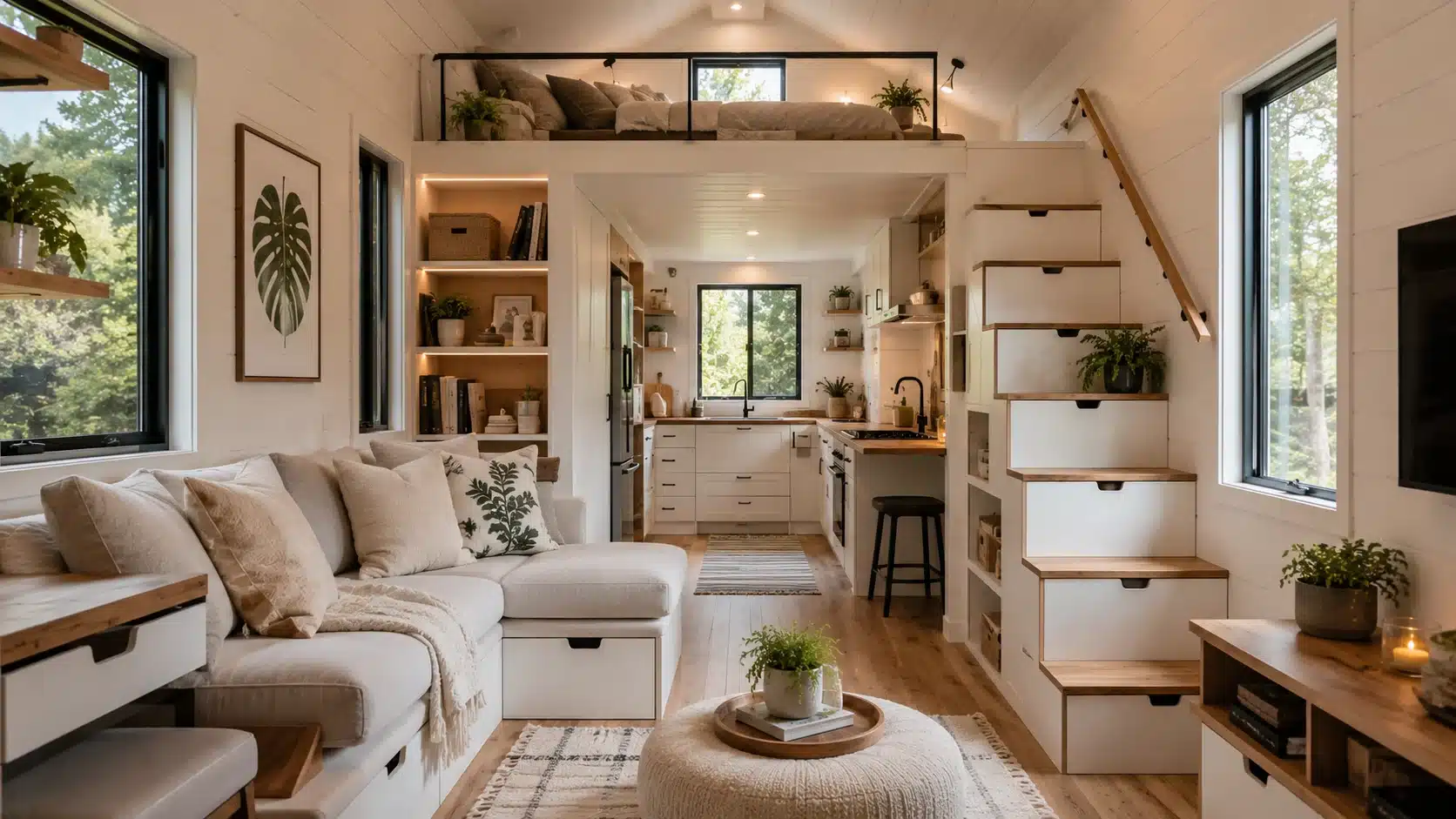
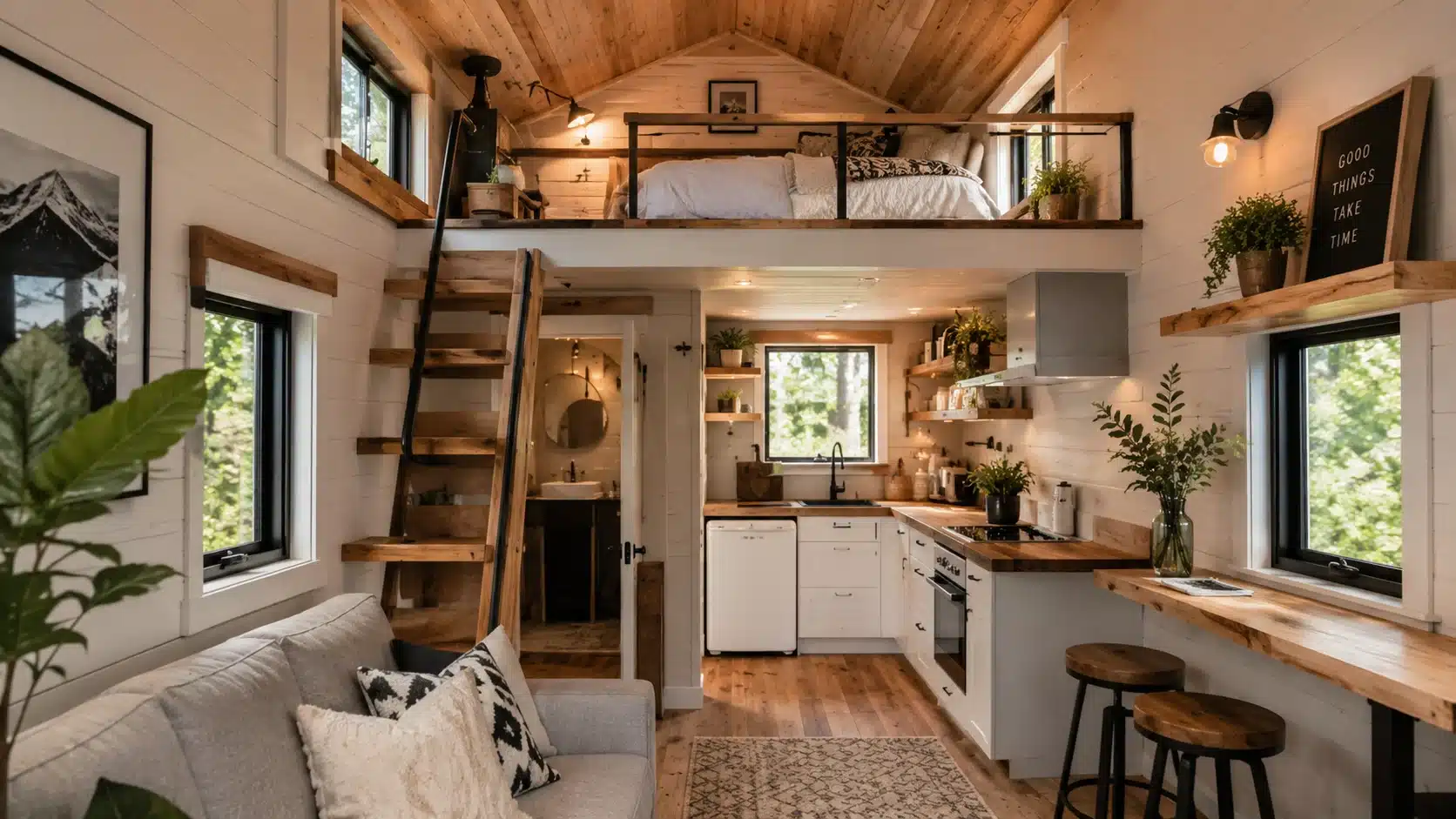
They’re cheaper to build than standard houses, quicker to set up, and often easier to maintain. For travelers, they offer a unique experience that feels more personal than a hotel. For homeowners, they create extra usable space without a giant construction project.
This demand is exactly what makes them interesting from a money-making angle.
1. Make Money With Airbnb or Short-Term Rentals
This is probably the most popular way to make money with a tiny house.
And honestly, it makes sense.
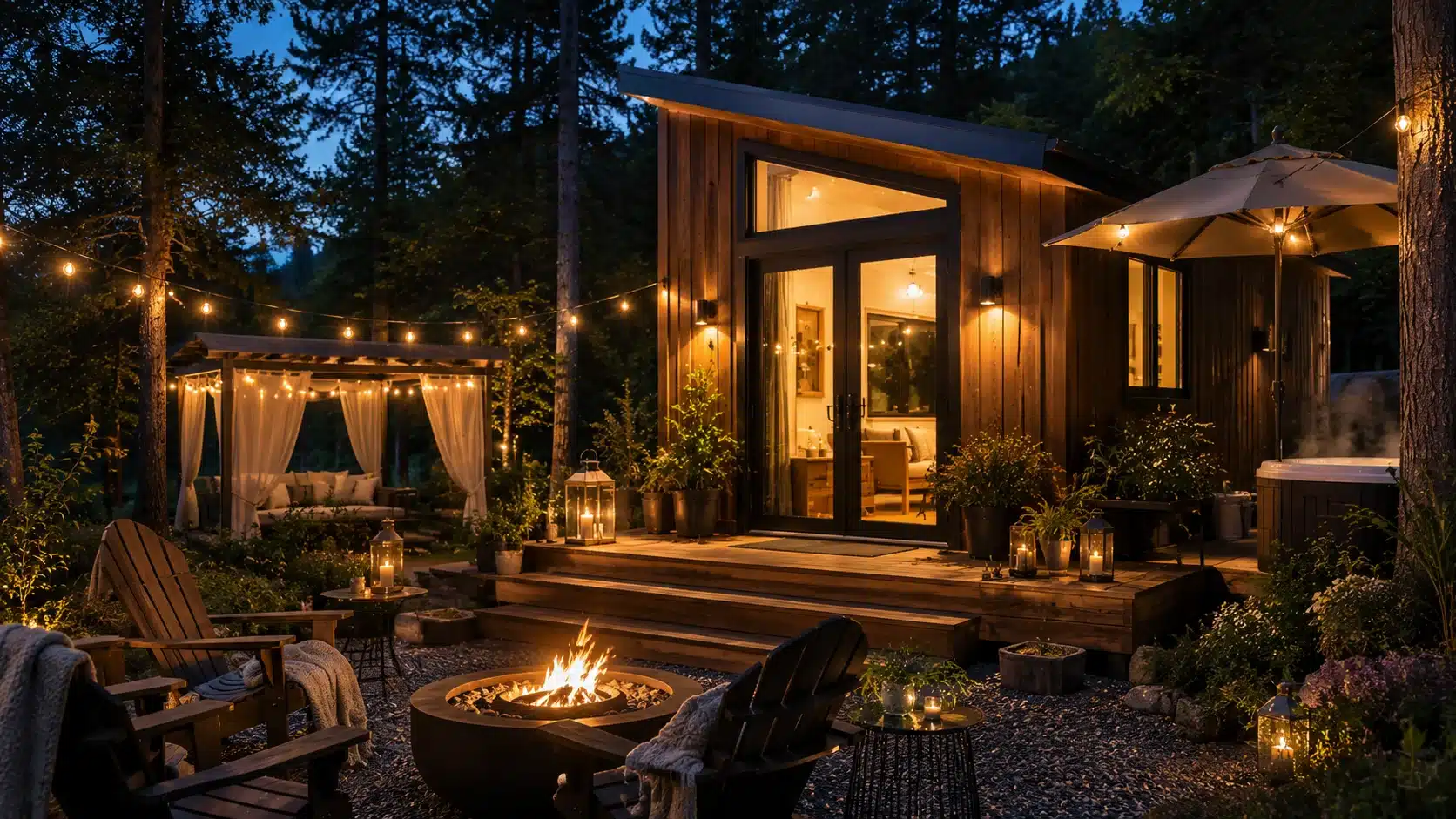
People love booking unique stays. A tiny cabin in the woods? Cute. A modern tiny home with mountain views? Even better. A stylish tiny house with a hot tub? That’s booking gold.
Travelers in 2026 are still choosing experiences over plain hotel rooms, which gives tiny homes a big advantage.
What You Could Earn
Income varies a lot depending on location.
A tiny house in a tourist hotspot could bring in:
- $100–$350+ per night
- 50%–85% occupancy rates in strong markets
That means some owners bring in $2,000 to $8,000+ per month before expenses.
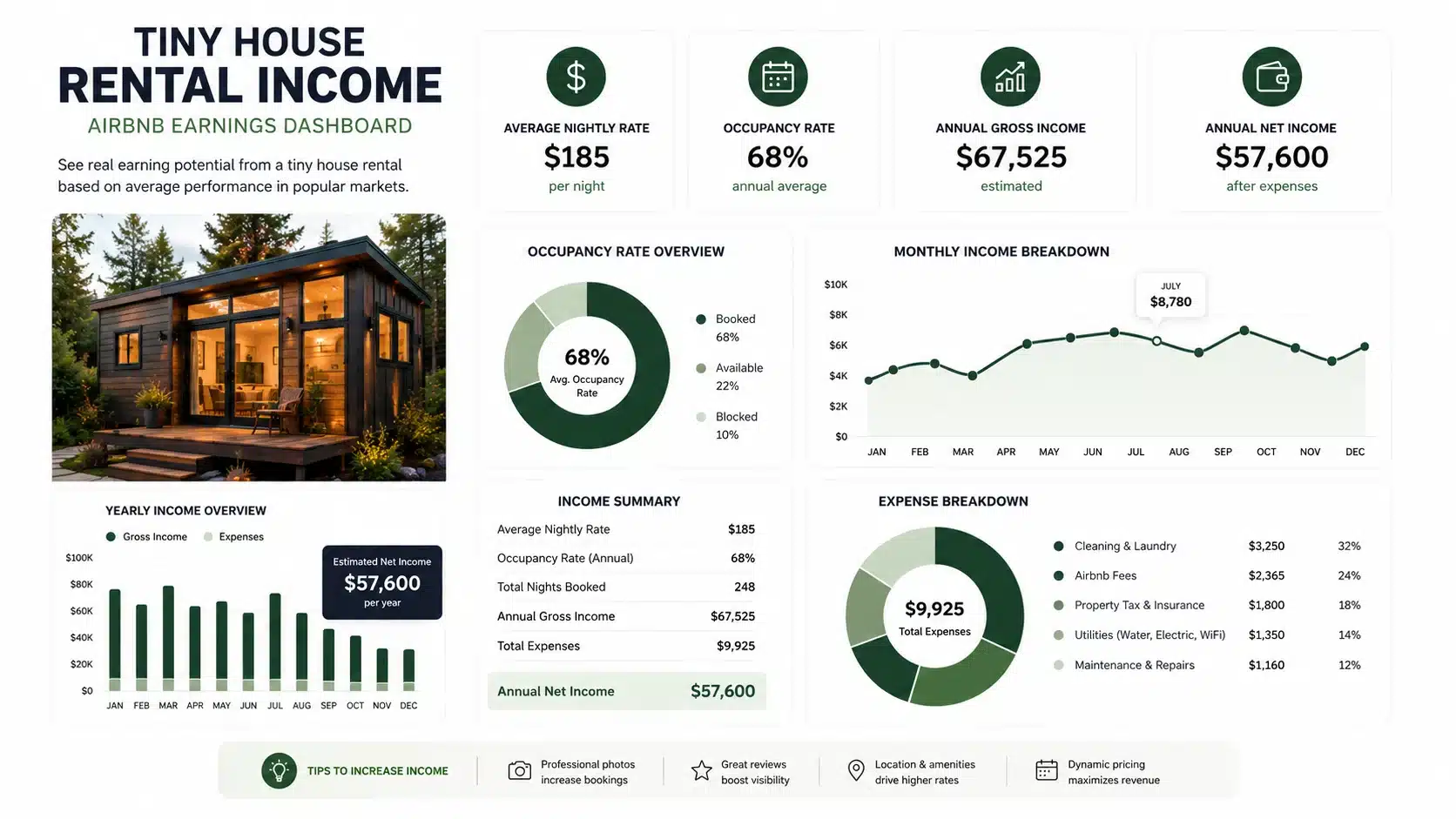
Of course, not every tiny house will hit those numbers.
A remote location with no attractions nearby won’t perform the same way as a well-designed stay near national parks, beaches, ski towns, or major cities.
Costs to Consider
Don’t forget expenses:
- Airbnb platform fees
- Cleaning
- Utilities
- Insurance
- Property taxes
- Repairs
- Furnishings
- Wi-Fi
- Guest supplies
Still, many owners make solid profits if they manage things well.
2. Long-Term Rental Income
Not everyone wants vacation guests coming and going every weekend.
A tiny house can also work as a long-term rental.
This works especially well in areas with:
- housing shortages
- college towns
- remote worker demand
- affordable housing needs
Many renters actually like the idea of lower monthly rent in a small but thoughtfully designed space.
Potential Monthly Income
Depending on your area, tiny house rentals can bring in:
- $800 to $2,500+ per month
Urban backyard units often perform especially well.
If your tiny house is near a city, hospital, university, or business district, demand can be surprisingly strong.
Long-term rentals usually mean less turnover and fewer management headaches compared to short-term rentals.
3. Build a Backyard ADU for Passive Income
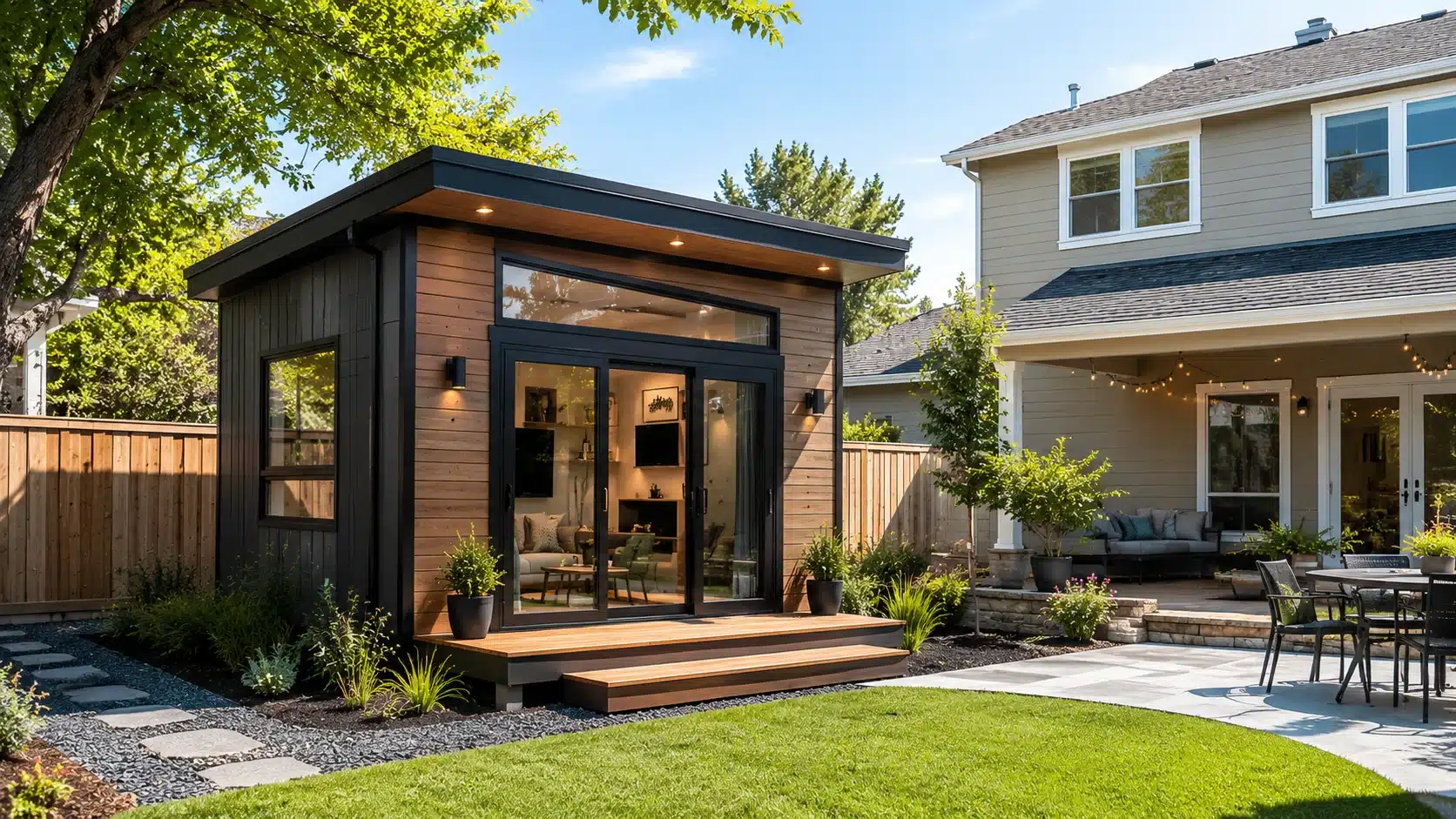
If you already own property, this might be one of the smartest options.
A tiny house can function as an Accessory Dwelling Unit (ADU).
That basically means a small separate living space on your existing property.
This setup can generate monthly rental income without buying separate land.
A lot of homeowners are doing this because:
- land is already paid for
- utility connections may be easier
- financing can be simpler
- zoning in many areas has become more flexible
This can be a great move if local laws allow it.
4. Flip Tiny Houses for Profit
Yes, people flip tiny houses too.
It works a bit like house flipping, just on a smaller scale.
The idea is simple:
- buy a used tiny house below market value
- renovate or upgrade it
- sell it for more
Popular upgrades include:
- fresh interior finishes
- modern appliances
- better storage solutions
- solar upgrades
- stylish exterior design
- improved bathroom layouts
Tiny home buyers care a lot about aesthetics, so design matters.
A beautifully staged tiny house can sell much faster than a plain one.
5. Rent Tiny Houses for Events
This is one of the less talked about opportunities.
Tiny houses can be rented for:
- weddings
- photoshoots
- film sets
- pop-up events
- brand promotions
- festivals
A unique tiny home makes an eye-catching backdrop.
Brands love interesting visual spaces.
Photographers do too.
If your tiny house has a cool design or scenic location, this can become a surprisingly profitable niche.
6. Turn a Tiny House Into a Business Space
Not every income stream involves renting it as housing.
A tiny house can become a small business setup.
Ideas include:
- coffee stand
- boutique retail shop
- mobile salon
- art studio
- tattoo studio
- remote office rental
- therapy or wellness room
- massage studio
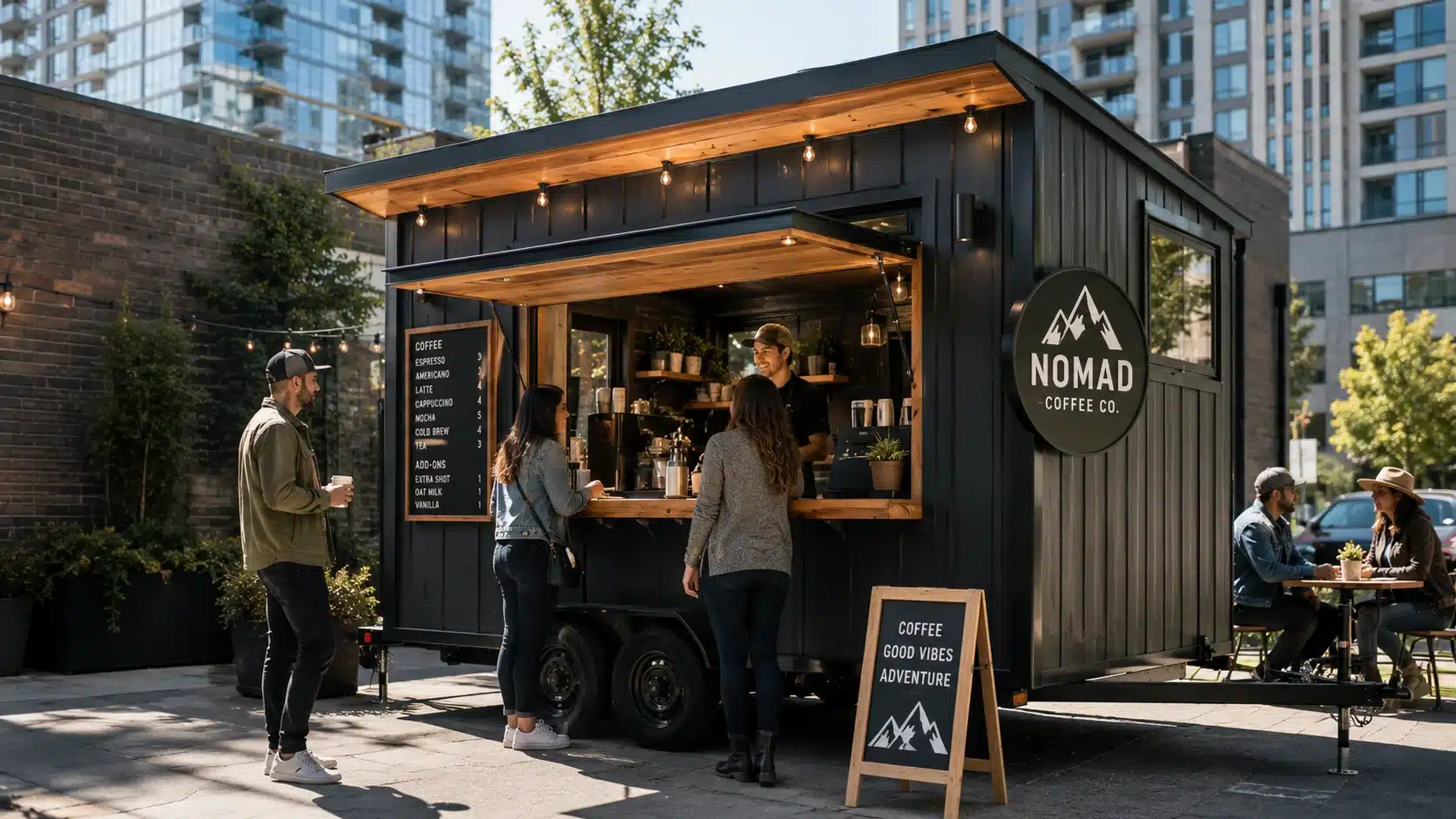
A mobile tiny house gives flexibility that traditional commercial spaces don’t.
Lower overhead can make this much less risky than leasing a storefront.
7. Tiny House Glamping Business
Glamping continues to do well because people want outdoor experiences without roughing it.
A tiny house fits perfectly here.
Instead of one rental, some investors build multiple units on a property to create a mini hospitality business.
Think:
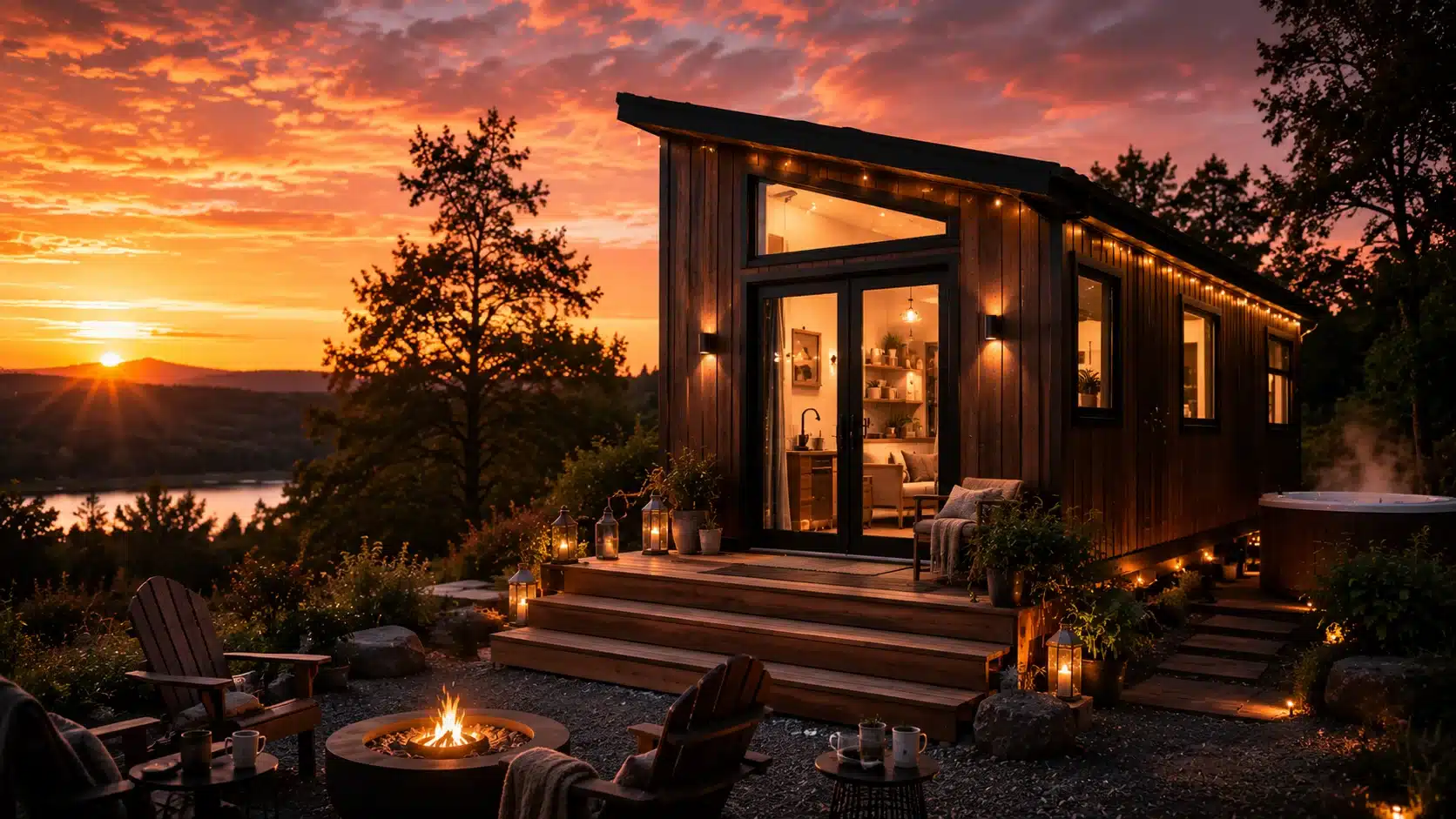
- fire pits
- string lights
- private decks
- outdoor tubs
- scenic views
- nature-focused experiences
Guests pay for the experience, not just the sleeping space.
Done right, this can become a serious business rather than just side income.
How Much Does a Tiny House Cost in 2026?
This matters because profit depends on start-up cost.
Typical price ranges:
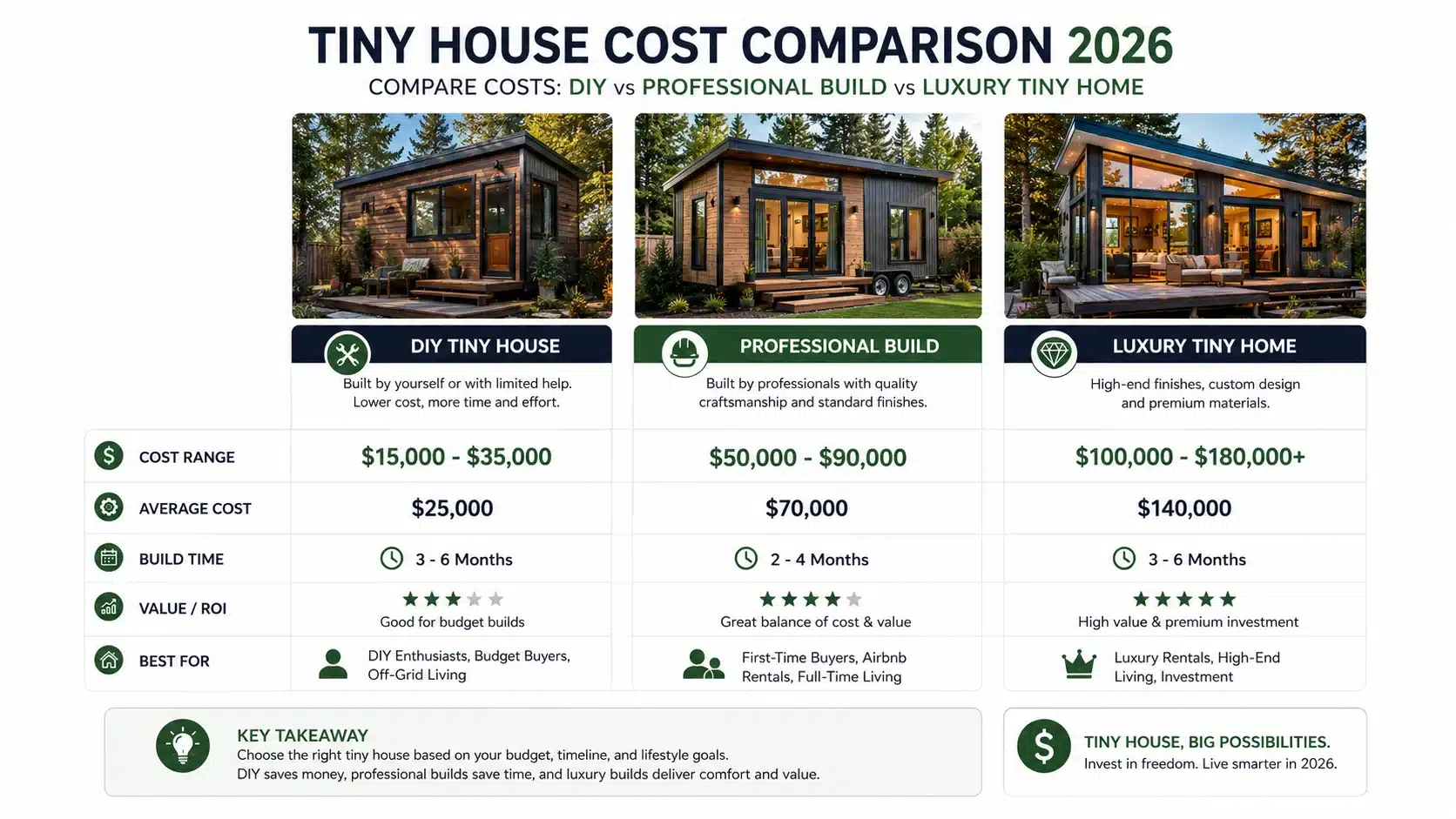
DIY Tiny House
$25,000–$80,000
Best for people with building skills and time.
Professionally Built Tiny House
$60,000–$180,000+
Depends on size, finishes, mobility, and custom features.
Luxury Tiny Homes
$150,000–$300,000+
These can command premium nightly rental rates.
Then there’s land, permits, hook-ups, utilities, furniture, and insurance.
That’s where many beginners underestimate costs.
Biggest Challenges You Should Know About
Tiny houses can make money, but they’re not magic.
Here are the big obstacles.
Zoning Rules
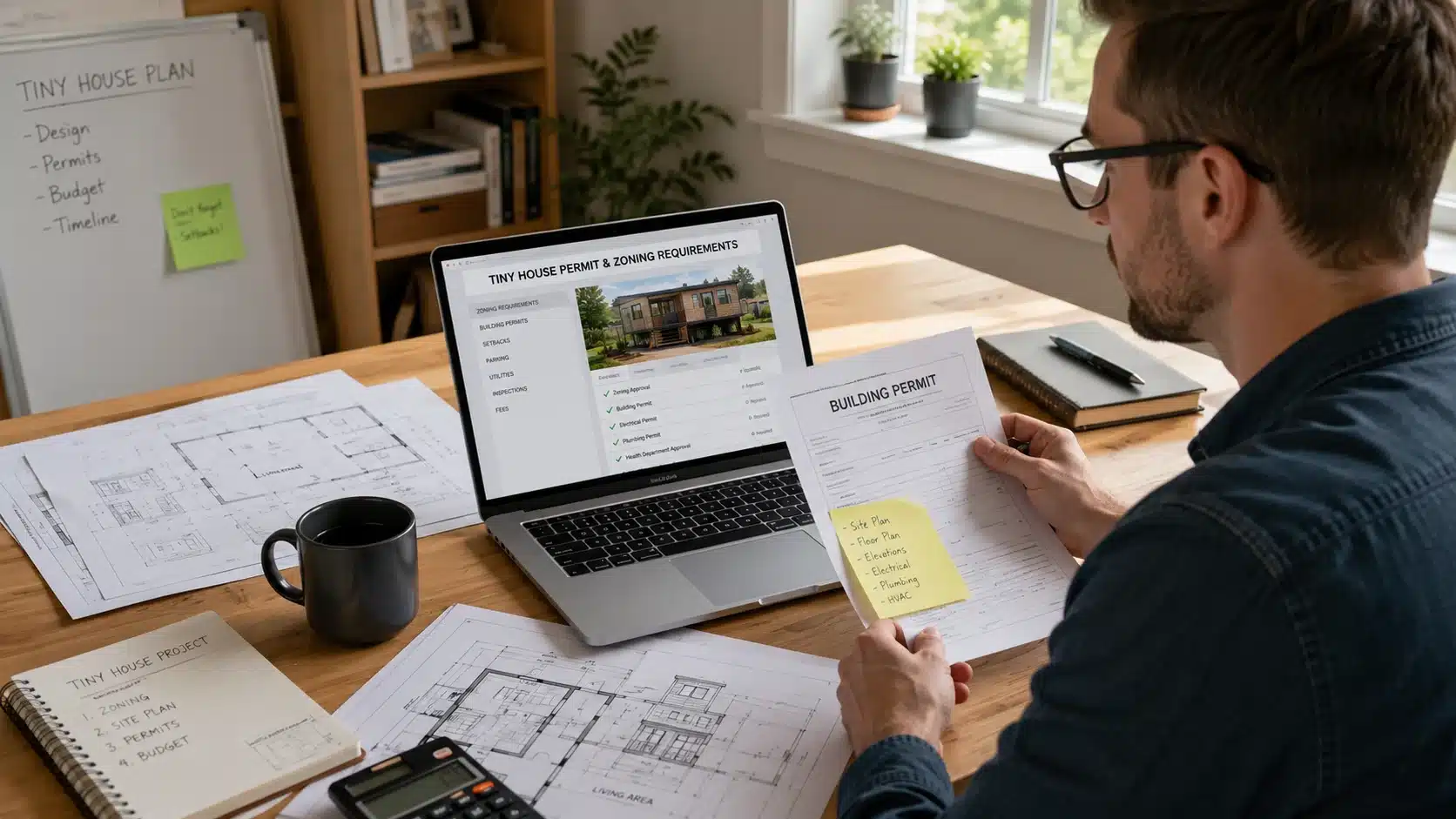
This is the headache nobody likes talking about.
Some cities are tiny-house friendly.
Others absolutely are not.
Rules may affect:
- where you can place it
- whether short-term rentals are allowed
- parking requirements
- utility hook-ups
- ADU legality
- occupancy rules
Always check local regulations first.
Seriously.
This can save you thousands.
Financing Can Be Tricky
Traditional mortgage options don’t always work for tiny houses.
Especially if the unit is movable.
Some buyers use:
- RV loans
- personal loans
- builder financing
- cash
- home equity financing
Loan terms vary a lot.
Maintenance Still Exists
Smaller doesn’t mean zero maintenance.
You’ll still deal with:
- plumbing repairs
- roof upkeep
- HVAC maintenance
- appliance replacement
- guest wear and tear
Rental properties always need attention.
Best Locations for Tiny House Income
Location changes everything.
Strong markets often include:
- tourist towns
- national park areas
- beach destinations
- mountain regions
- college towns
- suburban backyard rental markets
- remote work-friendly areas
A gorgeous tiny house in the wrong place may struggle.
An average tiny house in the right place can perform really well.
Is Passive Income With Tiny Houses Actually Passive?
Let’s be honest.
Not completely.
If you manage guests, cleaning, bookings, repairs, and communication yourself, it’s active work.
It becomes more passive if you outsource:
- cleaning teams
- guest messaging
- maintenance
- property management
That reduces your time commitment, though it also cuts profit margins.
Who Should Consider This?
Tiny house income works best for people who:
- already own land
- enjoy hospitality
- want a side hustle
- like real estate investing
- want a lower-cost entry point than full property investing
- enjoy unique business ideas
It’s less ideal if you hate dealing with regulations, guest communication, or unexpected repairs.
Final Verdict: Can You Make Money With a Tiny House in 2026?
Yes, absolutely.
A tiny house can create income in several ways:
- Airbnb rentals
- long-term rentals
- backyard ADUs
- flipping
- event rentals
- glamping businesses
- commercial use
The key is buying or building with a plan.
A random tiny house purchase without checking zoning, demand, or costs can become an expensive mistake.
A well-planned tiny house in the right market can become a strong income-producing asset.
If you’ve been wondering whether tiny houses are just a trend or a real business opportunity, 2026 makes one thing pretty clear:
They can absolutely make money when done right.