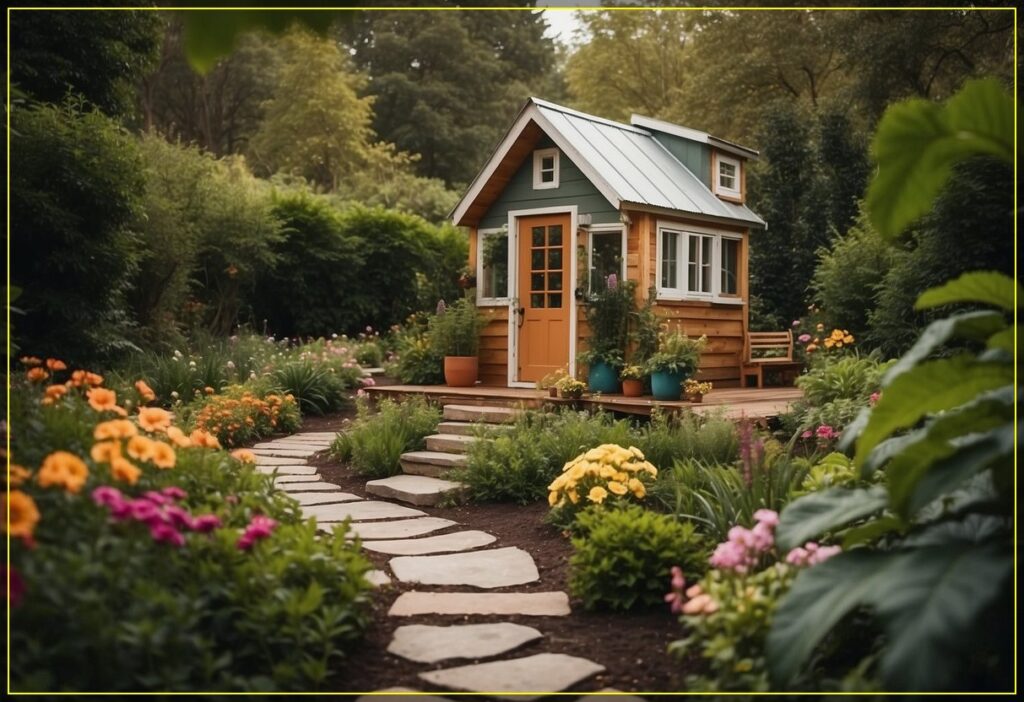
Tiny House Laws in Oklahoma: 2026 Guide
Tiny house living can work well in Oklahoma. The state has cities, small towns, and large rural areas.
But the rules are not the same everywhere.
Tiny house laws in Oklahoma depend on the type of home and the property. Local rules can also affect what you can build.
Are Tiny Houses Legal in Oklahoma?
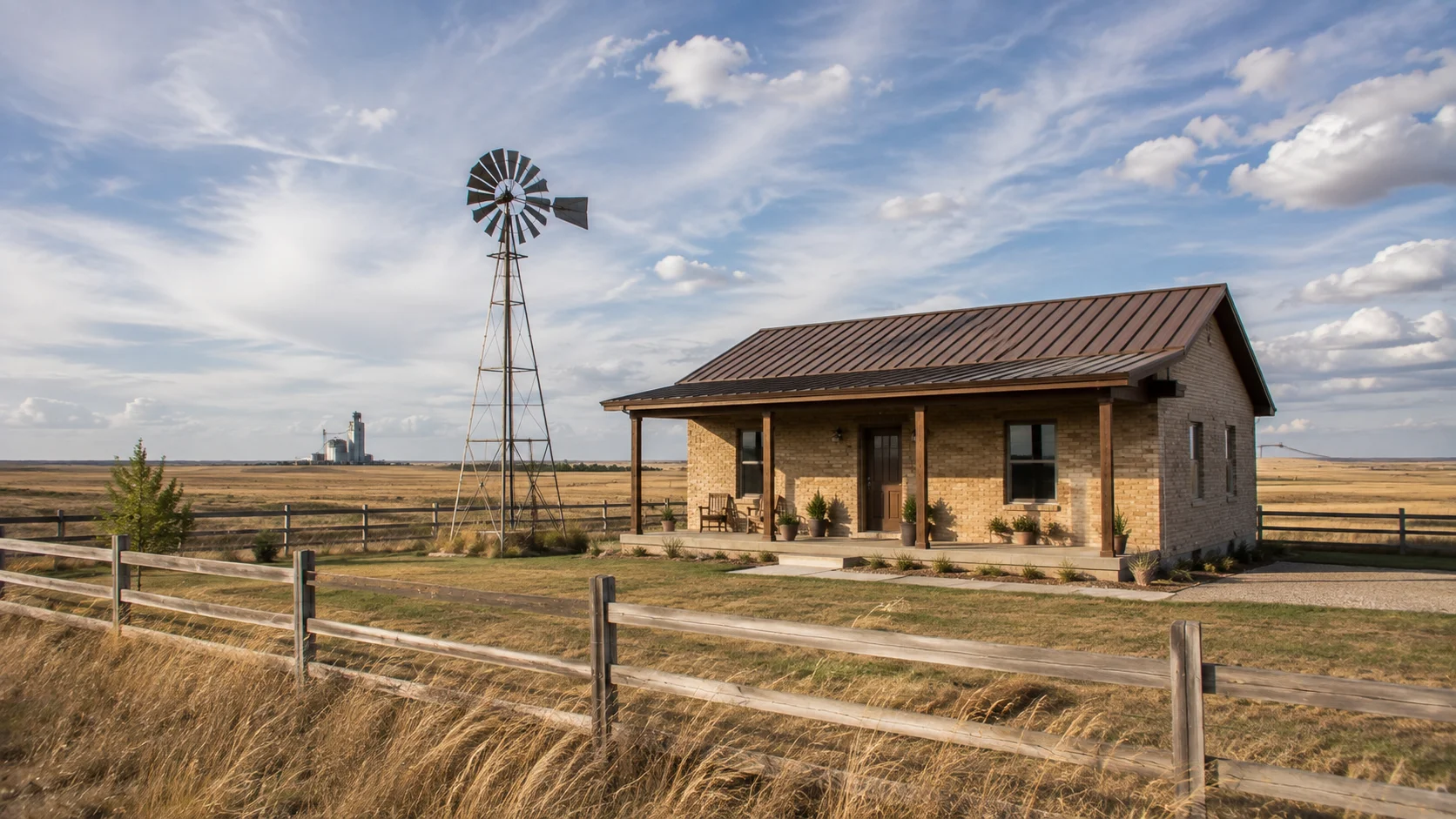
Yes, tiny houses can be legal in Oklahoma.
However, there is no simple rule that allows every tiny house on every property.
Oklahoma has statewide minimum building codes. Local governments can use these codes and may adopt stricter rules.
As of August 2026, Oklahoma still uses its amended 2018 building codes. New 2024 codes take effect on September 14, 2026.
Always check the rules for your exact location.
Do You Need a Permit for a Tiny House?
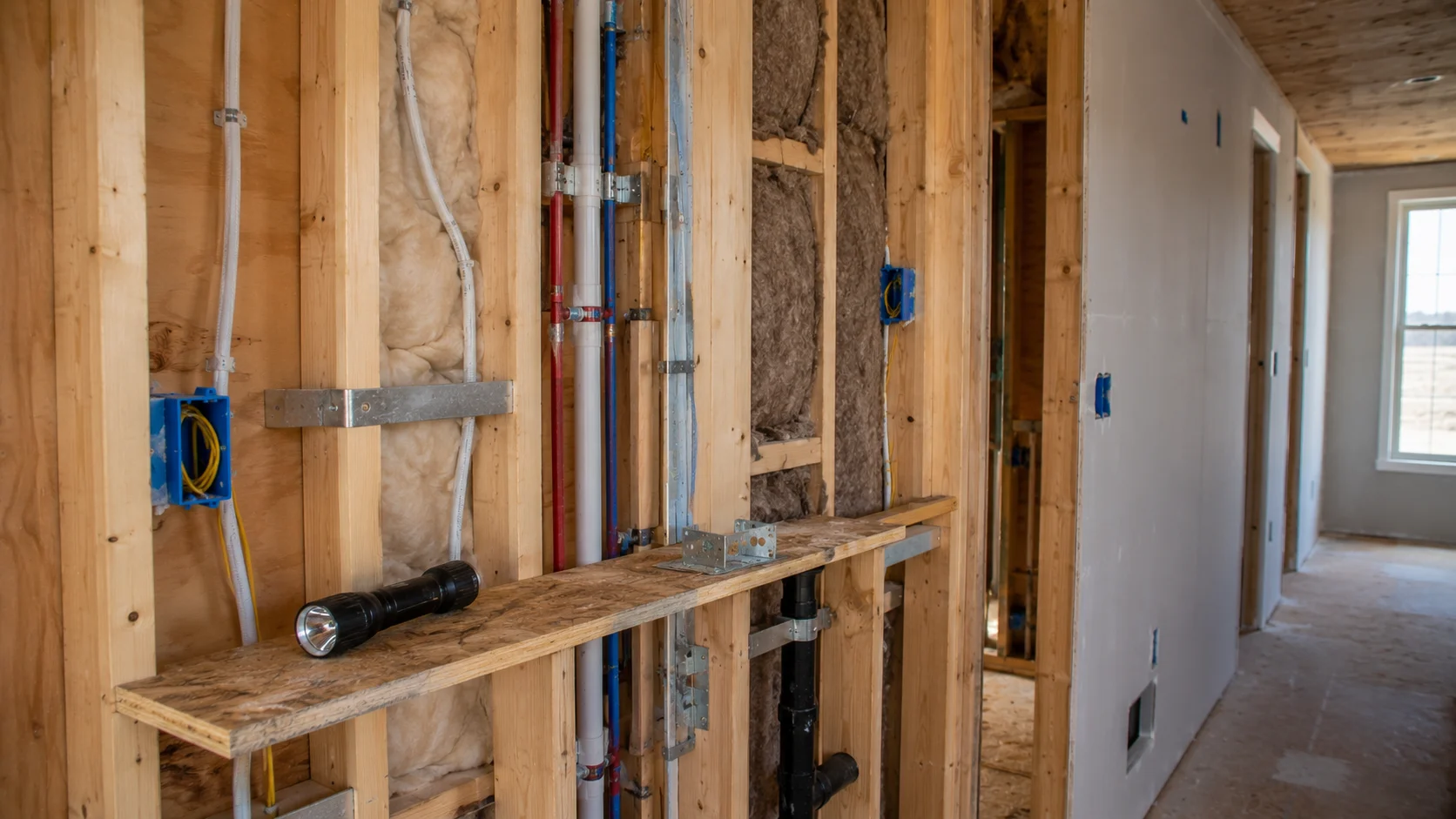
A permanent tiny house may need local permits and inspections.
Before you build, check:
- Building permits
- Zoning or land-use rules
- Setbacks
- Foundation requirements
- Electrical and plumbing rules
- Water supply
- Septic or sewer access
Oklahoma’s building code commission also recommends checking directly with the local jurisdiction before construction.
Do this before buying land.
Tiny Houses on Permanent Foundations
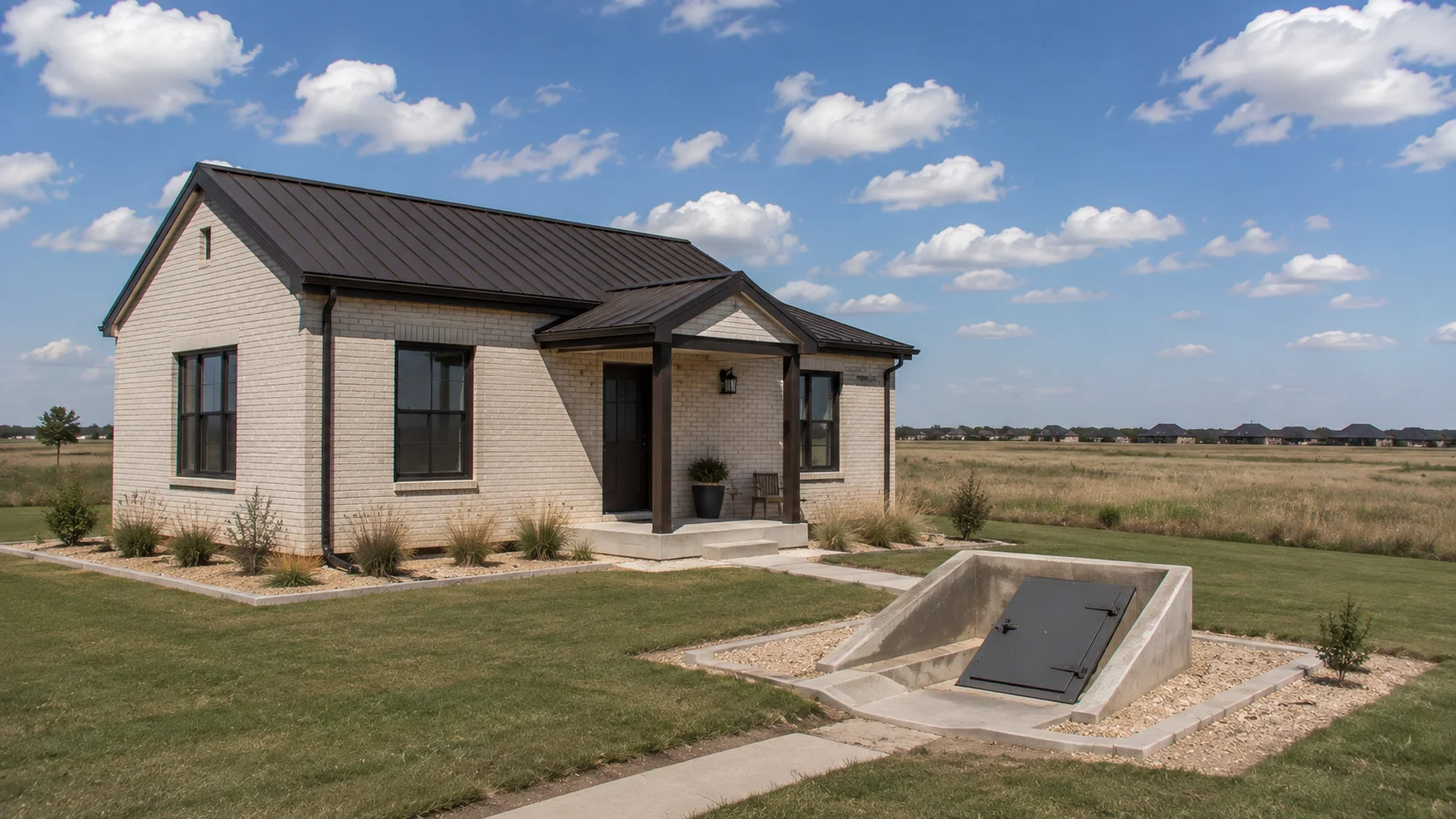
A permanent foundation can provide a clearer route for a tiny house used as a residence.
The home still needs to meet the building rules that apply to the project. Local rules may also control its size and location.
Manufactured homes follow separate standards. Oklahoma requires new manufactured homes to follow federal HUD installation standards or approved manufacturer instructions.
Do not assume that a manufactured home and a site-built tiny house follow the same rules.
Tiny Houses on Wheels in Oklahoma
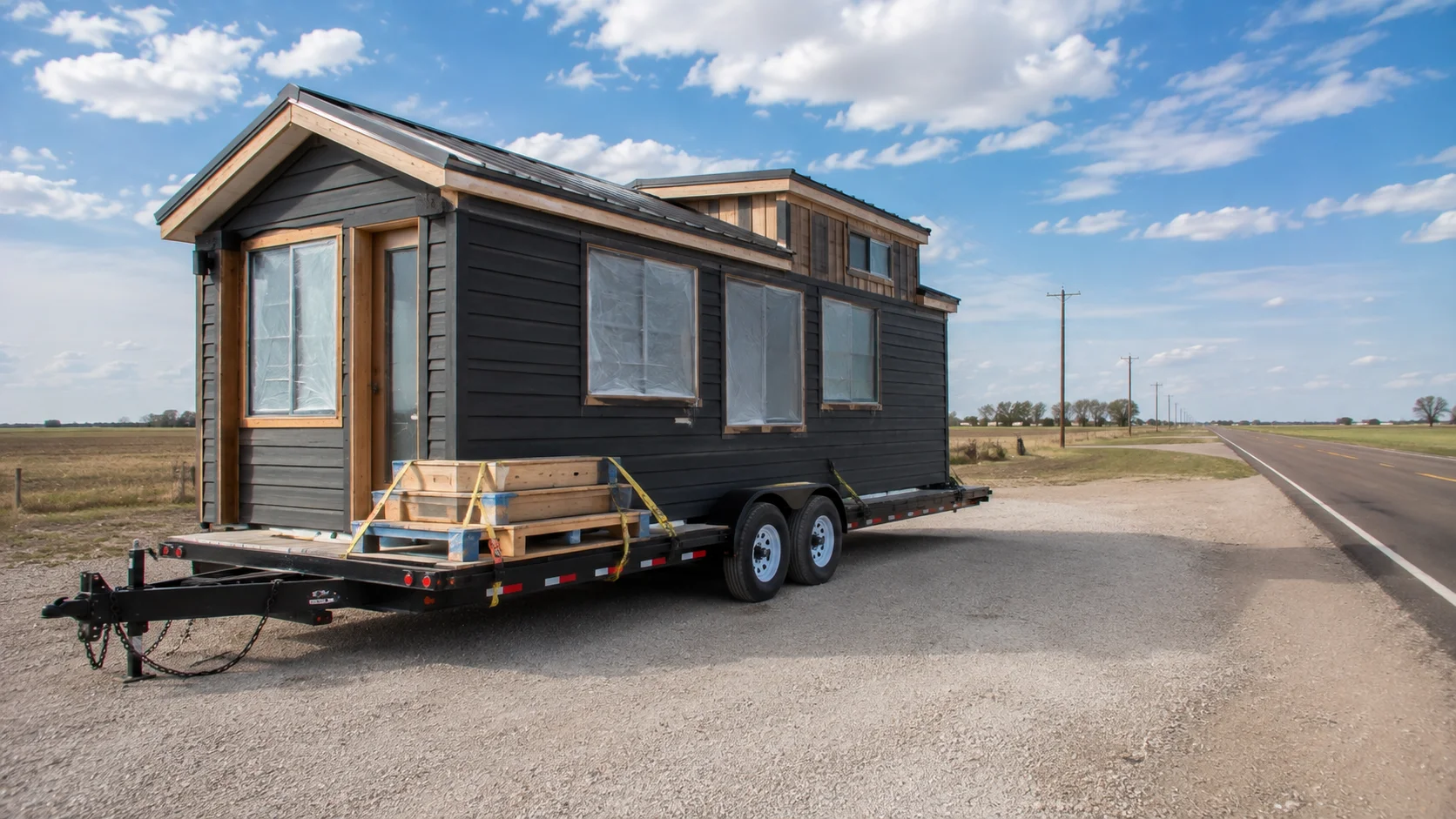
Tiny houses on wheels can be more complicated.
A trailer chassis does not automatically make a THOW legal for full-time residential use. Its classification matters.
A local authority may treat it differently from a permanent house. Rules can also depend on whether officials classify the unit as an RV, manufactured home, or another type of structure.
Check the classification before buying the unit or preparing the site.
Septic Rules for Rural Tiny Houses
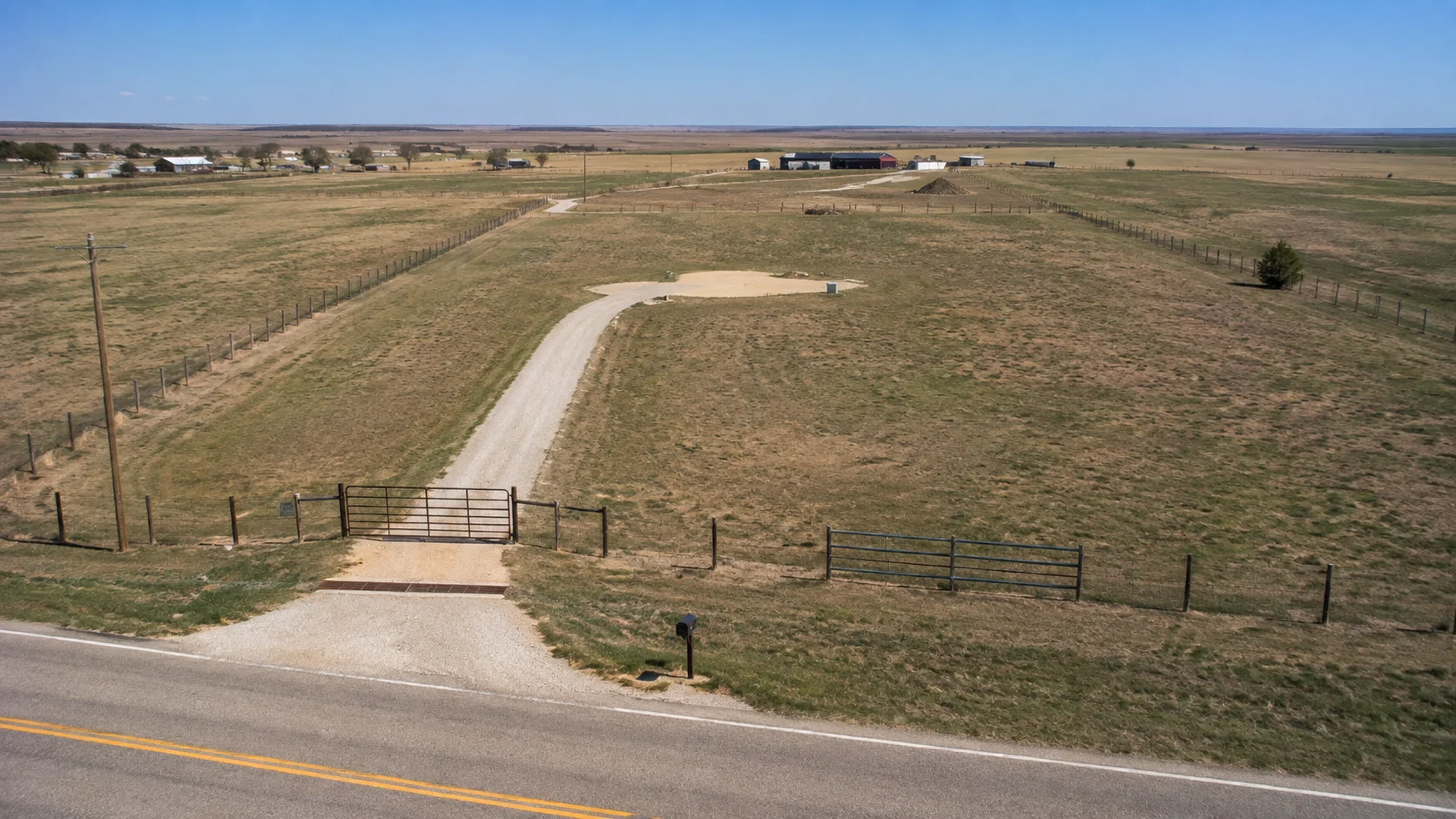
Planning a rural tiny house? Pay close attention to wastewater.
Oklahoma DEQ regulates on-site sewage systems. Before installing a new system, you generally need authorization to construct or the required permit.
The site may also need a soil test. Soil conditions help determine the correct type and size of septic system.
Since November 1, 2025, a person who is not DEQ-certified can install only one on-site sewage system per calendar year. The system still has to follow DEQ rules.
Where Can You Put a Tiny House in Oklahoma?
Start with the property, not the house.
Check local zoning, road access, utilities, setbacks, septic requirements, and private deed restrictions.
Rural land may provide more options. But acreage alone does not guarantee approval.
Can You Live in a Tiny House Full-Time?
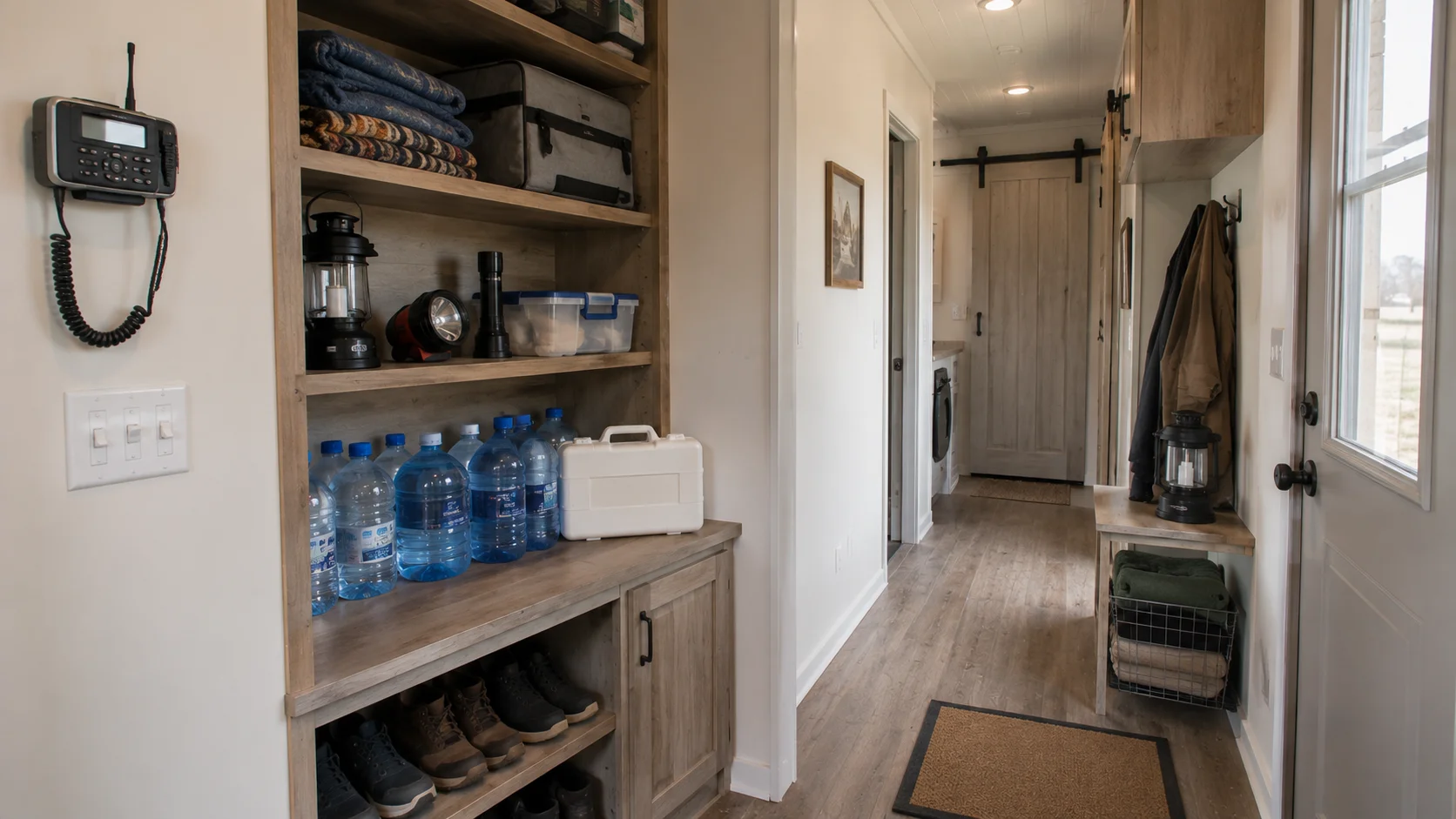
Yes, full-time living may be possible.
For a permanent home, confirm that the property allows residential use. Then check building, utility, foundation, and wastewater requirements.
For a THOW, confirm how local officials classify the unit first.
Final Thoughts
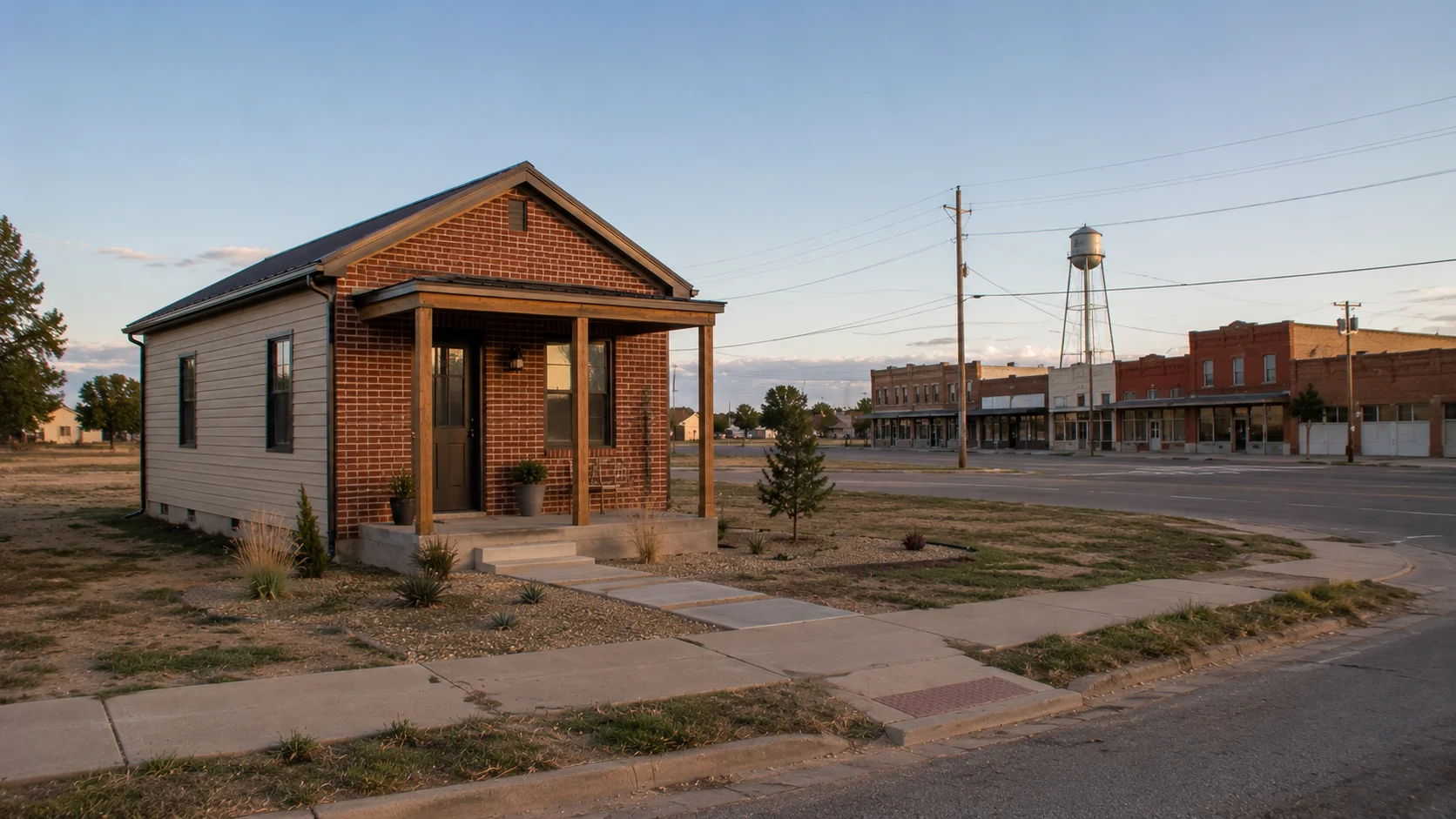
Tiny houses can be legal in Oklahoma, but there is no statewide shortcut around local rules.
Check the exact property before buying land or ordering a home. Also remember that Oklahoma’s new 2024 building codes take effect September 14, 2026.
For rural properties, Oklahoma Department of Environmental Quality provides current information about septic systems.
This article provides general information and is not legal advice.