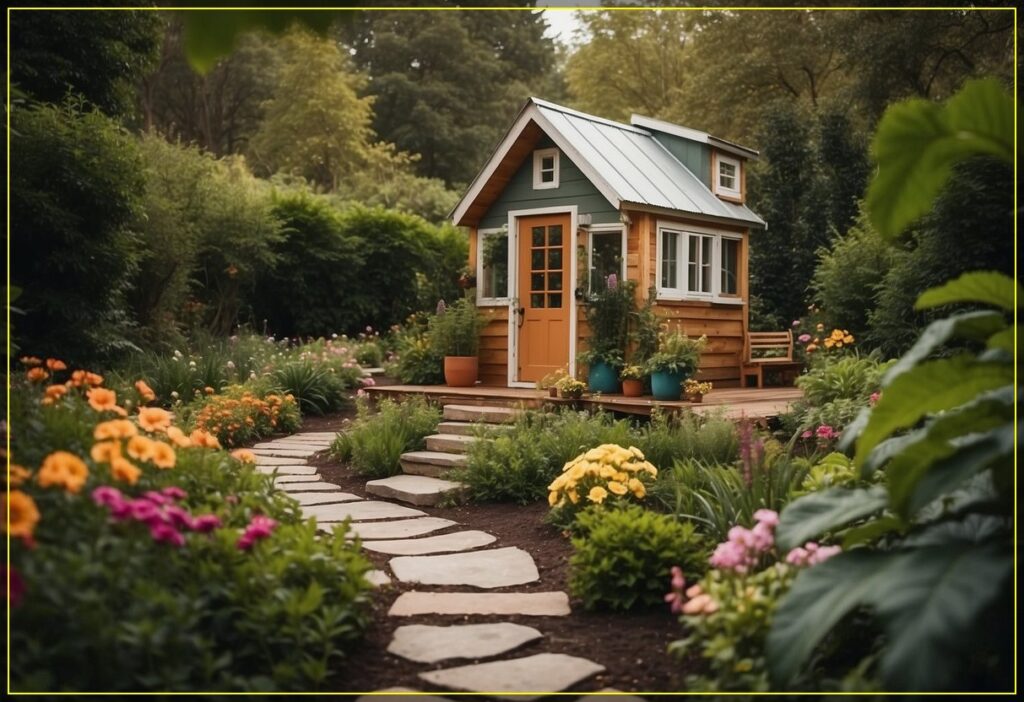
Tiny House Laws in Louisiana: 2026 Guide
Tiny house living can work well in Louisiana. But you need to understand the rules before you build or buy land.
The good news is that Louisiana recognizes tiny houses in its residential building code. Still, building codes are only part of the story.
Tiny house laws in Louisiana also depend on local land rules, the type of home, and flood risk.
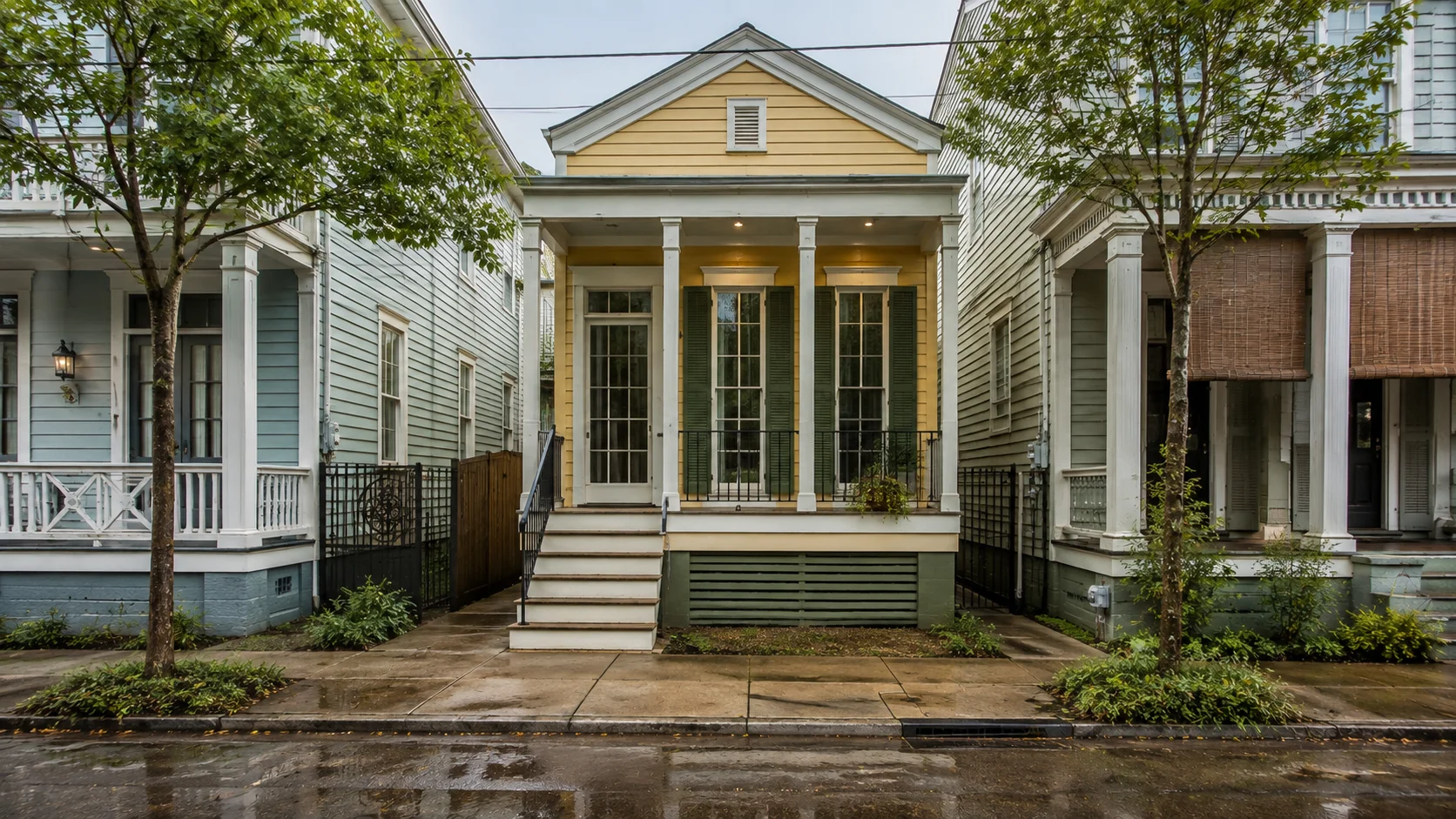
Are Tiny Houses Legal in Louisiana?
Yes. Tiny houses can be legal in Louisiana.
Louisiana uses the 2021 International Residential Code for residential construction. The state code also includes Appendix AQ for Tiny Houses. This appendix provides special building rules for small homes.
However, this does not mean you can place a tiny house on any lot.
Local land-use rules still matter.
Do You Need a Permit for a Tiny House?
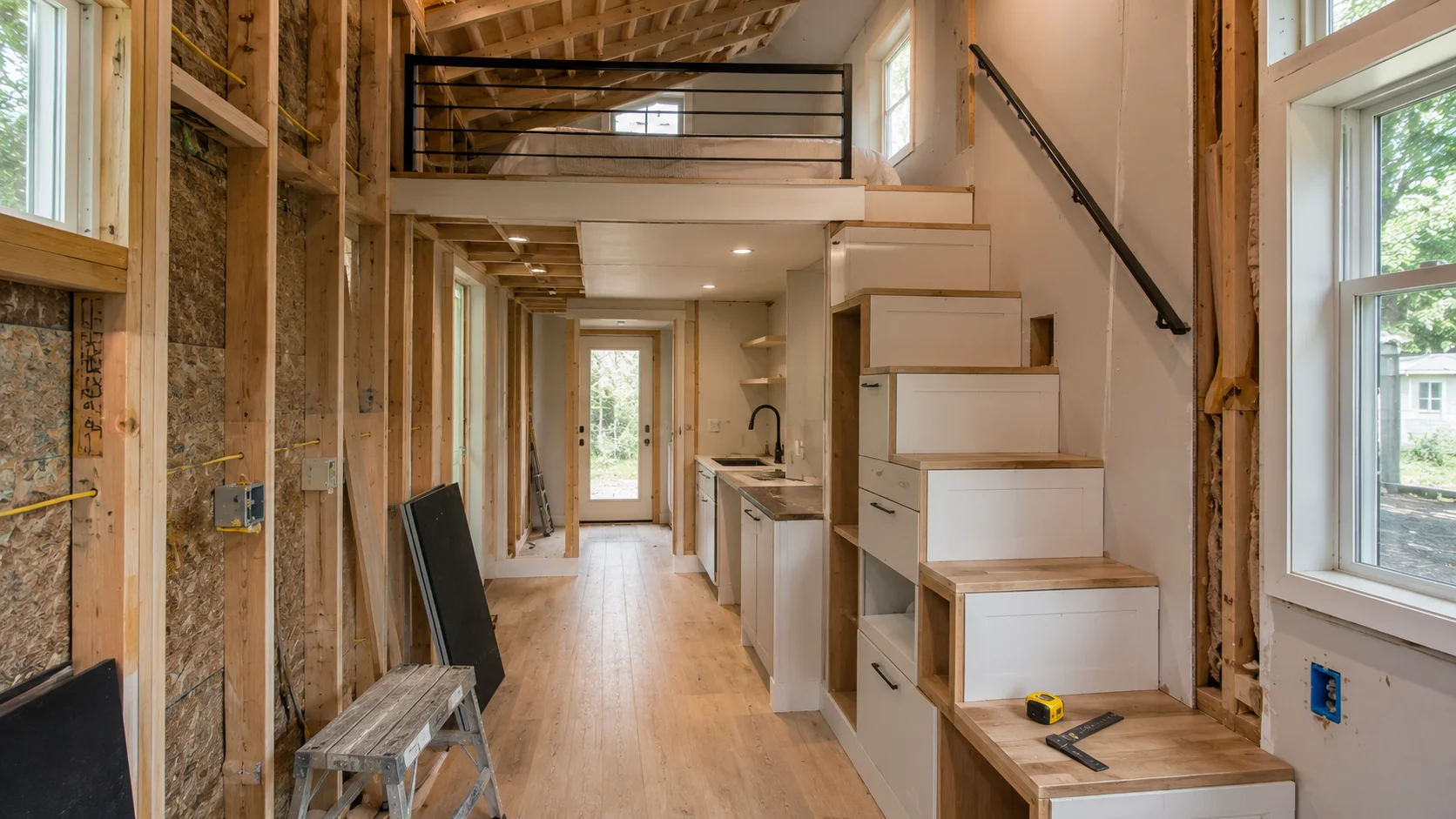
For a permanent tiny house, expect to work with the local permit office.
Local officials handle building permits, plan reviews, and inspections.
Before you build, check:
- Building permits
- Local zoning
- Setbacks
- Water and sewer or septic
- Electrical work
- Foundation rules
- Flood-zone requirements
Check these items before buying land. A building code does not override every local restriction.
Tiny Houses on Permanent Foundations
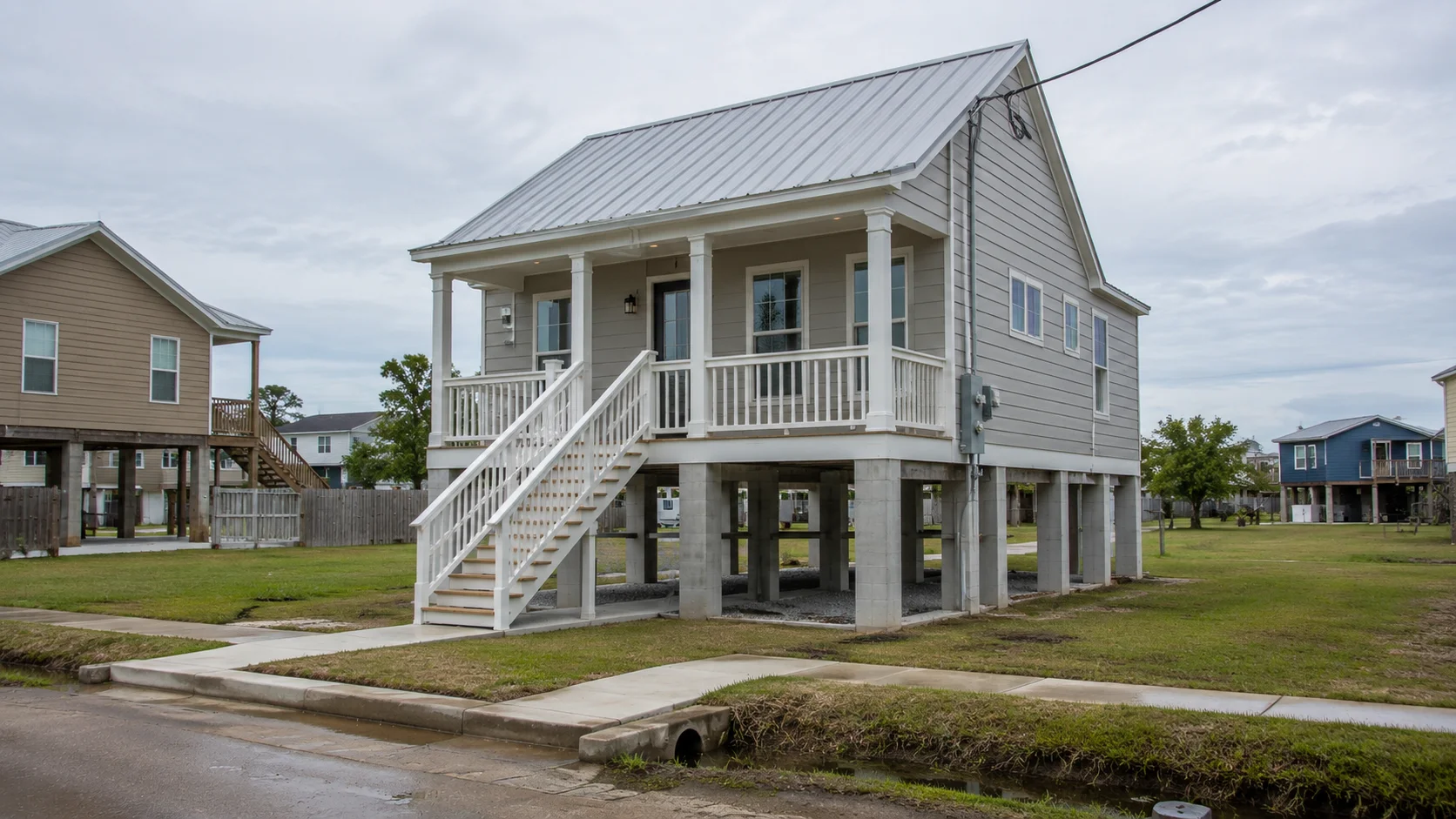
A permanent tiny house can qualify as a residential home if it meets the rules that apply to the project.
Louisiana’s adoption of Appendix AQ is important here. It provides standards designed for tiny houses rather than forcing every small home into rules written only for larger houses.
Modular homes follow additional state rules. Louisiana requires new and used modular homes to meet the International Residential Code during installation.
Tiny Houses on Wheels in Louisiana
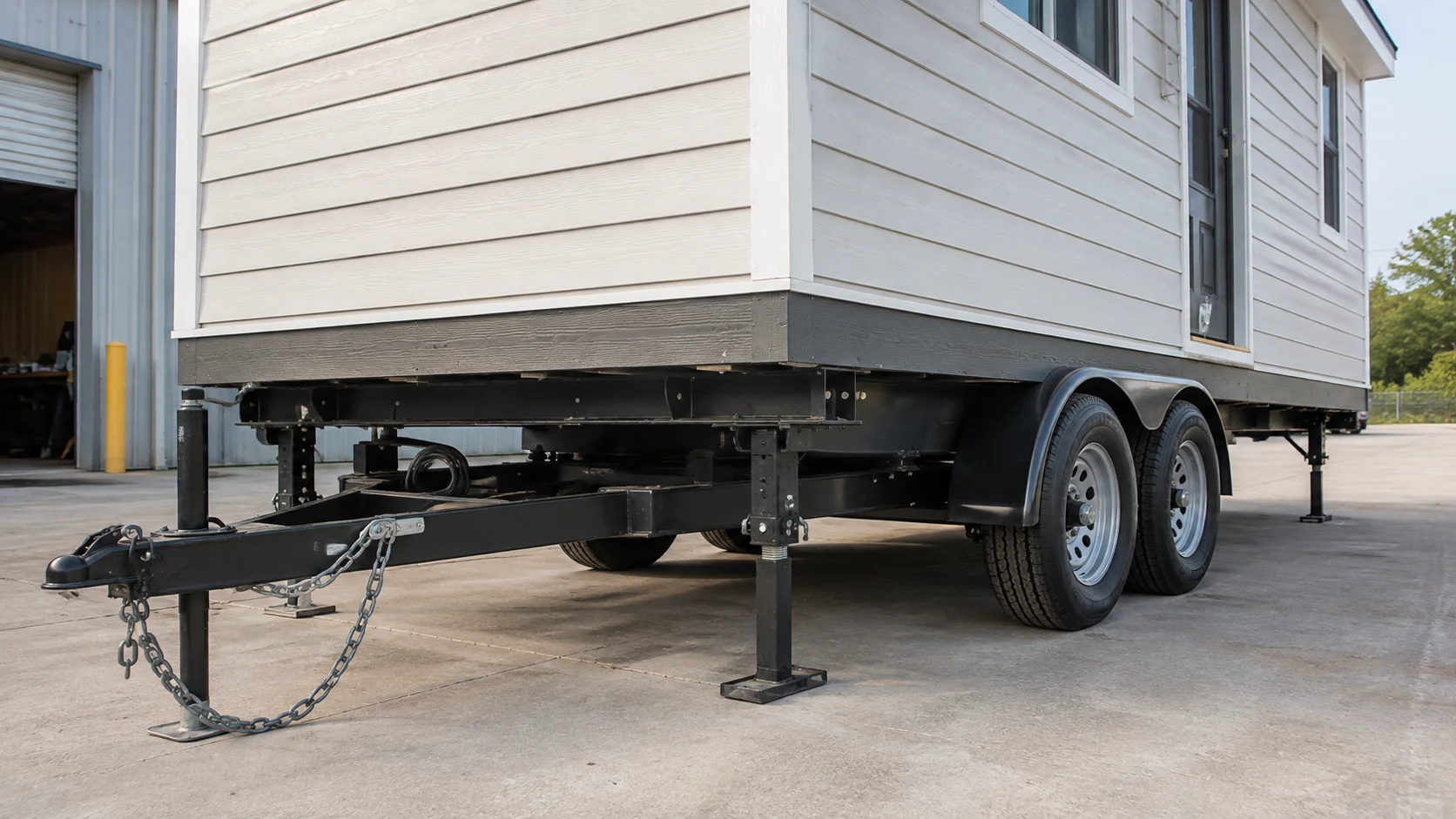
Tiny houses on wheels need more research.
Do not assume that a house on a trailer automatically qualifies as a permanent home. Its legal status depends on how officials classify the structure and how you plan to use it.
Manufactured homes have their own state installation rules. Louisiana requires approved anchors and other installation standards for these homes.
Before buying a THOW, ask the local authority whether you can use that specific type of unit as a full-time home.
Flood Zones and Tiny Houses
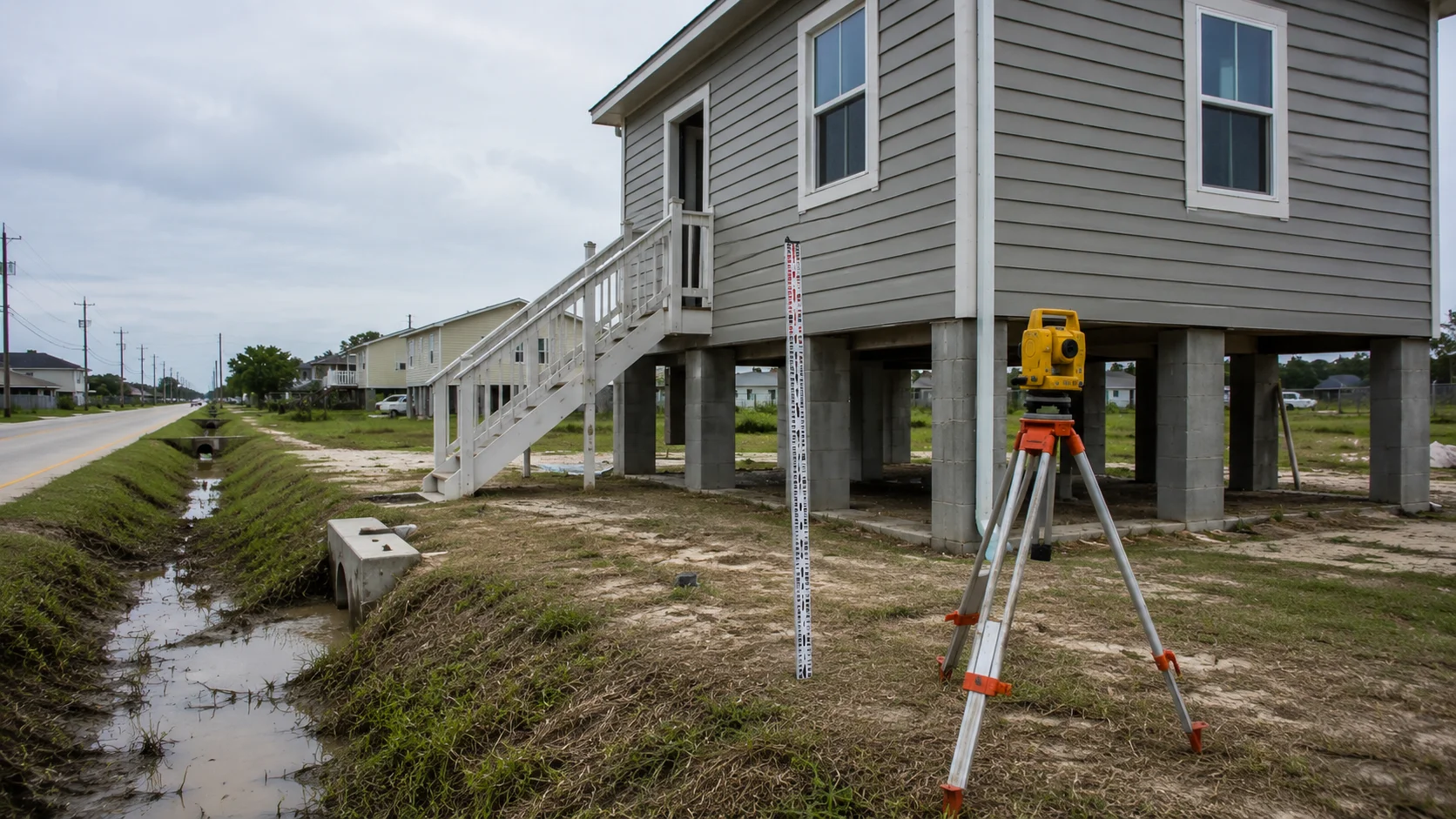
This is a major issue in Louisiana.
If your property sits in a flood-prone area, you may face extra foundation and elevation rules.
Louisiana law requires manufactured homes in flood-prone areas to follow applicable FEMA foundation requirements. Local governments can also require extra height above the base flood elevation. Permit records must show the site’s base flood elevation and required finished-floor elevation.
So check the flood zone before buying the property, not after designing the house.
Where Can You Put a Tiny House?
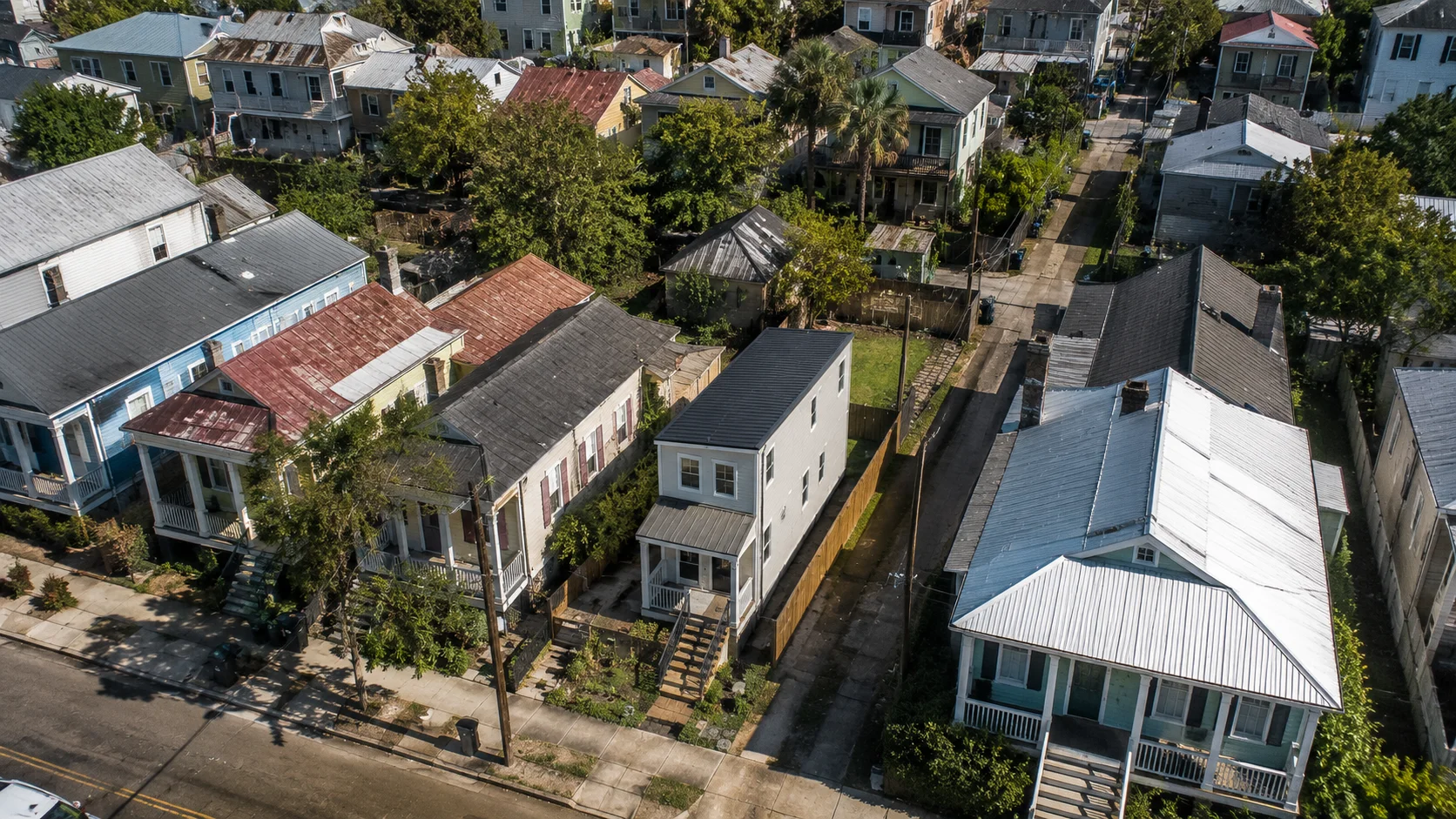
Rules vary by location.
Check local zoning and land-use rules first. Also check lot size, setbacks, utilities, flood requirements, and any HOA or deed restrictions.
Rural land may give you more choices, but never assume that rural means rule-free. Humans have demonstrated remarkable creativity when writing property regulations.
Can You Live in a Tiny House Full-Time?
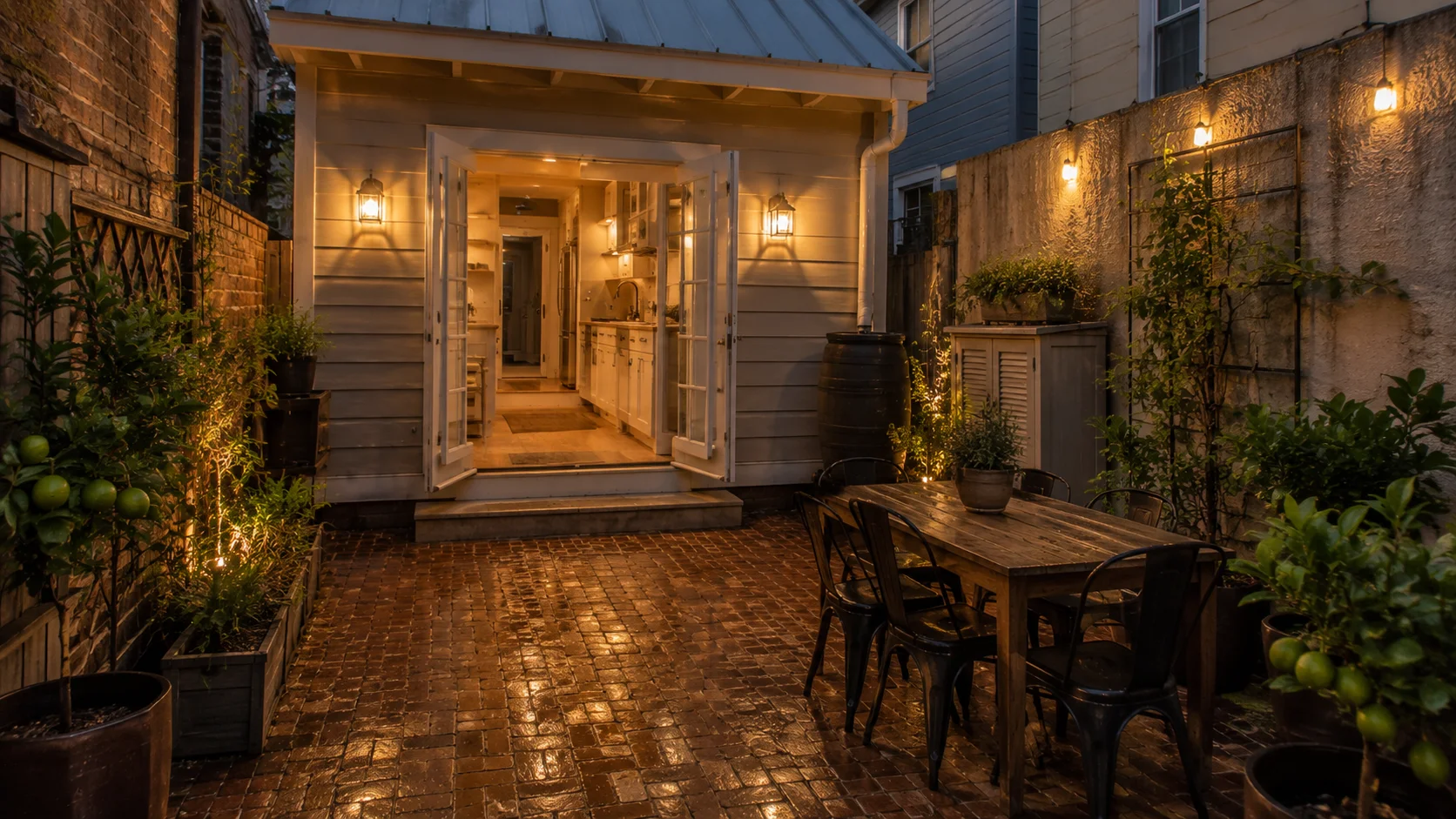
Yes, you may be able to live in a tiny house full-time in Louisiana.
For the safest route, use a home that meets residential building standards. Confirm that the property allows the home before construction starts.
For a tiny house on wheels, verify its classification and allowed use first.
Final Thoughts
Louisiana can be a good state for tiny house living. The state’s building code includes specific tiny-house standards through IRC Appendix AQ.
Still, location matters. Check local land rules, permits, utilities, and flood requirements before spending money.
This article provides general information and is not legal advice.