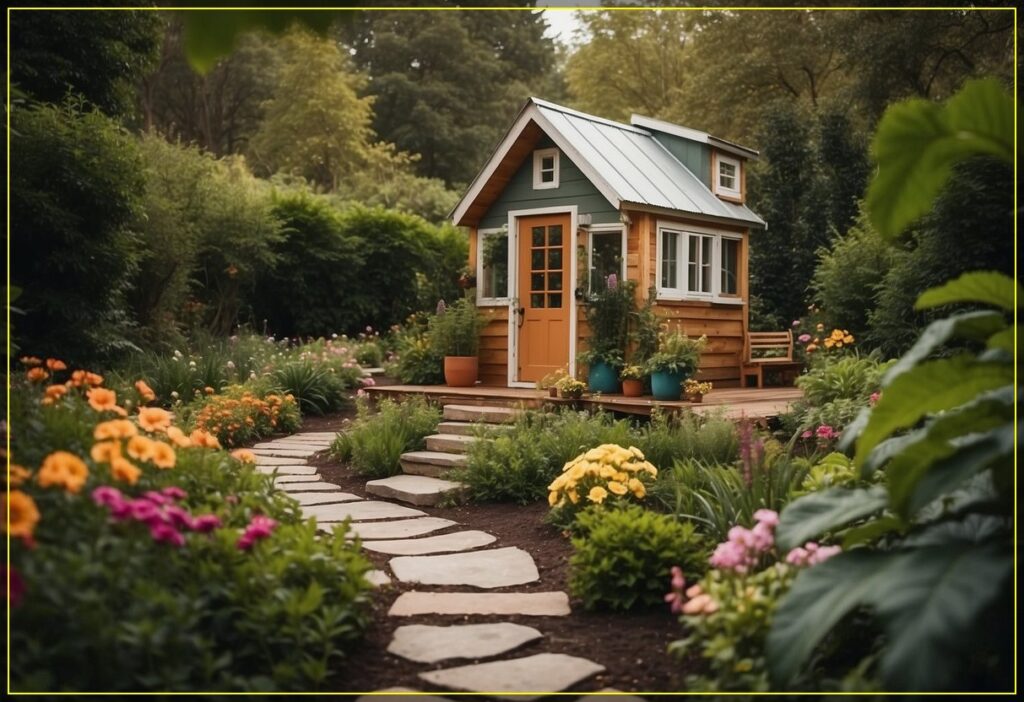
Tiny House Laws in Georgia: 2026 Guide
Tiny house living is becoming increasingly popular in Georgia, especially for people looking for affordable housing, rural property, or a simpler lifestyle. But before purchasing land or ordering a tiny home, it is important to understand the tiny house laws in Georgia.
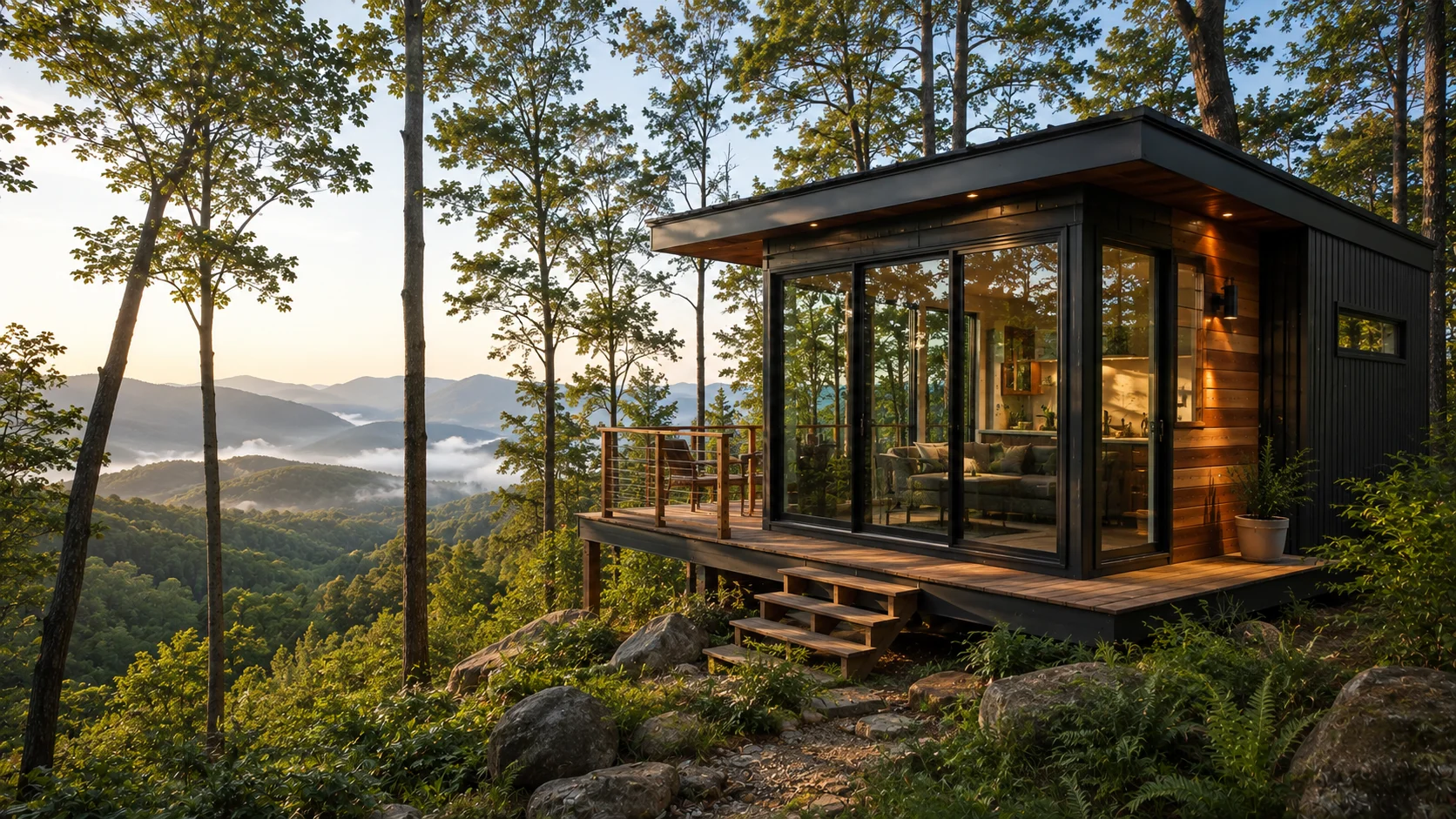
Tiny houses can be legal in Georgia, but the rules depend on the type of tiny house, state building codes, and local zoning regulations.
Are Tiny Houses Legal in Georgia?
Yes, tiny houses can be legal in Georgia.
The Georgia Department of Community Affairs (DCA) generally defines a tiny house as a single-family home of 400 square feet or less, excluding lofts. Georgia recognizes several different types of small homes, including site-built dwellings, modular homes, manufactured homes, and recreational vehicles. Different regulations can apply to each type.
As of January 1, 2026, Georgia’s mandatory construction codes include the 2024 International Residential Code (IRC) with Georgia Amendments.
However, building-code compliance does not automatically give you permission to place a tiny house anywhere.
Do You Need a Permit for a Tiny House?
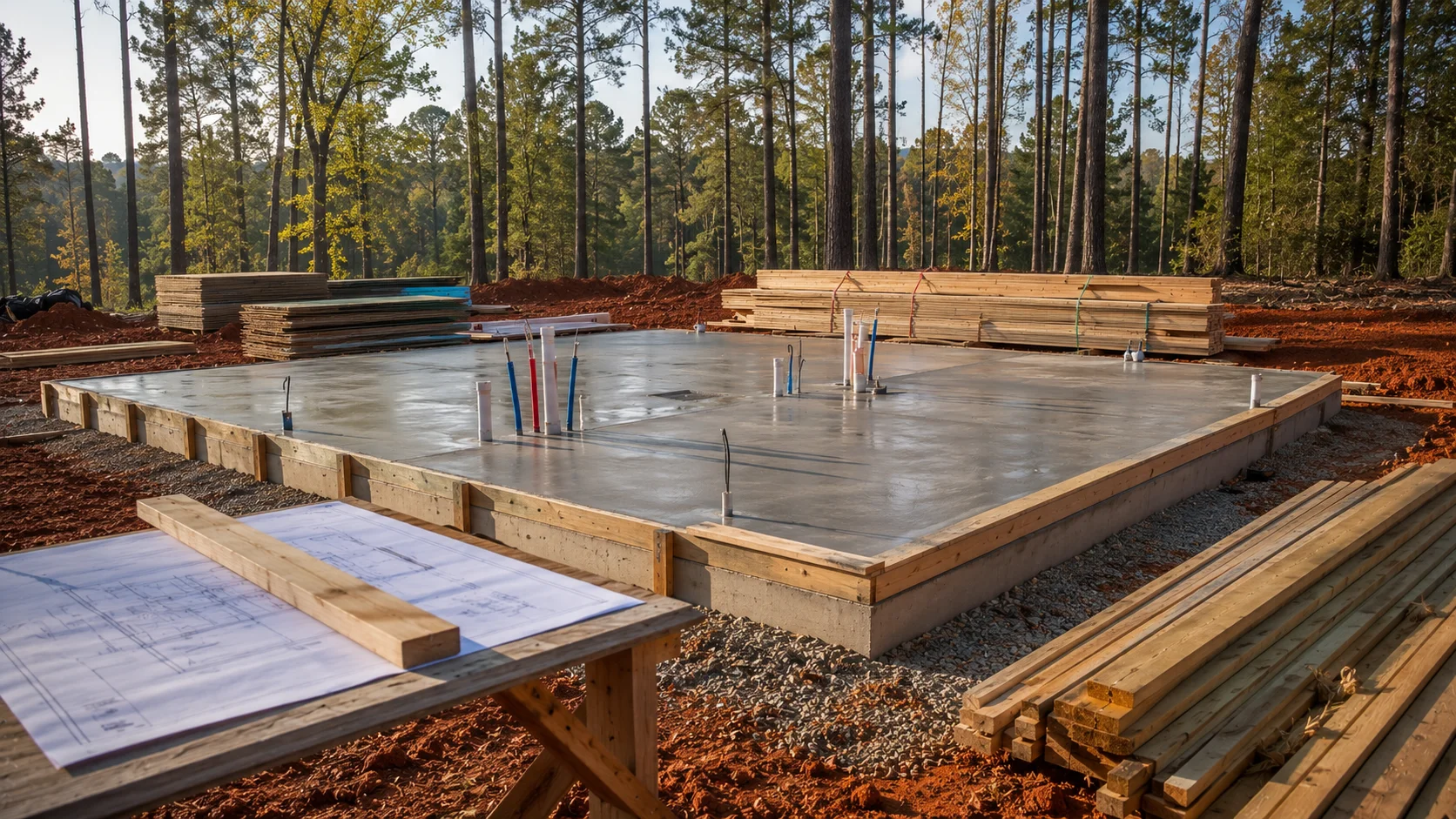
A site-built tiny house intended as a permanent residence will generally
need to comply with the same applicable building-code requirements as other residential dwellings.
Depending on the project and jurisdiction, this can involve:
- Building permits
- Electrical and plumbing approval
- Foundation requirements
- Septic or sewer approval
- Inspections
- Local zoning approval
Georgia’s mandatory state construction codes apply statewide, even when a local government does not directly enforce every code itself.
Always contact the local building department before starting construction.
Tiny Houses on Permanent Foundations
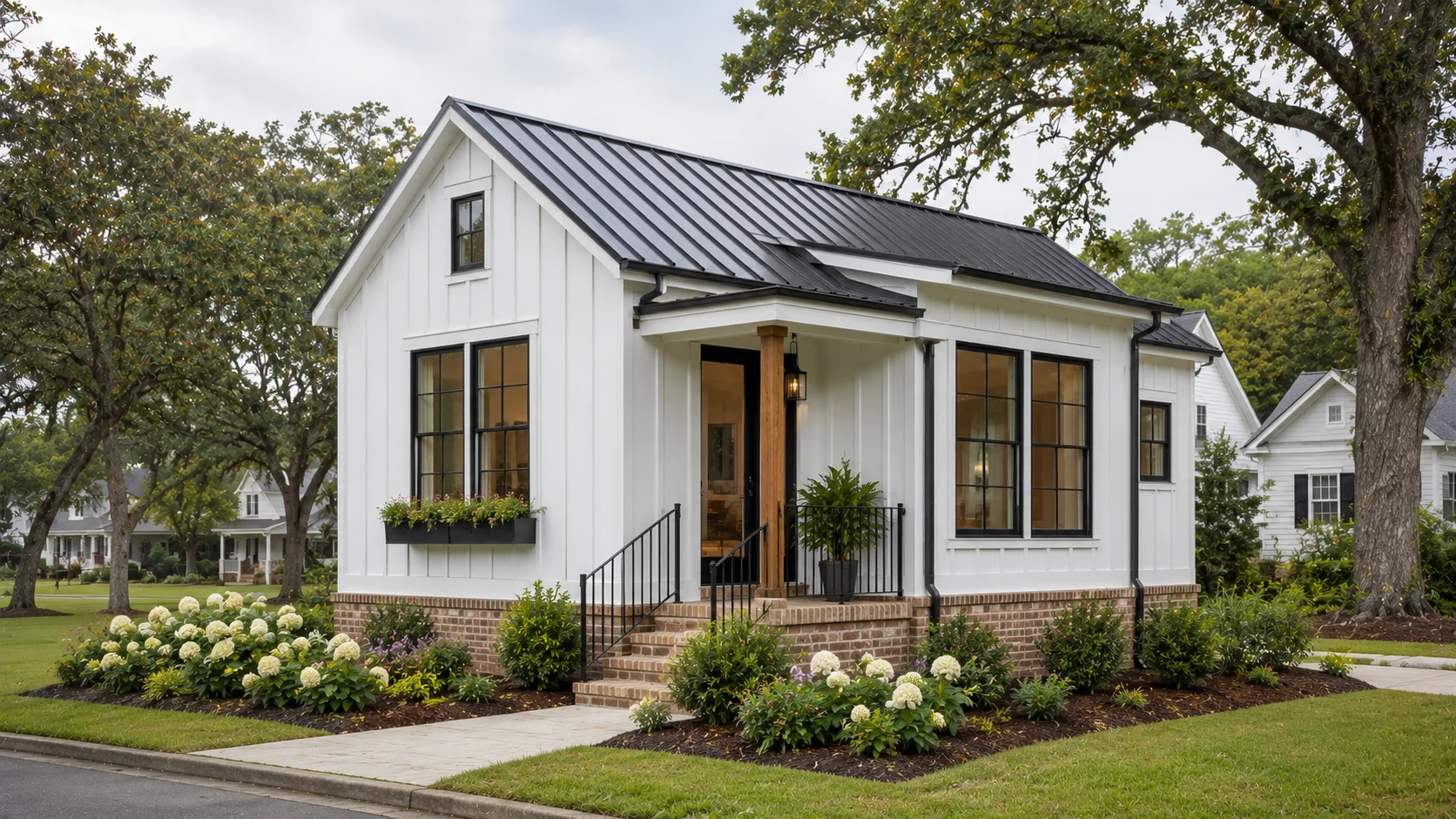
A tiny house built on a permanent foundation generally provides the clearest route toward legal full-time residential use.
Georgia’s DCA states that tiny homes considered dwelling units are subject to building-code requirements like traditional site-built homes. A dwelling must provide permanent facilities for sleeping, cooking, eating, living, and sanitation.
Local zoning can still regulate matters such as minimum building size, lot size, location, height, and foundation type.
Tiny Houses on Wheels in Georgia
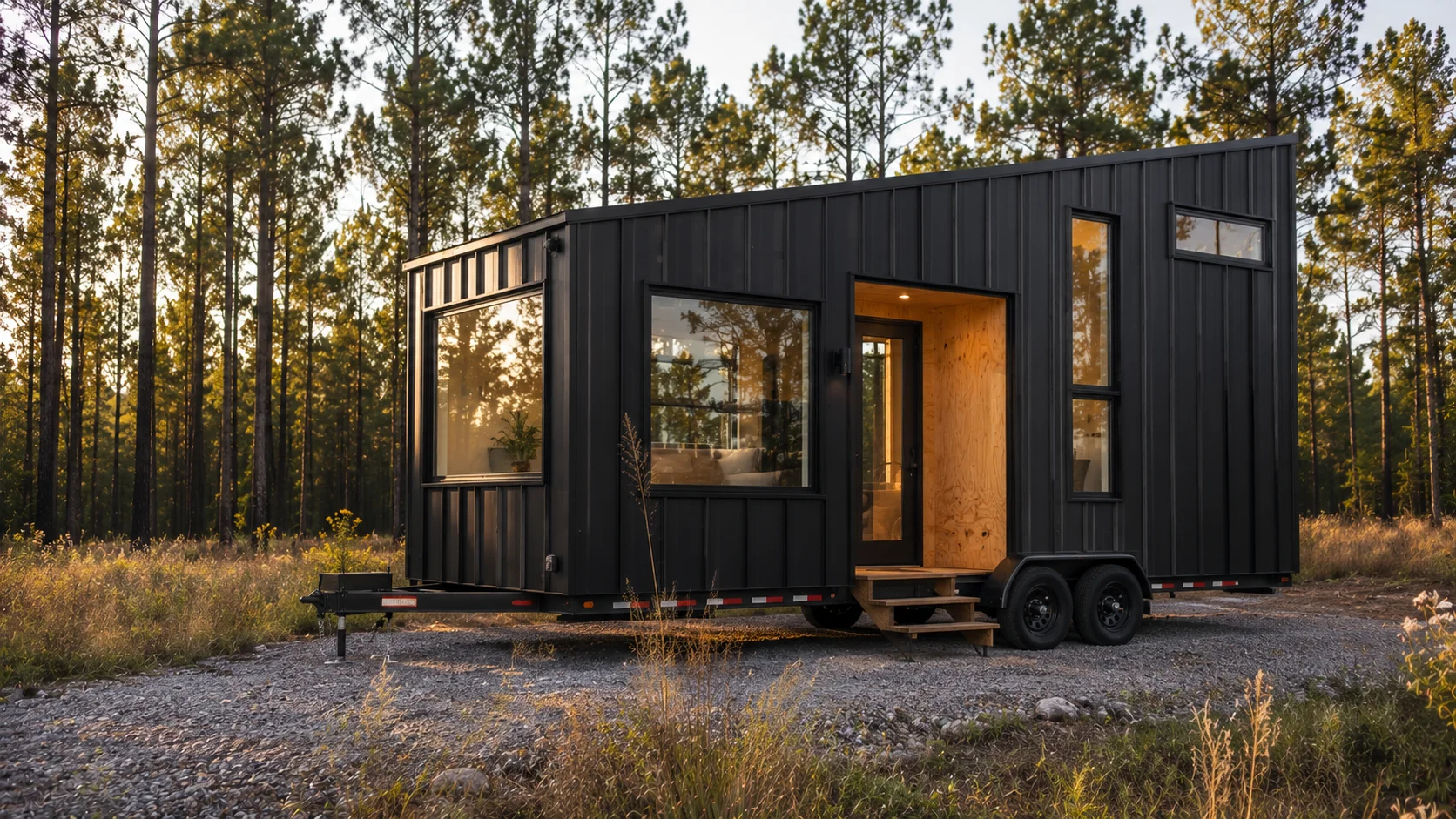
Tiny houses on wheels are more complicated.
Georgia distinguishes between site-built or modular tiny homes and structures such as recreational vehicles and manufactured homes. RVs and manufactured homes can fall under different regulatory standards rather than the normal residential building-code path.
Therefore, a tiny house having wheels does not automatically qualify it as a legal permanent residence.
This distinction is especially important if you plan to live in the home year-round.
Where Can You Put a Tiny House in Georgia?
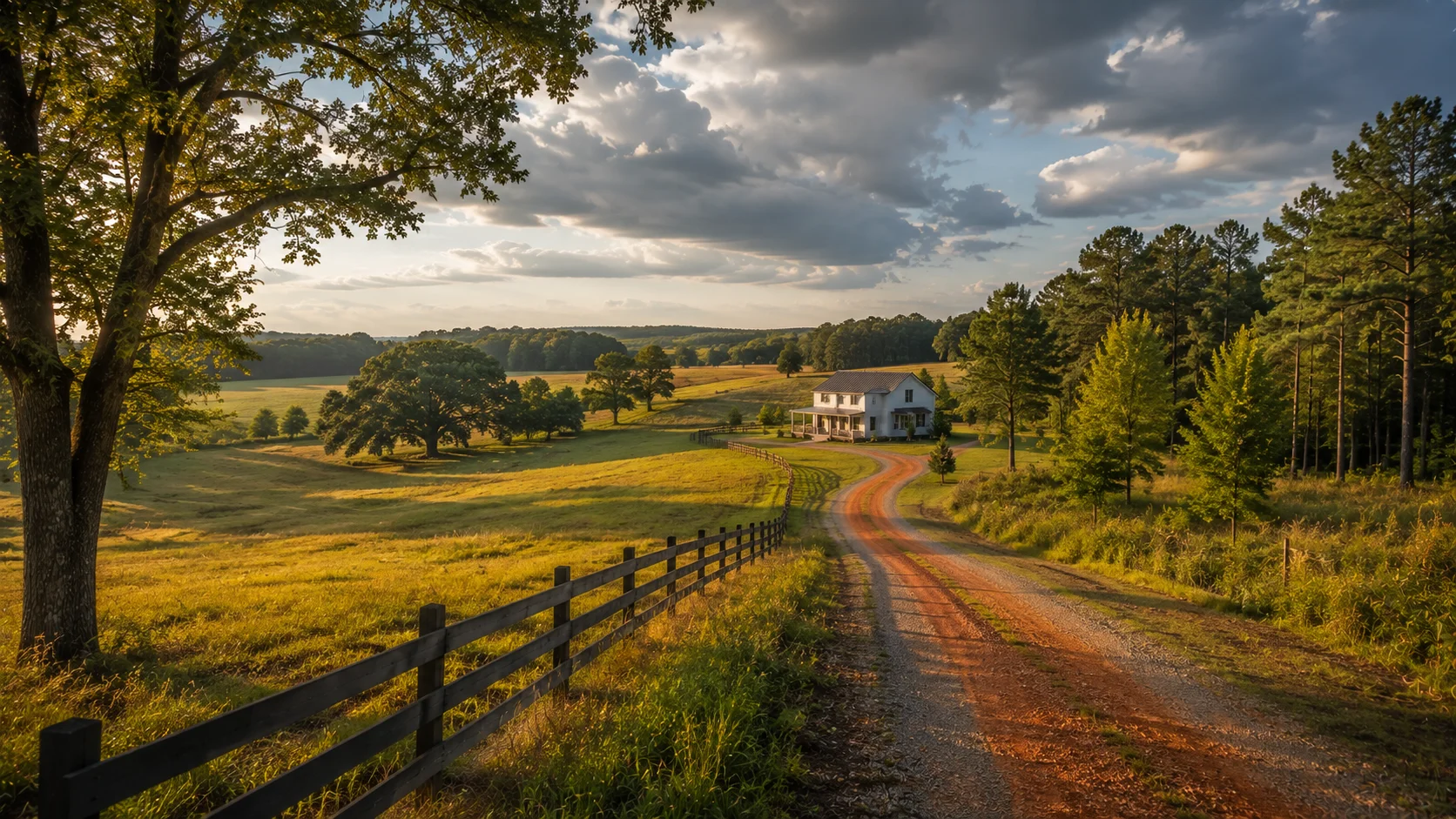
This is where local zoning becomes critical.
According to Georgia DCA, local governments may regulate factors including land use, building location, height, width, foundation type, number of stories, and minimum lot or building size. These requirements can vary significantly between jurisdictions.
Before purchasing land, check:
- Zoning classification
- Minimum dwelling size
- Minimum lot size
- Setback requirements
- RV restrictions
- Septic and water requirements
- HOA or deed restrictions
Do not assume rural land means there are no restrictions. Apparently even putting a very small house on a very large field can require a heroic quantity of paperwork.
Can You Live in a Tiny House Full-Time?
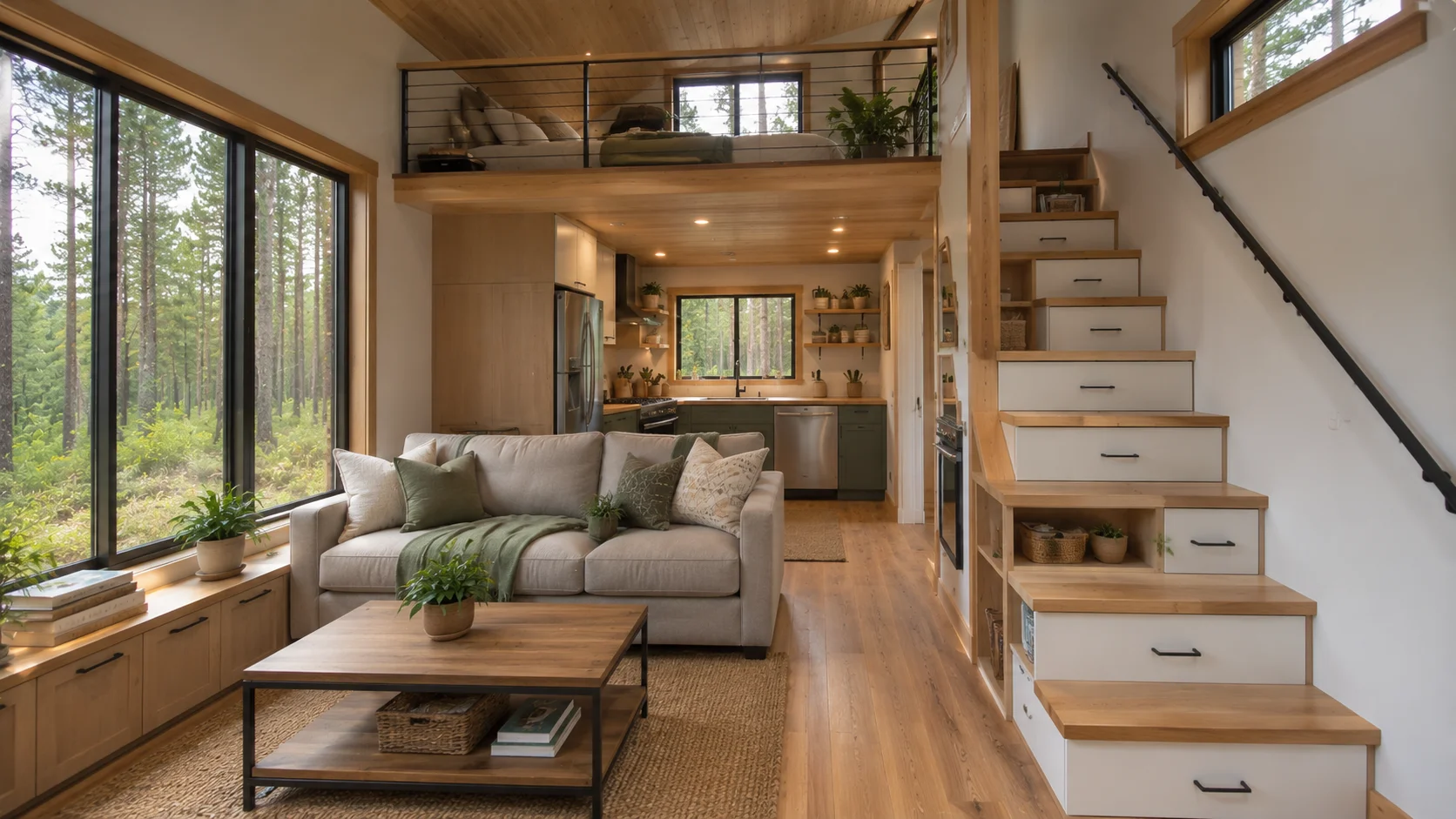
Yes, potentially, provided the home is legally classified and approved for residential occupancy and the property complies with applicable zoning and construction requirements.
For someone seeking permanent full-time housing, a code-compliant site-built or approved modular tiny house on suitable property generally offers a clearer regulatory path than simply parking a tiny house on wheels.
Final Thoughts
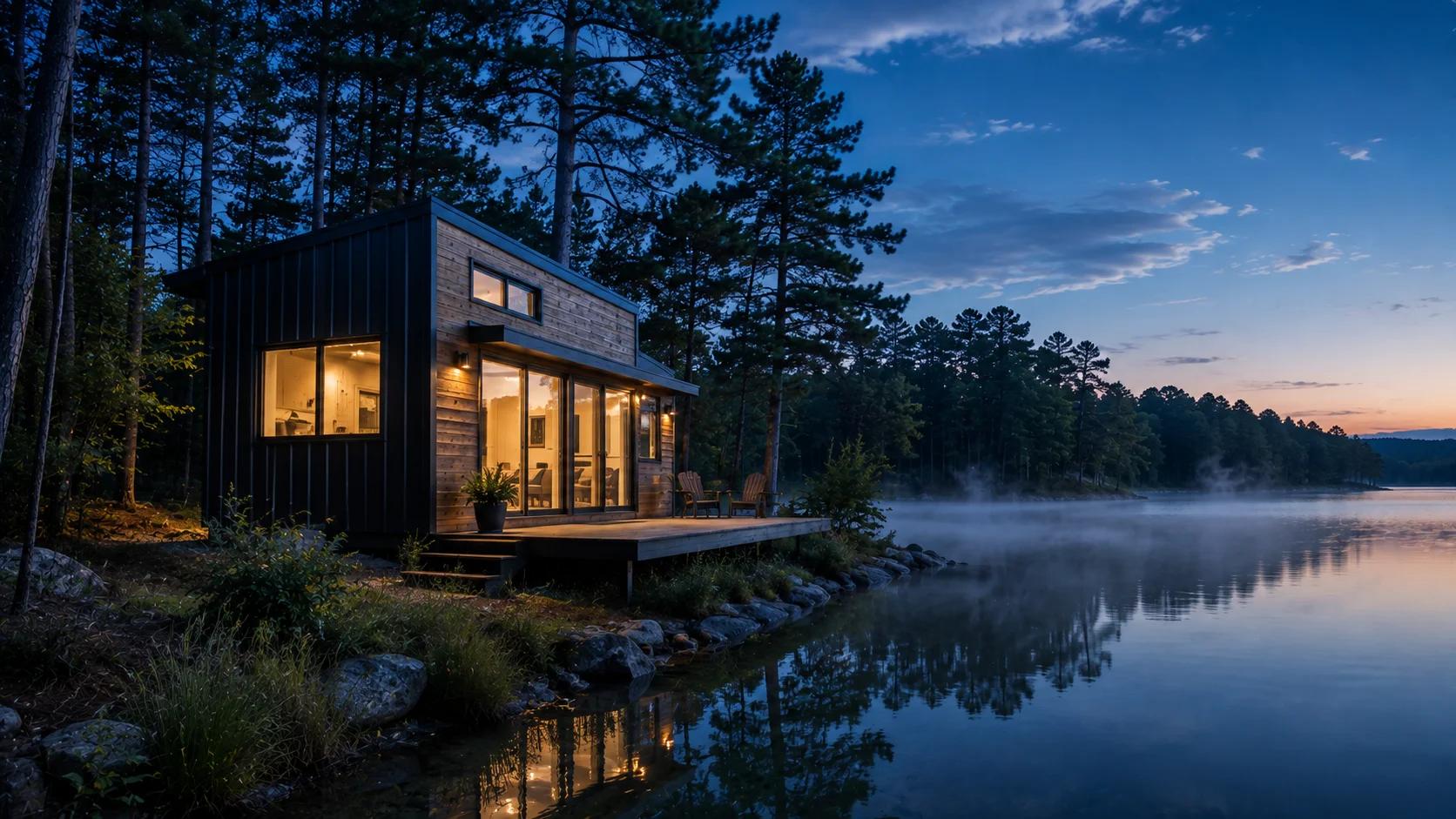
Tiny houses can be legal in Georgia, but there is no blanket rule allowing them on every property.
Georgia provides statewide construction standards, while local governments have significant control over zoning and land use. Before buying land or a tiny home, verify both the building requirements and zoning rules for the exact property.
This article provides general information and is not legal advice.