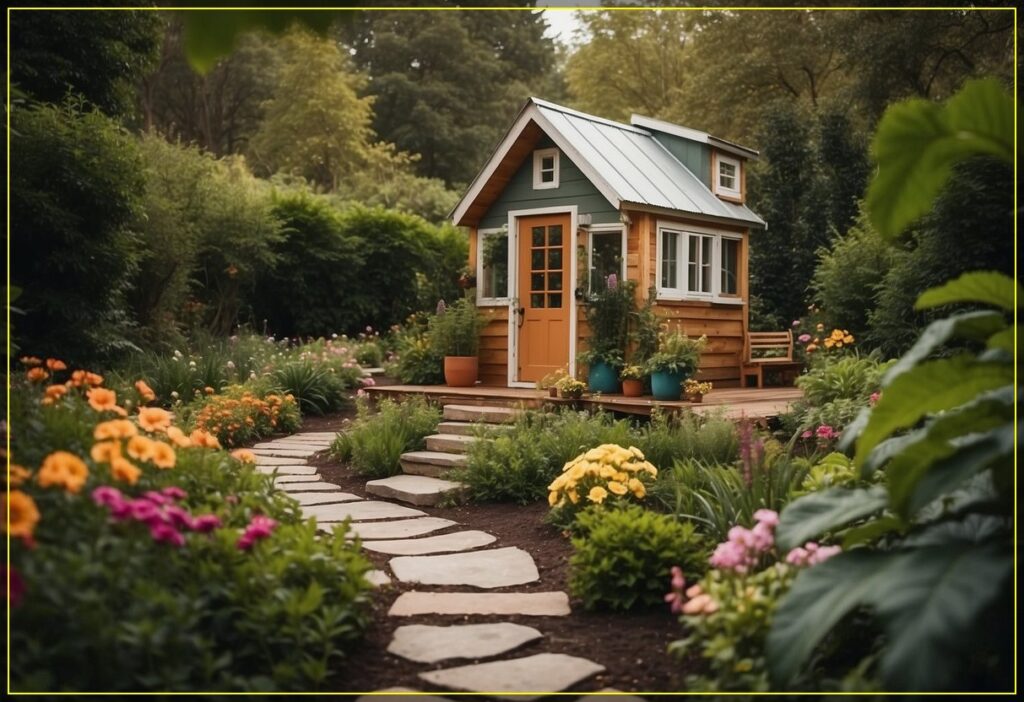
Tiny House Laws in Florida: 2026 Guide
Tiny house living continues to attract attention in Florida, especially among people looking for affordable housing, retirement options, vacation properties, and simpler lifestyles. However, understanding the tiny house laws in Florida is essential before buying land or purchasing a tiny home.
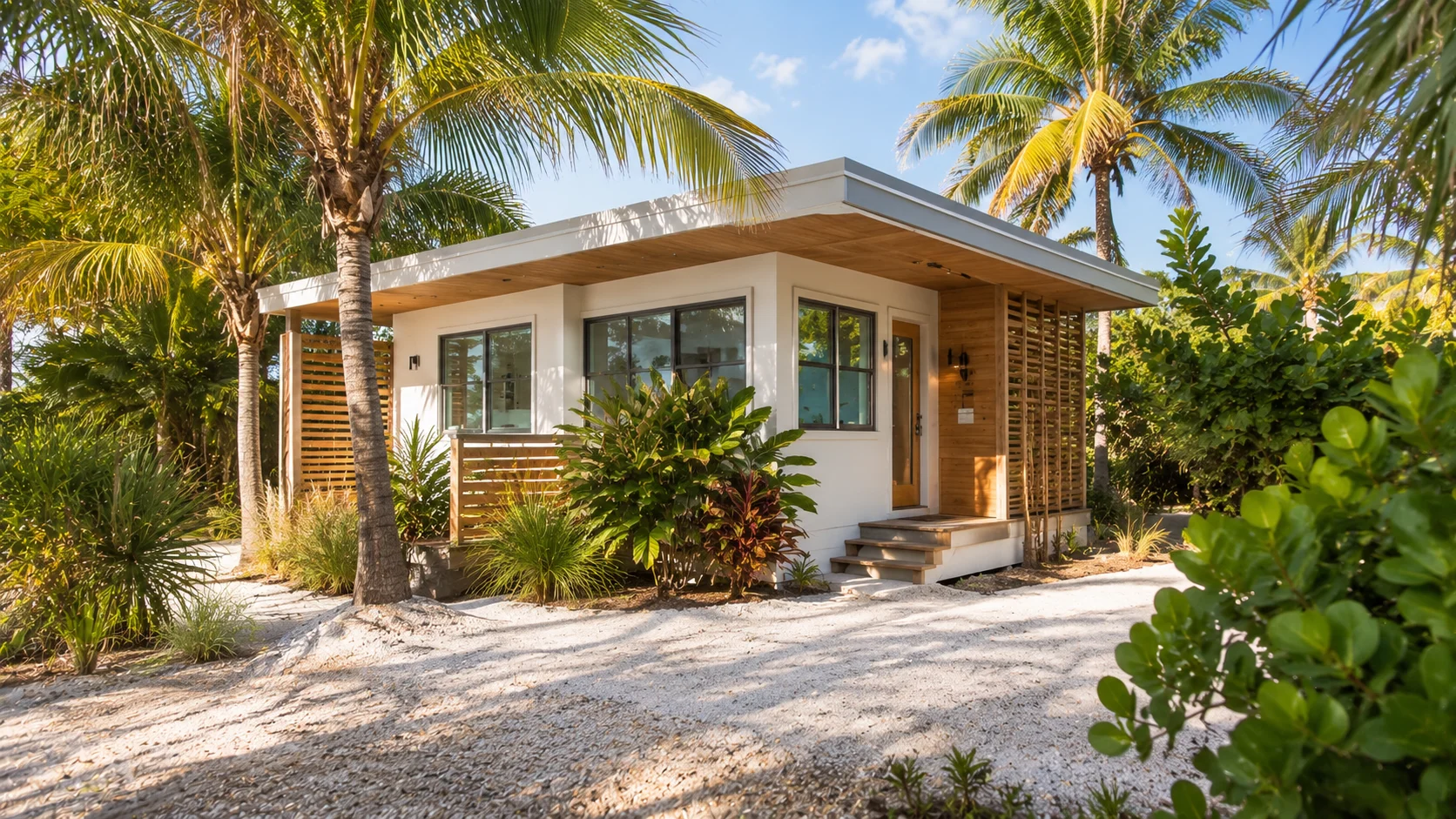
Tiny houses can be legal in Florida, but there is no single statewide rule allowing every type of tiny house on every property. Building codes, local zoning regulations, and the legal classification of the home all matter.
Are Tiny Houses Legal in Florida?
Yes, tiny houses can be legal in Florida when they meet applicable construction and zoning requirements.
As of 2026, Florida is operating under the 8th Edition (2023) Florida Building Code, which became effective December 31, 2023. The state is developing the 9th Edition (2026), but the 8th Edition remains the current code at the time of writing.
For a permanent tiny house, compliance with building standards is only one part of the process. Local zoning rules determine whether the property can legally be used for the intended residence.
Do You Need a Permit for a Tiny House in Florida?
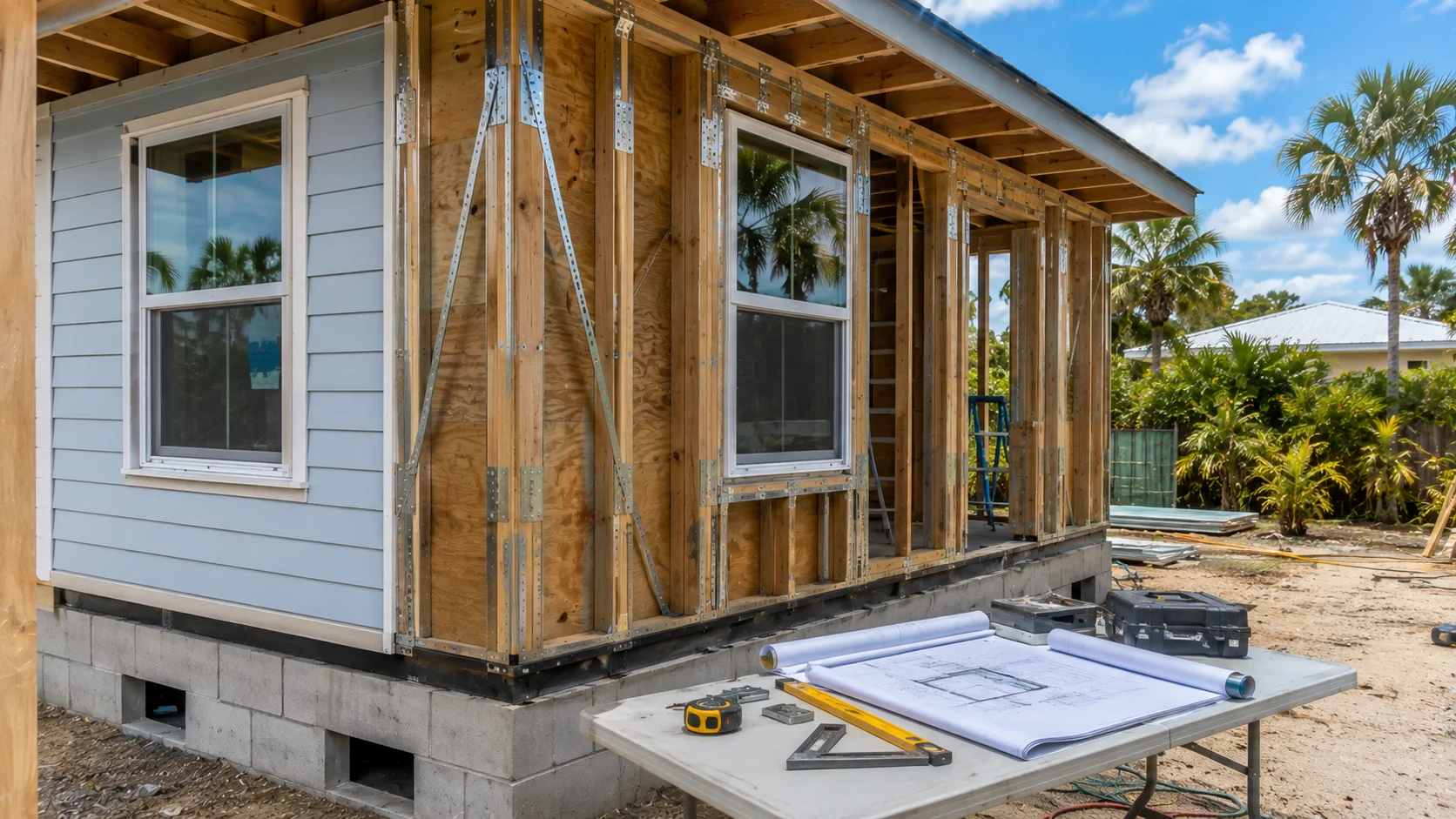
A tiny house constructed as a permanent residential dwelling will generally require permits and inspections.
Depending on the location and project, requirements may include:
- Building permit
- Zoning approval
- Electrical and plumbing permits
- Foundation approval
- Septic or sewer approval
- Wind-load requirements
- Setback requirements
Florida’s climate also makes structural requirements especially important. A tiny house is still a house when a hurricane arrives, regardless of how adorable its porch looks.
Tiny Houses on Permanent Foundations
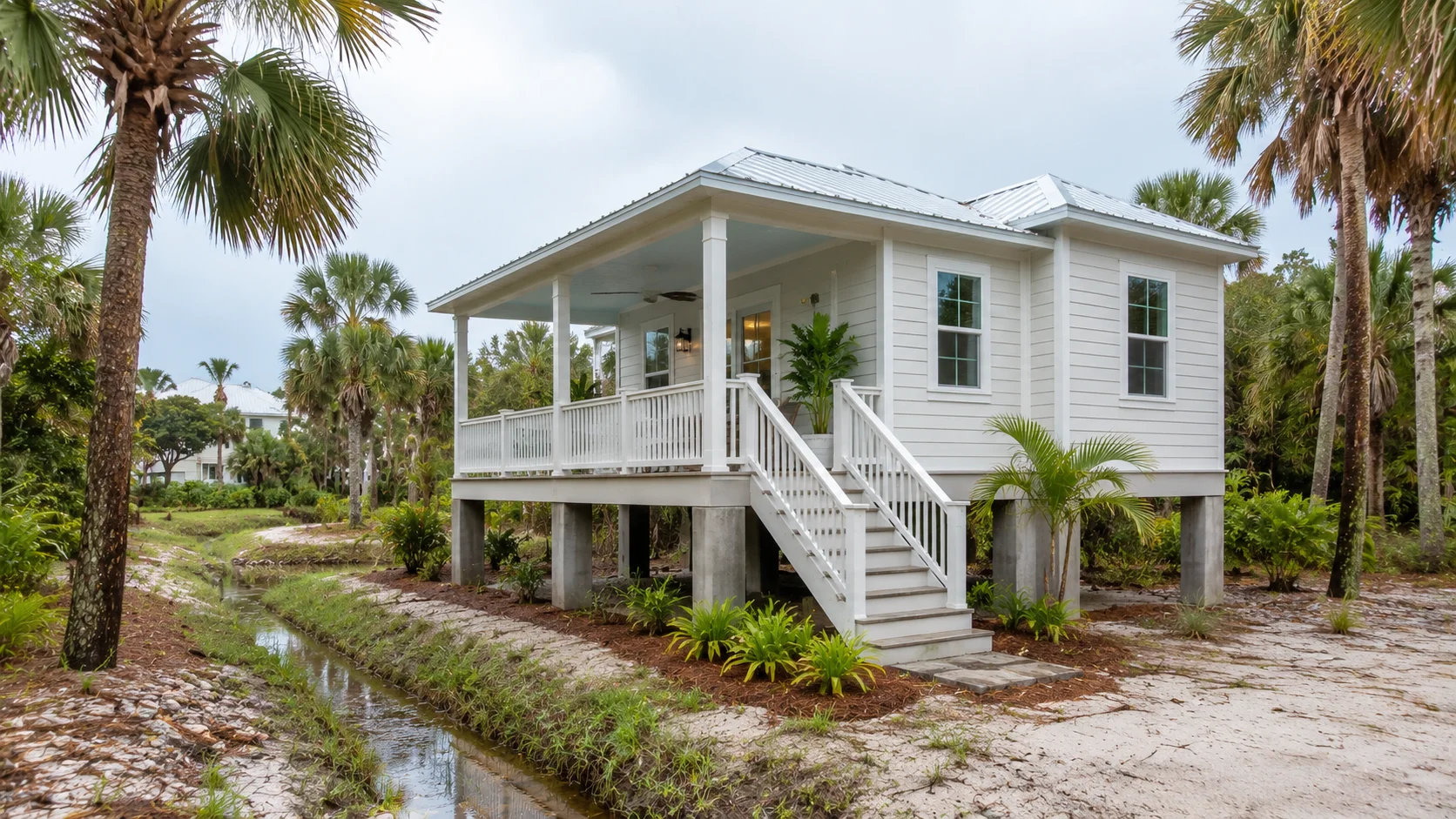
For full-time residential use, a properly permitted tiny house on a permanent foundation generally provides a clearer path than a movable tiny house.
The home must meet applicable residential construction requirements, while the property must also permit that type of residential use.
Local rules may regulate minimum dwelling size, lot size, setbacks, density, and whether an additional dwelling can be placed on a property.
This means a tiny house that satisfies construction requirements may still be prohibited on a particular lot because of zoning.
Tiny Houses on Wheels in Florida
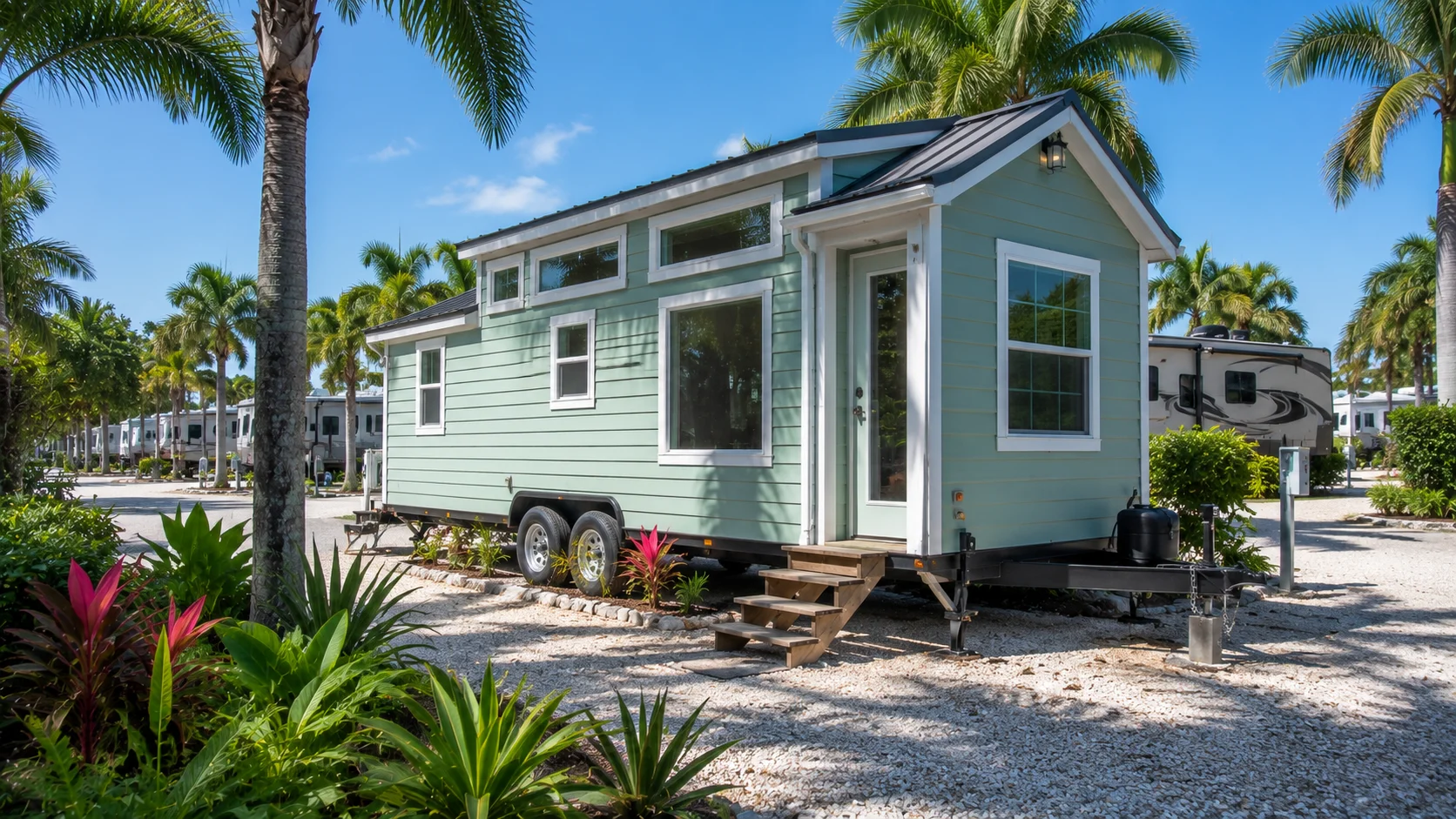
Tiny houses on wheels can be more complicated because they may be treated differently from permanent residential buildings.
Depending on their construction and certification, movable units may fall under rules applying to recreational vehicles, mobile homes, or other types of structures rather than conventional site-built housing.
Florida law also contains specific provisions allowing certain state-certified residential manufactured buildings to be placed on mobile-home lots in qualifying parks and communities, subject to conditions including approval from the park owner.
Therefore, never assume that simply owning land means you can permanently live there in a tiny house on wheels.
Where Can You Put a Tiny House in Florida?
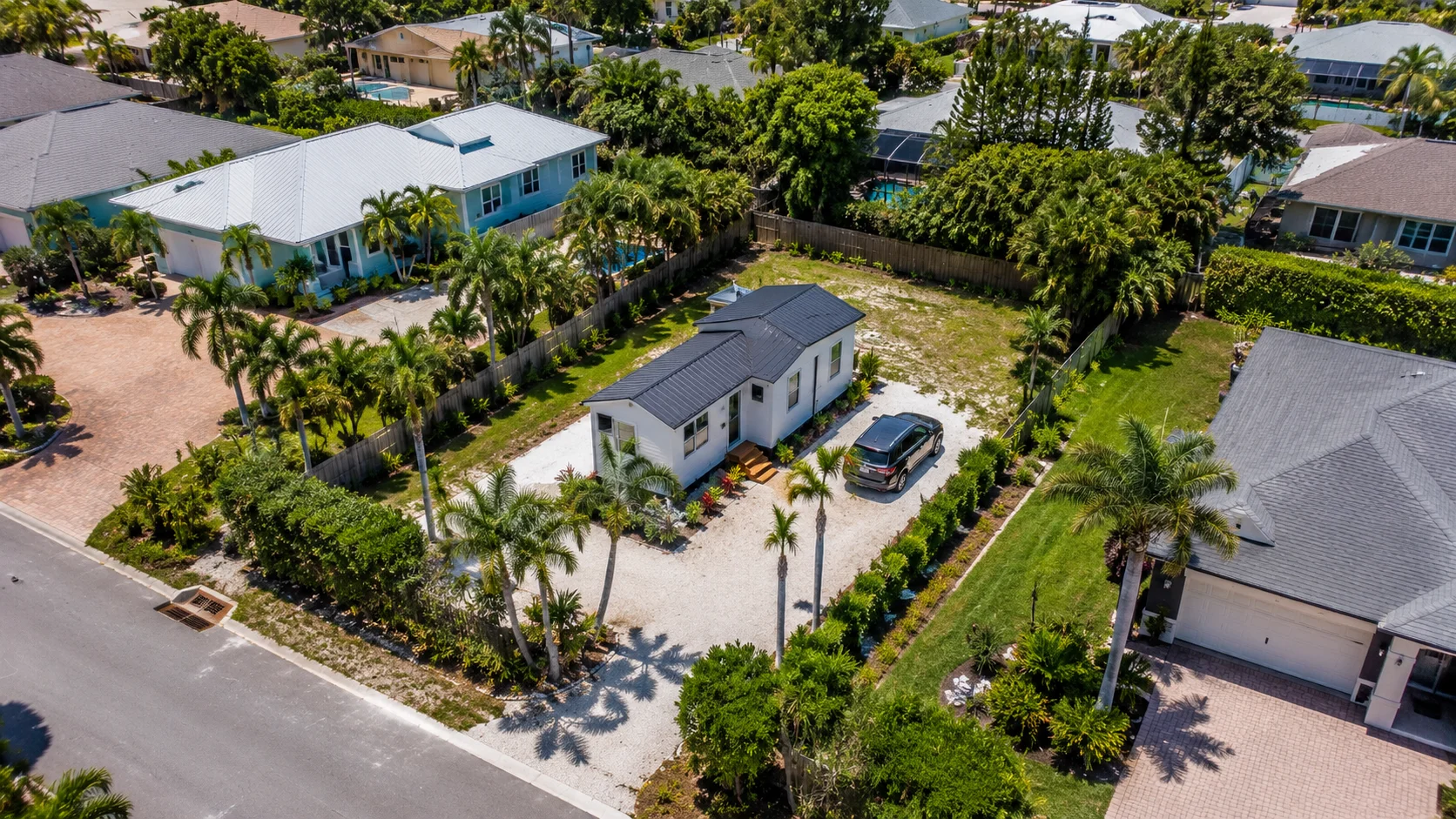
The answer depends heavily on the county, municipality, zoning district, and type of tiny house.
Before purchasing property, investigate:
- Zoning classification
- Minimum dwelling size
- Minimum lot size
- RV occupancy restrictions
- ADU regulations
- Setback requirements
- Flood-zone requirements
- Septic and utility requirements
- HOA or deed restrictions
Rules can vary significantly between locations, so checking the exact parcel before buying is far safer than relying on a general statewide answer.
Can You Live in a Tiny House Full-Time in Florida?
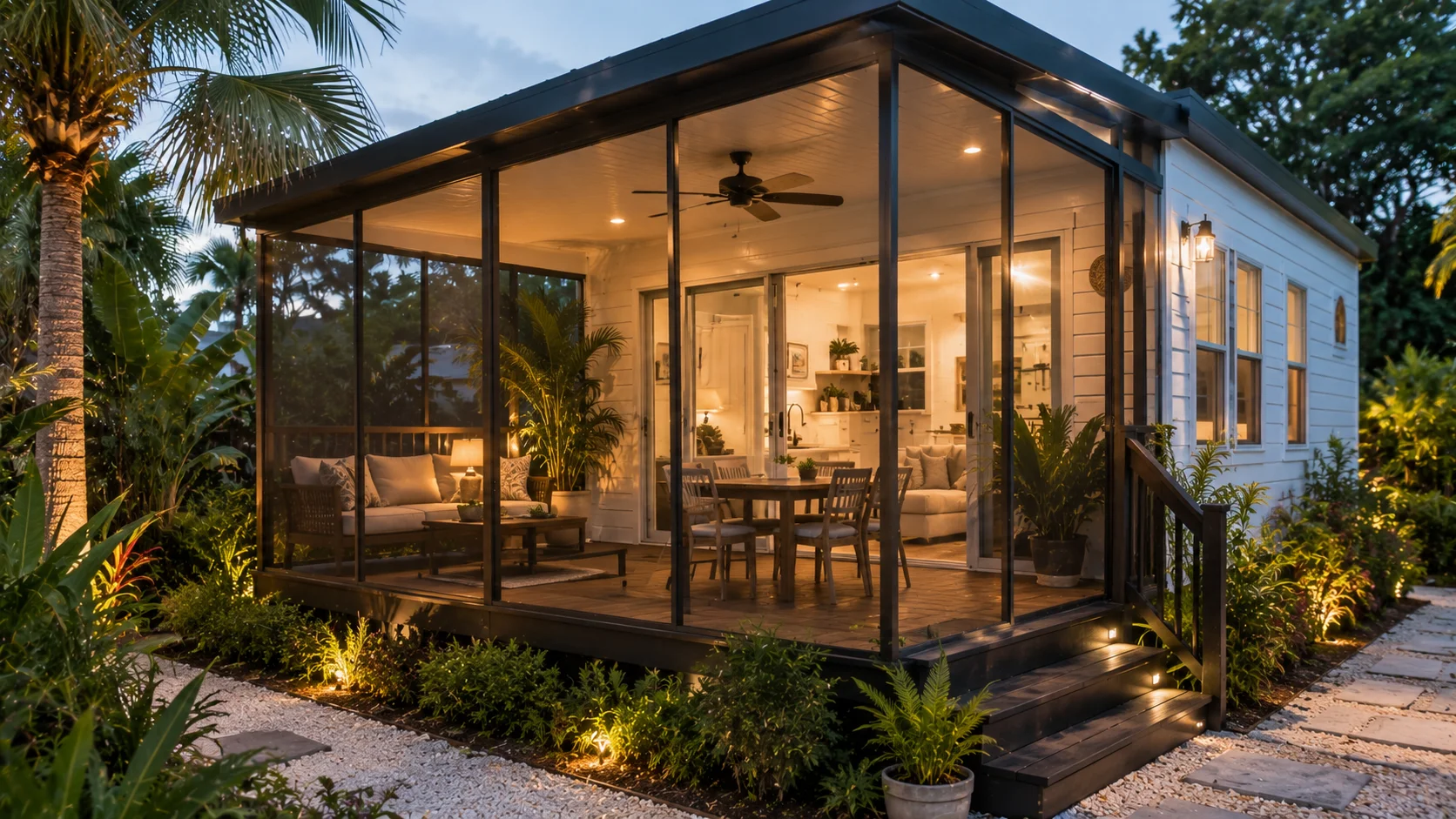
Yes, it can be possible to live in a tiny house full-time when the structure is legally approved for residential occupancy and the property permits that use.
For permanent living, a properly permitted tiny house on an approved foundation is generally a clearer route than parking a tiny house on wheels and assuming it counts as a conventional home.
Final Thoughts
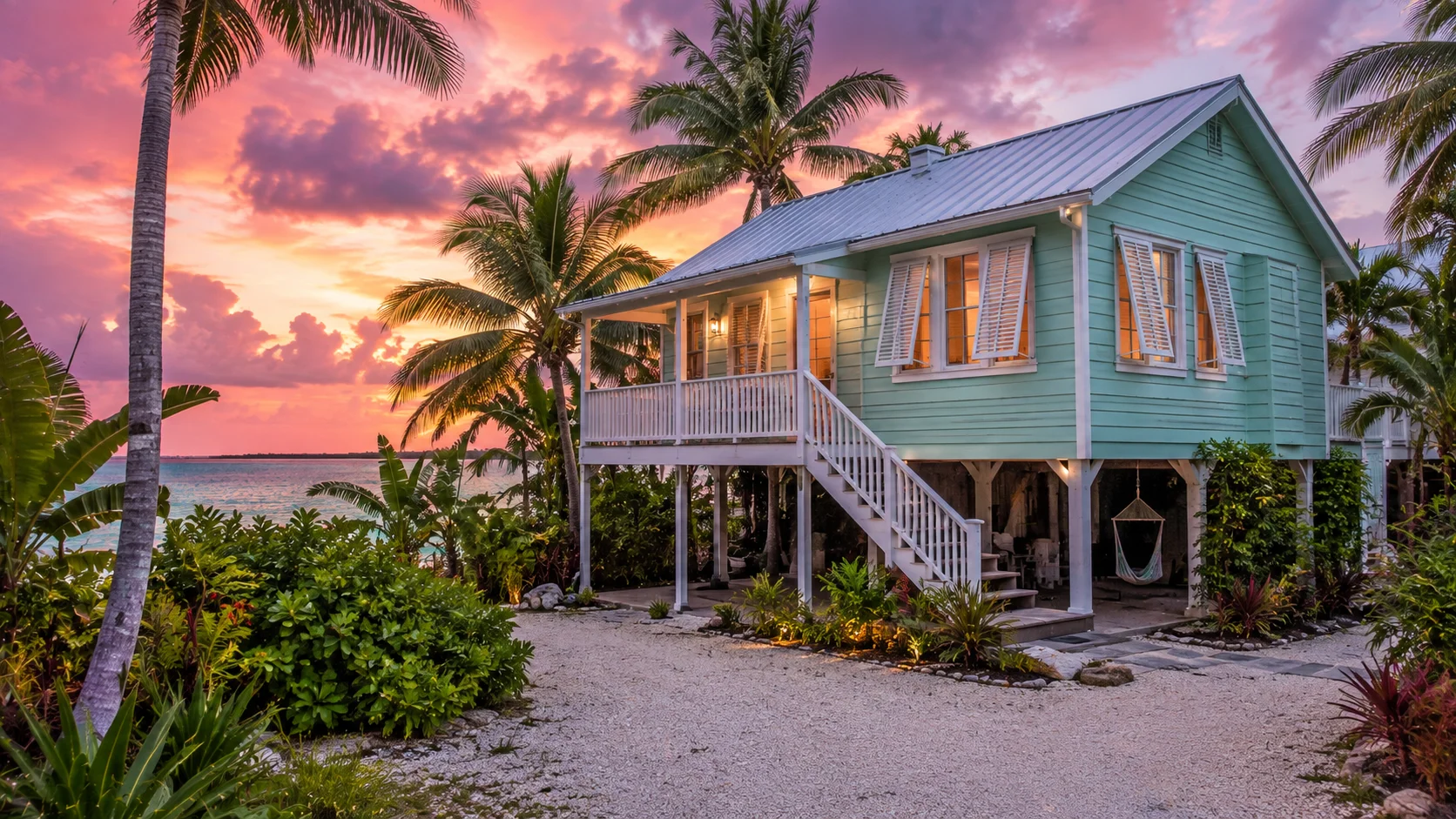
Tiny houses can be legal in Florida, but legality depends on both the structure and its location.
Before buying land or ordering a tiny home, contact the local zoning and building departments responsible for the specific property. Confirm the home’s classification, building requirements, zoning, utilities, and whether full-time occupancy is permitted.
This article provides general information and is not legal advice.