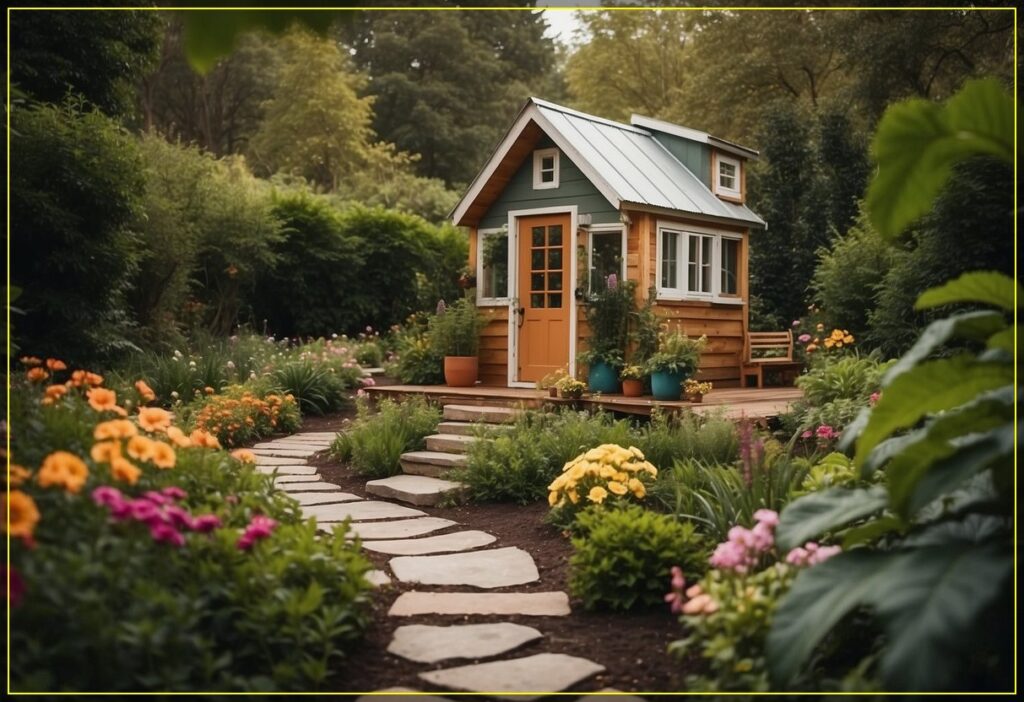
Tiny House Laws in South Carolina: 2026 Guide
Tiny house living is becoming increasingly popular in South Carolina, especially among people looking for affordable housing, smaller homes, and rural property. However, before buying land or ordering a tiny home, it is important to understand the tiny house laws in South Carolina.
Tiny houses can be legal in the state, but building codes are only part of the equation. Local zoning rules can determine where a tiny house may actually be placed and occupied.
Are Tiny Houses Legal in South Carolina?
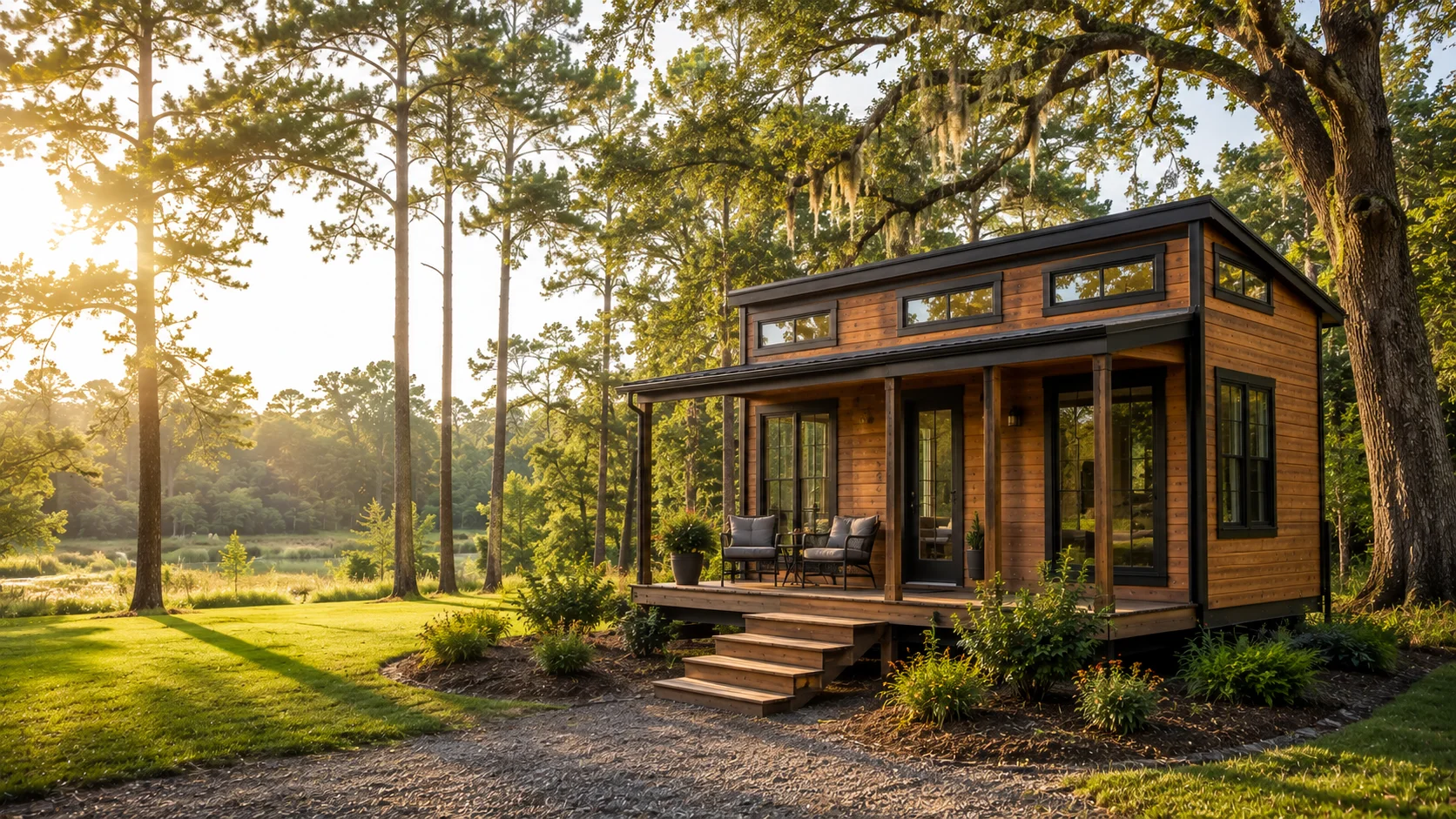
Yes. South Carolina recognizes tiny houses through its residential building code.
The South Carolina Building Codes Council adopted Appendix AQ, Tiny Houses, for state wide use. This provides specific building standards for qualifying tiny houses, including provisions designed for smaller living spaces.
However, meeting the building code does not automatically mean you can put a tiny house on any piece of property.
Counties and municipalities in South Carolina have authority to regulate land use through local zoning ordinances, including the use, size, location, and density of buildings.
Do You Need a Permit for a Tiny House?
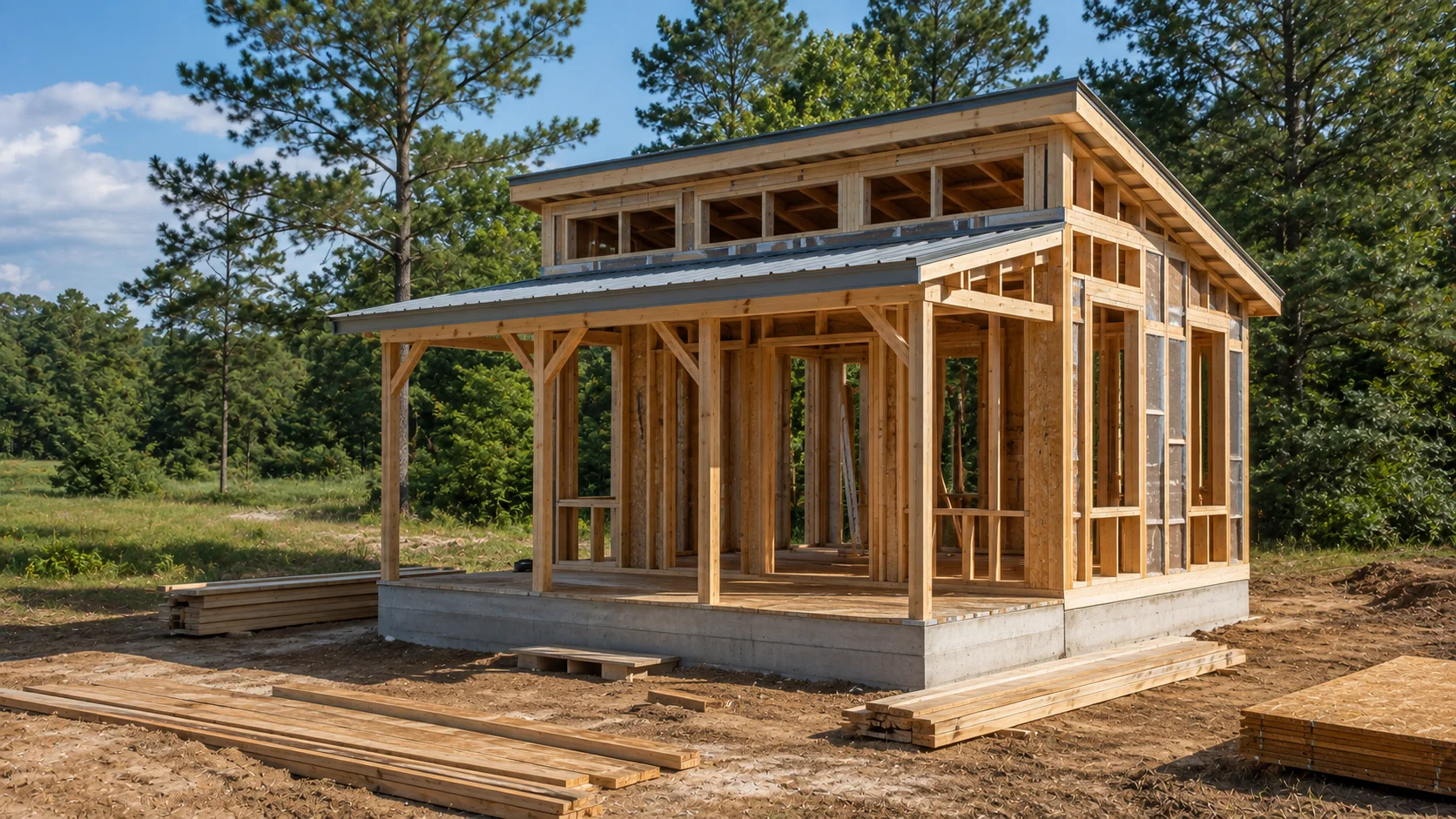
In most cases, a tiny house being constructed as a permanent residential dwelling will require permits and inspections.
Depending on the property and jurisdiction, requirements may include:
- Building permit
- Zoning approval
- Foundation inspection
- Electrical and plumbing permits
- Septic or sewer approval
- Setback requirements
- Utility connections
South Carolina’s state wide building-code framework establishes construction standards, while local authorities handle many permitting and zoning matters.
Always check with the county or municipal building department before beginning construction.
Tiny Houses on Permanent Foundations
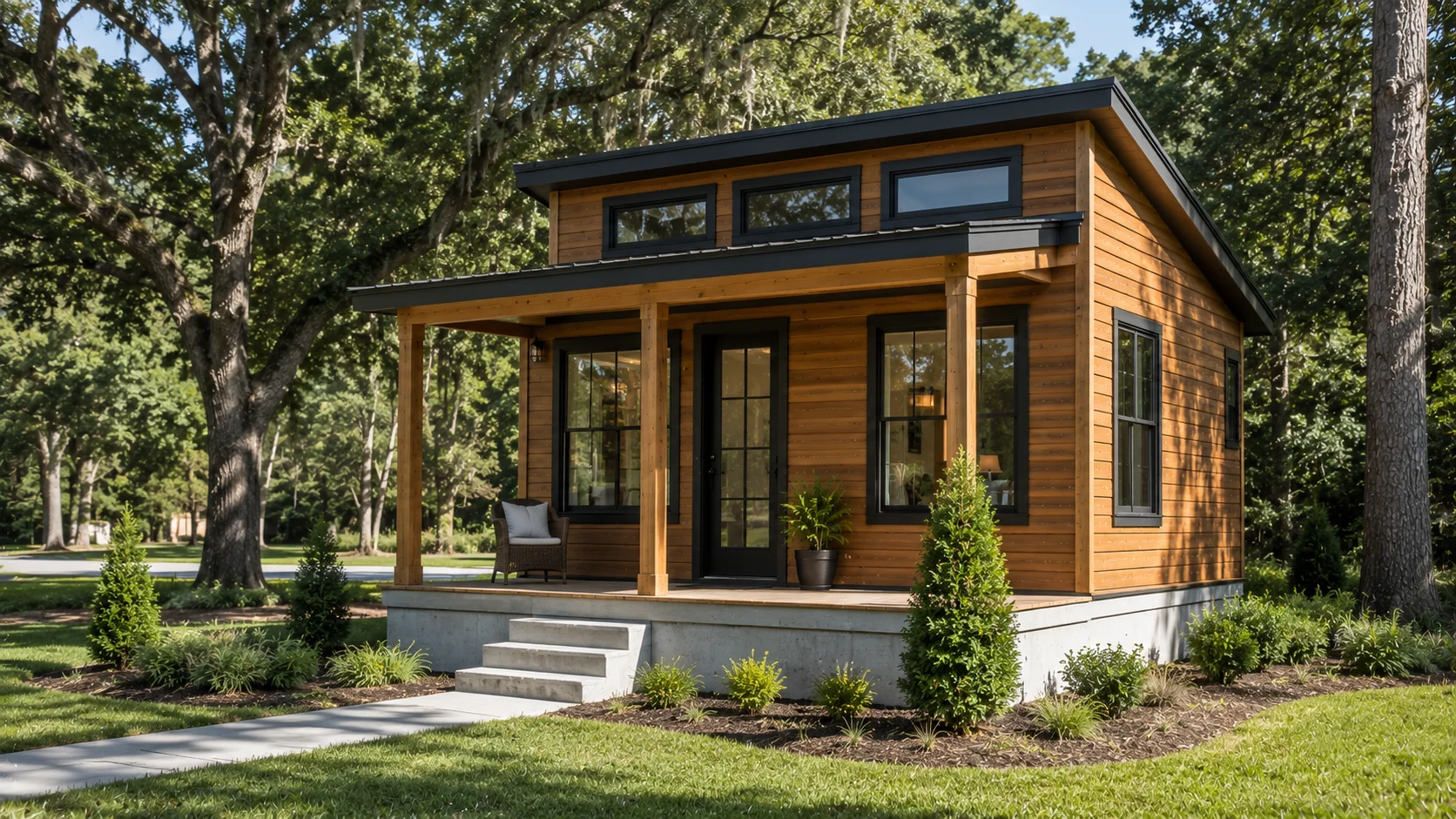
A tiny house built on a permanent foundation generally offers the clearest route to legal full-time living.
The home must comply with applicable residential construction requirements, while the property itself must allow residential use.
This distinction is important. A perfectly code-compliant tiny house can still have problems if local zoning does not permit the intended use on that particular lot.
Tiny Houses on Wheels in South Carolina
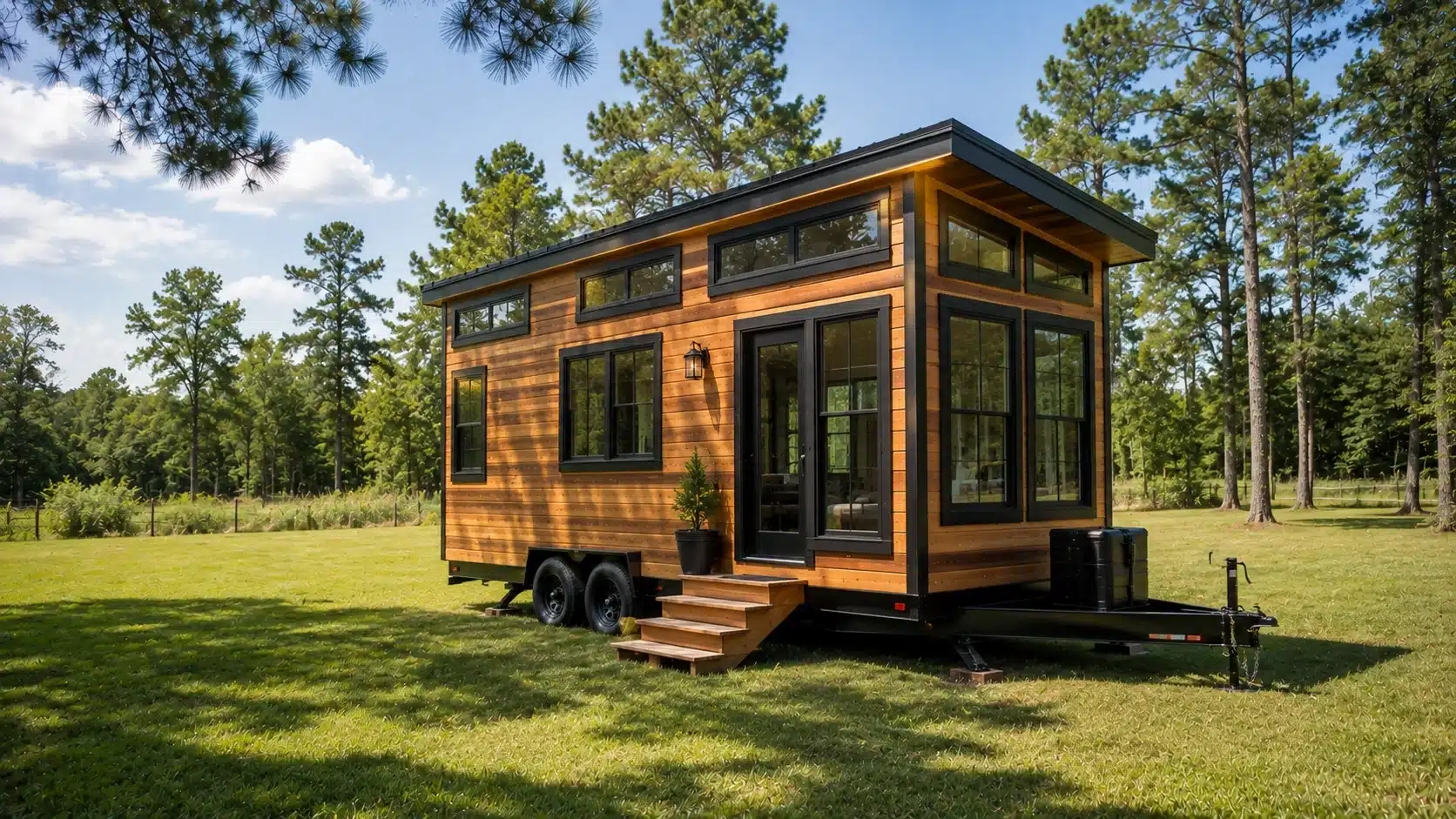
Tiny houses on wheels are more complicated because a movable structure may fall into a different legal category than a site-built residential dwelling.
South Carolina separately regulates structures such as manufactured homes, mobile homes, and modular buildings. For example, state law defines modular buildings separately from mobile and manufactured homes.
Therefore, you should not assume that a tiny house on wheels qualifies as a conventional residential tiny house under Appendix AQ.
Permanent occupancy may depend on local zoning and how the structure is legally classified.
Where Can You Put a Tiny House in South Carolina?
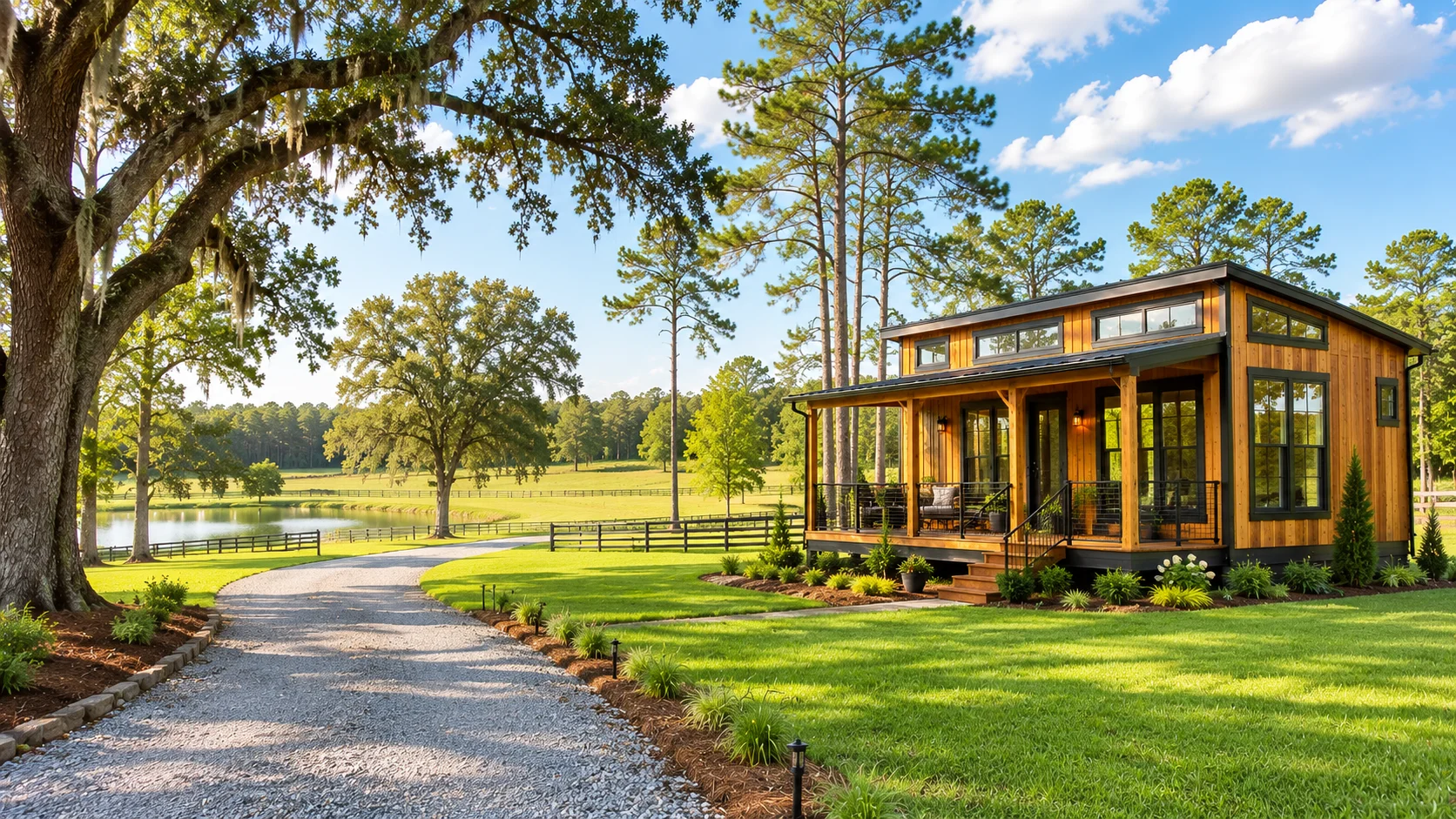
The answer depends heavily on the exact property.
Before buying land, check:
- Local zoning classification
- Minimum lot requirements
- Residential-use restrictions
- RV and trailer rules
- Setbacks
- Septic and water requirements
- HOA or deed restrictions
Rural land may provide more options, but owning several acres does not magically make zoning disappear. Humanity has unfortunately invented paperwork even for empty fields.
Can You Live in a Tiny House Full-Time?
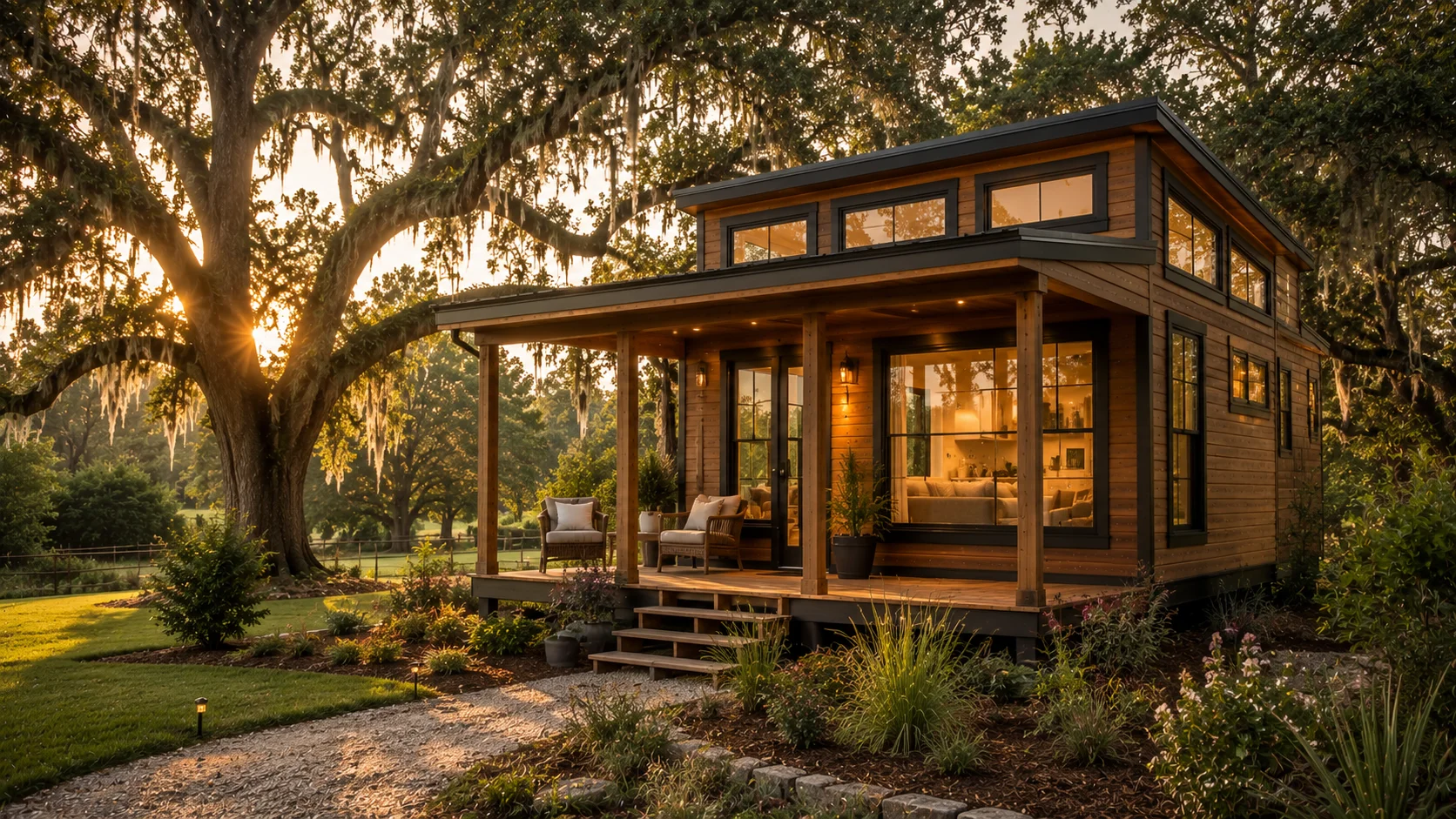
Yes, provided the tiny house is legally established as a dwelling and complies with applicable building, zoning, sanitation, and utility requirements.
For most buyers, a code-compliant tiny house on an approved permanent foundation is likely to provide a clearer path than attempting to use a tiny house on wheels as a permanent residence.
Final Thoughts
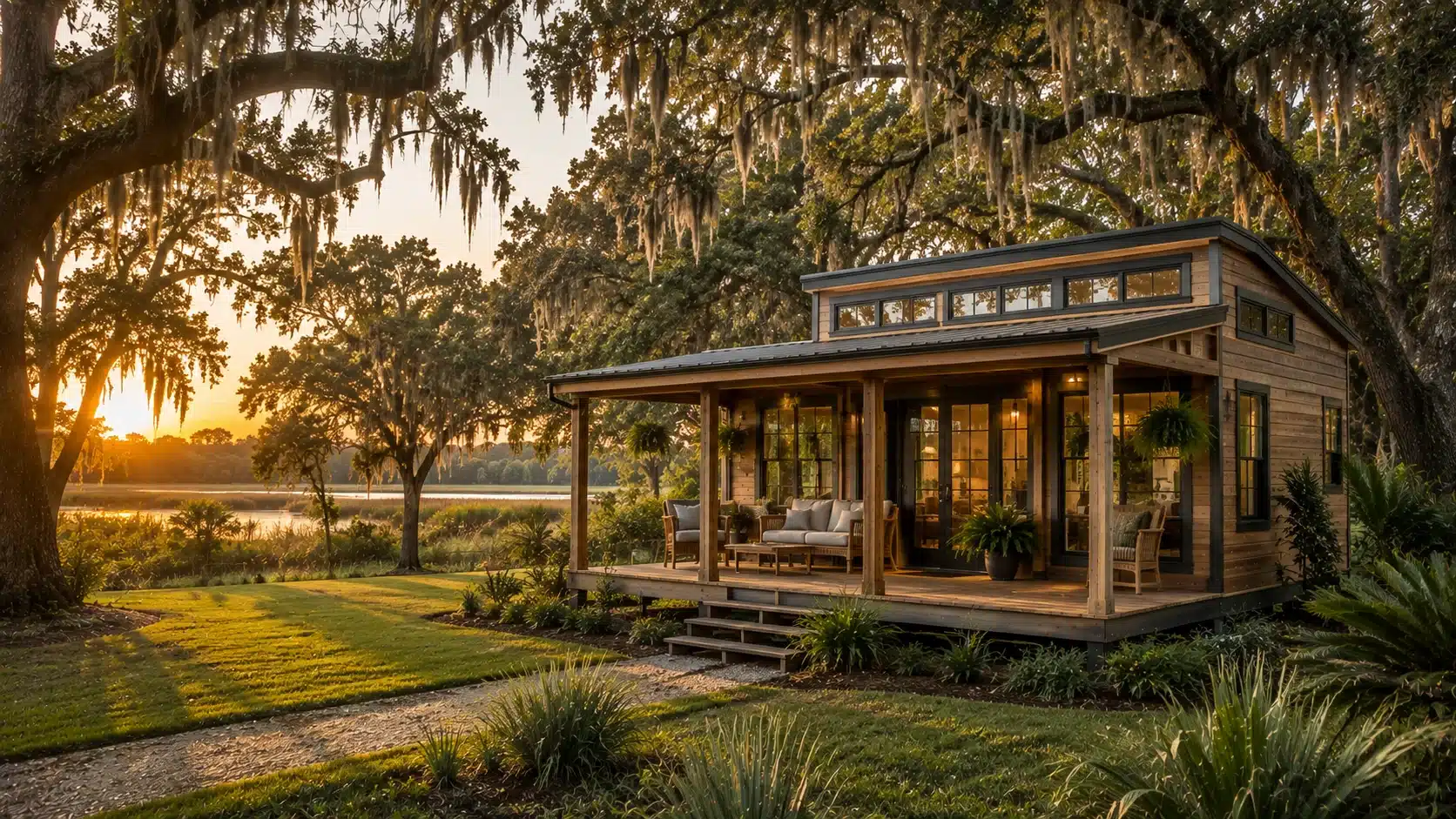
Tiny houses can be legal in South Carolina, and the state’s adoption of Appendix AQ provides a building-code framework specifically for tiny homes.
However, local zoning remains extremely important. Before buying a tiny house or property, contact the local planning and building departments and verify the requirements for that exact parcel.
This article provides general information and is not legal advice.