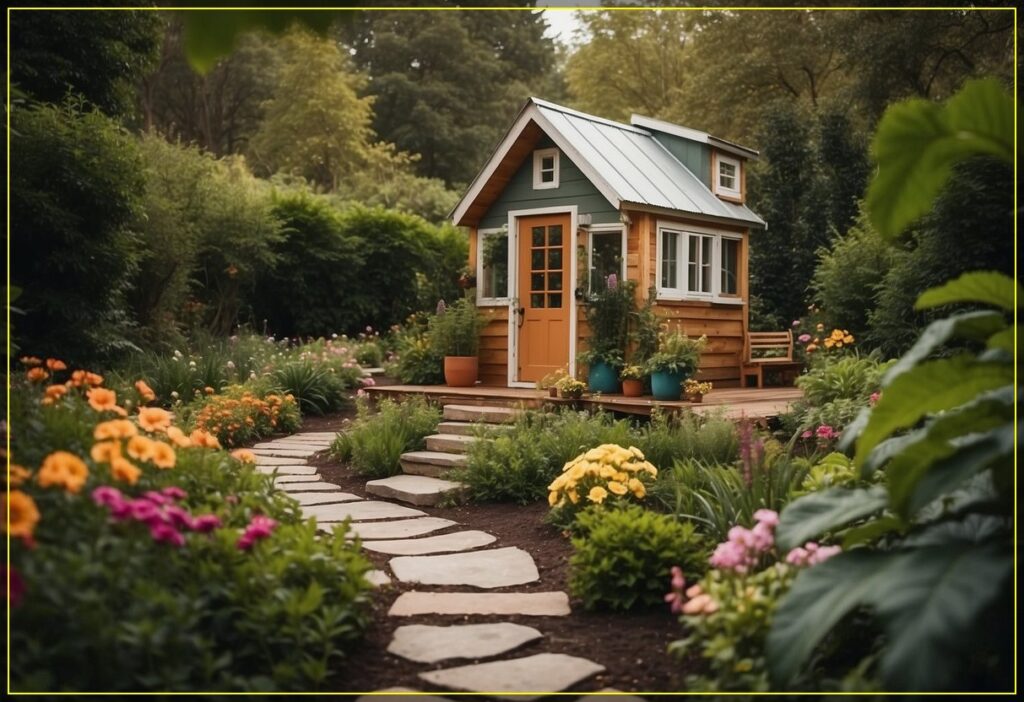
Why Prefab Tiny Homes Are Having a Big Moment in 2026
Prefab tiny homes are no longer just a niche idea for minimalists or people chasing off-grid living. In 2026, they’ve become a smart housing option for everyday buyers looking for affordability, speed, and modern design.
Traditional homes keep getting more expensive. Construction delays are common. Material costs can swing wildly. That’s exactly why so many people are looking at prefab tiny homes as a practical alternative.
The appeal is pretty simple. You get a home that’s built faster, often costs much less than a standard house, and actually looks good. No sacrificing style just to save money.
Whether you’re looking for a backyard guest house, a vacation rental, a full-time home, or a downsized lifestyle, prefab tiny homes are becoming one of the most attractive housing options available.
What Is a Prefab Tiny Home?
Prefab stands for prefabricated, which simply means the home is built in a factory instead of being constructed entirely on-site.
The sections or full structure are then transported to your property and assembled there.
This approach changes everything.
Instead of months of unpredictable building work, weather delays, and endless contractor scheduling, much of the work happens in a controlled environment where the process is faster and more efficient.
Prefab tiny homes usually range from around 100 to 600 square feet, though some stretch a bit beyond that depending on local rules and design choices.
You’ll typically see a few common categories:
Modular Tiny Homes
These are built in sections and delivered for assembly. They often feel the most like traditional homes.
Panelized Tiny Homes
Walls, floors, and roof sections are manufactured off-site, then assembled on your land.
Tiny Homes on Wheels
These are technically mobile homes and come with different legal requirements, but they remain incredibly popular.
Fully Finished Prefab Units
These arrive nearly move-in ready, which is perfect if speed is your top priority.
Why Buyers Love Prefab Tiny Homes
The popularity isn’t random. These homes solve real problems.
Lower Cost
Housing prices continue to push buyers toward alternatives.
Prefab tiny homes can often cost significantly less than traditional construction because factory production reduces labor waste, speeds up timelines, and makes material purchasing more efficient.
That doesn’t mean every prefab tiny home is dirt cheap. High-end designs with luxury finishes can absolutely climb in price.
Still, many buyers find they can own a stylish small home for a fraction of the cost of a standard house.
Faster Build Times
One of the biggest frustrations with traditional construction is waiting.
And waiting.
And then waiting some more.
Prefab homes cut that timeline dramatically.
Because the structure is built indoors while site preparation happens at the same time, projects move much faster.
Some prefab tiny homes can be completed in just a few weeks, while others may take a couple of months depending on customization and permits.
Compared to traditional builds, that’s incredibly fast.
Modern Design
Forget the outdated image of boxy, unattractive prefab housing.
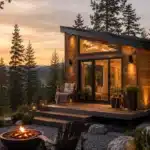
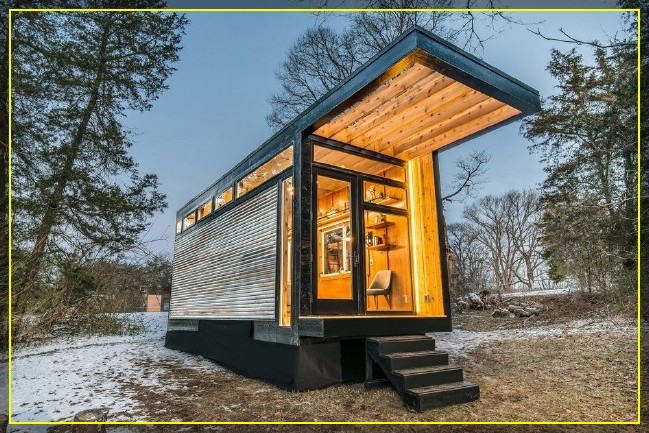
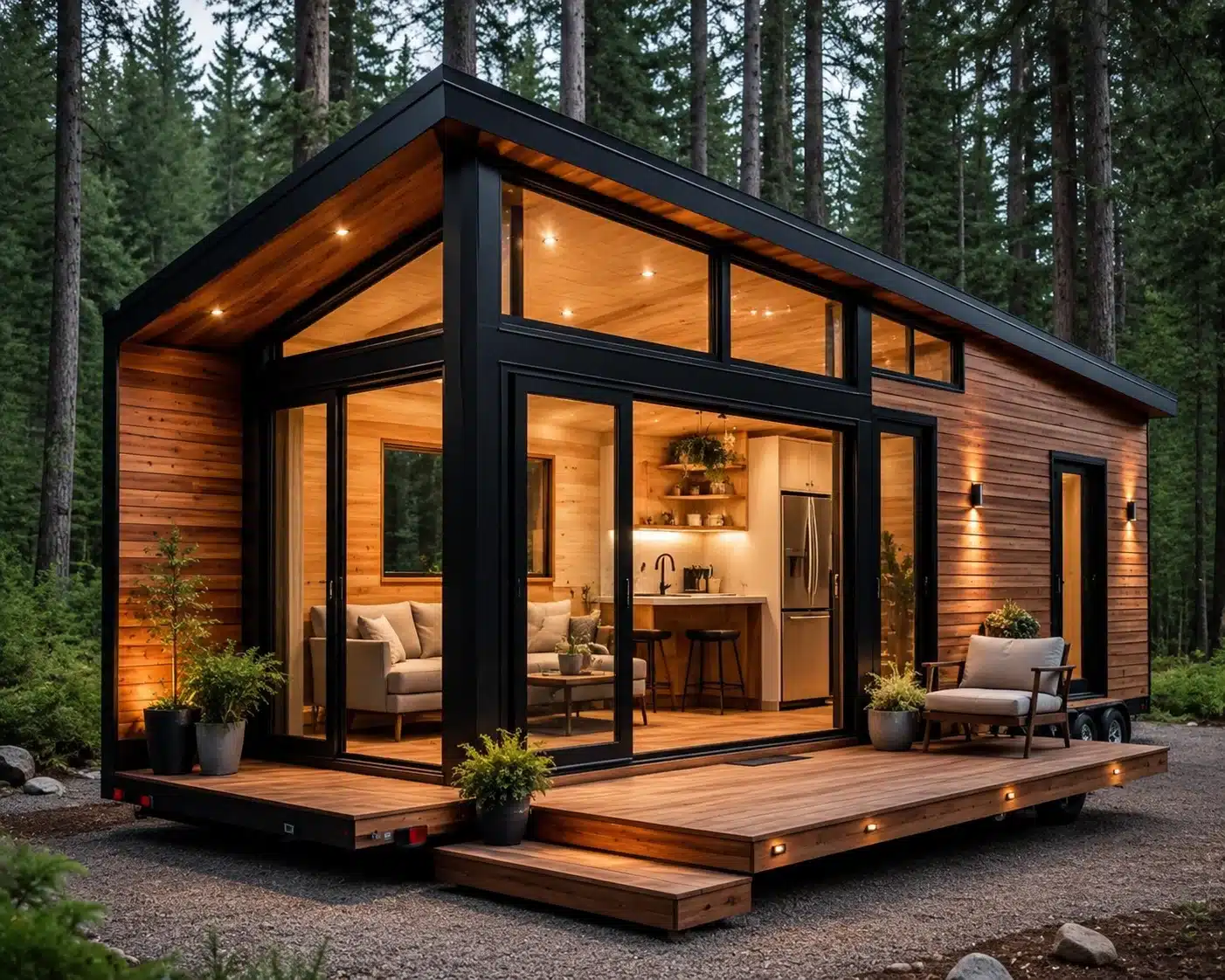
Today’s prefab tiny homes look sleek, clever, and surprisingly luxurious.
Think:
- Floor-to-ceiling windows
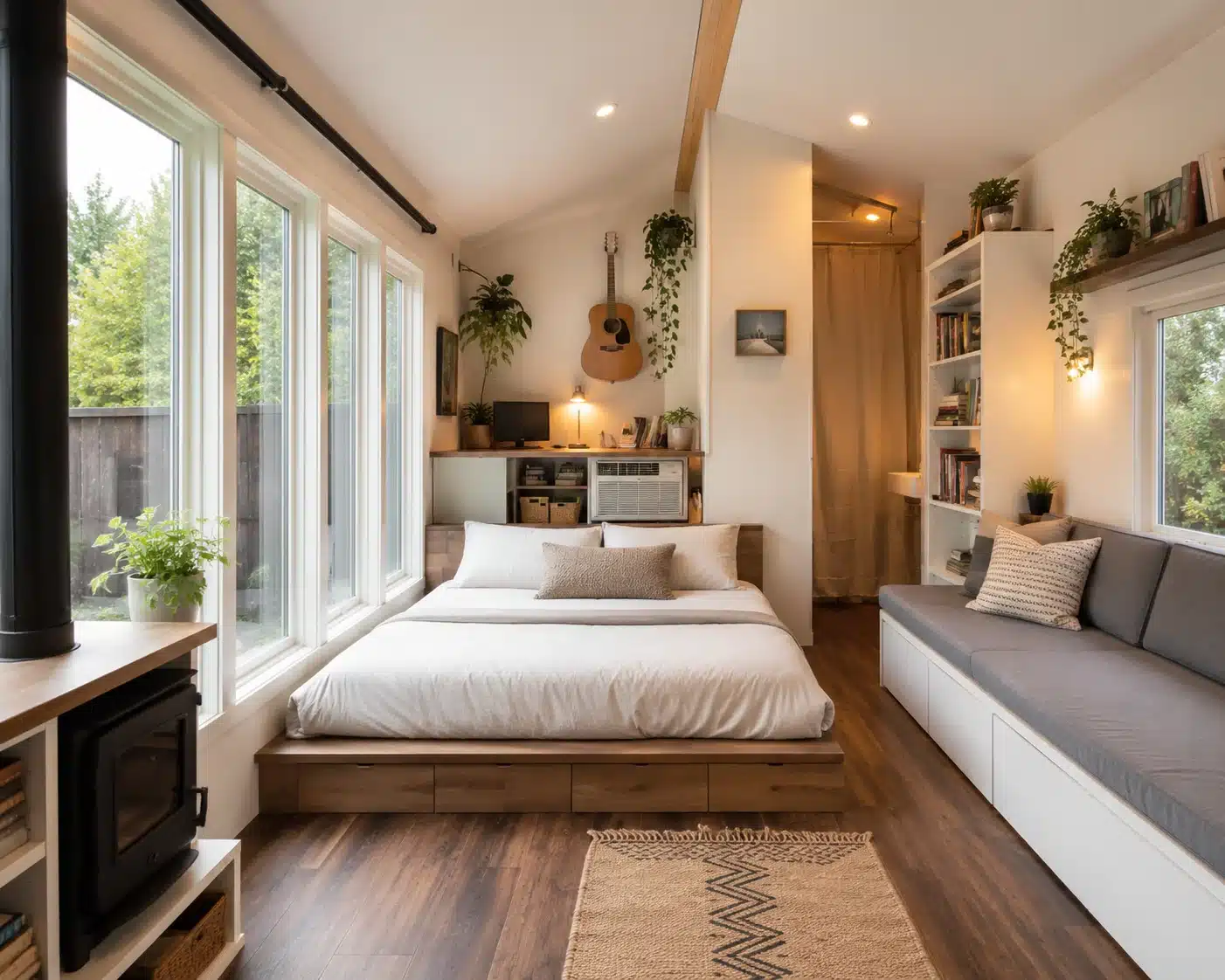
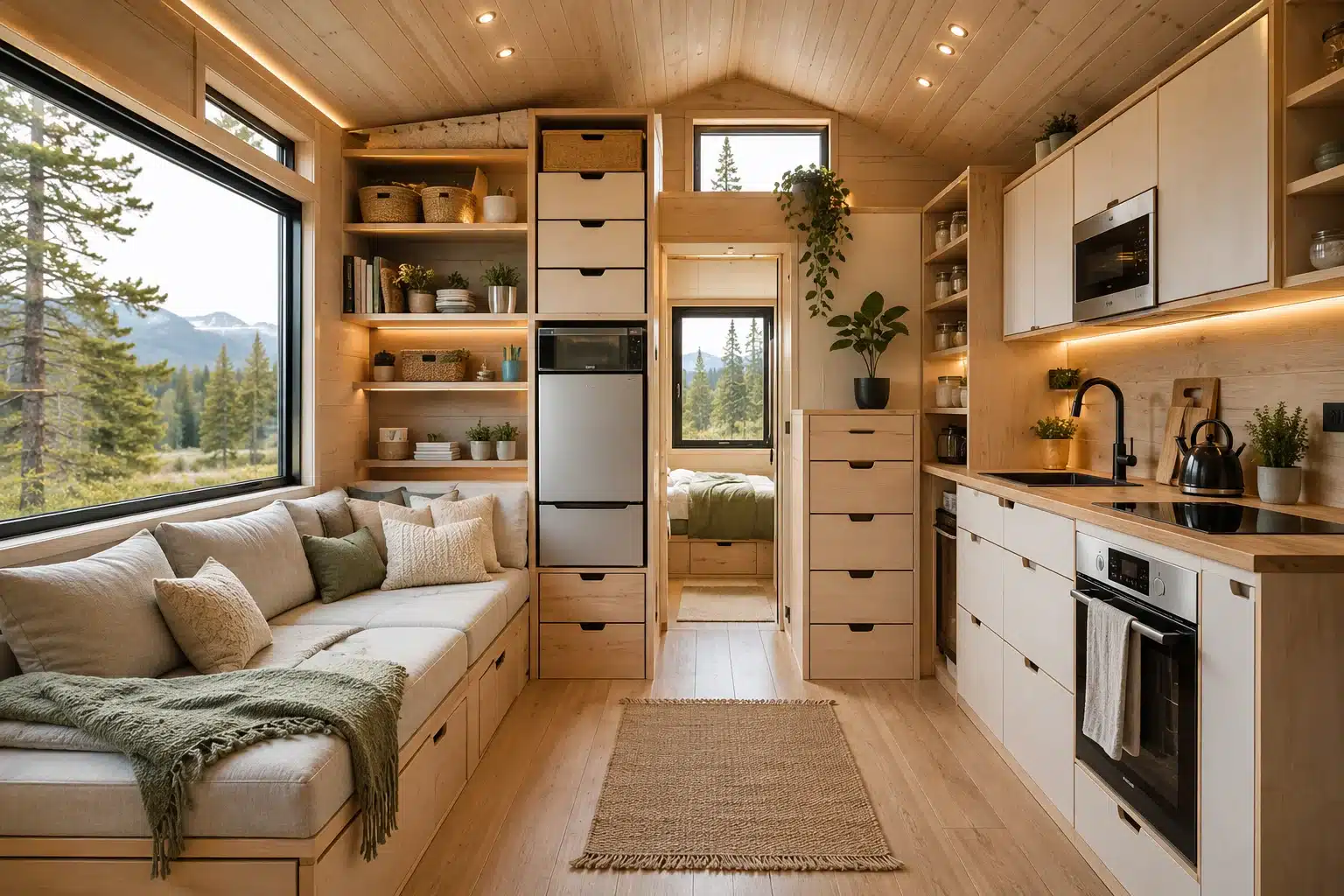
- Scandinavian-inspired interiors
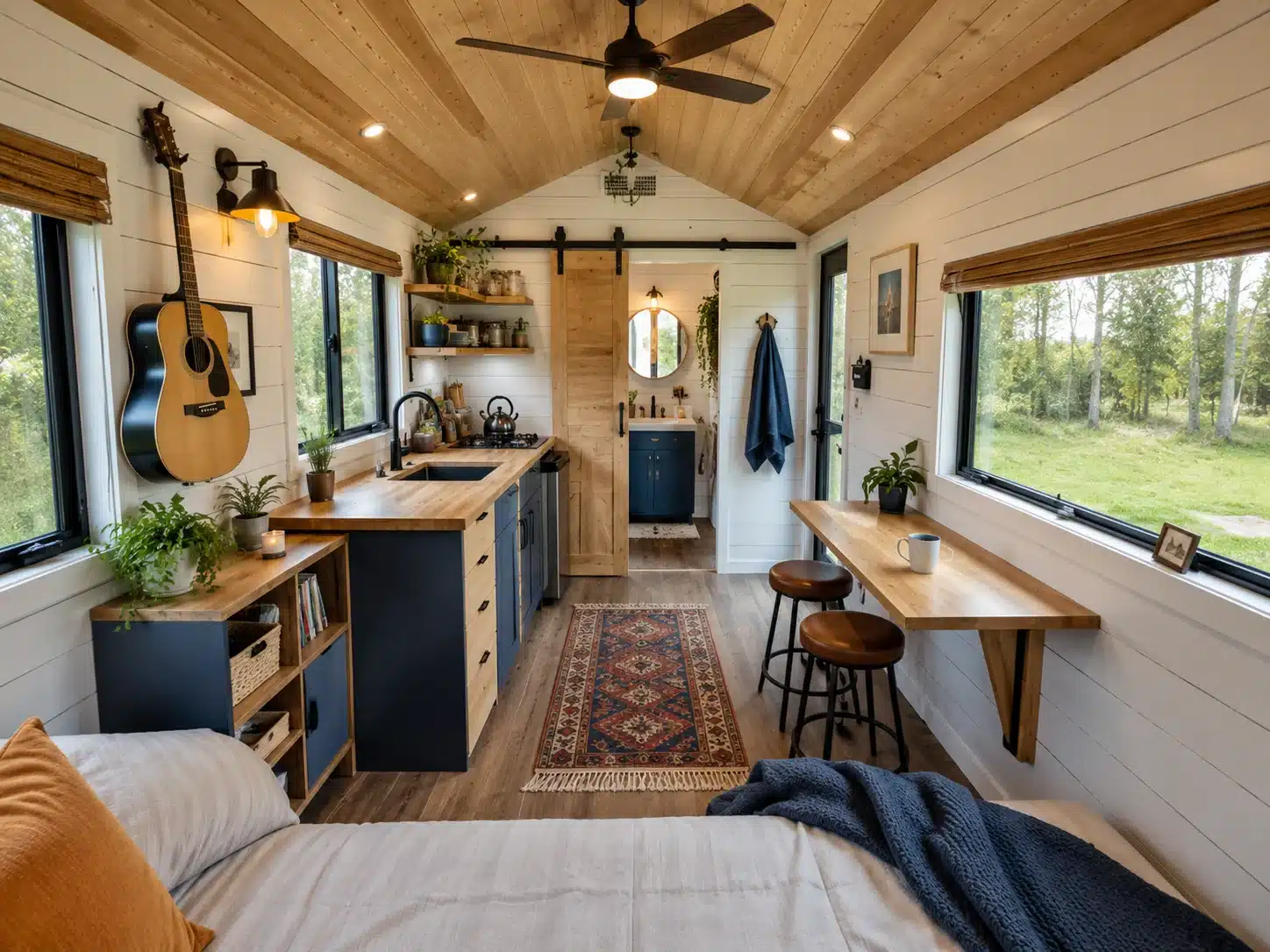
- Smart storage solutions
- Minimalist kitchens
- Warm wood finishes
- Rooftop decks
- Hidden workspaces
Many models feel more like boutique vacation rentals than budget housing.
Eco-Friendly Appeal
Smaller homes naturally use fewer resources.
Prefab construction also tends to create less waste than traditional builds because factory environments control materials more carefully.
Many prefab tiny homeowners also choose:
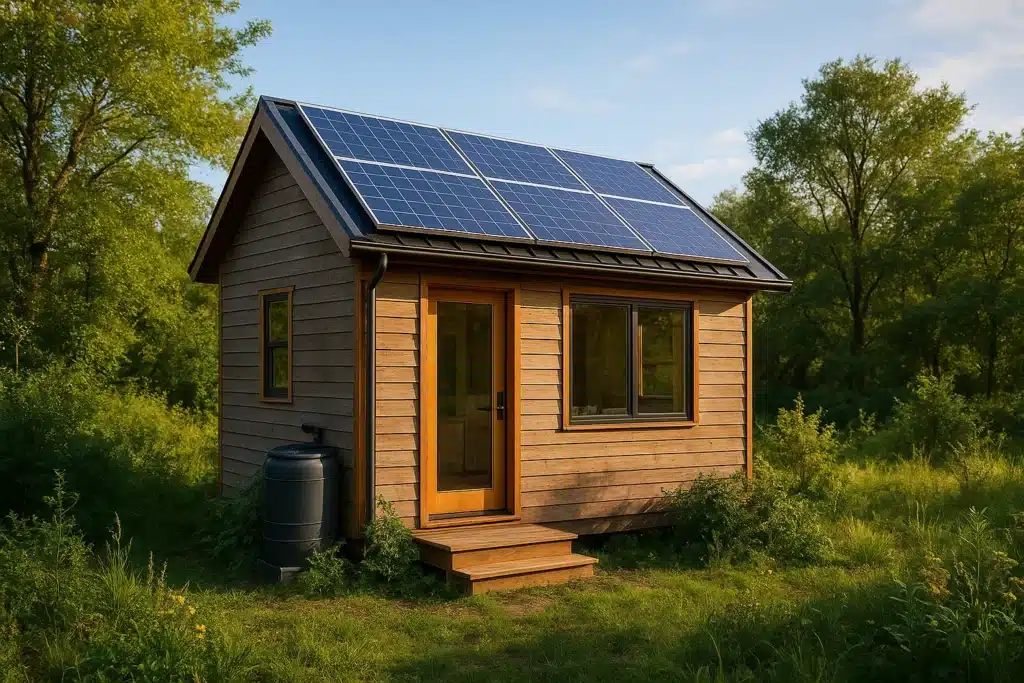
- Solar power systems
- Composting toilets
- Rainwater collection
- Energy-efficient appliances
- Better insulation packages
For buyers who care about sustainability, that’s a major win.
How Much Do Prefab Tiny Homes Cost in 2026?
This is the question almost everyone asks first.
And the honest answer is: it depends.
Pricing changes based on size, materials, finishes, location, delivery costs, and setup requirements.
Here’s a realistic breakdown.
Entry-Level Prefab Tiny Homes
Approximate range: $30,000 to $75,000
These usually offer simpler layouts, fewer upgrades, and smaller footprints.
Good option for:
- Guest spaces
- Backyard offices
- Starter tiny living
Mid-Range Prefab Tiny Homes
Approximate range: $75,000 to $150,000
This is where design starts getting much more attractive.
You’ll often find:
- Better kitchens
- Stylish bathrooms
- Larger windows
- Premium insulation
- Built-in storage
This range is popular with full-time homeowners.
Luxury Prefab Tiny Homes
Approximate range: $150,000 to $300,000+
Yes, tiny can get expensive.
Luxury models may include:
- Designer interiors
- Smart home features
- Custom layouts
- High-end appliances
- Premium exterior materials
These homes target buyers who want compact living without giving up comfort.
Hidden Costs Buyers Should Expect
The sticker price isn’t always the full story.
Other costs may include:
- Land purchase
- Permits
- Site prep
- Foundation work
- Utility hook-ups
- Delivery fees
- Crane installation
- Landscaping
This catches many first-time buyers off guard.
A prefab home listed at $80,000 could easily cost much more once everything is included.
Are Prefab Tiny Homes Actually Good Quality?
Short answer: yes, when you buy from the right company.
Factory-built homes often have tighter quality control than traditional construction.
Why?
Because workers are building in consistent conditions, not dealing with rain, extreme temperatures, or random delays.
That often leads to cleaner workmanship.
That said, quality varies a lot between manufacturers.
Some brands focus on budget production.
Others focus on premium craftsmanship.
Before buying, check:
- Customer reviews
- Warranty details
- Build materials
- Certifications
- Delivery process
- Service support
If possible, tour a model in person.
Pictures can make anything look amazing.
Best Uses for Prefab Tiny Homes
Prefab tiny homes are surprisingly flexible.
Full-Time Living
Perfect for singles, couples, retirees, or anyone ready to simplify life.
Vacation Rentals
Tiny homes perform incredibly well as short-term rentals because travelers love unique stays.
Modern prefab units can look extremely Instagram-worthy, which helps bookings.
Guest Houses
Need extra space for family or visitors?
A prefab tiny home can solve that without a major home addition project.
Backyard Office or Studio
Remote workers love having separate space without commuting.
Creative professionals use them for:
- Art studios
- Writing spaces
- Music rooms
- Home businesses
Vacation Getaways
A prefab cabin-style tiny home makes a fantastic weekend escape.
Legal Things to Check Before Buying
This part matters a lot.
Even the most beautiful prefab tiny home can become a nightmare if local rules don’t allow it.
Always check:
Zoning Laws
Some areas restrict tiny homes entirely.
Others allow them only as accessory dwellings.
Minimum Size Rules
Certain municipalities require homes to meet minimum square footage.
Utility Requirements
Some locations require connection to approved sewer, water, and electrical systems.
Foundation Rules
Permanent prefab homes often need approved foundations.
HOA Restrictions
Homeowners associations can be surprisingly strict.
Never assume your dream setup is automatically allowed.
Always verify first.
Design Trends for Prefab Tiny Homes in 2026
The style game has leveled up.
Here’s what buyers are loving right now.
Japandi Interiors
The clean mix of Japanese simplicity and Scandinavian warmth continues to dominate.
Think:
- Light wood
- Neutral tones
- Soft textures
- Calm, uncluttered spaces
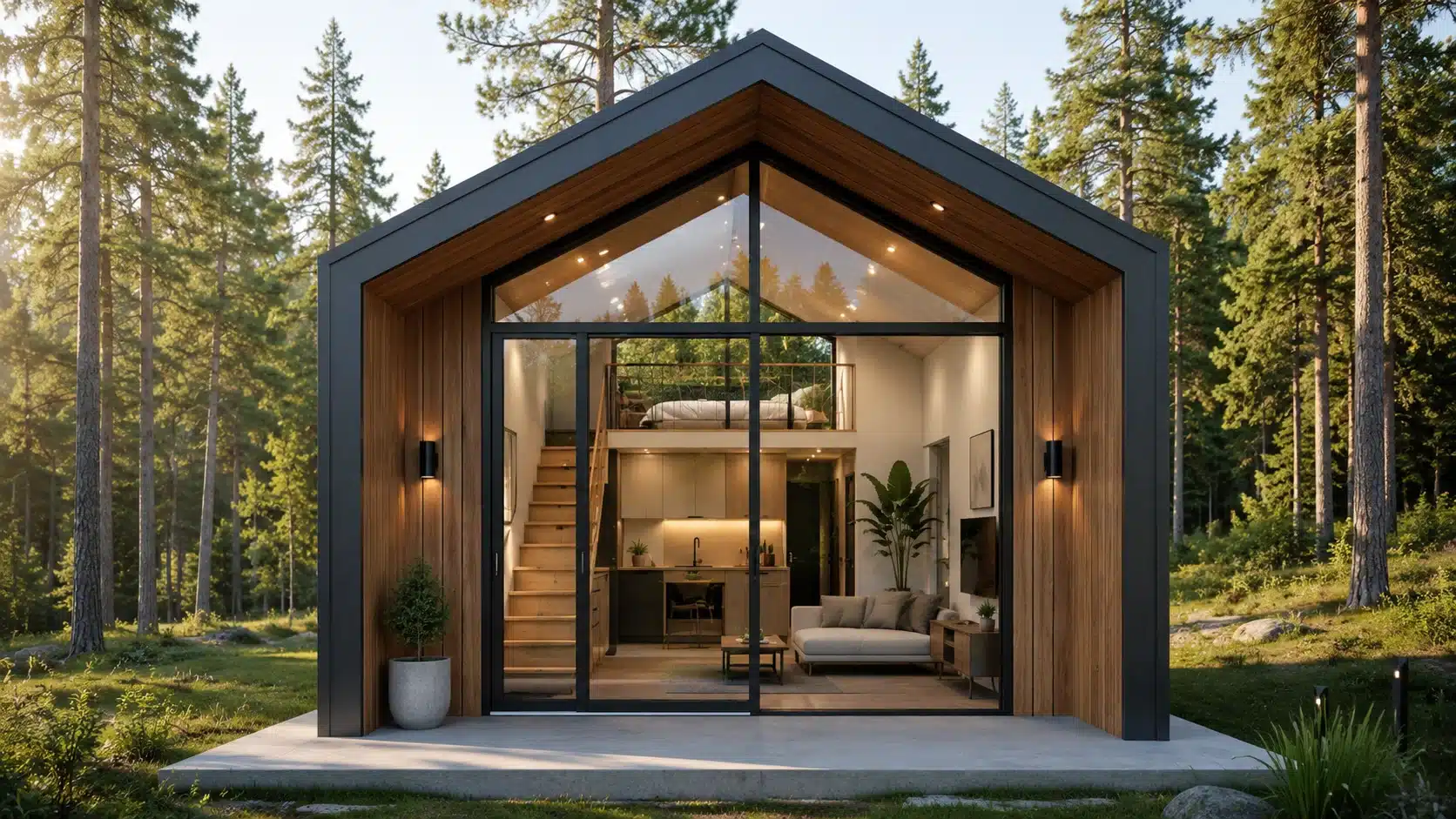
Big Glass Walls
Natural light makes small spaces feel dramatically larger.
Massive windows are everywhere.
Flexible Furniture
Tiny spaces need furniture that works harder.
Popular options include:
- Fold-away beds
- Expandable tables
- Hidden storage benches
- Convertible sofas
Smart Home Features
Even tiny homes are getting tech upgrades.
Buyers love:
- Smart lighting
- App-controlled climate systems
- Security cameras
- Voice assistants
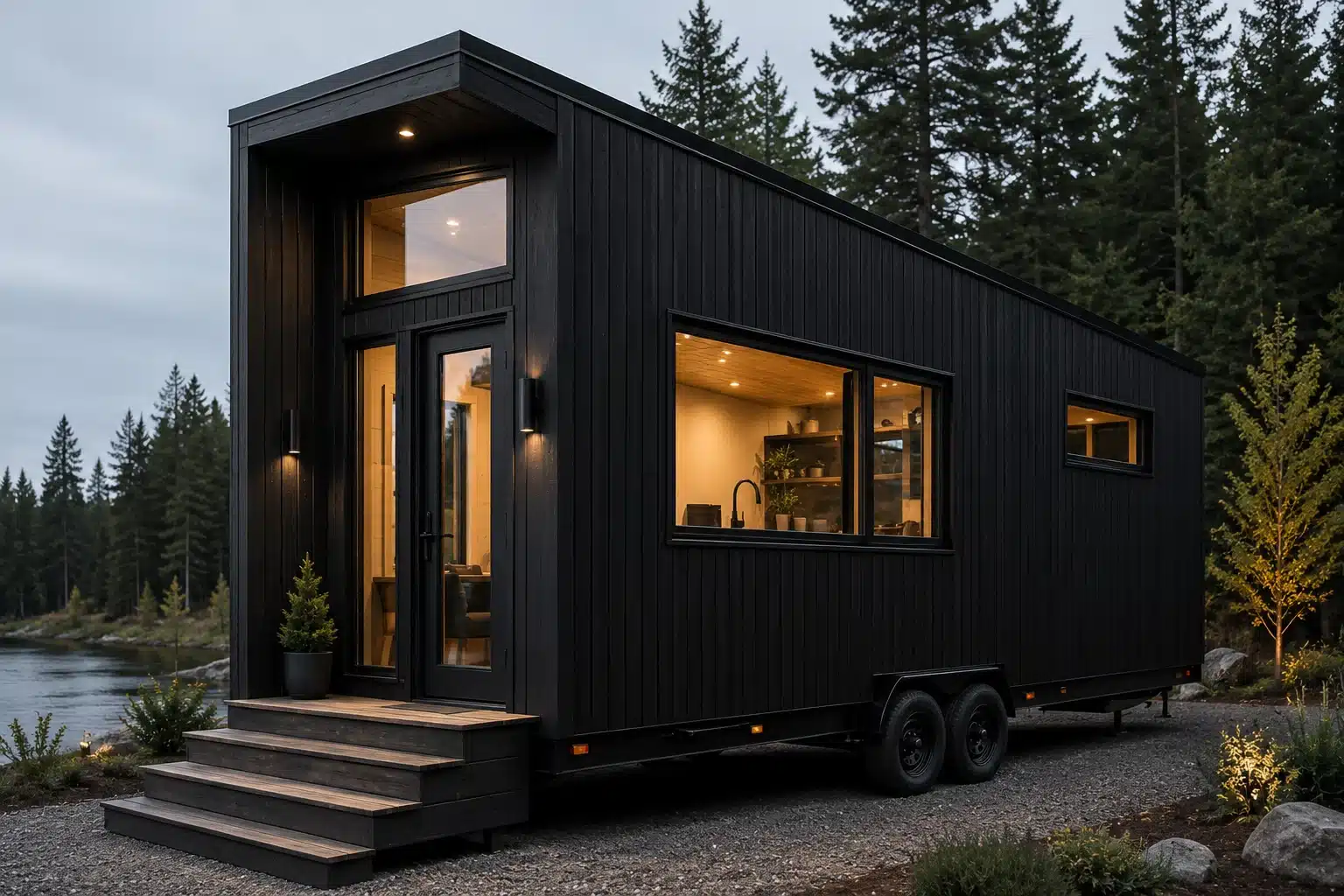
Black Exterior Finishes
Modern matte black exteriors remain incredibly popular for contemporary prefab designs.
Who Should Consider a Prefab Tiny Home?
These homes make sense for a lot of people, but not everyone.
Great fit if you:
- Want lower housing costs
- Like minimalist living
- Need a guest unit
- Want rental income
- Need faster housing
- Care about sustainability
- Love modern design
Maybe not ideal if you:
- Need lots of storage
- Have a large family
- Hate compact living
- Need highly flexible zoning options
Tiny living sounds romantic until you realize you own seven blenders and a giant sectional.
Lifestyle fit matters.
How to Choose the Right Prefab Tiny Home Company
Not all builders are equal.
Ask smart questions.
What’s Included?
Does the price include:
- Delivery?
- Setup?
- Appliances?
- Permits?
- Foundation?
How Long Is the Timeline?
Get realistic timing, not marketing promises.
What Warranties Exist?
A strong warranty says a lot about confidence in the product.
Can You Customize?
Some buyers want turnkey simplicity.
Others want personalization.
What Do Past Buyers Say?
Reviews tell the real story.
Final Thoughts
Prefab tiny homes in 2026 hit a sweet spot that many buyers have been waiting for.
They’re faster than traditional builds.
Often cheaper.
Far more stylish than people expect.
And flexible enough for everything from full-time living to vacation rentals.
They’re not a magic solution for every housing problem, and the legal side absolutely needs homework.
But for the right buyer, prefab tiny homes offer a genuinely exciting way to own smart, beautiful space without the headaches of traditional construction.
And honestly?
That’s a pretty compelling deal.