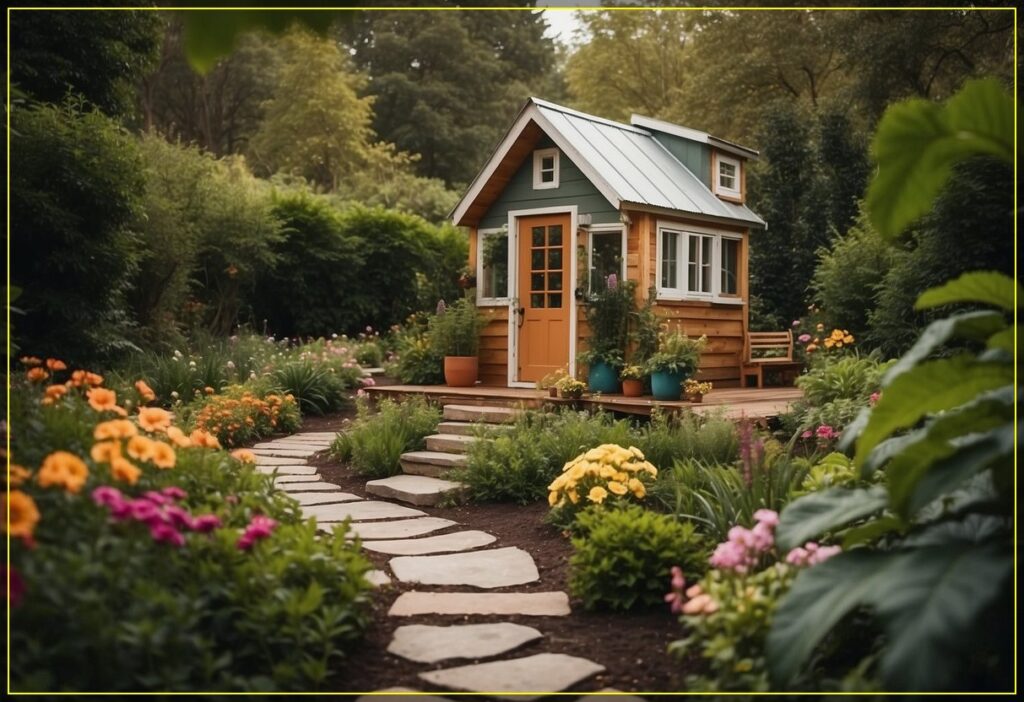
A Big Shift Toward Smaller Living
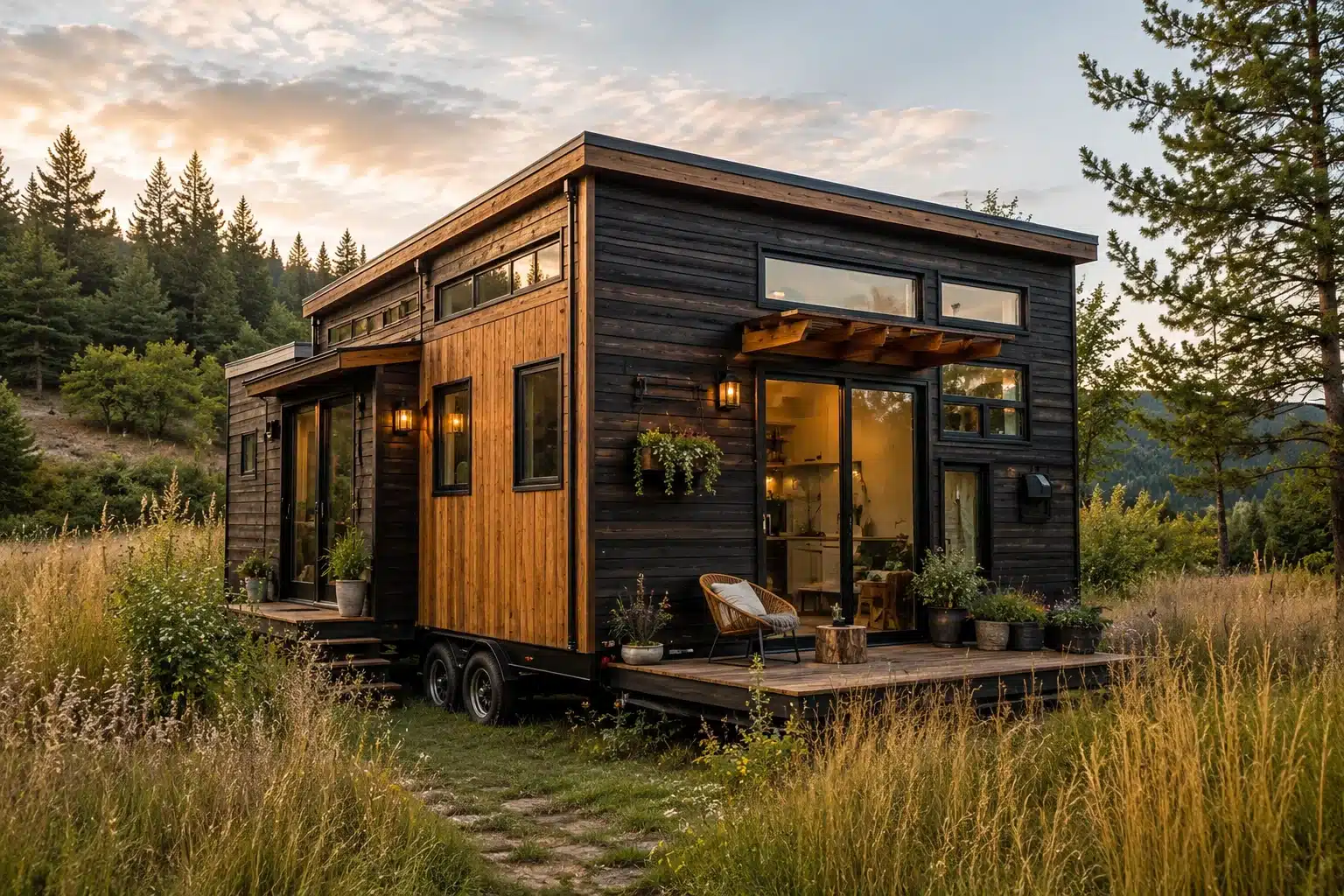
For decades, the idea of a dream home usually meant one thing: bigger. More bedrooms, more storage, bigger kitchens, larger backyards. But that picture has started to change. Rising home prices, changing lifestyles, remote work, and growing interest in simpler living have pushed many people to rethink what “home” really means.
That’s where tiny homes come in.
Tiny homes have gone from being a niche lifestyle choice to a serious housing conversation. What once looked like a trend for minimalists and travel lovers is now catching the attention of homeowners, city planners, investors, and even families looking for affordable options.
So, are tiny homes just having a moment, or are they actually here to stay?
Let’s talk about it.
What Exactly Counts as a Tiny Home?
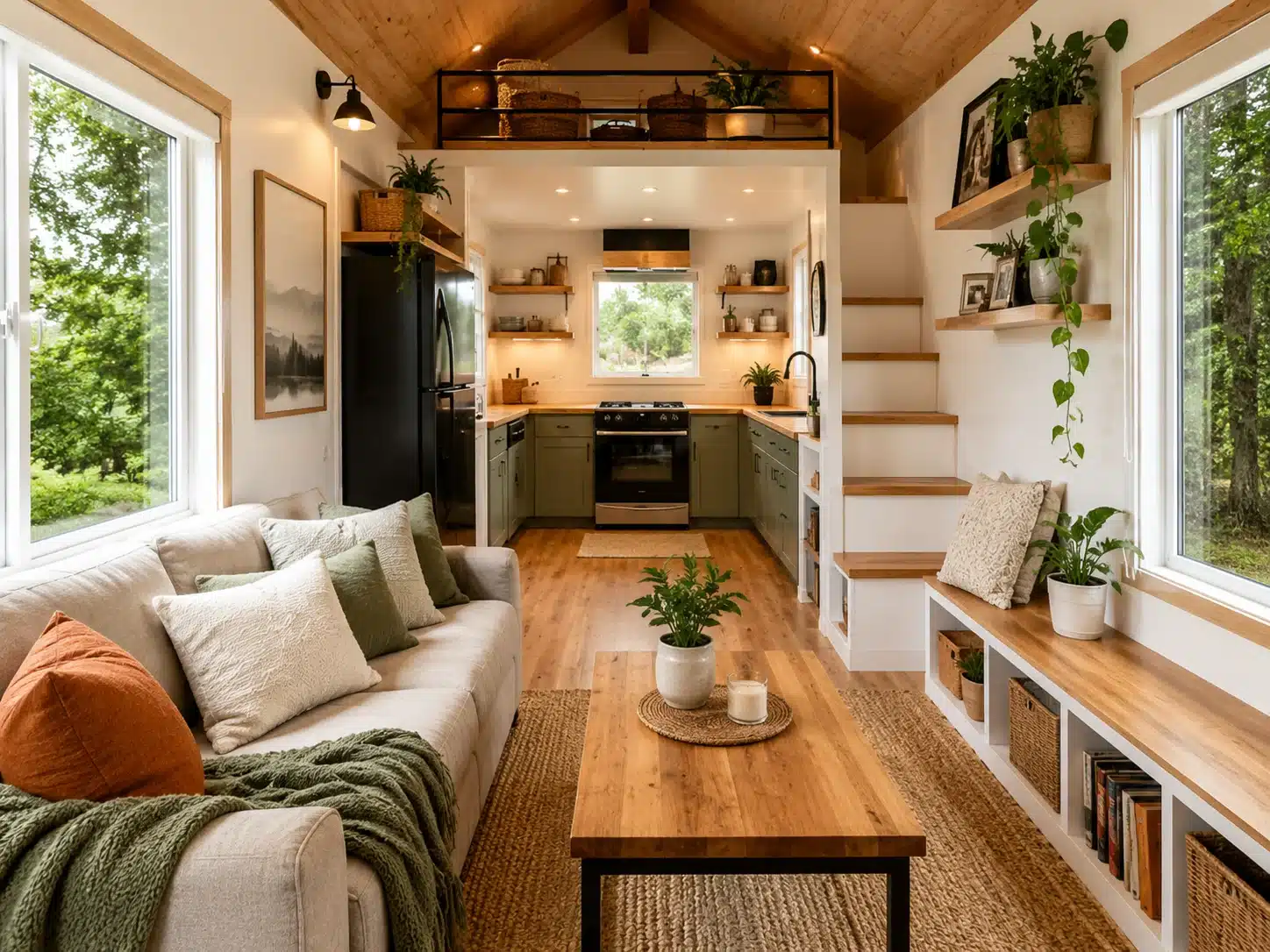
A tiny home is generally a small living space, usually between 100 and 400 square feet, though some stretch a little bigger. They can be built on wheels for mobility or placed on permanent foundations like traditional homes.
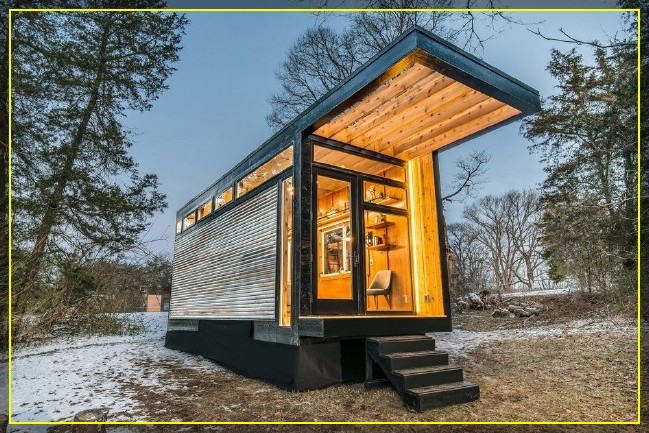
Some look like charming cottages. Others feel sleek and modern. Some are designed for off-grid living, while others fit neatly into suburban backyards as guest houses or rental units.
The big idea behind tiny homes isn’t just size. It’s intentional living.
Instead of filling a house with unused rooms and stuff that collects dust, tiny homeowners focus on what they actually need.
And honestly, for a lot of people, that sounds pretty refreshing.
Why Tiny Homes Became So Popular
Tiny homes didn’t become popular by accident. Several real-life problems helped push them into the spotlight.
Housing Costs Keep Climbing
Let’s be honest. Buying a traditional home feels out of reach for many people.
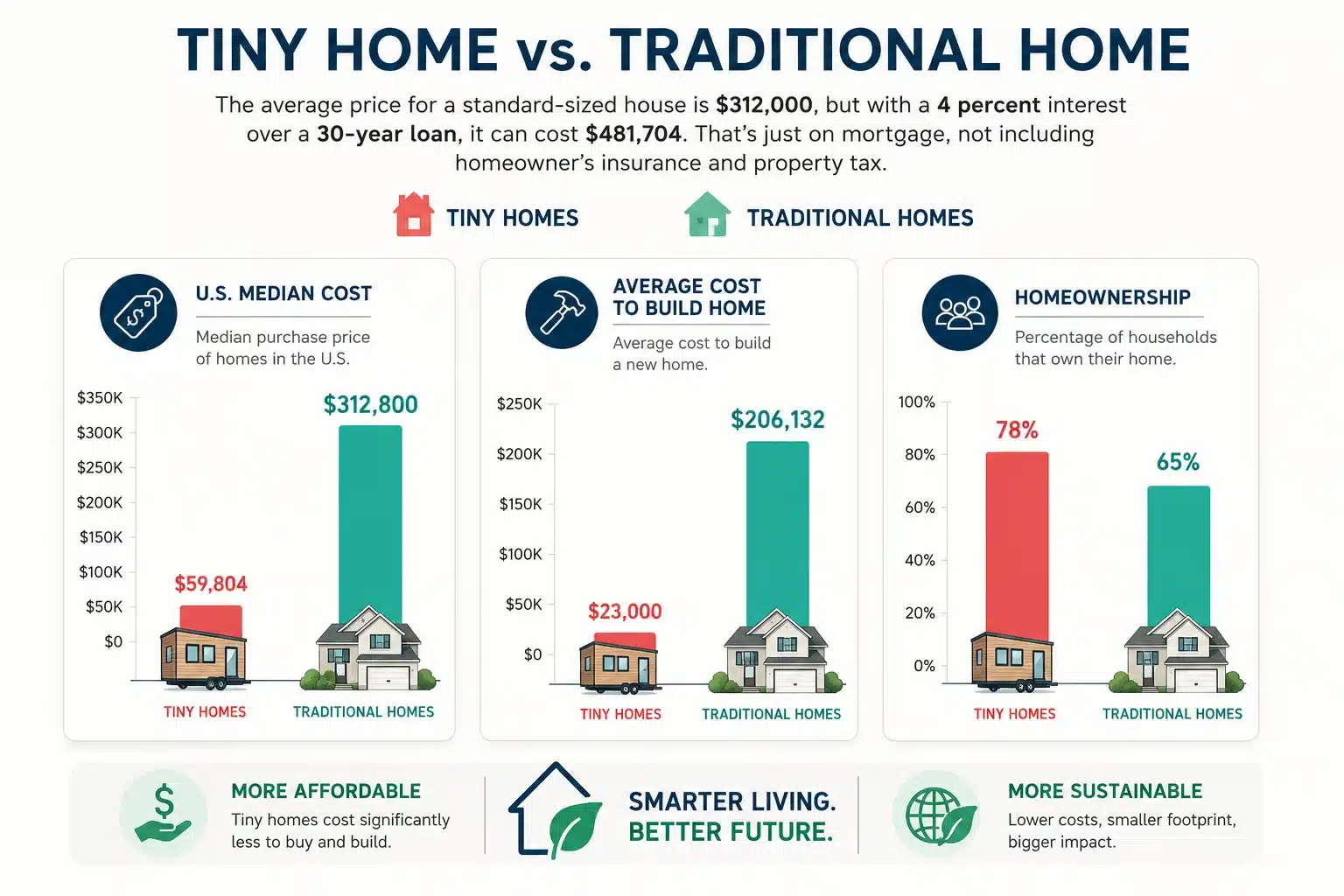
In many parts of the United States, home prices have climbed so much that first-time buyers feel completely priced out. Add mortgage rates, property taxes, maintenance costs, and insurance, and the numbers can feel overwhelming.
Tiny homes offer a different path.
While prices vary depending on design, location, and materials, many tiny homes cost far less than traditional houses. That lower upfront cost makes homeownership feel possible again for some buyers.
For people tired of renting or carrying huge debt, that’s a major draw.
People Want Financial Freedom
A big mortgage can shape your life for decades.
Tiny living often appeals to people who want fewer monthly expenses and more flexibility. Less money spent on housing can mean more room in the budget for travel, saving, starting a business, or simply breathing easier each month.
That kind of freedom is hard to ignore.
Minimalism Became Mainstream
Not everyone wants a house full of stuff anymore.
Over the past several years, more people have started embracing simpler lifestyles. Less clutter. Fewer unnecessary purchases. More focus on experiences instead of things.
Tiny homes fit naturally into that mindset.
When every square foot matters, you become very intentional about what you keep.
Remote Work Changed Everything
Working from home reshaped housing decisions in a huge way.
If you don’t need to commute daily, living in an expensive city becomes less necessary. Some people started moving to rural areas, downsizing, or exploring alternative housing options.
Tiny homes became part of that conversation, especially for digital nomads and remote workers who wanted flexibility.
The Real Benefits of Tiny Home Living
Tiny homes aren’t just about saving money. They come with several lifestyle benefits that appeal to different types of buyers.
Lower Utility Bills
Smaller spaces naturally use less energy.
Heating, cooling, lighting, and maintenance costs are usually much lower than those of larger homes.
For homeowners trying to cut monthly expenses, this makes a noticeable difference.
Less Cleaning, Less Stress
Nobody dreams about spending their weekend cleaning three bathrooms.
Tiny homes are quick to clean and easier to maintain. Less space often means less stress, fewer repairs, and fewer forgotten storage closets full of random stuff.
That simplicity can feel surprisingly freeing.
Eco-Friendly Living
Sustainability matters more than ever.
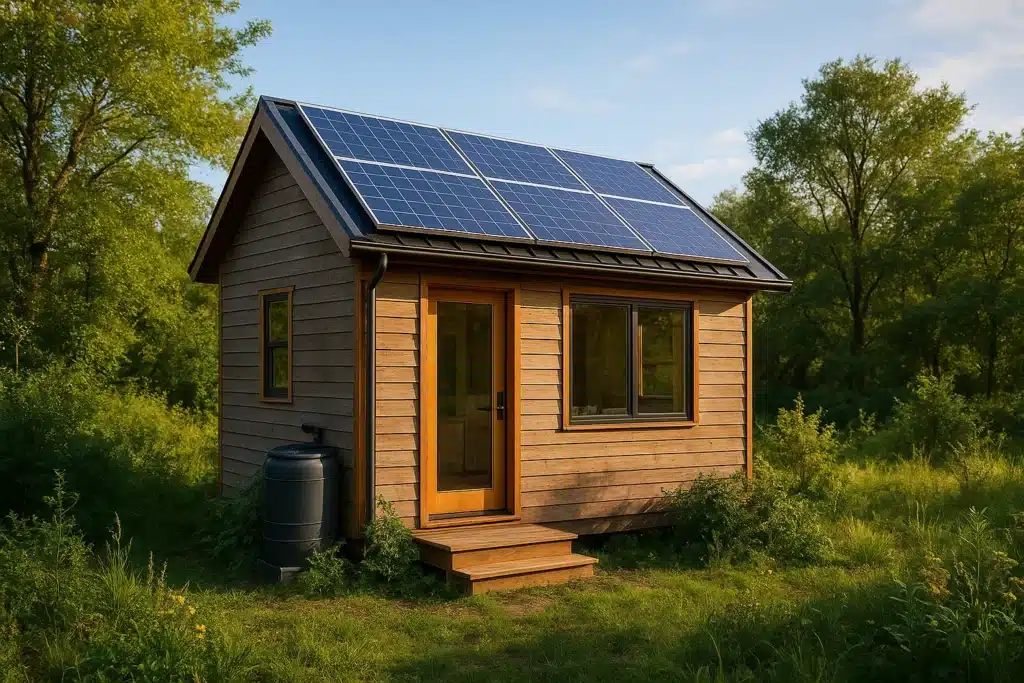
Tiny homes usually require fewer building materials and use less energy over time. Some owners go even further with solar panels, composting toilets, rainwater collection systems, and energy-efficient appliances.
For environmentally conscious buyers, tiny living feels like a practical way to reduce their footprint.
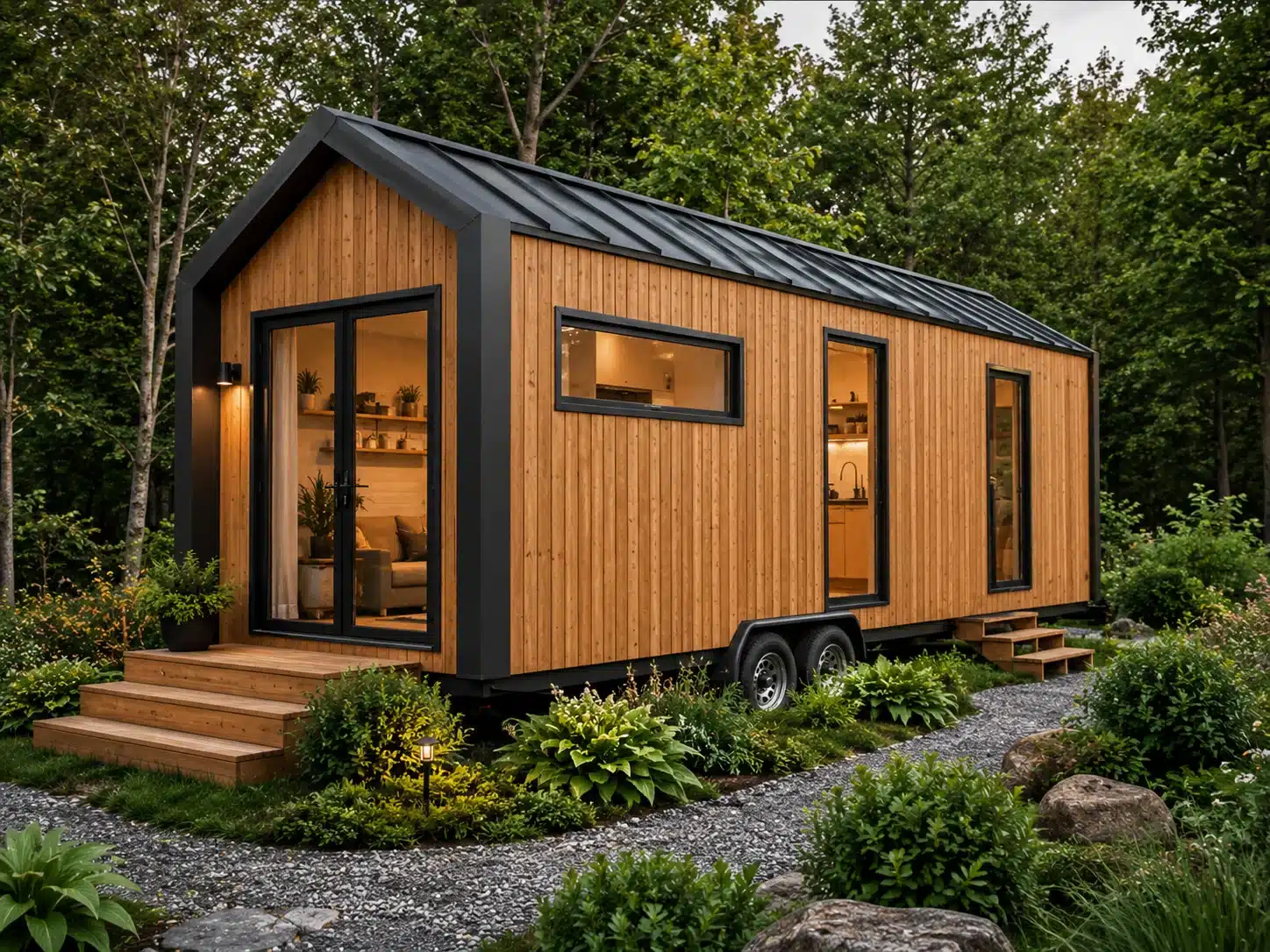
Mobility and Flexibility
Tiny homes on wheels offer something traditional houses can’t.
Freedom to move.
That appeals to travellers, retirees, remote workers, and people who simply don’t want to feel tied to one place forever.
Want mountain views this year and beach life next year? That flexibility is part of the appeal.
The Challenges Tiny Homes Still Face
Tiny homes sound great, but they’re not perfect.
There are some very real hurdles that still make ownership complicated.
Zoning Laws and Regulations
This is one of the biggest problems.
Not every city or county welcomes tiny homes. Rules around minimum home sizes, foundation requirements, parking, utilities, and land use can make placement difficult.
A person might buy a beautiful tiny house and then realize there’s nowhere legal to put it.
That’s a serious issue.
Some areas are becoming more flexible, but regulations still lag behind demand.
Financing Isn’t Always Easy
Getting a loan for a traditional house is pretty straightforward.
Tiny homes? Not always.
If a tiny home is built on wheels, lenders may treat it more like an RV than a home. That changes financing options and can make borrowing harder.
Insurance can also be more complicated depending on how and where the home is used.
Space Isn’t for Everyone
Let’s be real.
Living in a tiny home takes adjustment.
Storage is limited. Privacy can be tricky. Hosting guests gets interesting. Families with kids may find the space too tight for long-term comfort.
Some people love the cozy feel.
Others discover they miss having room to spread out.
Resale Can Be Unpredictable
Traditional homes often build equity over time.
Tiny homes don’t always follow the same path, especially mobile ones.
Resale value depends on condition, design quality, market demand, and location. That uncertainty makes some buyers cautious.
Are Tiny Homes a Real Housing Solution?
This is where the conversation gets interesting.
Tiny homes absolutely help some people. But can they solve larger housing problems?
The answer is complicated.
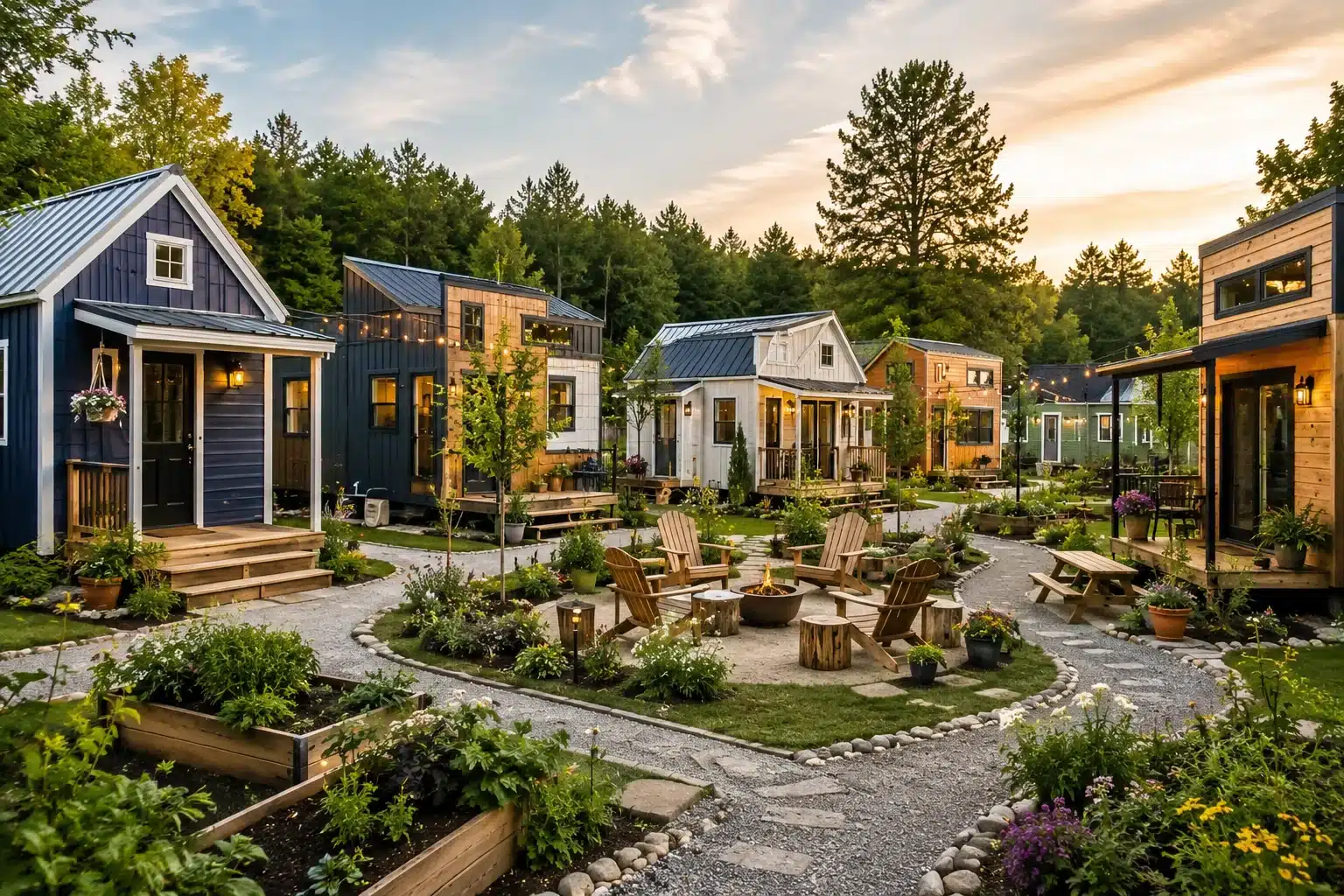
Affordable Housing Support
Tiny home communities have started appearing as affordable housing solutions in some areas.
Cities and non-profit groups have used them for transitional housing, homelessness support, and lower-cost housing projects.
Because they can be built faster and cheaper than many traditional homes, they offer potential.
But scaling this approach takes planning, legal support, infrastructure, and community buy-in.
Backyard Tiny Homes and ADUs
One growing trend is accessory dwelling units, often called ADUs.
These are small homes built on existing residential properties, often in backyards.
Homeowners use them for aging parents, adult children, guests, rental income, or home offices.
This model may actually have some of the strongest long-term potential because it works within existing neighborhoods.
More cities are relaxing ADU rules, which could help normalize smaller housing options.
Who Is Buying Tiny Homes?
The tiny home audience has grown way beyond the stereotype.
It’s not just young minimalists living off-grid.
Today’s buyers include:
- First-time homebuyers priced out of traditional housing
- Retirees looking to downsize
- Remote workers wanting flexibility
- Vacation rental investors
- Homeowners adding backyard guest houses
- Eco-conscious buyers
- Digital nomads
- People seeking debt-free living
That variety matters.
It shows tiny homes appeal to different lifestyles, not just one niche group.
What the Future Looks Like
Tiny homes probably won’t replace traditional houses entirely.
And honestly, they don’t need to.
The future of housing isn’t about one perfect solution. It’s about options.
Some people will always want larger family homes. Others want apartments in busy cities. Some prefer condos, cabins, or suburban neighborhoods.
Tiny homes simply add another meaningful option.
And demand for flexible, affordable housing isn’t going away anytime soon.
As zoning laws evolve, construction methods improve, and public attitudes shift, tiny homes could become a much more normal part of the housing market.
Especially in places where affordability keeps getting worse.
Are Tiny Homes Here to Stay?
Short answer?
Yes, but probably as part of the bigger housing mix, not the whole answer.
Tiny homes solve real problems for many buyers. They offer affordability, simplicity, mobility, and a fresh way to think about homeownership.
At the same time, legal challenges, financing hurdles, and lifestyle limitations keep them from being the perfect fit for everyone.
Still, the fact that tiny homes continue gaining attention says something important.
People are rethinking what home means.
And maybe the future isn’t about having more space.
Maybe it’s about having the right space.