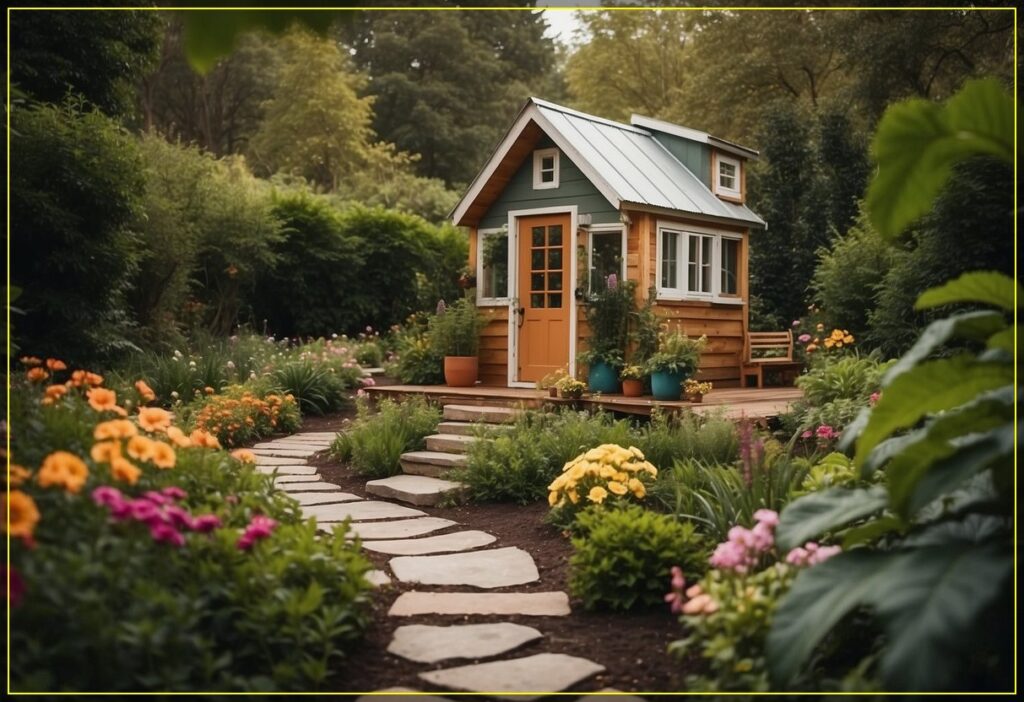
Is the Tiny House Market Still Growing in 2026?
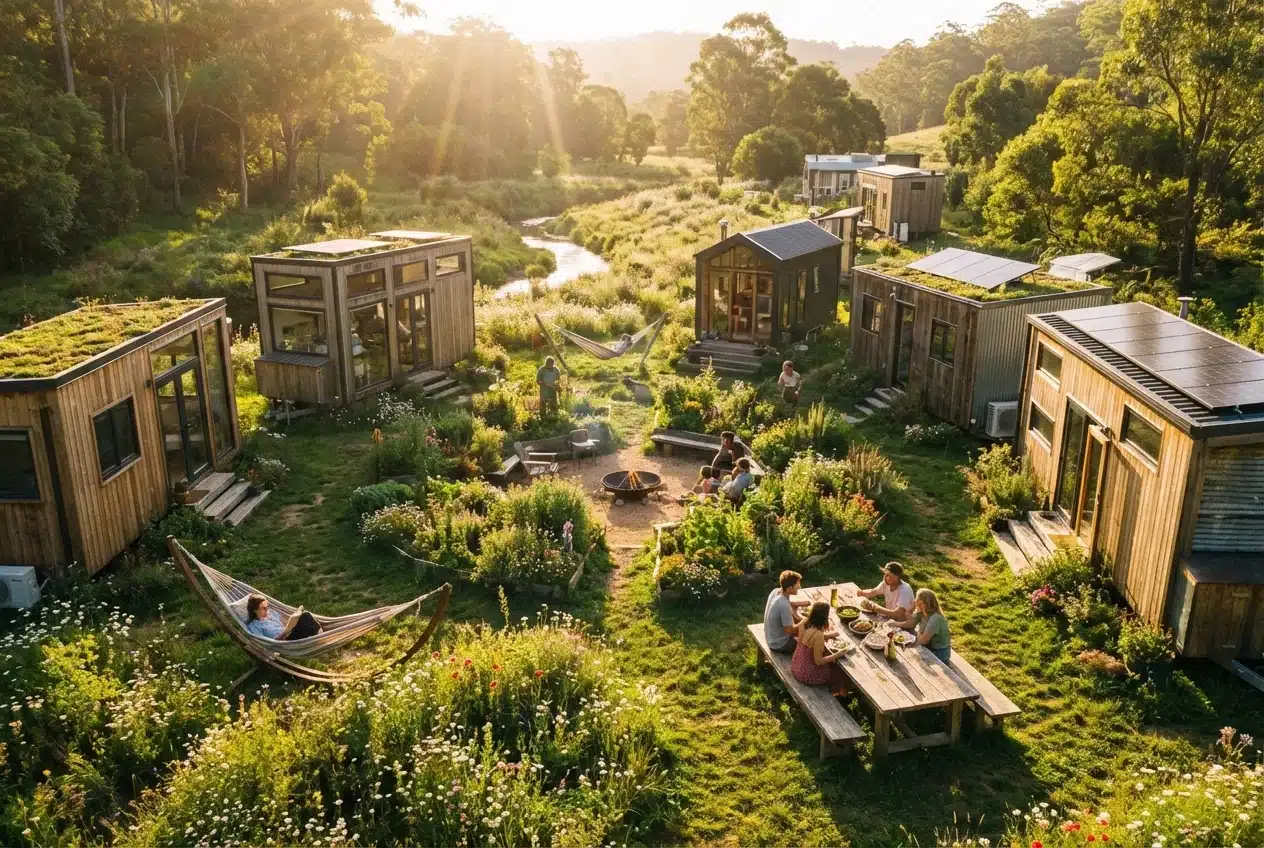
The question about the Tiny House Market shows its current status in 2026. The trend of tiny houses became established in the housing market because people started to prefer them. The niche lifestyle which began as a small movement has developed into a large social trend. The tiny house market currently exists in 2026. The tiny house market continues to grow while the market shows signs of decreased growth.
We will present the information in a straightforward and truthful manner.
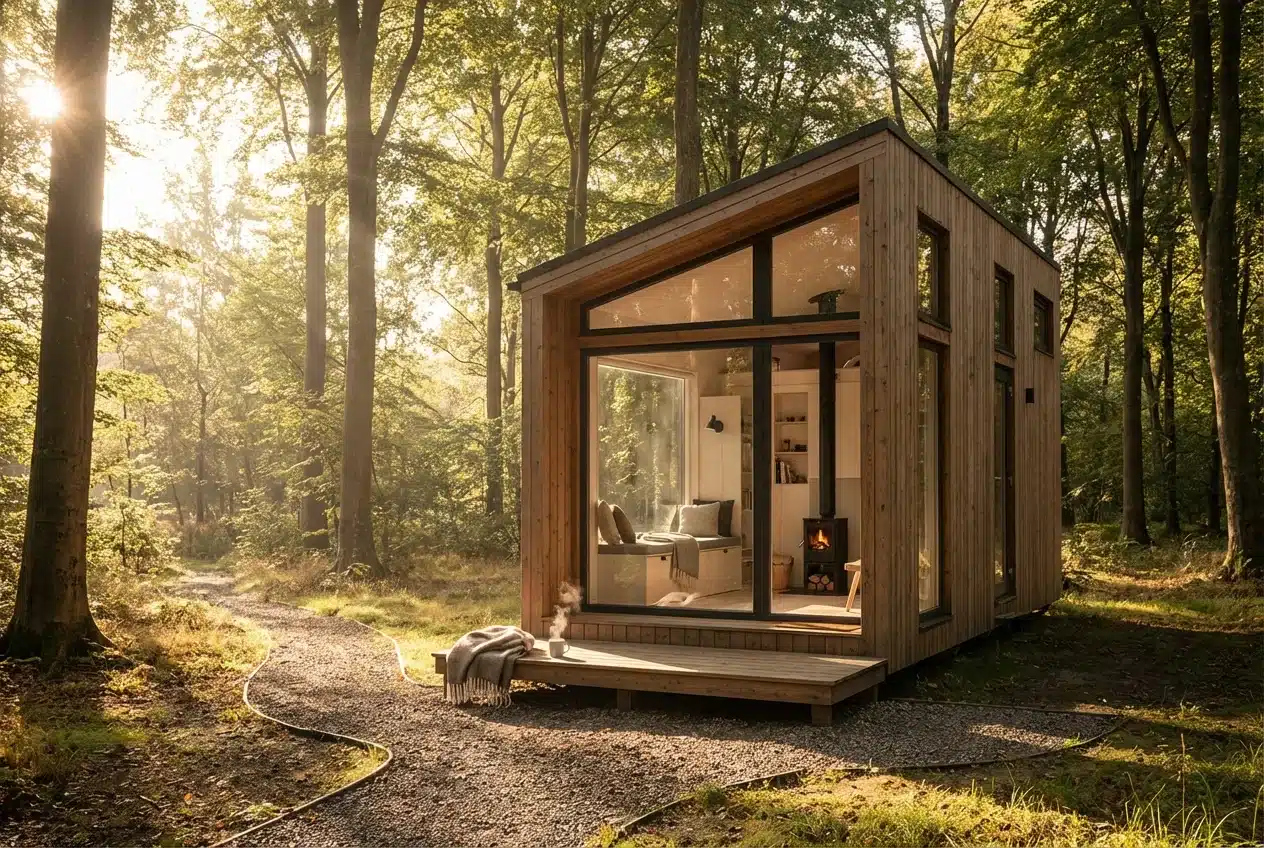
The Reasons Behind Tiny House Popularity
The tiny house market maintains its growth because two main factors drive its expansion. The global housing market continues to maintain high price levels which affects many regions around the world. most areas in the United States. and parts of Europe. For a lot of people, buying a traditional home feels out of reach. Tiny houses offer a more affordable option without giving up comfort or style.
Then there’s the lifestyle side of things. People are becoming more intentional about how they live. Less clutter, lower bills, and more freedom to move around. Young buyers together with digital nomads find that aspect to be their main attraction toward the product.
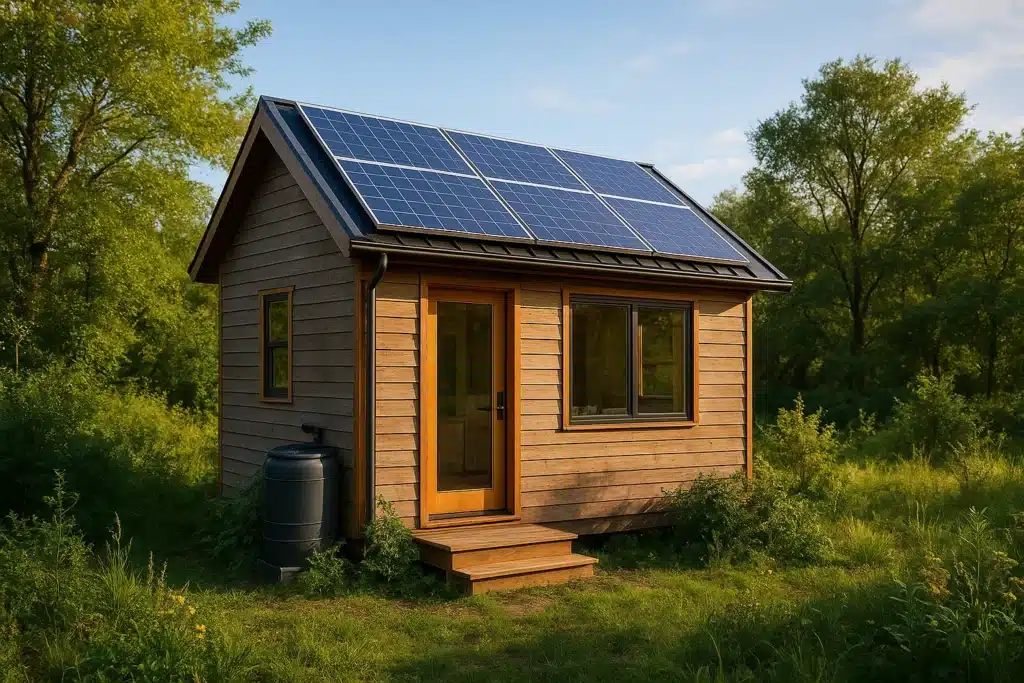
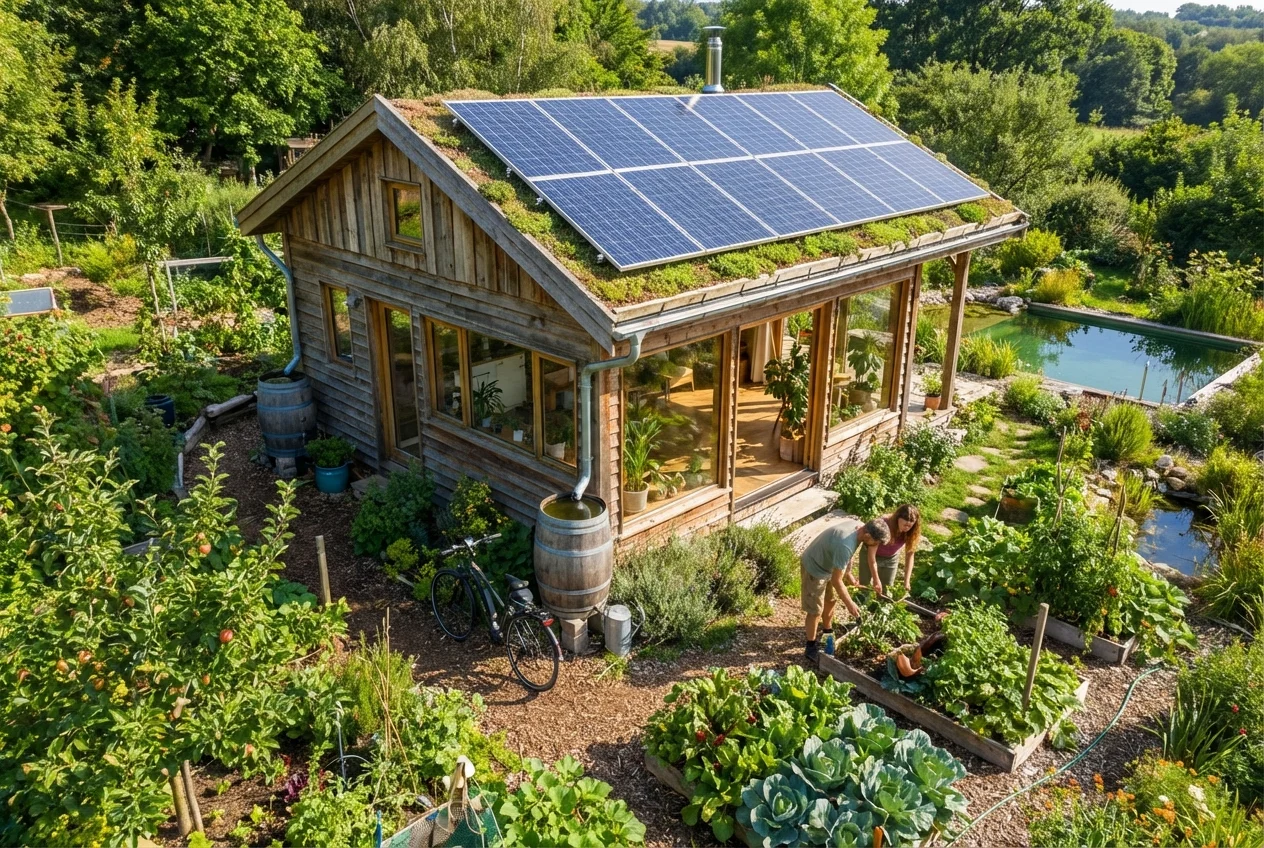
Sustainability must receive equal emphasis as the other aspects of the discussion. Tiny houses require fewer construction materials and consume less power while providing residents with sustainable options such as solar energy systems and composting toilets. The total cost of the product matters to many buyers who view it as equally important to them.
What Factors Will Contribute to Growth During 2026?
So why is the market still expanding this year? A few key trends are pushing things forward.
Remote Work Is Still a Game-Changer
Even in 2026, remote work hasn’t gone anywhere. People aren’t tied to big cities like they used to be. That makes tiny houses even more appealing since you can place them in quieter, more affordable areas.
More Financing Options
A few years ago, financing a tiny house was tricky. Now, more lenders are offering loans specifically for small homes. That opens the door for more buyers who couldn’t pay upfront before.
Better Designs and Features
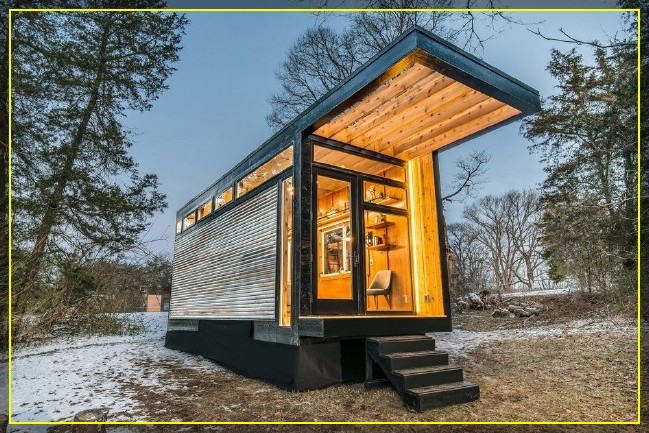
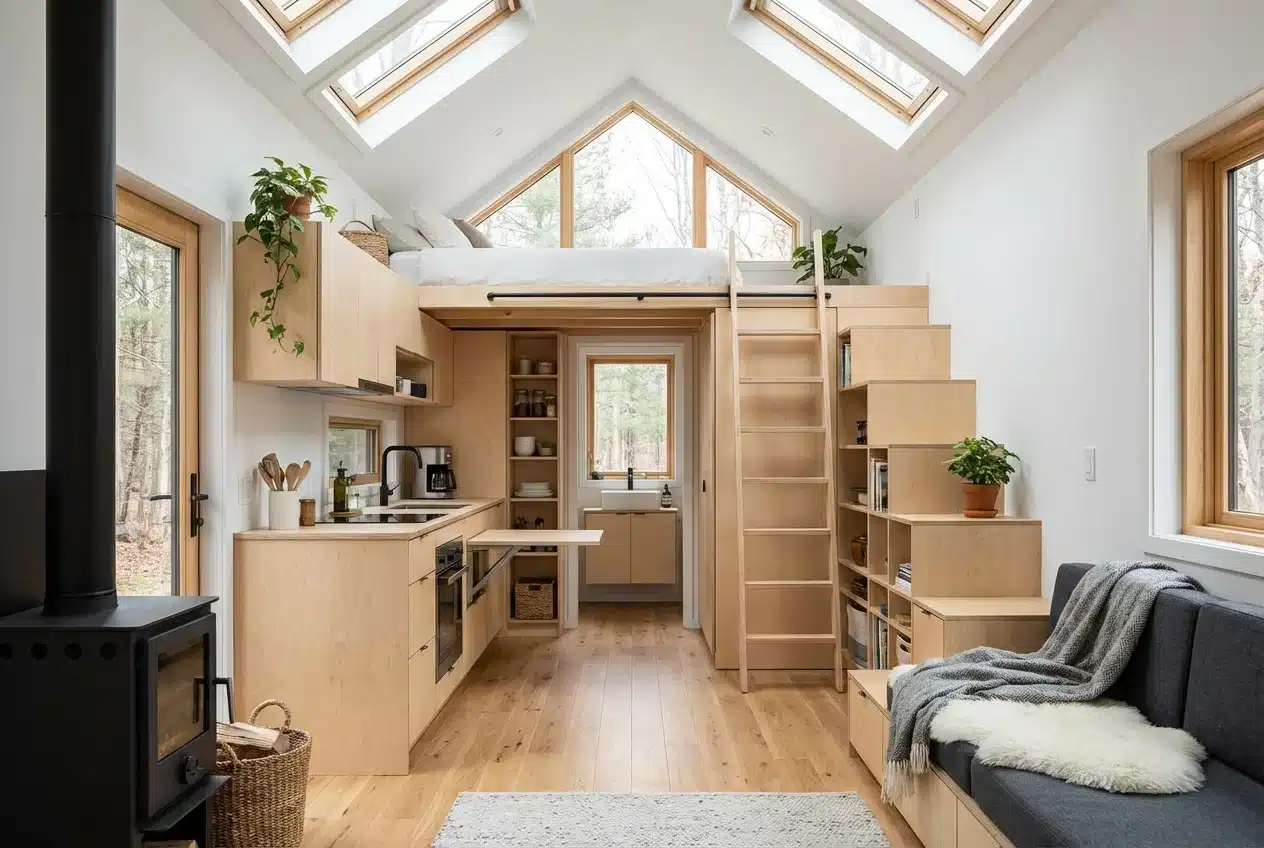
Tiny houses today look nothing like the early versions. Modern designs include smart storage, full kitchens, stylish bathrooms, and even multi-functional furniture. Some feel just as comfortable as a regular home just smaller.
Challenges the Market Still Faces
Of course, it’s not all smooth sailing.
Zoning laws and regulations are still one of the biggest hurdles. In some areas, it’s still difficult to legally place a tiny house, especially on wheels. That can slow things down for buyers who are ready to make the jump.
There’s also the reality that tiny living isn’t for everyone. Downsizing sounds great, but it takes some adjustment. Families, for example, might find it harder to make it work long-term.
And while prices are lower than traditional homes, high-quality tiny houses can still be expensive depending on materials and customization.
Is Demand Expected to Keep Growing?
Right now, all signs point to continued growth.
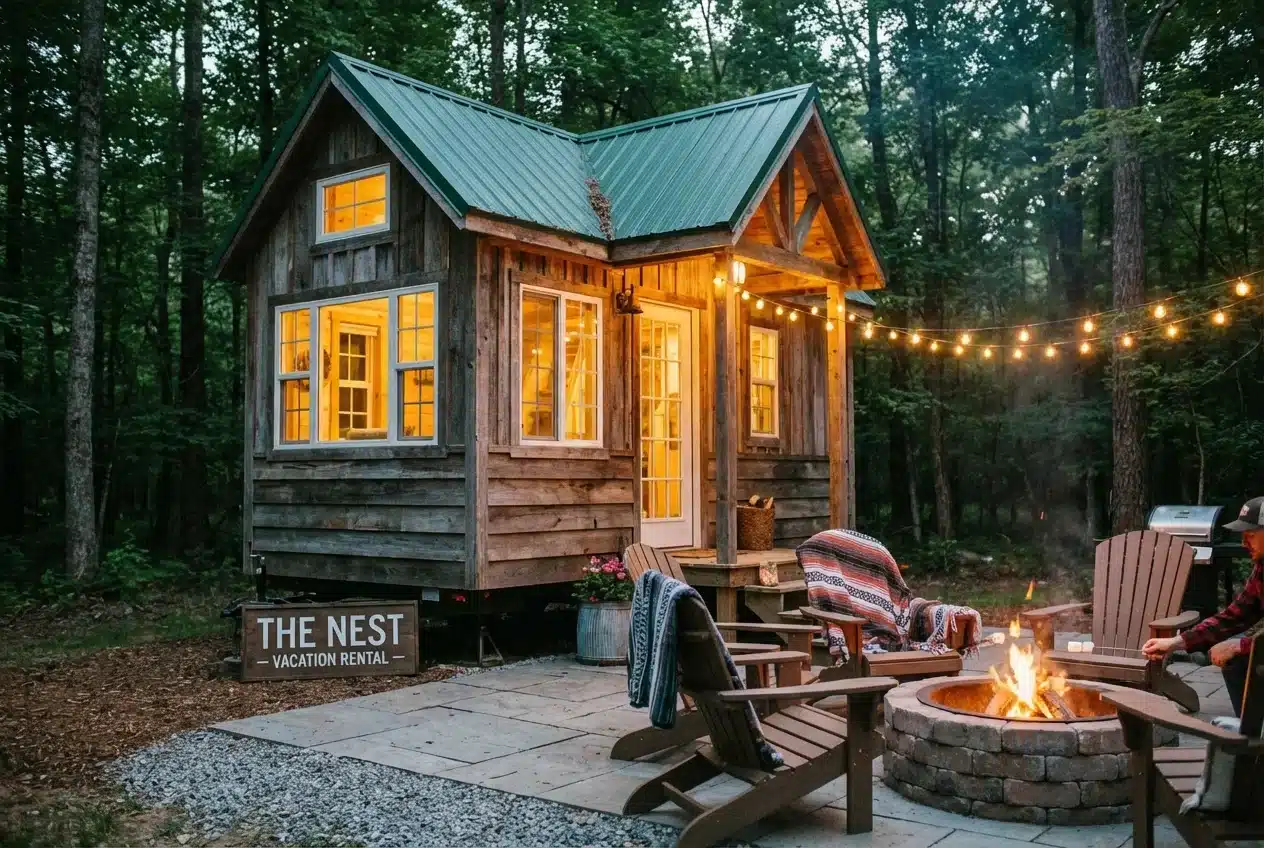
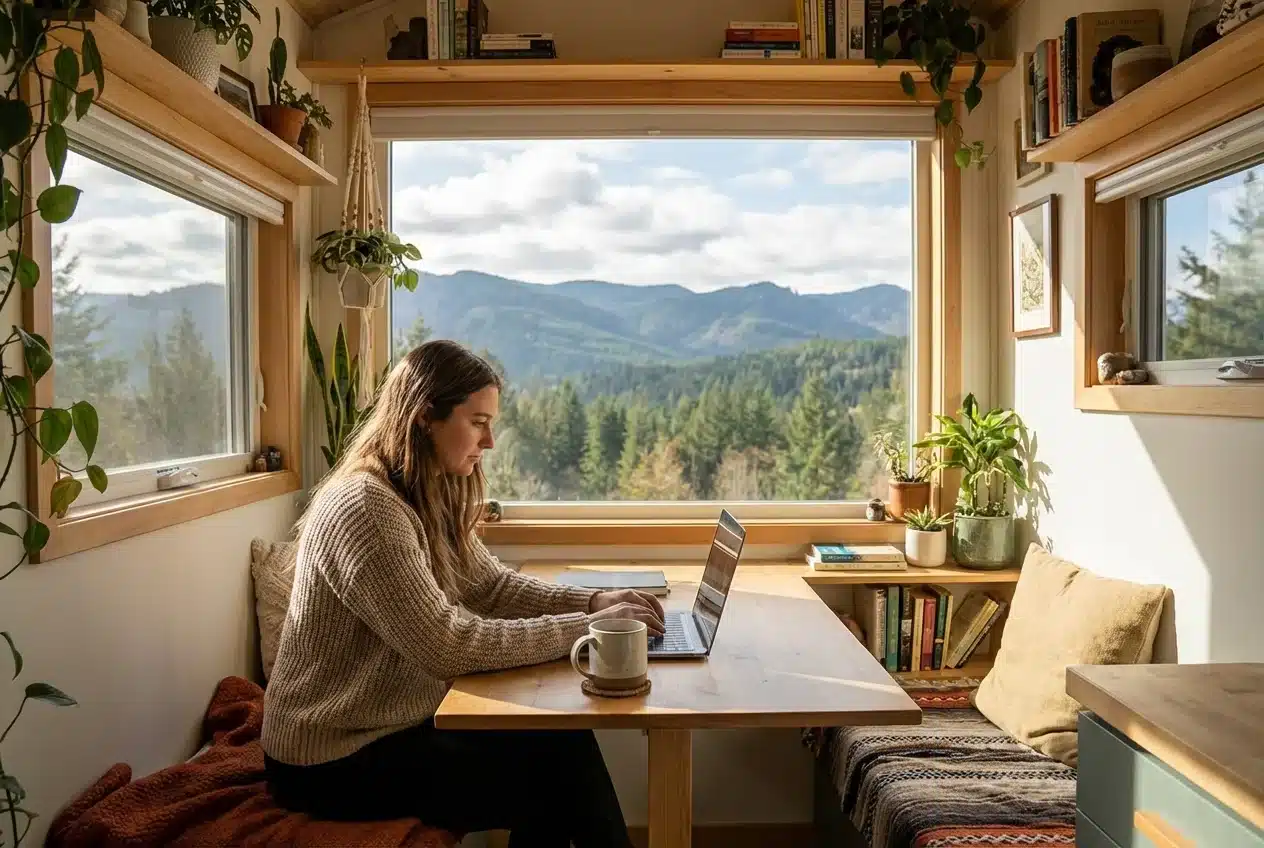
More people are exploring alternative housing options, especially as living costs keep rising. Tiny houses fit perfectly into that shift. The investors have started to show interest in the market. The short-term rental platforms have made tiny homes an attractive option for unique stays which creates additional demand for the market.
Final Thoughts
The tiny house industry will continue to expand its operations until 2026. The answer is yes.
It may not be exploding the way it did a few years ago, but it’s steady, strong, and still attracting new buyers every day. Between rising housing costs, lifestyle changes, and better design options, tiny houses continue to make a lot of sense for a lot of people.
If anything, the movement feels more established now and that’s a good sign it’s here to stay.