Financing Your Tiny House: Best Loan Options
Thinking about joining the tiny house movement? You’re not alone. Tiny homes are a great way to save money, live simply, and break free from the grind of oversized mortgages. But let’s be real—even tiny houses need big planning when it comes to money.
While tiny homes cost way less than traditional houses, most people still need a little financial help to get started. The good news? There are some solid loan options out there to make your dream happen.
Let’s break it down and look at the best ways to finance a tiny house in 2025—no jargon, just real talk.
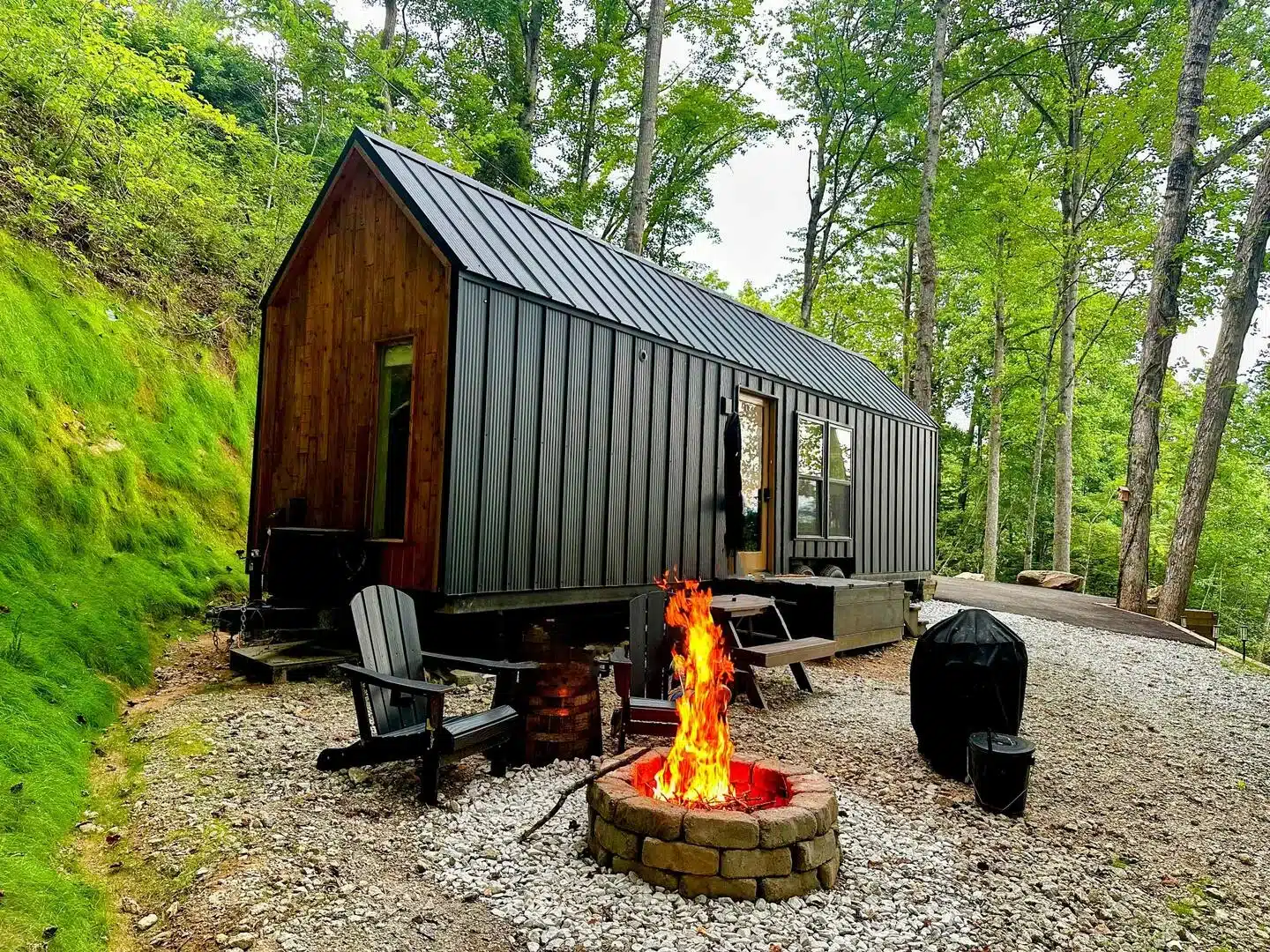
Why Tiny House Loans Are a Bit Different
Getting a loan for a tiny home isn’t always as simple as getting a mortgage for a regular house. Most banks like to loan money for full-size homes that are fixed to the ground. If your tiny house is on wheels or super small, you might need to think outside the box.
That’s why folks usually turn to personal loans, RV loans, builder financing, or home equity options instead.
1. Personal Loans
One of the main options for financing a tiny house is personal loans. You receive a lump sum in advance and repay it during a couple of years—most probably between 2 to 10 years.
Reasons for lending still being popular:
- Fast acceptance
- Not mandatory to have land or foundation
- Ideal for do-it-yourself homes or purchasing from builders
Caution:
- Interest rates might be somewhat higher
- That good credit is a must for getting the best offers
For those having a credit score of at least 680, it is advisable to consider lenders such as LightStream, SoFi, or Upgrade, as they usually collaborate with people constructing or purchasing unconventional homes.
2. RV Loans
Got a tiny house on wheels? You might be able to get an RV loan—as long as your house meets RVIA (Recreational Vehicle Industry Association) standards.
Why it’s a win:
- Longer loan terms (up to 15 years)
- Lower monthly payments
- Made for mobile living
Things to know:
- Your tiny house has to be RV-certified
- Not every lender offers them
RV loans are a great fit if you plan to travel or live on the go. Just remember: you’ll need to register your home like a vehicle and probably get RV insurance.
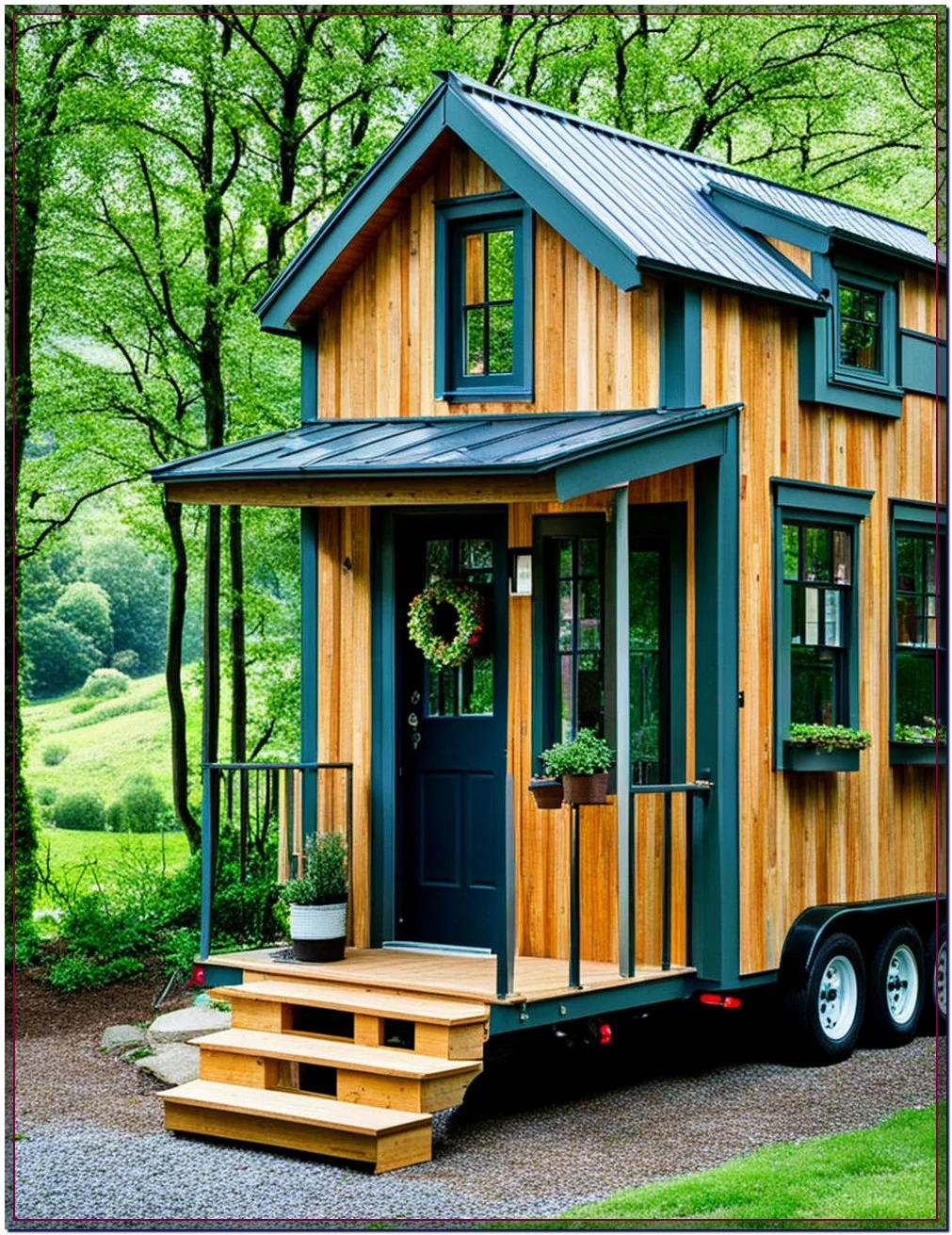
3. Builder Financing
Directly or through a partner lender, some tiny house builders provide financing plans. If you’re purchasing from a company like Tumbleweed, Tiny Heirloom, or TruForm Tiny, make sure to ask what they have.
Why this works:
- Very simple and quick approval
- Minimal paperwork
- Even if your credit is not so good, still available
What to be careful of:
- Limited options in design or builder restrictions
- Rates depend on your credit and builder and vary
Some even offer rent-to-own programs, which can be a great help if you do not want to take a big loan at once.
4. Home Equity Loans or HELOCs
If you already own a house or a piece of land, equity release can be the most intelligent (and least expensive) route. A home equity loan or HELOC enables you to borrow against the amount tied up in your real estate.
Why it makes sense:
- Lower interest rates are charged
- Houses can be of bigger size to take loans against
- Ideal for constructing a tiny guesthouse or an Airbnb
The downside:
- One has to possess equity already
- In case of default, the house is used as security, thus one should be careful not to miss any payments
This method is very appropriate if you want to build a small house in your backyard or use it as a rental property.
5. Credit Unions and Local Banks
Also, consider local lenders. If you establish a good rapport with them, credit unions and small banks are usually more accommodating.
They may provide tiny-house-specific loans or be more willing to lend in a situation that a big bank would classify as “non-traditional”.
Pro Tip: Go in and talk. You might be astonished by what you can get.
To conclude
Finances are not an issue when it comes to tiny houses. A personal loan, RV loan, or builder financing may be your choice, but a combination of them, which is suitable for your plans and budget, is available.
Do a little digging, compare your options, and choose the loan that makes the most sense for you. With the right plan, you’ll be picking out curtains for your cozy new space in no time.
Ready to go tiny? The financing part is just one step—but it’s a big one toward freedom, flexibility, and a whole new way of living.