What to consider before buying land for a tiny house
Before we dive into specific states, let’s agree on some key factors you should keep in mind when evaluating land for your tiny‑house project. Having clarity on these will help you pick the right state (and parcel) that aligns with your lifestyle, budget and long‑term goals.
Key criteria
Land cost & availability
Land prices vary dramatically from state to state and county to county. Lower land cost can give you more flexibility and free up budget for the tiny house itself or the infrastructure (power, septic, water). For example, some states offer relatively affordable land and fewer buildings or zoning constraints. Nestron | New generation of Tiny House+1Zoning & building‑code friendliness
It’s one thing to buy land; it’s quite another to be able to legally place or build a tiny house on it. Some states (or counties) are more friendly to tiny homes, accessory dwelling units (ADUs) or homes on wheels. Others have strict restrictions. For instance, in North Carolina, tiny homes must meet the state residential code, and if it’s on wheels it may be classified as an RV—so local regulation matters. Zook Cabins+1 In Texas, many counties allow tiny homes, but you still need to deal with building permits, land‑use laws, septic systems, etc. Zook CabinsInfrastructure & climate
A land parcel might look cheap, but if it’s far from roads, utilities, water or in a harsh climate, your cost and complexity go up. Also, for tiny homes you’ll want to consider how livable the climate is (insulation, off‑grid options, etc.).Resale and lifestyle potential
Even if you plan to live there long‑term, thinking ahead about resale and whether the area appeals to others is smart. Also, your lifestyle—do you want remote solitude, off‑grid, or to be near amenities and jobs?Legal category of your tiny house
Are you planning a tiny house on wheels (THOW), a tiny house on a permanent foundation, or an ADU? The legal treatment will differ. For example, some states treat tiny houses on wheels like RVs (which may restrict year‑round living). In North Carolina, many local areas permit tiny homes but treat “homes on wheels” differently. nanostead.com+1Taxes, land‑use costs & ongoing fees
Even low‑cost land may come with property tax, zoning fees, HOA rules, or permitting costs. Also, ease of getting utilities or installing septic can vary wildly.
Top US states for buying land for a tiny house
Here are five standout states where you’ll find very good options for buying land for tiny house living. They each have their strengths, but of course you’ll still need to drill into individual counties or parcels.
1. Texas

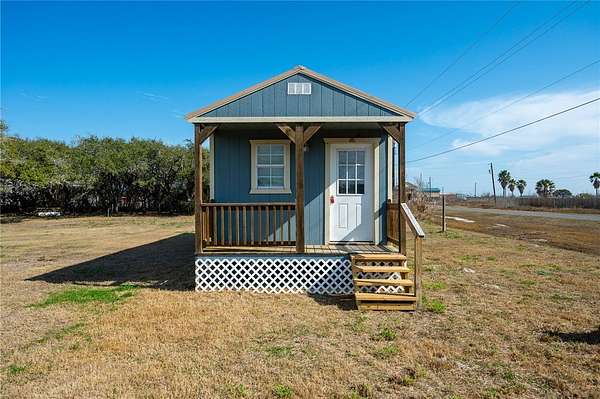

Why Texas is a strong choice:
Many counties in Texas do allow tiny homes, including homes on wheels or skid‑mounted structures. For example, Texas adopted the 2018 IRC “Appendix Q” standard for tiny homes, making regulation more consistent. Zook Cabins
Land in many rural parts of Texas is still comparatively affordable. Listings show examples of tiny‑home‑with‑land packages and land ready for tiny homes. Land.com
The state has been ranked by studies as the top state for tiny‑house living. For example, a 2025 study by HomeGnome placed Texas #1 for tiny‑house living, based on community infrastructure, builder support, and acceptance. homegnome.com
Wide variety of climates and landscapes, from Hill Country to East Texas pine woods, giving you lifestyle flexibility.
Challenges to watch:
Zoning and land‑use rules vary widely by county. Just because a state is friendly doesn’t mean every parcel is. Check local zoning, road access, septic/water requirements. Bryan Fagan Law Office
Some areas may still have minimum size restrictions for homes on foundations (though tiny‑house laws are loosening).
Texas is large: distance to services, utilities, and infrastructure cost may be higher in remote parcels.
Tip: Focus on unincorporated land (outside city limits) for more flexibility. Ensure you can get a proper septic permit if needed (since tiny houses often still need full plumbing). Ask about whether the tiny house will be treated as a conventional dwelling or an RV/park model.
2. North Carolina
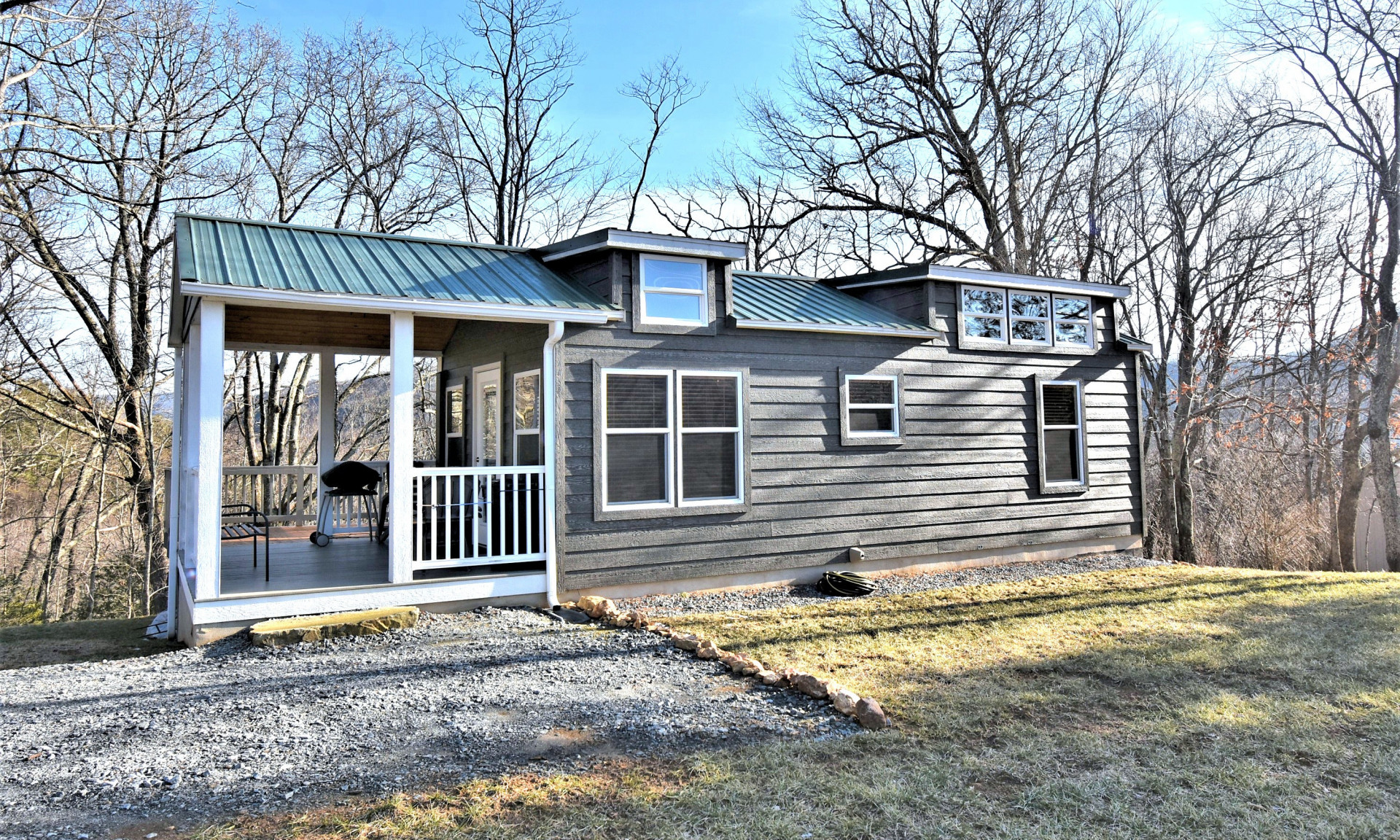

It offers a mix of landscapes—from mountains (Blue Ridge) to coastal plain—so you can choose scenery you like.
North Carolina’s residential building code explicitly covers tiny homes in many counties; many allow tiny‑house construction so long as you meet minimum dwelling code requirements (e.g., habitable rooms of certain sizes) and local zoning permits it. Zook Cabins
Some tiny‑home communities already exist in the state, indicating local acceptance. American Home Shield
Generally more affordable land (compared to coastal or big‑city‑metro regions) and decent access to utilities in many rural areas.
Challenges:
While the state has good base laws, again the local county or municipality may treat tiny homes on wheels as RVs (which are often temporary use only) rather than permanent dwellings. For example, in some areas in North Carolina, tiny houses on wheels are not permitted for permanent residence. nanostead.com
Climate considerations: in the mountains you’ll have cold winters, at the coast humidity and storm risk—plan for insulation, flood zones, etc.
For more remote parcels, access and utilities may be a bottleneck.
Tip: If you pick North Carolina, pick a county that explicitly treats a tiny house as a permanent dwelling (not just RV) and check for utilities and septic. Also check the lot size and whether HOA or community rules apply.
3. Georgia
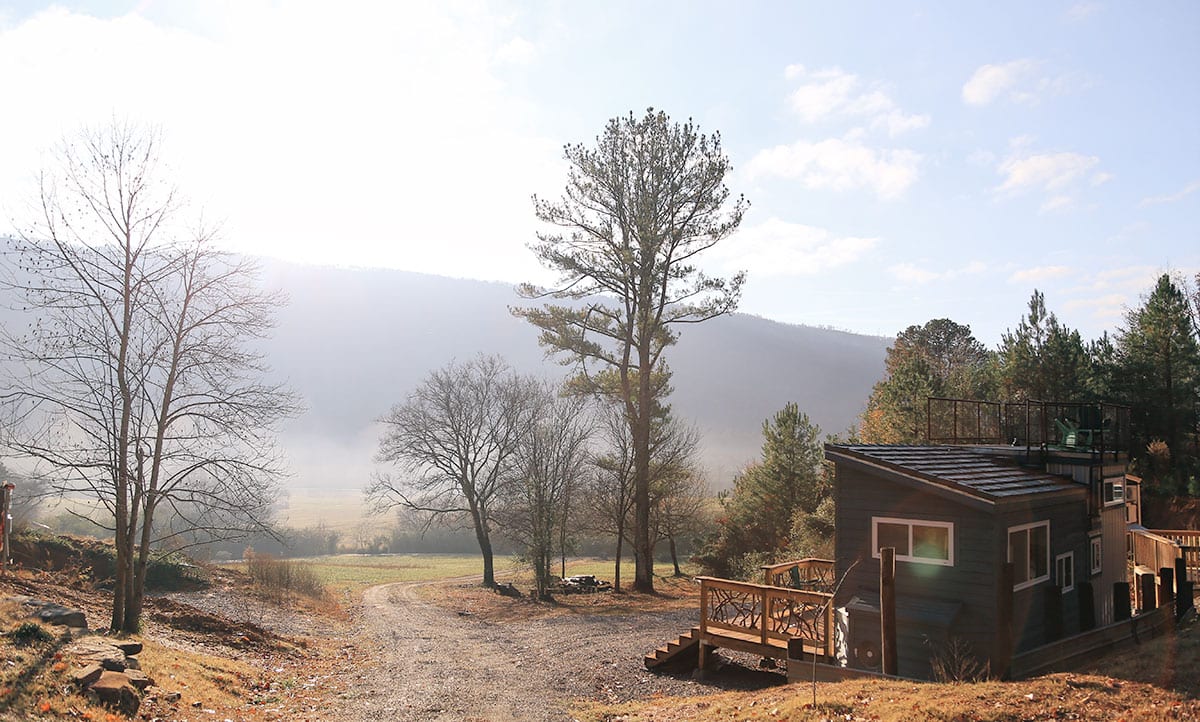
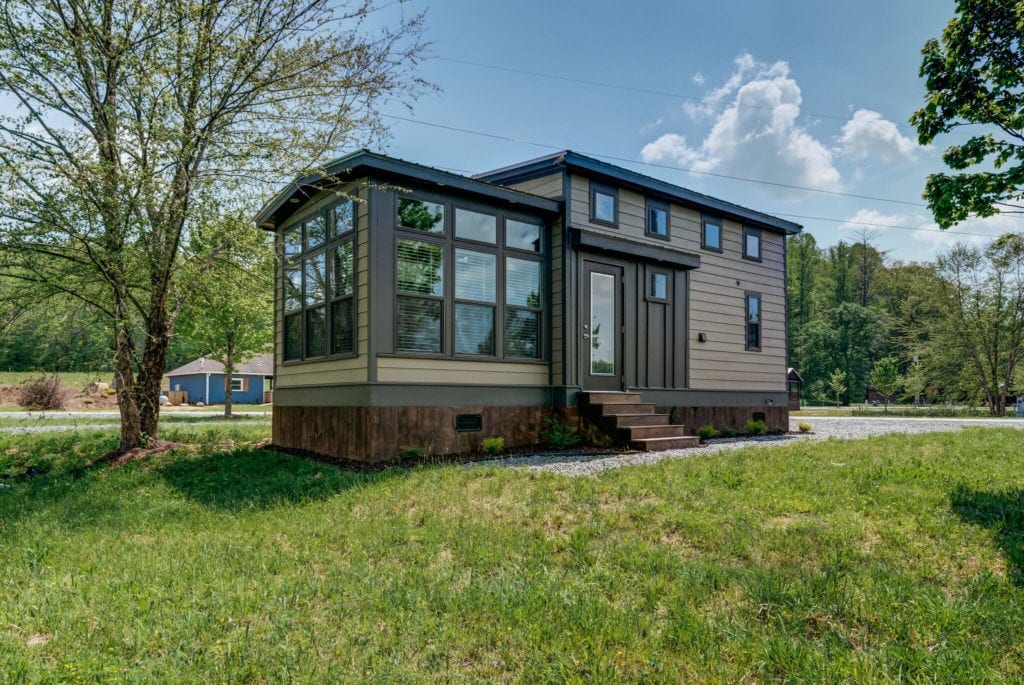
Why Georgia is appealing:
According to one ranking (by IPX 1031) of best places for tiny homes, Georgia came in first place — due to mild climate, fairly affordable tiny house cost, and less restrictive regulation (in selected counties). IPX1031
The northern part of Georgia (Blue Ridge Mountains) gives lovely scenery, and the cost of living in many rural counties is below the U.S. average, which can help your budget go further.
Challenges:
As always, zoning and local regulation vary county to county. Rural may be friendly but some towns may have tighter rules.
The humid climate means planning for moisture control, and if you go very rural you’ll need to check infrastructure (septic, well water, etc.).
While land cost is relatively low, near the Atlanta‑metro or popular scenic areas, prices may rise.
Tip: Look for small parcels (2–5 acres) in rural counties near recreational amenities (hiking, lakes) for added lifestyle value. Make sure local zoning allows “single family dwelling” on smaller lots and doesn’t require a large minimum house size.
4. Colorado


Colorado scores high in tiny‑house lifestyle studies: for example, in the HomeGnome ranking the state came second for tiny house living due in part to number of tiny‑house communities, builder/manufacturer presence, and options for off‑grid living. homegnome.com
Great variety of landscape: mountain vistas, open plains, rural ranch land—if you’re after scenery, Colorado delivers.
If you’re going off‑grid or want a remote homestead with a tiny house, Colorado has large tracts of land where you might get more acreage for your budget than near major metro areas.
Challenges:
Land cost in many scenic or mountain areas is significantly higher than in the Midwest or rural South.
Permitting and regulations may be stricter in some mountain counties or near municipal zones (due to fire risk, grading, road access).
Off‑grid infrastructure costs (solar, well drilling, septic) can be high in remote mountainous land.
Tip: If you choose Colorado, narrow your search to less‑developed counties (away from ski resorts) and factor in access and infrastructure cost. A tiny house might still cost more overall due to land and build‑out costs, but the lifestyle (nature, views) may justify it.
5. Kentucky

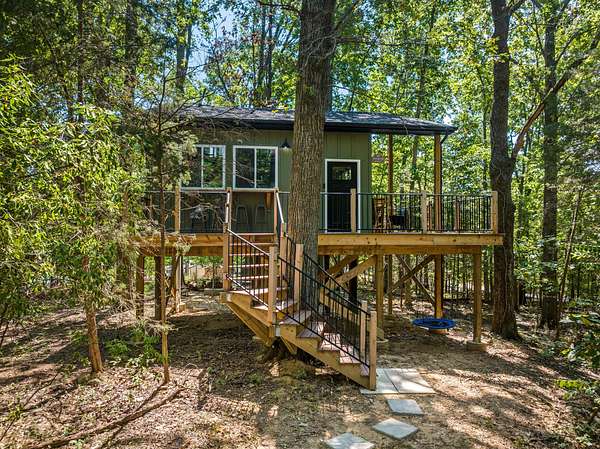
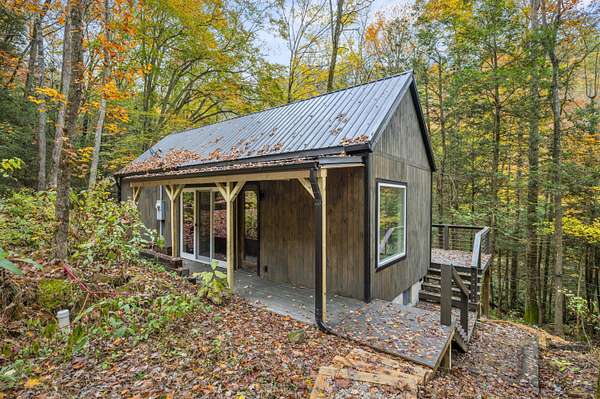
Why Kentucky is worth considering:
Kentucky was mentioned in one tiny‑house popularity list as a state with acceptable regulation and lower cost, which makes it more accessible. Nestron | New generation of Tiny House
Generally, rural land in the Midwest/Southeast tends to cost less, so your tiny‑house budget can stretch further.
Mild to moderate climate (compared with extreme cold or high mountains) in many parts of the state, making the tiny‑house transition easier.
Challenges:
Infrastructure may be more basic in some very rural counties; you’ll still want to check road access, utilities and local building codes.
As with all states, you’ll need to check whether your tiny house falls under the local dwelling‑unit definitions and whether there are minimum size/footprint requirements.
If you hope for strong resale or rental demand, location matters — very remote may lower value.
Tip: Consider counties near larger towns for convenience (internet, healthcare) but still with small‑town/rural land cost advantages. Verify that your tiny house is considered a permanent dwelling under local zoning (not just a recreational unit).
How to choose the single best state for you
With these options in mind, here’s a short decision framework to help you pick the state that best aligns with your goals.
Define your lifestyle goal
- Off‑grid, highly rural, rugged nature? (Consider Colorado or parts of Texas)
- Semi‑rural with moderate climate and decent access to amenities? (Consider North Carolina, Georgia, Kentucky)
- Want a large pool of tiny‑house communities, builders and easier infrastructure? (Texas)
Calculate your budget
Land cost + infrastructure (utilities, septic, road access) + tiny house build/purchase cost + ongoing costs (taxes, maintenance). Make sure you have buffer. Some “cheap land” can come with hidden high infrastructure cost.Check zoning/building codes in counties you like
Don’t trust “state‑level friendliness” alone — zoning and rules vary by county, municipality. Pick a few counties, call the planning/zoning offices, ask:
- What is the minimum size for a dwelling?
- Is a house on wheels treated as a dwelling or RV?
- Are there minimum lot size/width requirements?
- What about septic/water/road access?
For example, in North Carolina one county required that a tiny house meet the Residential Code and be on a permanent foundation if used as a dwelling. Yadkin County
- Infrastructure & site access
Is the land accessible year‑round (road maintenance, snow, flooding)? Are utilities (electricity, internet) available or will you have to invest heavily? Are you comfortable going off‑grid and paying for well/septic/solar if necessary? - Resale & future flexibility
Even if you plan to stay long‑term, choosing land that has broader appeal (scenic, close to town, legal dwelling status) will help if you decide to sell or repurpose. - Visit the land and talk to locals
Stay on the parcel for a weekend, check the surroundings, ask neighbors about utilities, road maintenance, local permit desks. Nothing beats boots on the ground.
Example workflow: how I’d pick
Here’s how I (if I were doing this) would proceed step‑by‑step:
Pick two states from the list above that appeal most (say Texas and North Carolina).
Within those, pick 3–5 counties each where land is affordable (Google “land for sale tiny house ready Texas county X”).
Contact the county planning/zoning office: ask whether tiny houses on foundations are permitted as single‑family dwellings; ask about minimum lot size; ask about utilities/septic/road access rules.
Visit land in person: check condition, neighbours, access, utilities.
Compare total cost: purchase price of land + necessary development (utilities/septic/drive) + tiny house cost + ongoing taxes/fees.
Factor in lifestyle: do I want mountain views (Colorado) or mild climate (Georgia/North Carolina) or big sky rural (Texas)?
Make the purchase and proceed with building/installation.
Why many people still pick the South or Midwest
You’ll note a pattern: many of the states listed (Texas, Georgia, Kentucky, North Carolina) are in the South or Southeast. That’s because:
Land tends to cost less than coastal or mountain‑resort states.
Zoning and regulation (in many counties) tends to be more flexible in rural areas in those states.
Climate tends to be more moderate (for many parts) which reduces building insulation and heating/cooling costs.
If you’re on a tiny‑house budget, stretching to land + house + infrastructure is easier in a lower‑cost region.
This isn’t to say states in the mountain West or far North aren’t good—but the budget and infrastructure hurdles tend to be higher.
Final thoughts
Buying land for a tiny house is a fantastic opportunity: you get to tailor your lifestyle, create a minimalist dwelling that suits you, and potentially reduce costs compared to a traditional home. But location matters immensely.
The states listed above (Texas, North Carolina, Georgia, Colorado, Kentucky) give different flavours of opportunity—from ultra‑rural off‑grid to more moderate semi‑rural living. Ultimately, the best state for you will depend on your budget, lifestyle preferences, building plans (on wheels vs on foundation), how off‑grid you want to be, and how much infrastructure you’re willing to take on.
If I were to pick one “top pick” for most people looking for a balance of cost, regulation friendliness, and lifestyle flexibility, I’d lean toward Texas (especially rural counties) and North Carolina as strong runners‑up. But do your own homework on local zoning, land condition and site infrastructure.