Best Tiny House Loans in the USA | 2025 Guide
The tiny‑house movement has grown from a novelty into a legitimate housing choice for many Americans seeking affordability, simplicity and flexibility. But when it comes to financing your tiny home, the traditional “30‑year mortgage” route often doesn’t apply. In this guide we’ll explore how to finance a tiny house in the U.S. in 2025 — what loan types you can use, the best lenders to consider, eligibility criteria, key considerations, and how to pick the right financing for your tiny house lifestyle.
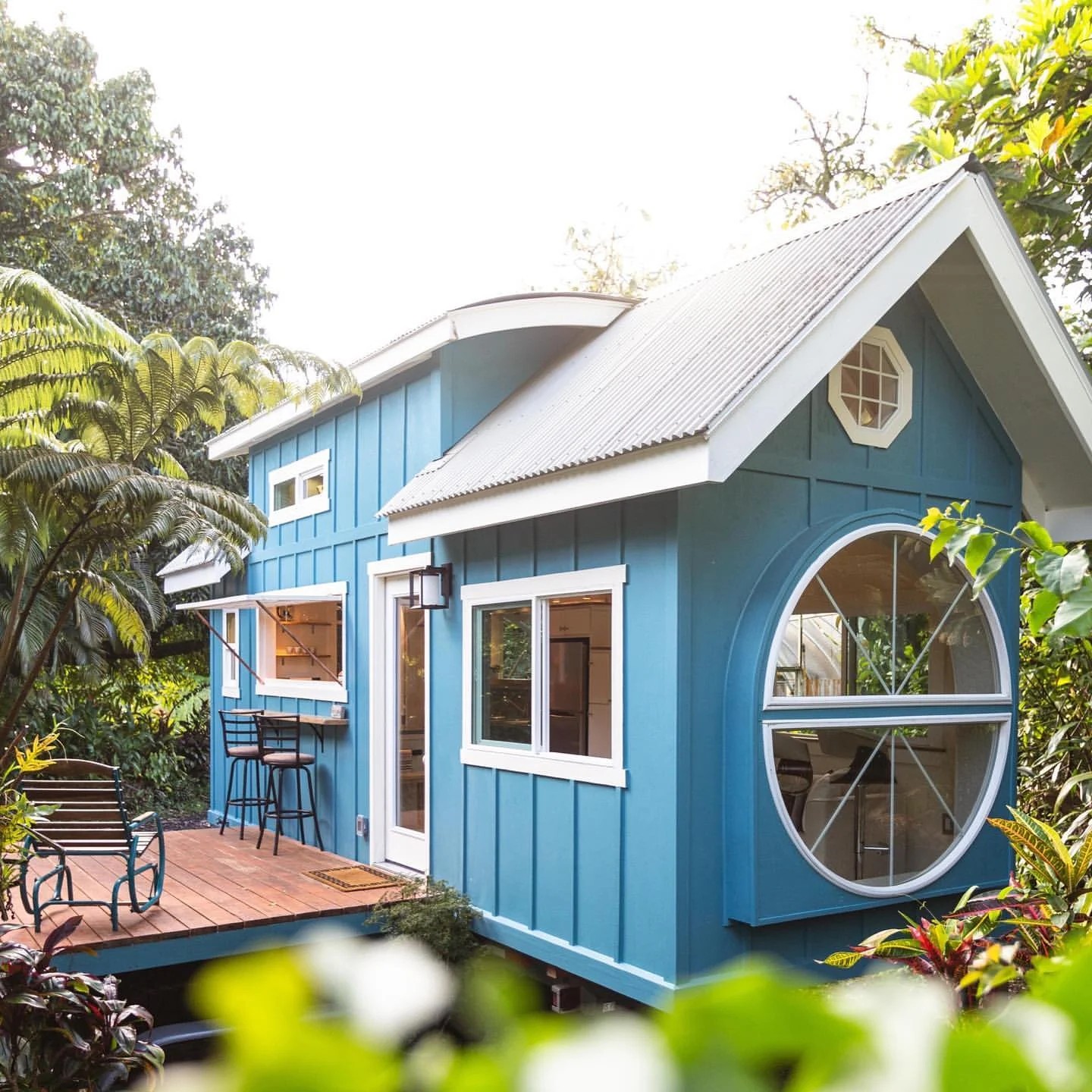
What counts as a “tiny house”?
Generally, a tiny house is a dwelling with under ~400 square feet of usable space, sometimes built on a permanent foundation, sometimes on wheels or a trailer. Because many tiny‐homes fall outside the bounds of standard residential real‑estate financing (due to size, mobility, foundation, or classification), you’ll want to understand how lenders view them. According to one overview:
Tiny homes often don’t meet standard mortgage criteria (minimum square footage, permanent foundation, property classification). LendingTree+2NerdWallet+2
Many tiny homes are financed as personal loans, RV/chattel loans or via builder/contractor financing. Rocket Mortgage+1
So before you apply for financing, be clear: Is your tiny house on land (foundation) or on wheels/trailer? Is it classified as real estate or personal property? That classification will significantly impact your loan options and interest rates.
What loan types are available for tiny houses?
Here are the main categories of financing you should be aware of:
1. Personal Loans
These are unsecured (or minimally secured) loans from banks, credit unions or online lenders. Because the tiny house may not qualify as real estate, these flexible loans are often used.
Typical APRs run from ~6 % to 36 %, depending on credit. NerdWallet+1
Terms are shorter — often 2‑7 years. LendingTree
Pros: flexible, relatively easy to obtain.
Cons: higher interest, shorter term, maybe higher monthly payment.
2. RV / Chattel Loans
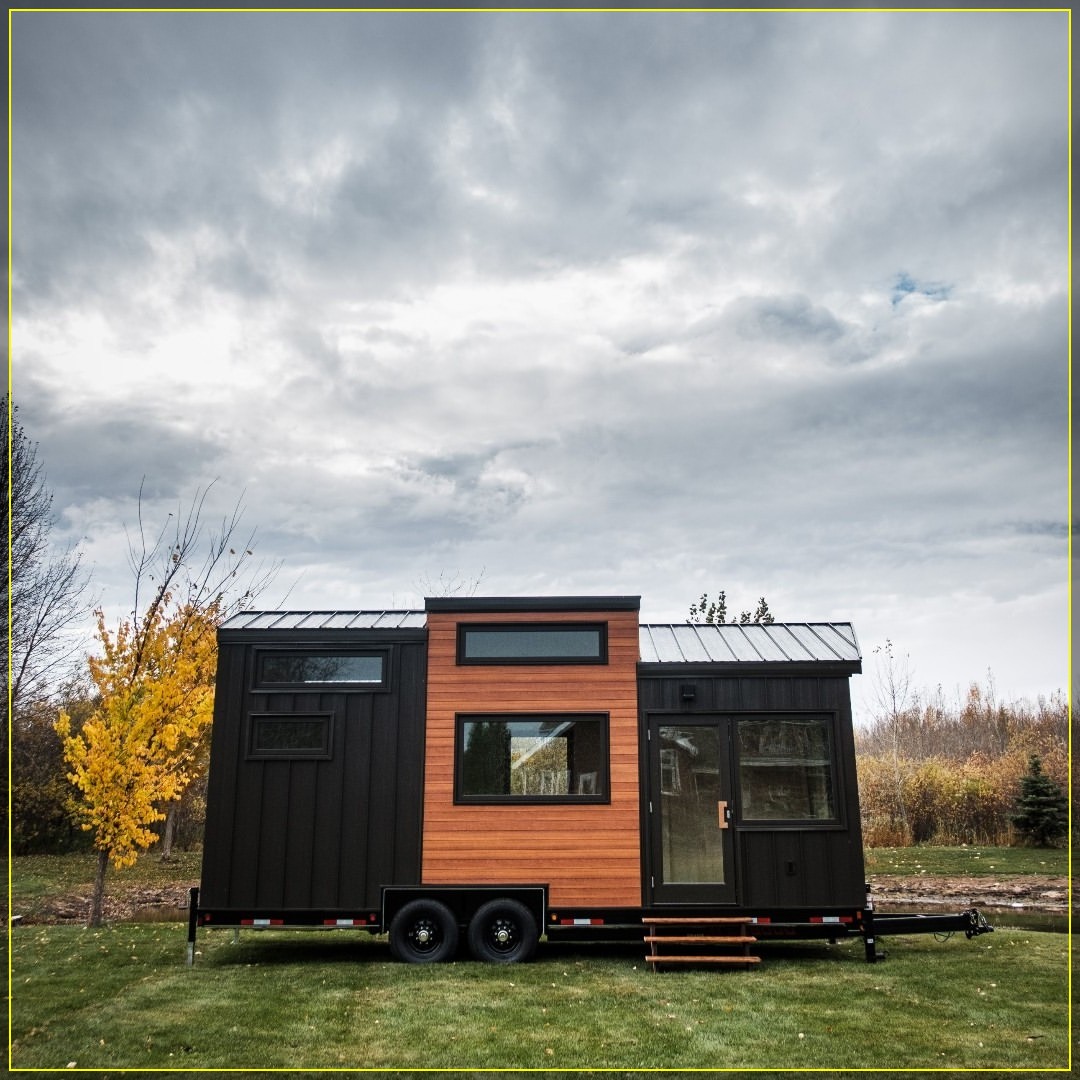
If your tiny house is on wheels or classified like an RV (or mobile home trailer), this financing route may apply.
As noted by one source, “a chattel mortgage” is a loan secured by movable property rather than real‐estate. Investopedia
Example: A builder site states tiny homes on wheels often qualify as chattel loans with terms of 7‑25 years. Liberty Tiny Homes
Pros: may allow longer terms than personal loans, tailored to mobile tiny homes.
- Cons: still higher interest than traditional mortgages, possibly less consumer protection, classification and placement issues.
3. Home‑Equity Loans / HELOCs
If you already own a home with equity, you might tap into that equity to finance your tiny house (especially if you’re placing the tiny house on your own land as an accessory dwelling unit).
According to NerdWallet: “Home‑equity loans and lines of credit … allow lower rates and longer terms … but you’re using your current home as collateral.” NerdWallet
Pros: often lower interest than personal or chattel loans, longer terms.
Cons: risk to your main residence if you default; you need sufficient home equity.
4. Traditional Mortgage (Limited)
In rare cases a tiny home may qualify for a mortgage — but this is difficult because standard mortgages require the property to meet certain minimums (loan size, square footage, foundation requirements).
For example: According to one summary, unless the tiny home is on a foundation, cost above a certain threshold, and meets other criteria, traditional mortgage lenders may not finance it. LendingTree
If you can get this, it often provides the most favorable terms (longer amortization, lower interest) but it’s hard to qualify.
5. Builder / Contractor Financing (In‑House Financing)
Some tiny‑house builders partner with lenders to offer financing directly.
One builder states: “Because tiny homes are classified as RVs, they qualify for chattel loans … we partner with trusted lenders who specialize in Tiny Homes.” Liberty Tiny Homes
Pros: simplified process, may align with your build timeline.
Cons: terms may be less favorable than consumer lending, need to ensure you’re comfortable with builder’s financing.
Top Lenders & Loan Programs in 2025
Here are some of the best‑in‑class options you should evaluate:
LightStream (by Truist Financial Corporation): Offers unsecured loans for “Tiny Home & Park Model Financing” from $5,000 to $100,000 with fixed rates, no fees or prepayment penalties. lightstream.com
Rocket Mortgage: They note that they currently do not offer traditional mortgages for most tiny homes but provide an overview of other financing options (personal loan, RV loan, builder financing). Rocket Mortgage
Specialty Tiny‑Home Builder Financing: Many tiny‑house manufacturers (for example, as cited by one company) partner with lenders for chattel or RV‑style loans. Liberty Tiny Homes
How to Pick the Right Loan: What to Compare
When evaluating financing, ask yourself and the lender:
- Loan Term: How many years? Shorter term means higher monthly payment but less overall interest. Longer term = lower payment but more interest. LendingTree
- Interest Rate / APR: What’s the rate and how is it calculated? Personal and chattel loans often carry higher rates due to higher risk.
- Classification of the House: Is it on wheels (treated like an RV) or on a foundation (treated like real estate)? This matters for loan eligibility.
- Collateral & Risk: If the loan is secured by the tiny house (or by your main home), what happens if you default? Chattel loans are riskier in some respects. Investopedia
- Down Payment Requirements: Some builder loans require large down payments (20% or more) when the tiny home is built to order. NerdWallet
- Land & Zoning Costs: Don’t forget that financing the tiny home itself is only part of the cost. You’ll likely need land, utilities, possibly a trailer or foundation work — which may not be covered by the loan. Rocket Mortgage
- Prepayment & Fees: Are there prepayment penalties? Origination fees? With some loans you might pay for the privilege of borrowing.
- Credit Score & Income Requirements: Lenders will check your credit, income and debt‑to‑income ratio. If you have excellent credit, you’ll secure better terms. lightstream.com+1
Eligibility & Preparation Checklist
Make sure you are ready with the following:
- Credit score: Try to get the maximum score possible (720+ is the best) so you can enjoy the lowest rates.
- Income / Employment verification: Many lenders require recent tax returns or pay stubs. Liberty Tiny Homes+1
- Define the house type: Are you going to buy a tiny prefab house on a trailer, or are you going to build it on a foundation?
- Land & zoning: If you own the land, check the zoning regulations, utility connections, construction codes, and foundation requirements.
- Cost breakdown: Include land acquisition or lease, delivery, utility hookup, foundation/trailer, permitting. Many buyers underestimate these. NerdWallet
- Down payment / cash reserves: Some financing will require a down payment or require that you cover non‑financed costs (land, setup).
- Loan shopping: Get pre‑qualified from multiple lenders to compare rates and terms.
- Exit strategy / future value: Though tiny homes cost less, resale value and classification (RV vs real‐estate) may affect your long term.
Pros & Cons of Tiny House Financing
Pros:
Lower cost barrier to homeownership — tiny homes cost much less than average homes, so loan amounts can be smaller. Rocket Mortgage+1
Flexible living, potential for mobility, smaller maintenance and utility costs.
Can align with minimal lifestyle, sustainability goals, or rental/investment opportunities (tiny homes as ADUs or rental units).
Cons:
Financing is often less favourable than for traditional homes (higher rates, shorter terms).
Many tiny homes may not qualify for mortgages; classification as personal property can raise risk and cost. LendingTree
Hidden costs: land purchase or lease, utility hookups, transportation, foundation, zoning compliance — these can add up. Rocket Mortgage
Resale value may be uncertain; some lenders perceive higher risk.
If your tiny home is mobile/trailer‑based, insurance, registration, zoning may complicate things.
2025 Trends & What to Watch
More lenders are beginning to recognise tiny homes and offer specialised financing paths, but the market is still evolving.
Legislation and policy may shift: For example, bills are being introduced to facilitate financing of tiny homes or accessory dwelling units (ADUs) through government‑backed programs. wsj.com
Be cautious of “too good to be true” financing: high interest, hidden fees, limited control. Always read the fine print.
Consider the full cost of living tiny: The financing may be small but the land/utility/parking cost may dominate.
For investment/rental tiny homes, consider financing structures and how loan payments factor into rental income and ROI.
Recommendation: Best Loan Path for Your Scenario
Here’s how to choose depending on your tiny home goals:
If you’re buying a prefab tiny home on a trailer: An RV/chattel loan or builder‑provided loan may be your best bet.
If you’re placing a tiny home on a lot or building on a foundation: Look for a home‑equity loan, HELOC, or if you qualify, a small‑mortgage loan.
If your tiny home cost is modest and you have good credit and income: A personal loan may be easiest and fastest.
If you plan to use the tiny home as an accessory dwelling unit (ADU) on your existing property: Explore home‑equity or HELOC options, ensure your zoning/legal framework is ready, and check for future government‑supported programs.
If you plan to rent the tiny home as investment property: Factor in rental income, property classification, additional cost layers (land lease, utilities, management), and make sure the loan payment fits your cash‑flow model.
Final Thoughts
Financing a tiny house in the U.S. in 2025 is absolutely possible, but it takes more diligence than a traditional home purchase. Because tiny homes often fall outside standard residential mortgage criteria, you’ll need to explore personal loans, chattel/RV loans, home‑equity lines, builder financing or specialised lenders. The best loans balance an affordable interest rate, suitable term length and lender classification that fits your tiny house type (mobile versus fixed).