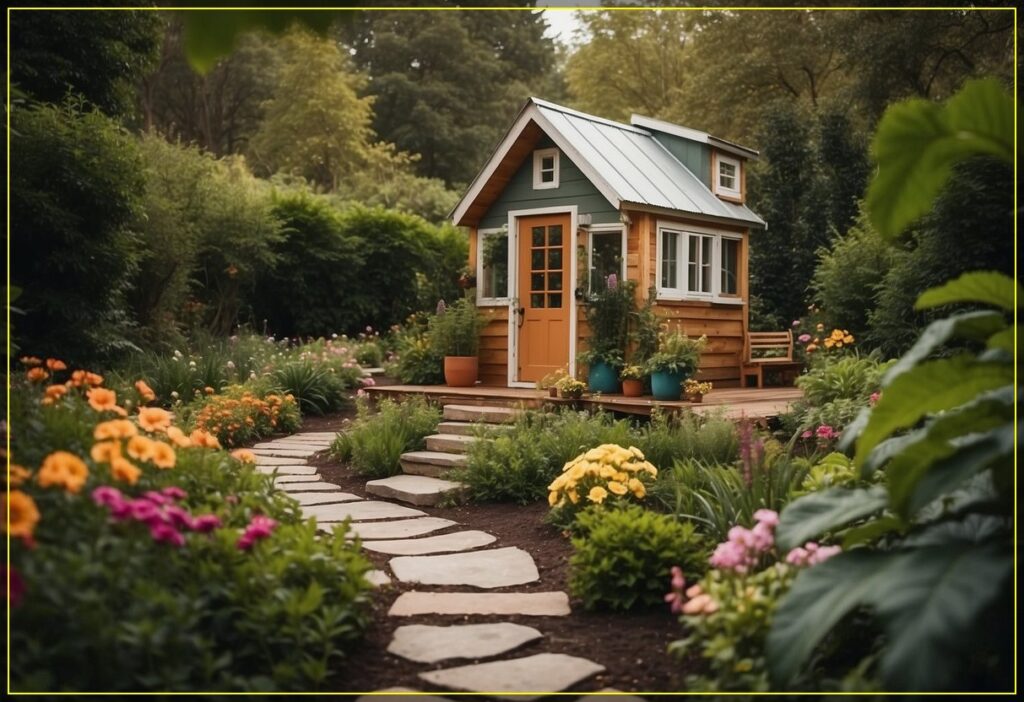
How to Finance a Tiny Home Without a Mortgage
It’s nice to envision yourself in a tiny house with just the essentials around—much less mess, fewer bills, and greater freedom. However, one thing is stopping you: you are not ready for a mortgage. It is quite understandable. Being beholden to a thirty-year loan is not the most appealing scenario especially when your aim is to live simply and lose all debts.
But there is good news! It is definitely possible to acquire a tiny house without a mortgage, and the options are more than you could ever think of. No matter if you are going off-grid, living on wheels, or simply moving into a warm and inviting place, this tutorial will assist you in obtaining your ideal home without having to go through a conventional banking loan.
Let’s break it down.
Why Skip the Mortgage?
Before we get into the how, let’s talk about the why. There are a few solid reasons people skip mortgages when it comes to tiny homes:
Tiny homes usually don’t qualify. Many banks won’t touch them because they’re too small, not on permanent foundations, or don’t meet certain codes.
Interest adds up fast. Even a small loan can cost you way more over time once interest is factored in.
Debt-free = peace of mind. Owning your home outright gives you a lot more freedom and less stress.
You own it sooner. No mortgage means no years of payments — once it’s paid for, it’s yours.
So if you’re trying to keep life simple and affordable, avoiding a mortgage is a smart move.
1. Save Up and Pay Cash
Let’s start with the simplest route: paying cash. It might take some time, but if you’re able to save up and pay for your tiny home outright, you’re in the best possible position. Nothing to owe, nothing to worry about, just full ownership.
Want to save faster? Try this:
Set a clear goal. Know exactly how much you need and by when.
Open a separate savings account just for your tiny home fund.
Cut out stuff you don’t really need and funnel that money into savings.
Put unexpected money (like tax refunds or bonuses) straight into the fund.
Tiny homes can cost anywhere from $30,000 to $80,000, depending on size and finishes. If you’re going the DIY route, it can be even cheaper.
2. Personal Loans
If paying all cash isn’t doable, a personal loan might be your next best bet. You don’t need to put up any property as collateral, and the process is usually faster and easier than getting a mortgage.
What to know:
Most personal loans range from $5,000 to $100,000.
You’ll get a fixed rate and fixed monthly payment.
Your credit score plays a big role in the rate you get.
Look into online lenders like SoFi, LendingClub, or Upstart. Banks and credit unions offer them too, but online platforms tend to be quicker.
Just make sure you’re comfortable with the monthly payments before signing anything.

3. RV Loans (If Your Home’s on Wheels)
If your tiny home is on wheels (often called a THOW — Tiny House on Wheels), you might be able to get an RV loan. These loans are designed for travel trailers and motorhomes, and many lenders are starting to include tiny homes in that category.
Requirements:
Your home might need to be RVIA-certified.
It must be mobile and legally registered as an RV.
Some banks want proof that it’s built by a certified builder.
Why it’s a good option:
Longer loan terms (sometimes up to 15–20 years).
Lower interest rates than some personal loans.
Designed for mobile living.
Lenders like LightStream, Good Sam, and Essex Credit work with RV buyers — and sometimes tiny home buyers too.
4. Peer-to-Peer Lending
If banks aren’t working for you, check out peer-to-peer (P2P) lending. This is where you borrow money from individual investors rather than from a big institution.
Here’s how it works:
You apply on a site like Prosper or LendingClub.
Your application is posted for investors to see.
If they like your profile, they fund the loan.
P2P loans can come with decent rates and less red tape than banks. And you still get the benefit of fixed payments.
5. Crowdfunding
Have a cool story or a big reason why you’re building a tiny home? You might be able to get support through crowdfunding.
Try platforms like:
GoFundMe – Great for personal stories.
Kickstarter – Works better if your tiny home project offers something in return (like a blog or YouTube series).
Indiegogo – Another solid option.
People want to support things they believe in. If you’re building for sustainability, off-grid living, or a family goal, don’t be shy about sharing your journey.
Even if you don’t raise the full amount, every bit helps — and you don’t have to pay it back.
6. Builder Financing or Rent-to-Own Options
Some tiny home builders offer their own financing plans or work with lenders who get the tiny home lifestyle.
Perks:
They know the tiny house market inside and out.
Easier approval for people who may not qualify elsewhere.
Some offer rent-to-own programs, which let you live in the home while making payments.
Ask your builder what financing options they offer, and look into companies like Liberty Bank of Utah, which works closely with tiny house companies.
7. Home Equity Line of Credit (HELOC)
Already own a home or land? You might be able to use your equity to finance your tiny home with a HELOC.
This is a flexible credit line you can use as needed, kind of like a credit card — but usually with much lower interest.
Why it works:
Only pay interest on what you use.
Use it to build your tiny home in stages.
Reuse the credit line after it’s paid off.
This is a great choice if you’re adding a tiny house as a guest space, rental unit, or extra living area.
8. Credit Cards (Use Cautiously)
This option is not the best, but credit cards can assist in financing minor parts of your construction, such as buying materials, getting tools or furniture.
Suggestions:
- If you have a 0% APR card, then there won’t be any interest charges (some for instance, give 18 months free of interest).
- Make sure to settle your balance before the end of the promotional period.
- Use rewards or cashback to cover part of the expense.
Just don’t rely too heavily on credit cards unless you’re absolutely sure you can pay them down quickly. Interest adds up fast.
9. DIY Build and Pay-as-You-Go
Got some building skills or a willingness to learn? Go the DIY route and build your tiny home in stages. Buy what you can afford now, and tackle it bit by bit.
Benefits:
Full control over the design and budget.
No loans or debt.
You can build as money comes in.
Lots of people build their homes this way over a year or two, especially if they’re working full-time or have other obligations.
If you’re patient and hands-on, this is one of the most rewarding (and affordable) options.
10. Grants and Alternative Housing Support
In some places, there are grants and programs that support alternative housing like tiny homes, especially if they’re eco-friendly or community-focused.
Check with:
Local housing departments.
Sustainability or green building groups.
Veteran or low-income support programs.
These can be a little tricky to find, but they’re out there — and they can make a big difference.
Quick Tips Before You Start
Before you pick a financing route, here are a few final things to think about:
✅ Know your total cost – Don’t forget to include land, utilities, permits, insurance, and setup.
✅ Research zoning laws – Not every place allows tiny homes. Make sure yours does before you spend a dime.
✅ Stick to your budget – Tiny homes are supposed to be affordable. Don’t overspend trying to make it “perfect.”
✅ Compare all options – Shop around and ask questions. You’ve got choices — make sure you pick the one that fits your life best.
✅ Think long-term – Whether it’s a full-time home or a getaway, plan ahead so you don’t outgrow your setup.
The Bottom Line
Financing a tiny home without a mortgage isn’t just possible — lots of people are doing it every day. Whether you save up, take out a small loan, or get a little creative with crowdfunding or builder financing, there’s a path out there for you.
This is your chance to build a home that fits your life, not the other way around. Less debt, more freedom, and a space that truly feels like yours.
Ready to start building your dream? You’ve got this.