Always Wanted a Log Cabin? Take a Look at This 16×20 Cozy Retreat
Have you ever fantasized about residing in a log cabin? You are not alone. Many people envision that warm and cozy place, where trees are the only neighbours, where the air is filled with the scent of real wood, and where the soothing feeling is right there as soon as you enter. Log cabin living is the method that helps you unwind and look at life in a less complicated way. However, it is one thing to fantasize about a log house and another to actually buy it or build it, which is a huge step. The aspect of it is exciting, no doubt, but also it can be quite overwhelming and costly if you are not careful with your timing.
This is the main reason why considering a smaller option, such as a charming 16×20 log cabin, is so wise. It provides you with a chance to live the log cabin lifestyle without having to make a major commitment. You get the atmosphere, the warmth, and the character—without the full ownership stress immediately.
Try the Log Cabin Lifestyle First
Building a log home is an amazing journey, but it’s not always smooth sailing. Costs rise faster than expected, schedules change, and there’s a learning curve that surprises many first-time buyers. Spending time in a log cabin before committing can make a huge difference. Renting one for a weekend, a few weeks, or even a longer stay gives you real insight into what daily life is actually like.
Picture waking up to solid wood walls, soft natural light coming through the windows, and fresh air waiting outside. No traffic noise. No rush. Just peace. A lot of people who try log cabin living say the same thing—it’s hard to leave once you settle in. That’s usually a sign you’re on the right path. And even if buying isn’t on your radar yet, staying in a log cabin for a vacation is an easy way to unplug and recharge.
Why Do Log Homes Cost More?
One of the first questions people ask is why log homes come with a higher price tag. It really comes down to materials, skilled work, and long-term strength. Wood is a valuable resource, and quality logs aren’t cheap. Unlike factory-made materials, logs need careful selection, shaping, and hands-on craftsmanship.
At the same time, wood is incredibly tough. Look at trees in nature—they stand through heavy snow, strong winds, and freezing temperatures year after year. That same strength shows up in well-built log homes. Many log cabins can handle extreme weather, including hurricane-level winds reaching close to 100 kilometres per hour.
Every single log plays a part in holding the structure together. This implies that every component must be a perfect match, and in addition, they should be able to withstand any weather and support the house itself. The detailed consideration involved in this process raises the overall cost, but at the same time, it gives you a home that will last for ages.
Sustainable Wood That Will Last For Generations
The present day log cabin building still lays a great emphasis on responsible wood sourcing. Logs are now obtained from tree plantations that are sustainable and closely monitored for the quality and environmental impacts. The extra care taken in harvesting and logging operations does make the wood more expensive, but also guarantees that the wood is of high strength, dependable, and good for the environment.
A log house, if taken care of correctly, will last for several generations. You are not only paying for a roof over your head, but also for an investment in something that is solid, natural, and everlasting. That’s a big reason so many people see log cabins as a lifelong dream rather than a short-term home.
A Smart Starting Point: The 16×20 Log Cabin
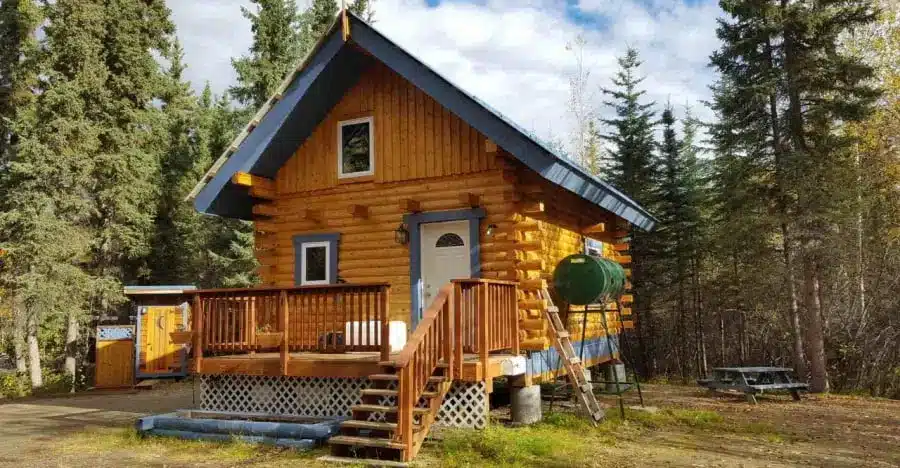
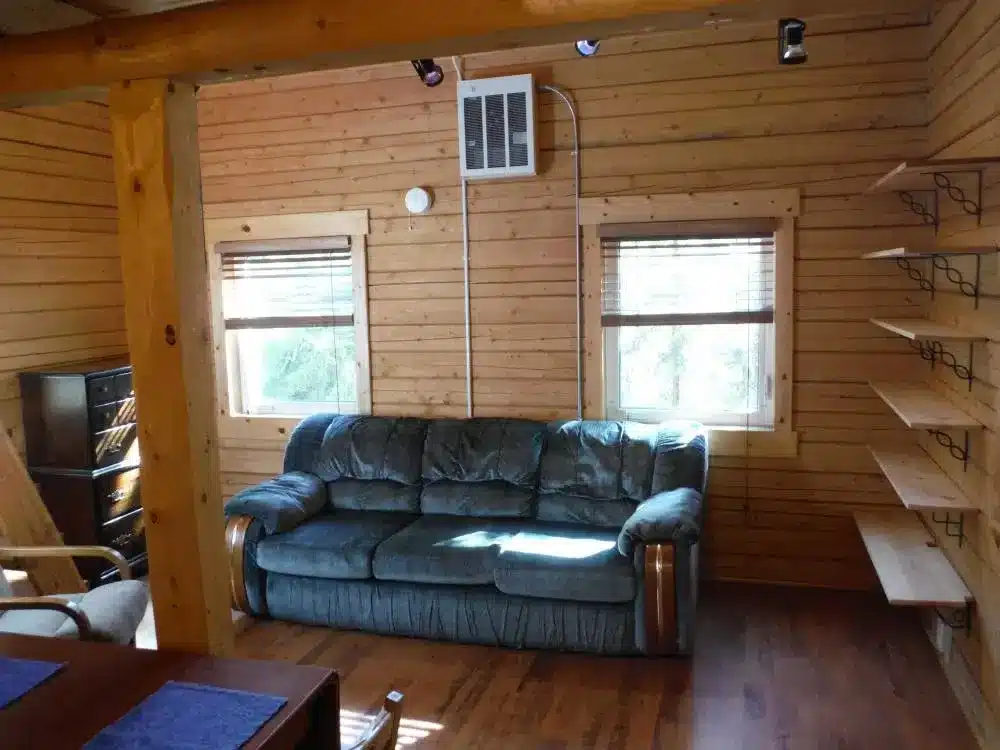
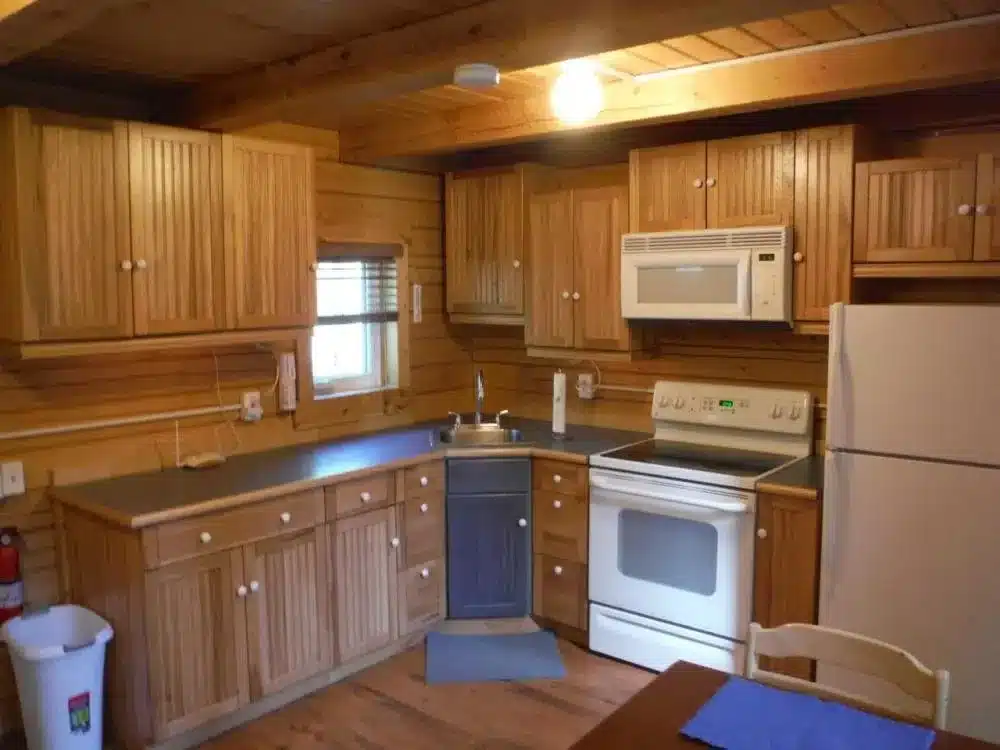
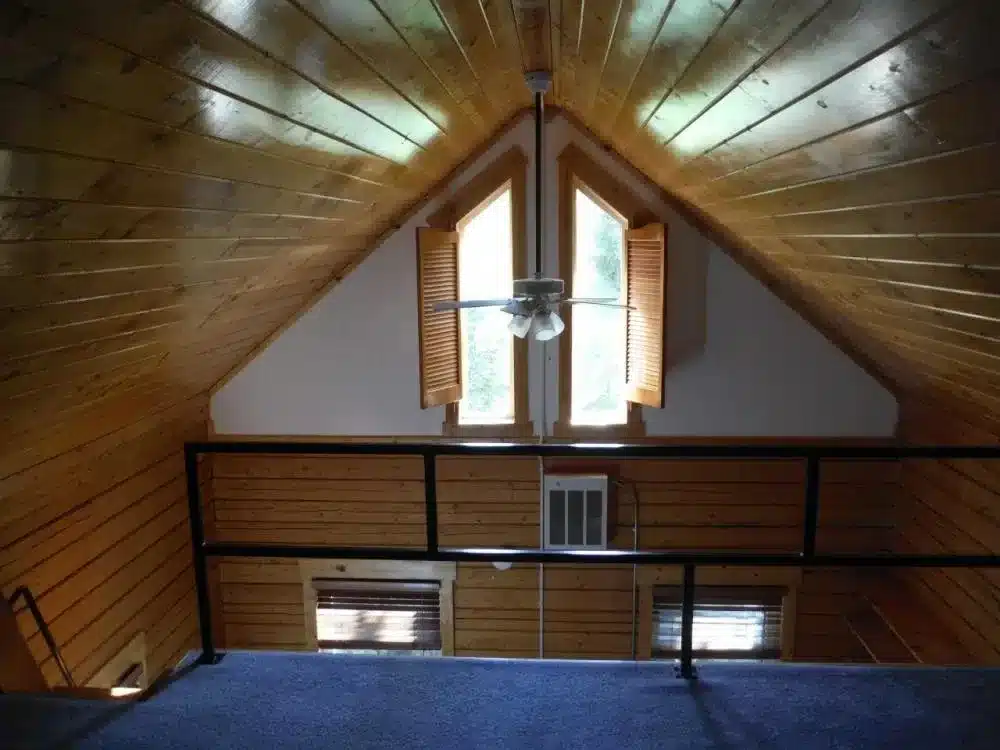
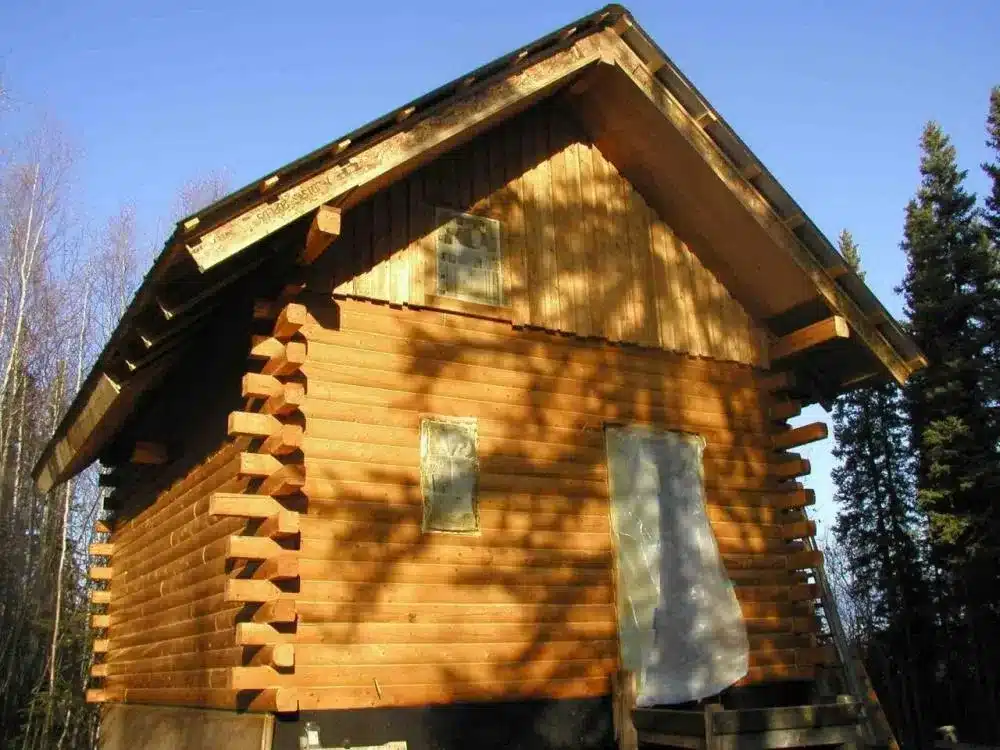
If you’re serious about log cabin living, starting small is often the smartest move. This 16×20 log cabin hits that sweet spot between comfort and simplicity. It has running water, a roomy loft, and a smart layout that makes the space feel open and welcoming.
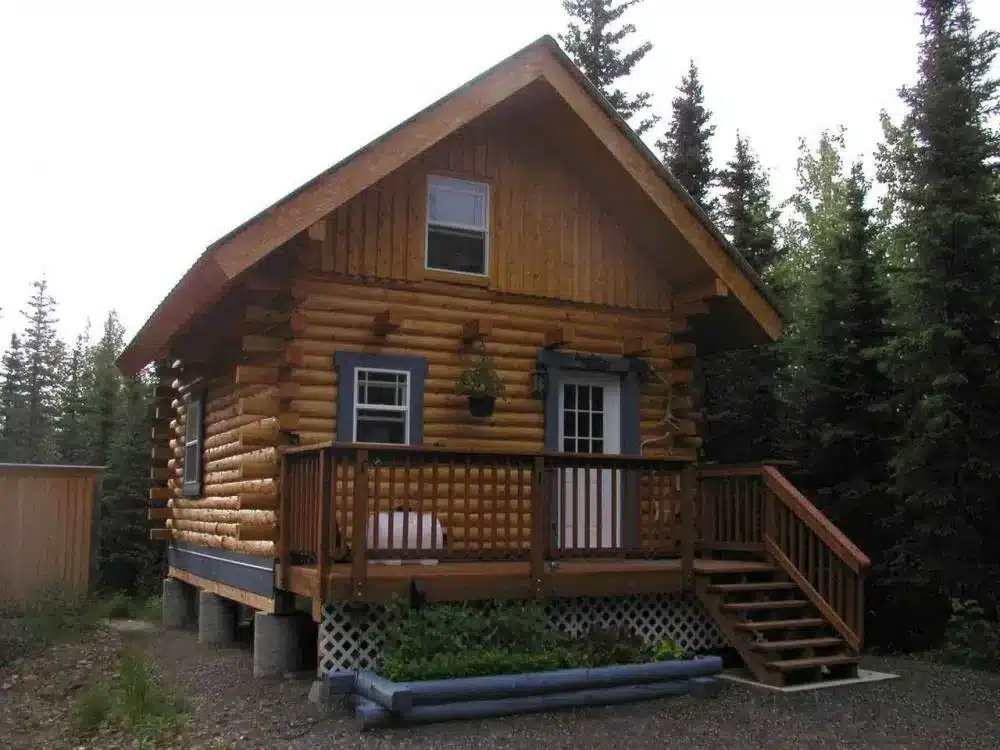
Located in Goldstream Valley near the University of Alaska Fairbanks, this cabin was built with real-life comfort in mind. All log joints have been caulked and insulated in order to maintain the indoor drafts and outdoor warmth. The floors and ceiling are insulated with high-density closed-cell spray foam, which along with the being the ceiling of the house helps keep the energy costs low and the temperatures inside steady.
Cozy All-Year-Long
Here, being warm is not a problem at all. The cabin gets its heat from an oil heater that is very efficient, and the insulation is so good that the space is comfortable even during the long cold winters in Alaska. The windows are made of triple pane, Low-E, and filled with argon gas that has the property of retaining heat inside while at the same time reducing the energy loss. The front door is insulated too, which adds another layer of protection against the elements.

All these features work together to create a log cabin that feels warm, welcoming, and easy to maintain. Compared to larger log homes, this setup is also more budget-friendly—without giving up quality or comfort. And if you ever want more space, this type of cabin can be expanded later on.
Is Log Cabin Living Right for You?
Owning a log home in a dream or just looking for a quiet getaway without the long-term commitment, this cozy log cabin offers the best of both worlds. It is a laid-back way to enjoy cooperative living in a log house, discover the things you love about it, and make a decision about the future.
Once in a log cabin it is possible that you may realize that you have already discovered your desired lifestyle.