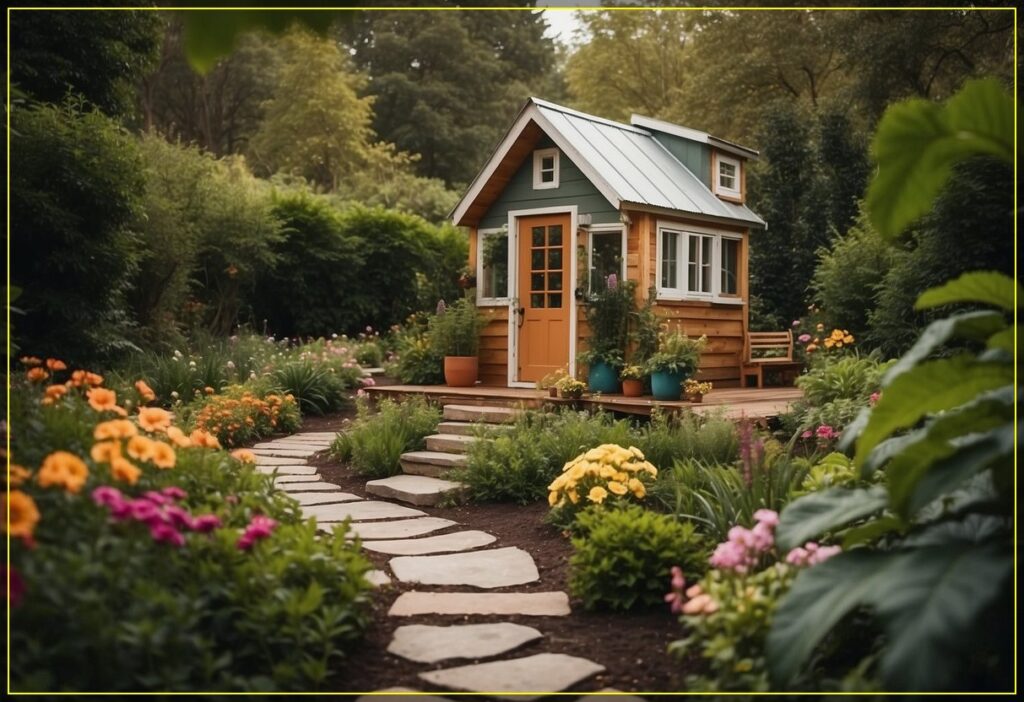
Tiny House Laws in North Carolina: 2026 Guide
Tiny house living is becoming more popular across North Carolina, from mountain towns to rural counties and coastal areas. But before buying land or ordering a tiny home, it is important to understand the tiny house laws in North Carolina.
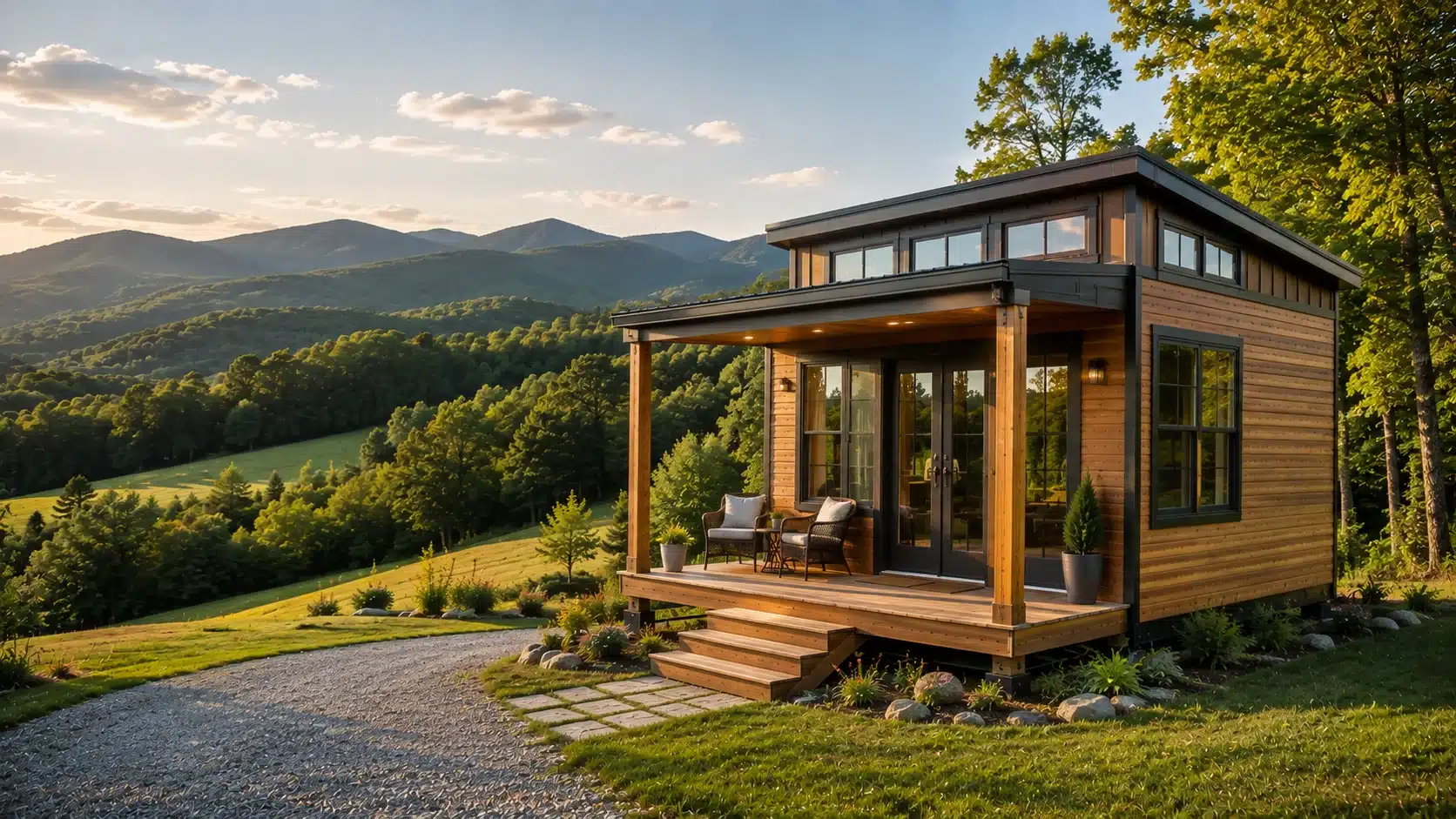
Are Tiny Houses Legal in North Carolina?
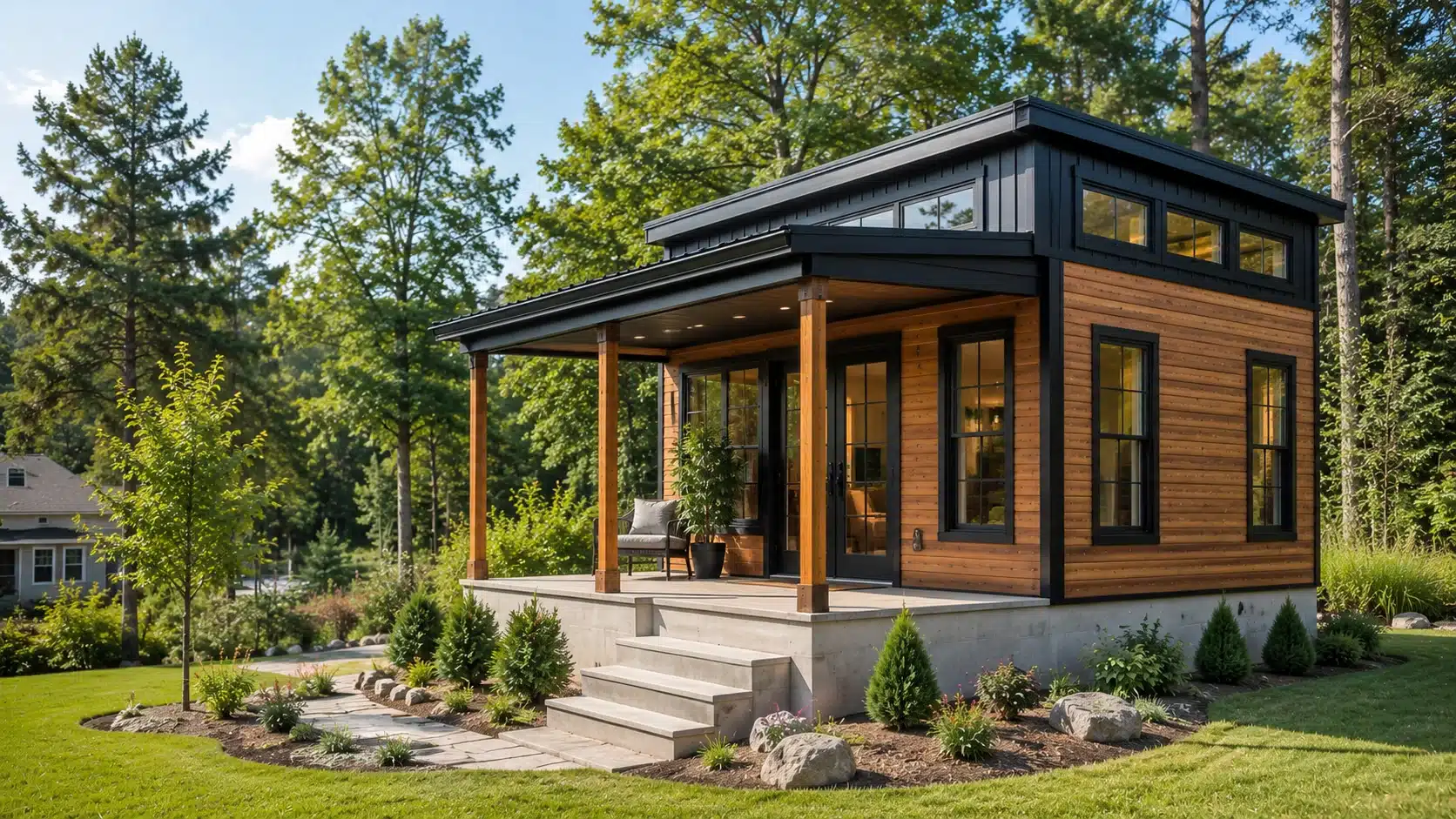
Yes, tiny houses can be legal in North Carolina, but they must comply with applicable building codes, zoning rules, and local requirements.
North Carolina’s Residential Code includes Appendix Q for tiny houses. Under the code, a tiny house is generally a detached single-family dwelling that is 400 square feet or less, excluding lofts.
However, this does not mean a tiny house can be placed on any property in the state.
Do You Need a Permit?
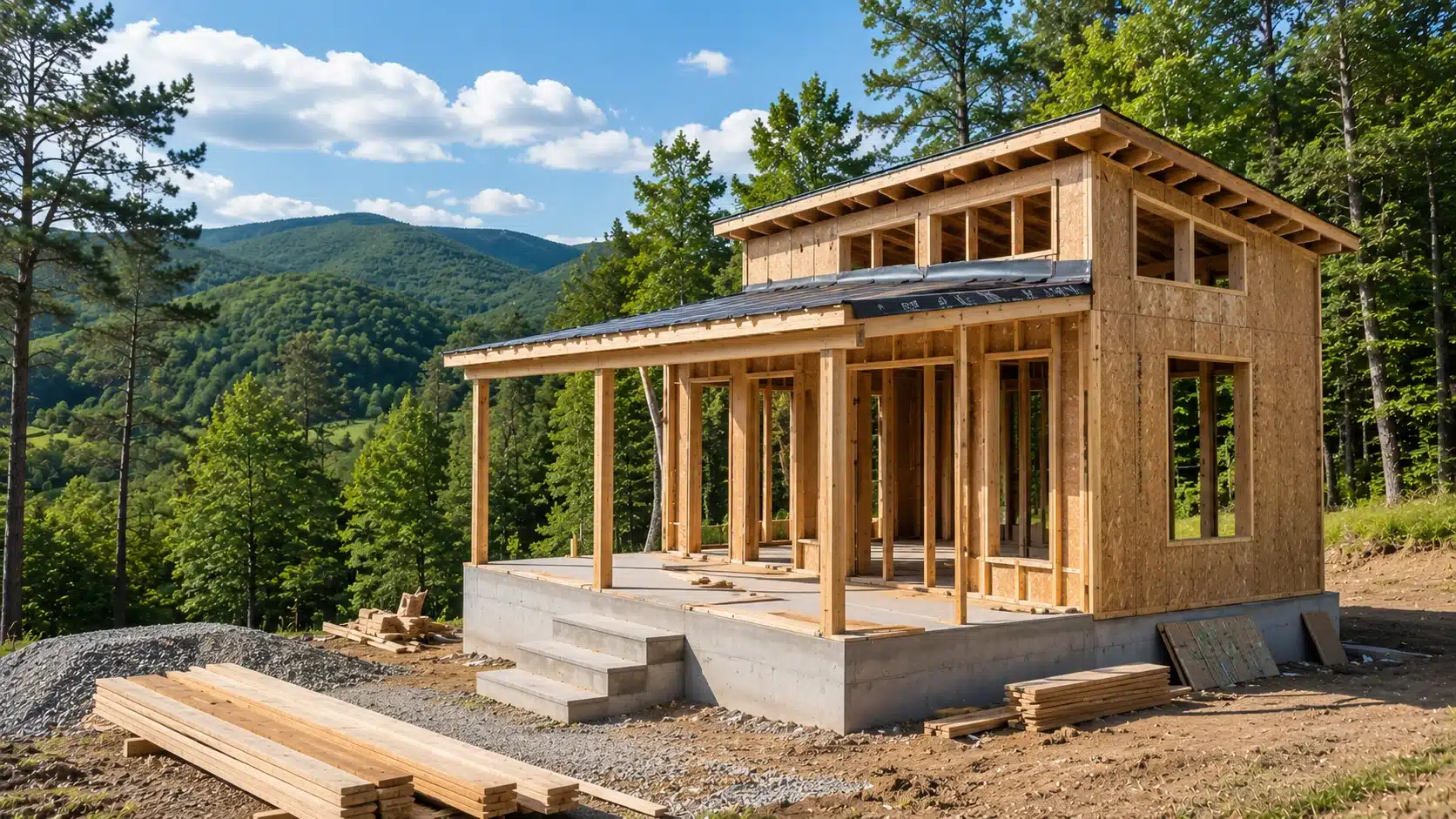
In most cases, a tiny house used as a permanent residence will require permits and inspections.
Requirements may include:
- Building permits
- Foundation approval
- Electrical and plumbing permits
- Septic or sewer approval
- Setback requirements
- Local zoning approval
North Carolina guidance states that qualifying tiny homes and their foundations must comply with the applicable North Carolina Residential Code.
Tiny Houses on Permanent Foundations
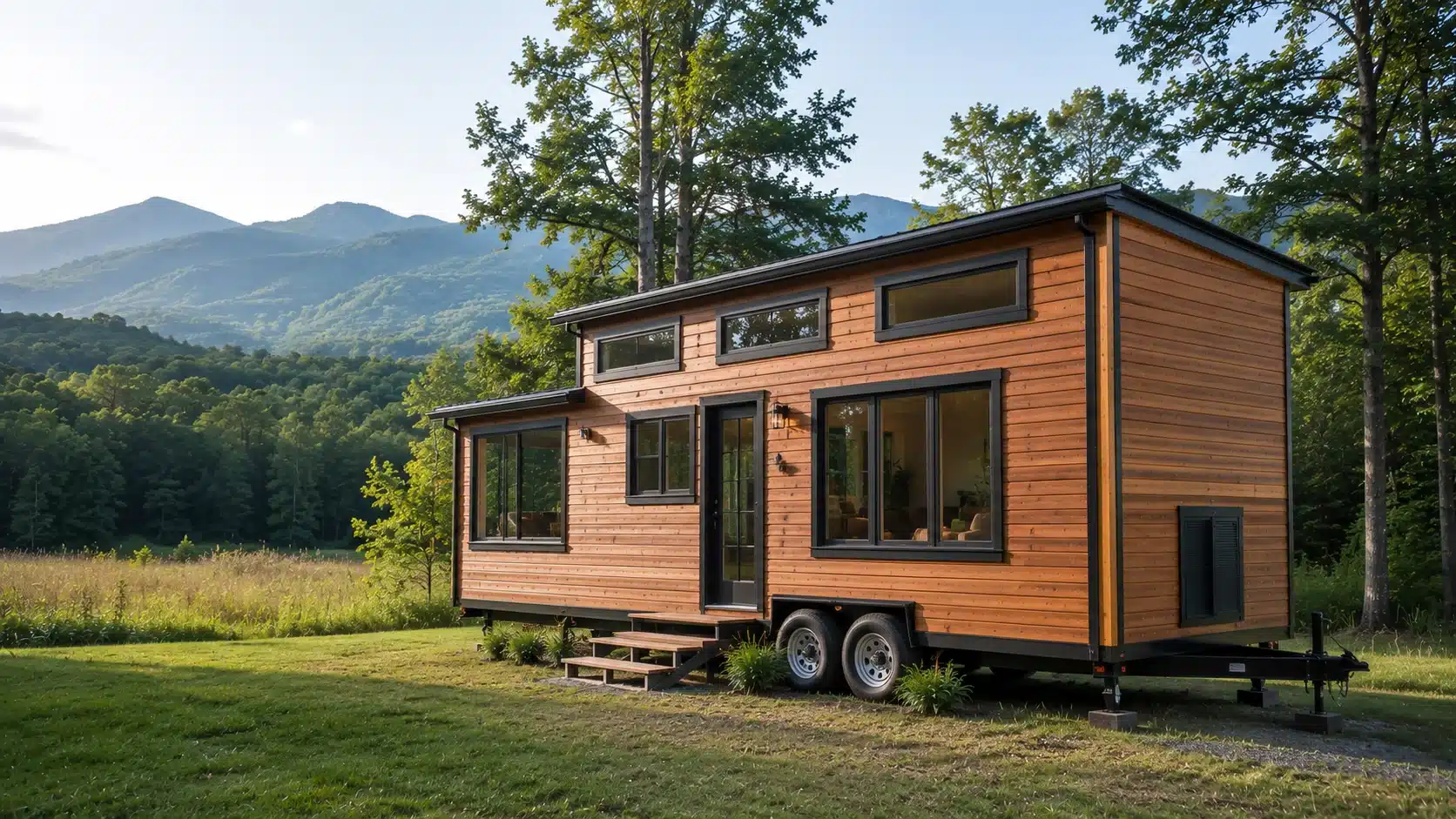
A tiny house built on an approved permanent foundation generally has the clearest path to legal full-time occupancy.
Appendix Q provides specific standards for tiny homes, including provisions related to lofts, stairs, ladders, ceiling heights, and emergency escape openings.
Even if the house meets the building code, local zoning can still restrict where it may be located.
Tiny Houses on Wheels in North Carolina
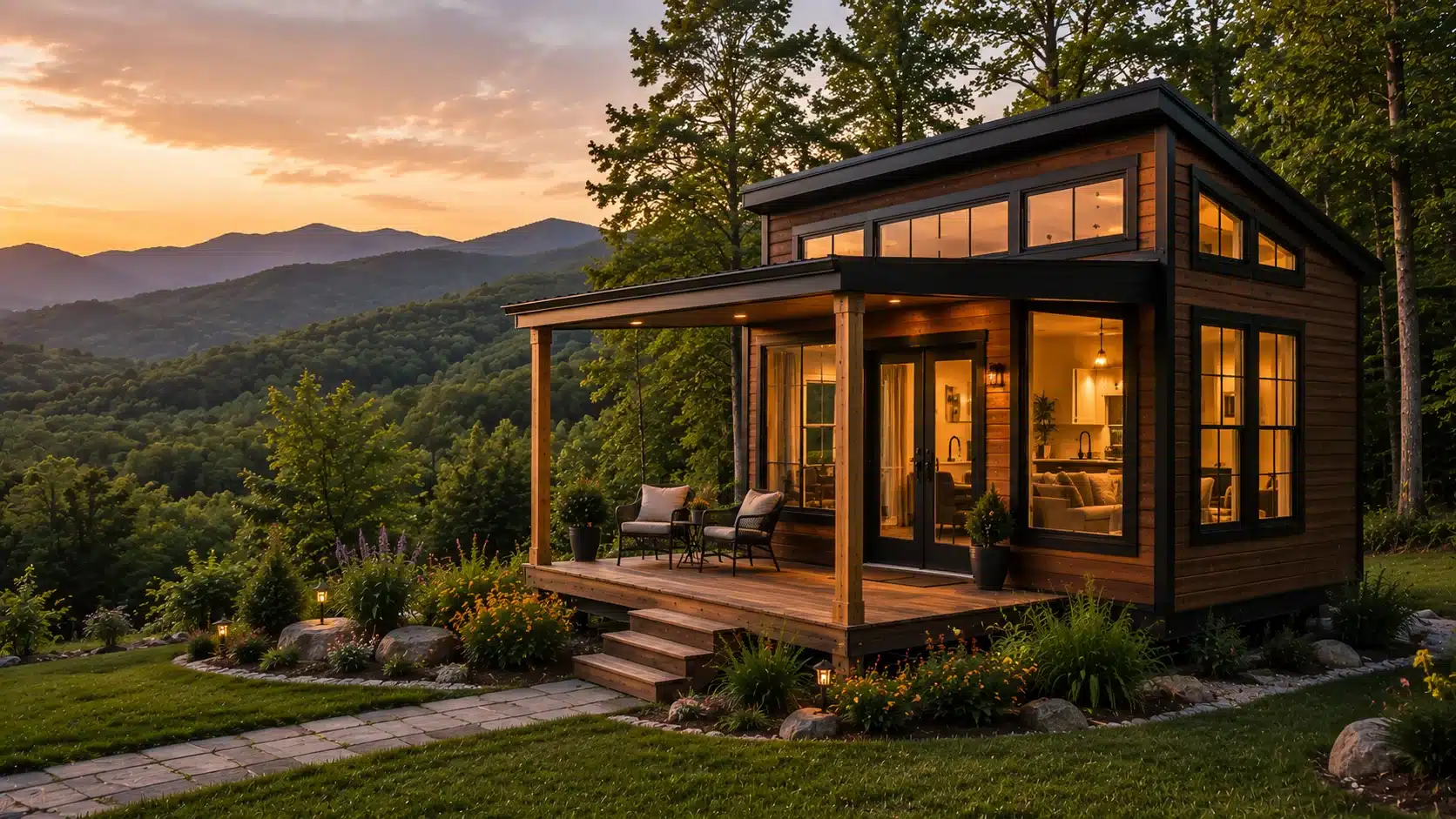
Tiny houses on wheels can be more complicated.
A movable tiny house may be classified differently from a permanent residential dwelling and could fall under RV, trailer, or other local regulations.
Owning the land does not automatically mean you can permanently live in a tiny house on wheels there.
Always verify local zoning before purchasing property.
Where Can You Put a Tiny House?
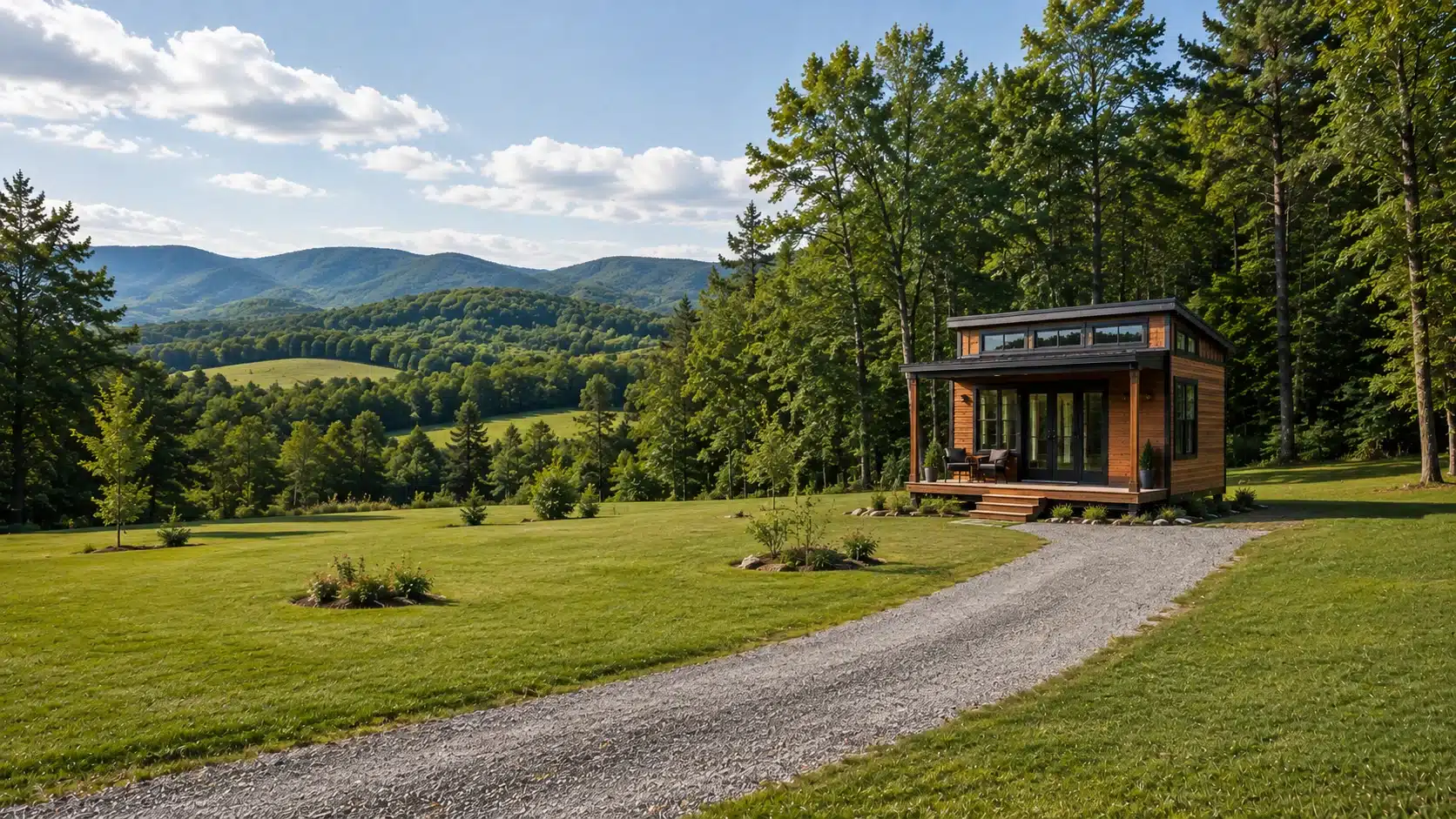
Rules vary considerably between counties and municipalities.
Before buying land, check:
- Residential zoning
- Minimum lot size
- Minimum dwelling requirements
- RV restrictions
- Septic and water requirements
- HOA restrictions
Rural areas may offer more flexibility, but they are not automatically free from regulation.
Final Thoughts
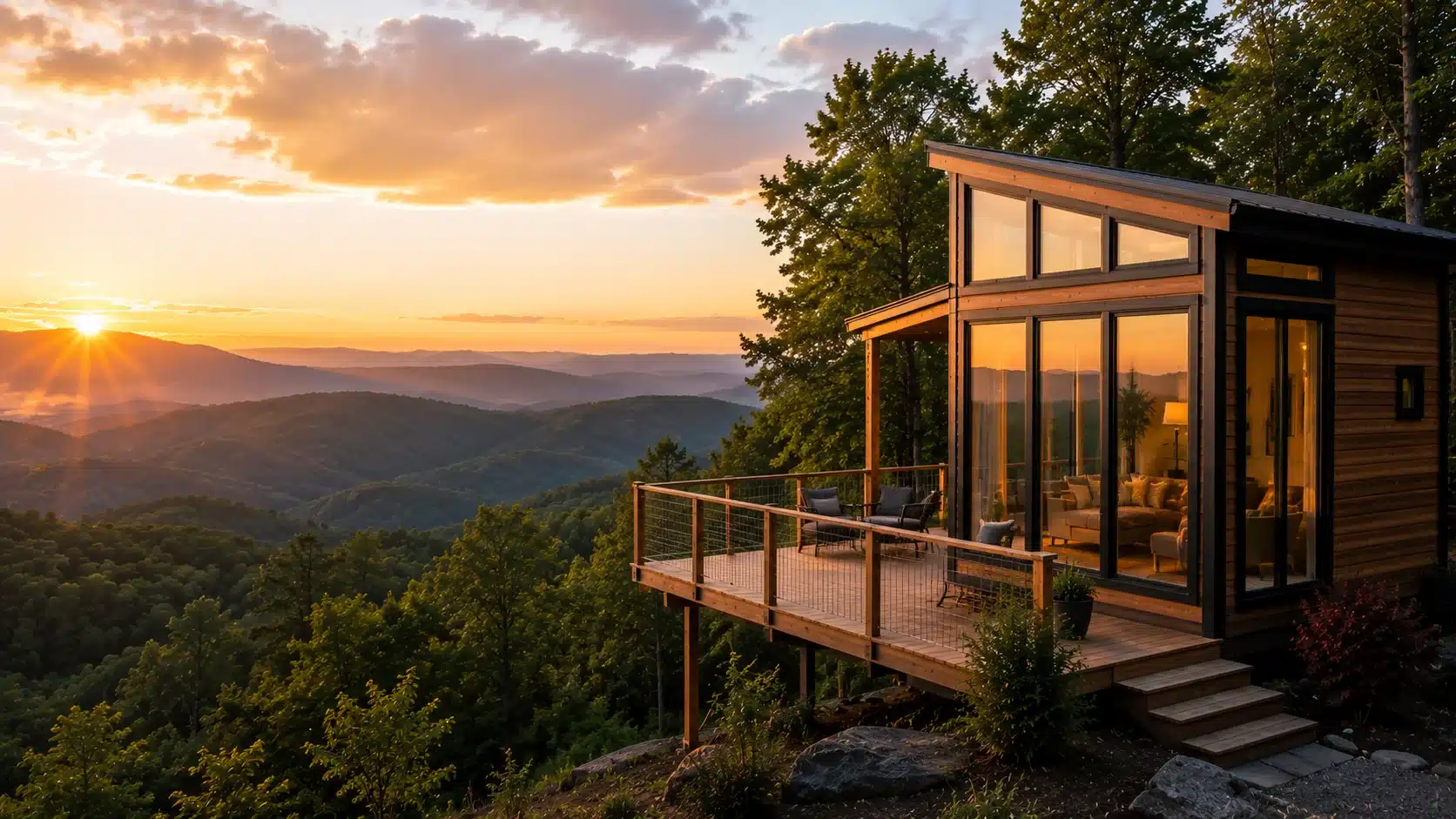
Tiny houses can be legal in North Carolina, and the state building code specifically recognizes tiny houses up to 400 square feet.
For full-time living, a code-compliant tiny house on a permanent foundation is generally the safest option. Local zoning remains crucial, so always confirm the rules for the exact property before buying land or a tiny home.
This article provides general information and is not legal advice.