Tiny House Laws in California (2026): Everything You Need to Know
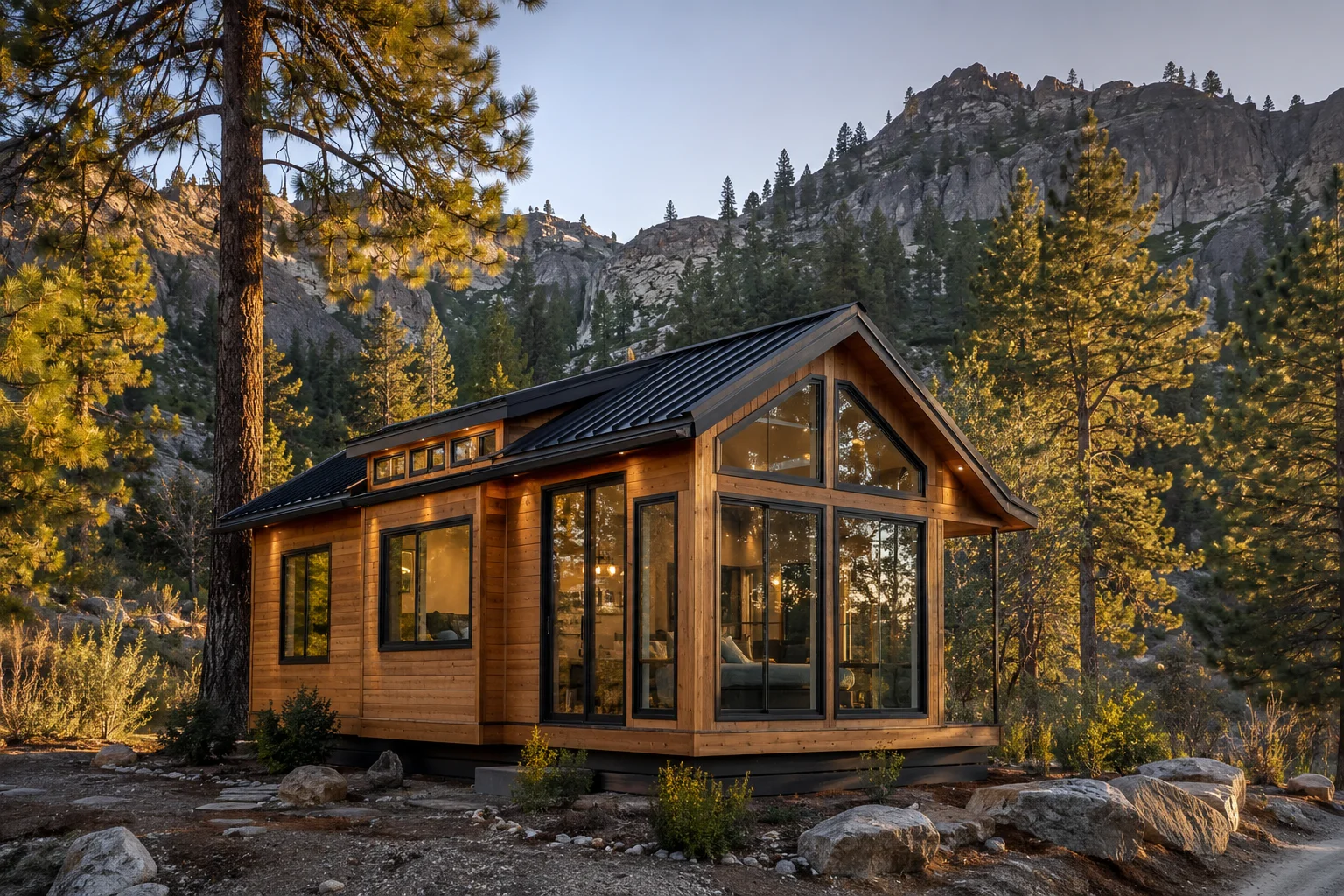
California has become one of the most tiny house-friendly states in the United States. Rising housing costs, strong demand for affordable living, and state laws encouraging accessory dwelling units (ADUs) have created new opportunities for homeowners interested in tiny houses.
However, many people still ask the same question:
Are tiny houses legal in California?
The short answer is yes, but there are important rules you need to understand before buying land or building a tiny home.
California has state wide laws that support ADUs and small homes, but cities and counties still enforce their own zoning regulations, permitting requirements, setbacks, and land-use rules. This means a tiny house that is legal in one city may require different approvals in another.
Whether you’re planning to build a tiny house on a permanent foundation or purchase a tiny house on wheels, understanding California’s regulations can save you thousands of dollars and prevent costly legal issues.
This guide explains everything you need to know about California tiny house laws in 2026.
Are Tiny Houses Legal in California?
Yes.
Tiny houses are legal in California, but how they are regulated depends on the type of tiny house you own.
Generally, California recognizes two main categories:
- Tiny houses built on permanent foundations
- Tiny houses on wheels (THOW)
A tiny house built on a permanent foundation is usually treated as a residential dwelling and must comply with the California Residential Code along with local zoning regulations.
Tiny houses on wheels are often treated differently and may be classified as recreational vehicles depending on how they are constructed and used.
Because California allows local governments to regulate land use, zoning remains one of the most important factors when determining whether a tiny house is allowed on a property.
California Building Codes for Tiny Houses
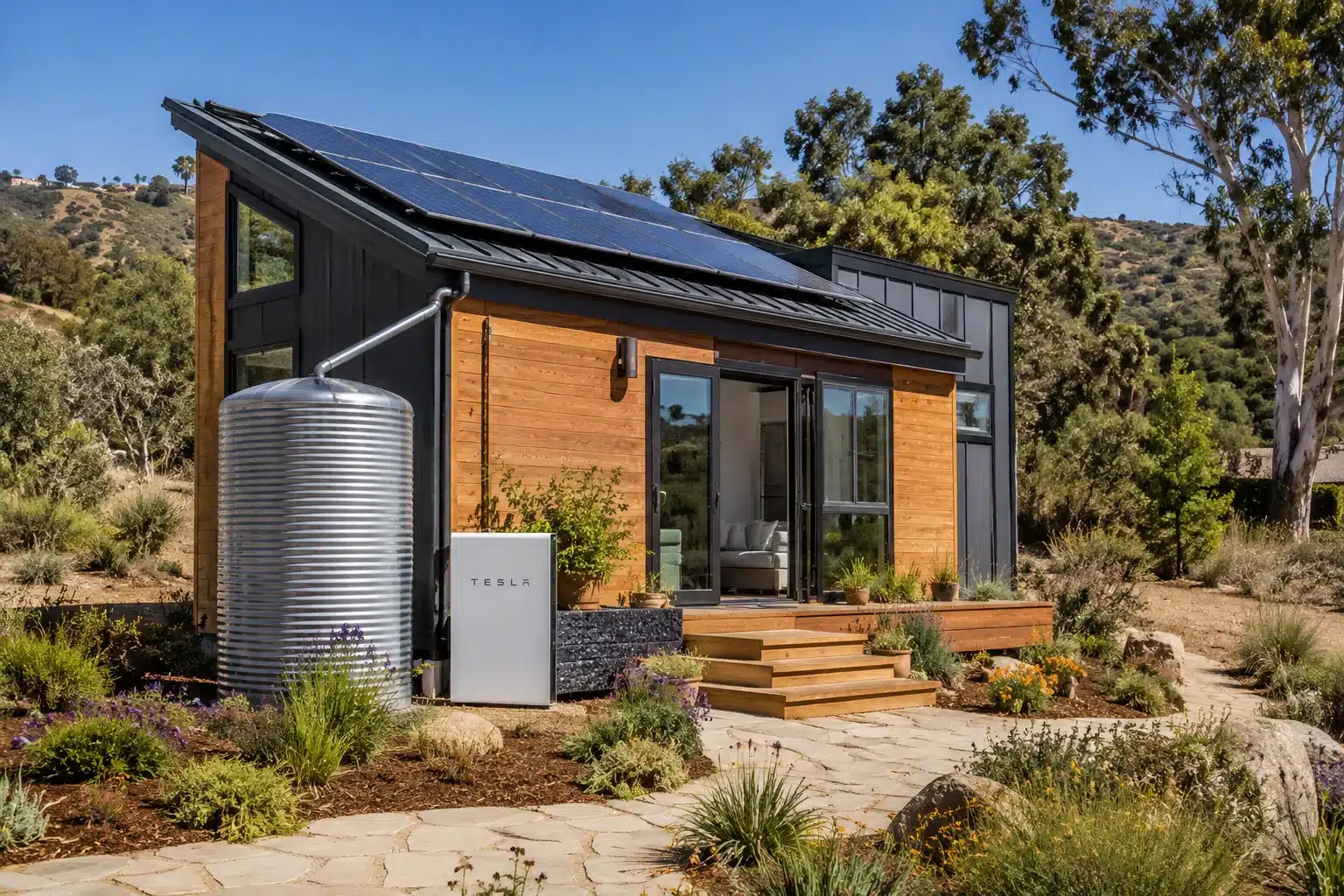
California has adopted building standards that recognize tiny houses.
Homes built on permanent foundations generally must comply with the California Residential Code. Many jurisdictions have adopted Appendix AQ, which contains construction standards specifically designed for tiny houses of 400 square feet or less, excluding lofts.
These standards cover:
- Ceiling heights
- Sleeping lofts
- Stairways
- Emergency escape openings
- Guardrails
- Safety requirements
Appendix AQ allows builders greater design flexibility while maintaining safety standards for small homes. Local adoption and enforcement can vary, so homeowners should always verify requirements with their city or county building department.
Accessory Dwelling Units (ADUs)
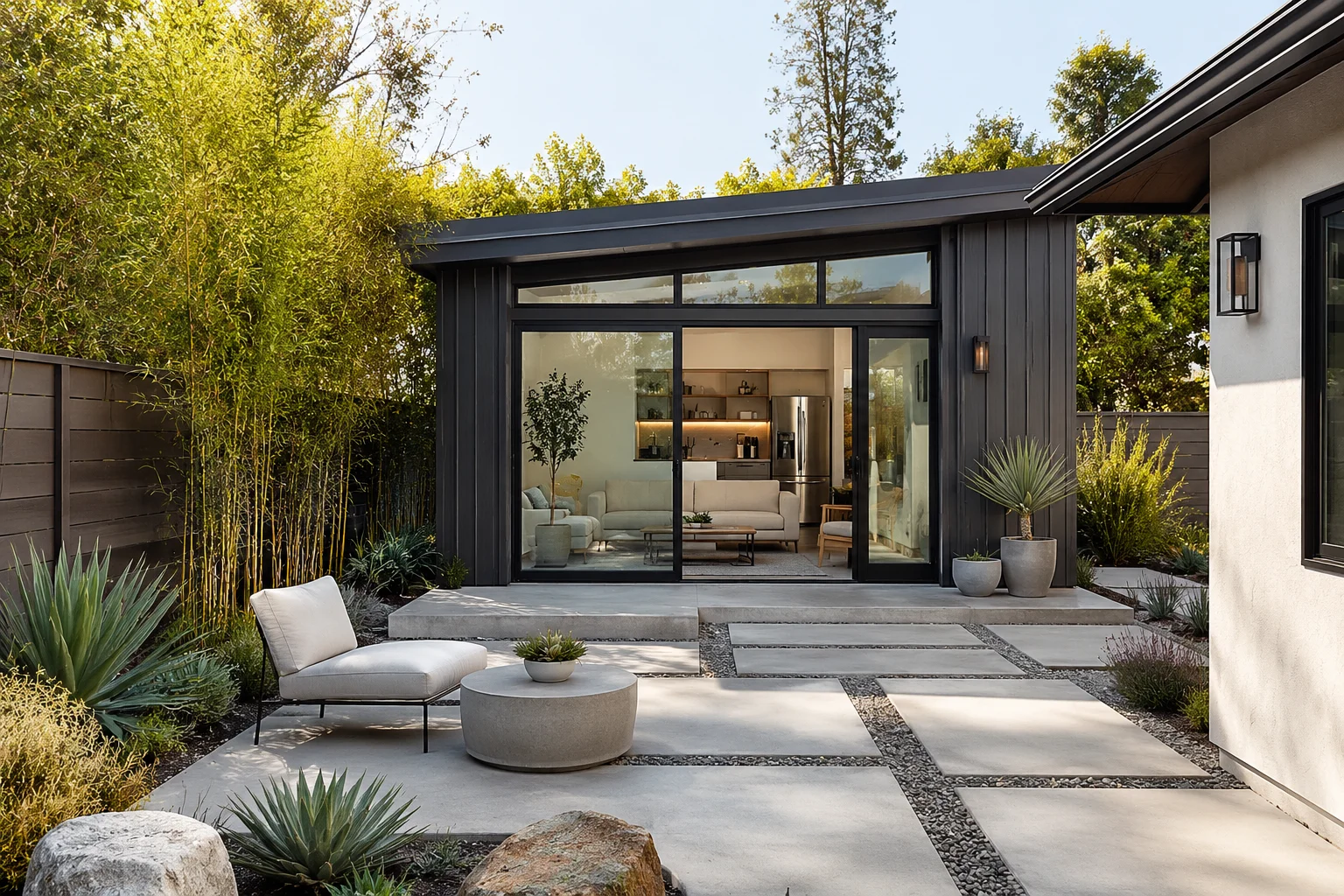
One reason California is considered one of the best states for tiny homes is its support for Accessory Dwelling Units (ADUs).
An ADU is a secondary residential unit located on the same property as an existing home.
Depending on local regulations, a detached tiny house may qualify as an ADU if it meets applicable building and zoning requirements.
California has enacted state wide legislation to make ADU approvals easier and to increase housing availability. The California Department of Housing and Community Development provides state wide guidance, while cities and counties implement local ordinances consistent with state law.
Many homeowners choose this option because it allows them to:
- Create rental income
- Build housing for family members
- Increase property value
- Add flexible living space
Do You Need a Building Permit?
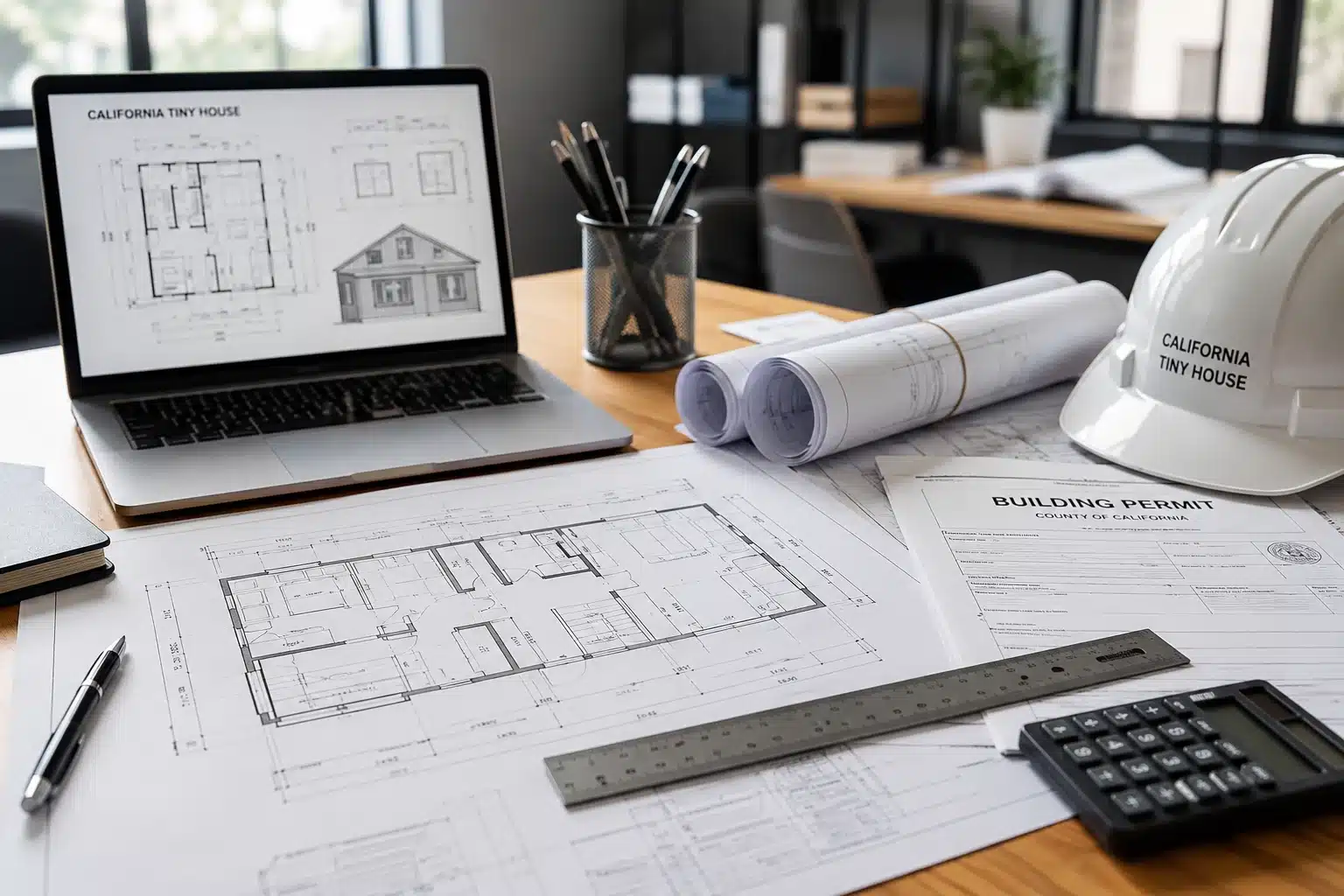
Yes.
If your tiny house is built on a permanent foundation, building permits are generally required before construction begins.
Depending on the project, permits may include:
- Building permit
- Electrical permit
- Plumbing permit
- Mechanical permit
- Grading permit
- Septic permit (where applicable)
During construction, local authorities typically perform inspections to ensure the project complies with applicable building codes.
Building without the required permits can result in fines, delays, or orders to correct or remove non-compliant structures.
California Zoning Laws
Although California has adopted state wide housing policies, zoning decisions remain largely under local control.
Cities and counties determine:
- Where tiny houses are allowed
- Minimum lot sizes
- Setback requirements
- Maximum building height
- Parking requirements
- ADU regulations
Because zoning varies widely across California, homeowners should always verify local requirements before purchasing land or beginning construction.
Tiny Houses on Wheels (THOW) in California
Tiny houses on wheels (THOWs) have become increasingly popular throughout California, offering homeowners flexibility and lower construction costs. However, they are regulated differently than tiny houses built on permanent foundations.
In many situations, a THOW is classified as a recreational vehicle (RV) rather than a traditional residence. This means it may need to meet RV construction standards and can be subject to restrictions on where it may be parked or occupied full-time.
Before purchasing a tiny house on wheels, homeowners should verify local zoning regulations, parking requirements, and utility connection rules.
Can You Live Full-Time in a Tiny House on Wheels?
The answer depends on where the tiny house is located.
Some RV parks and tiny house communities allow long-term occupancy, while many residential neighborhoods prohibit permanent living in a THOW.
Several California cities have adopted local ordinances that provide greater flexibility for tiny homes, but regulations still vary significantly between jurisdictions.
Always check with your local planning department before moving a tiny house onto private property.
Where Can You Place a Tiny House in California?
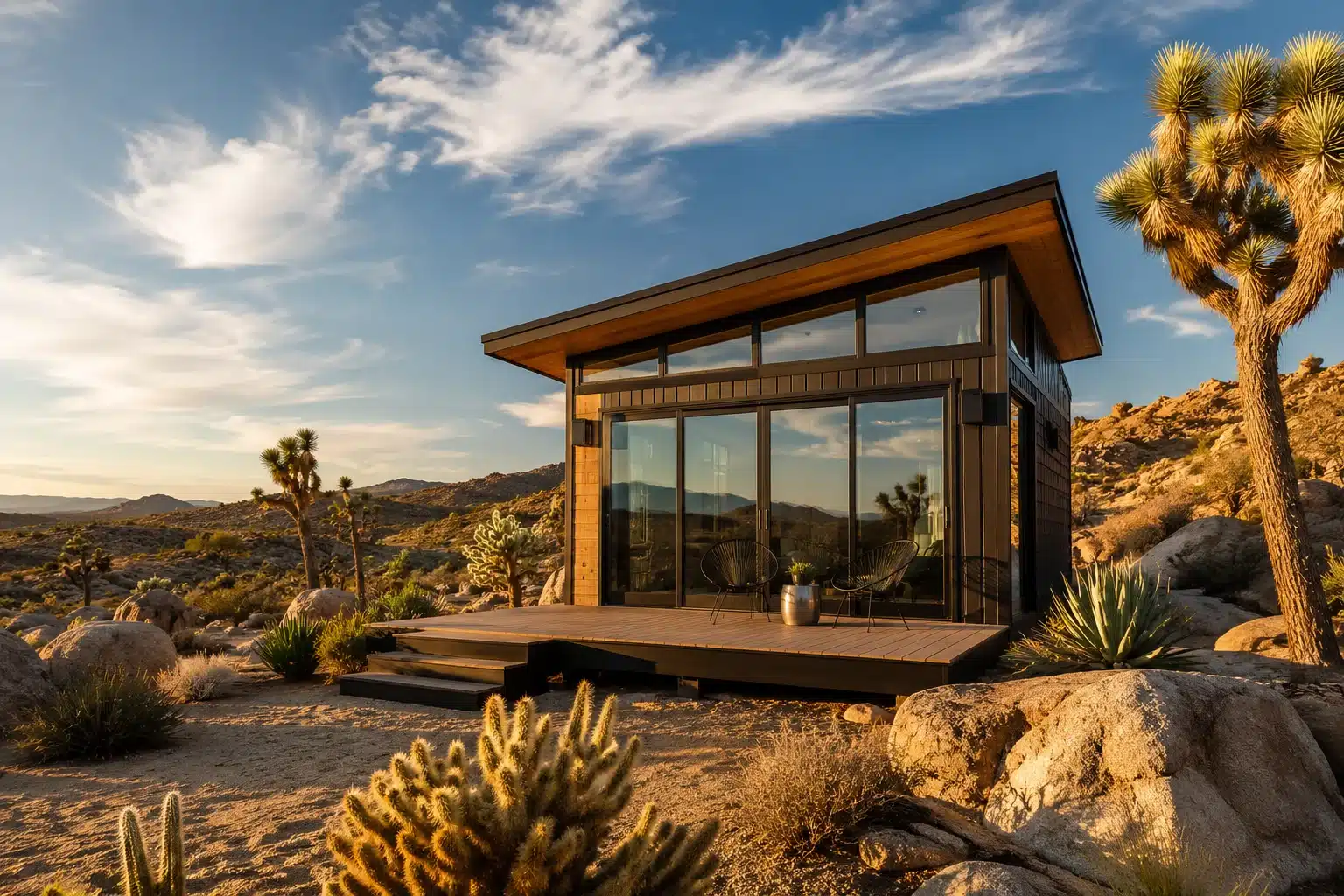
Finding legal land is one of the biggest challenges for tiny house owners.
Depending on local regulations, tiny houses may be placed on:
- Private residential property
- Rural land
- Agricultural land
- Approved ADU lots
- Tiny house communities
- RV parks (for THOWs)
- Certain manufactured housing communities
Even when state building requirements are satisfied, local zoning laws determine whether a property is suitable for tiny house living.
Best Places in California for Tiny House Living
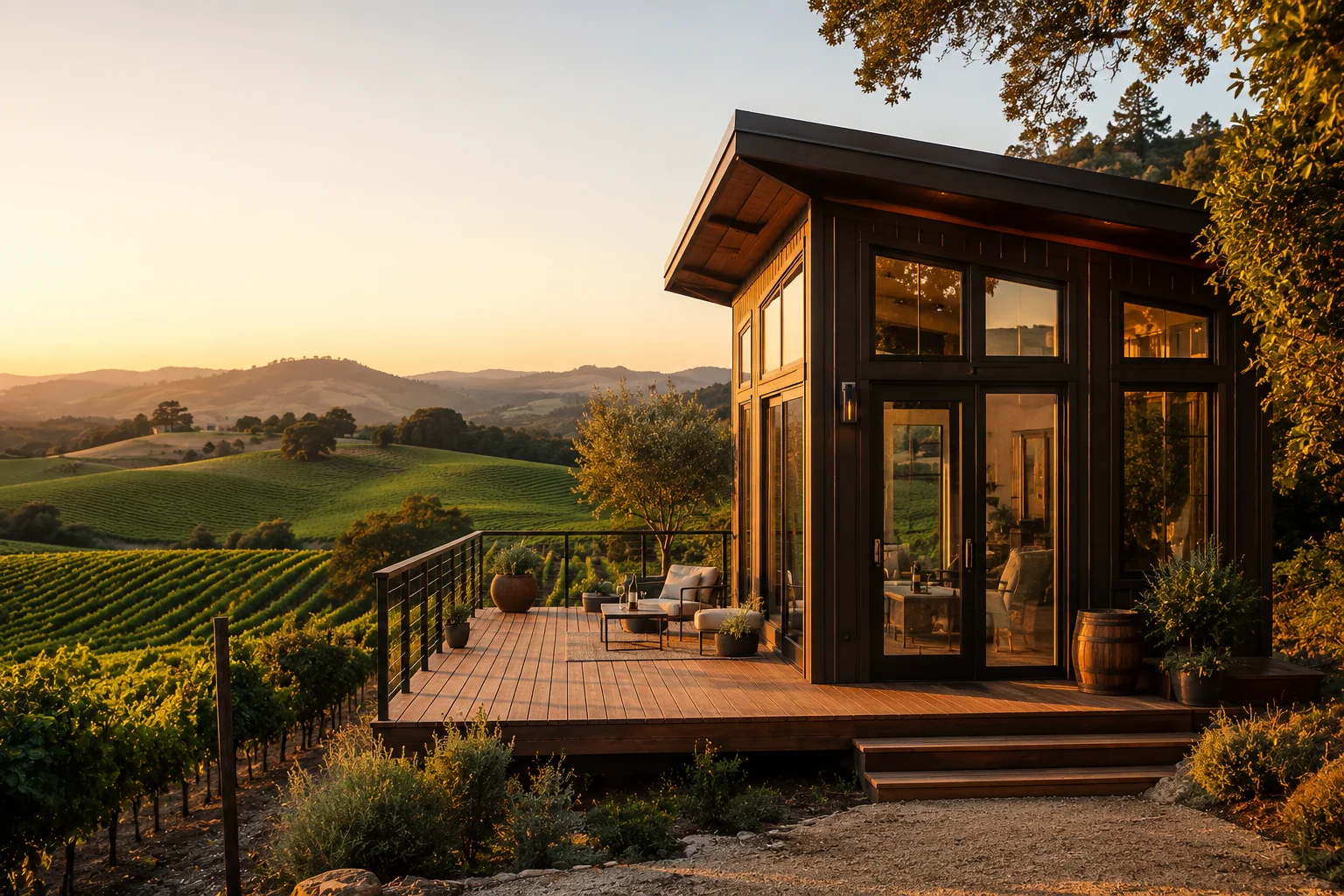
Several California cities and counties have become popular destinations for tiny house owners because of supportive housing policies and ADU regulations.
Fresno
Fresno has adopted ADU-friendly policies that make it easier for homeowners to add small residential units.
San Diego
San Diego has become one of California’s leading cities for ADU development, creating additional opportunities for legal tiny house projects.
Los Angeles
Los Angeles allows ADUs under state and local regulations, although zoning requirements and permit processes can be more complex than in smaller communities.
Sacramento
Sacramento encourages additional housing through ADU programs and provides resources for homeowners interested in small residential construction.
Sonoma County
Some rural areas of Sonoma County offer larger lots and more flexibility for homeowners interested in tiny house living, subject to local zoning regulations.
Utility Requirements
Every legal tiny house should have access to essential utilities.
These typically include:
- Drinking water
- Electricity
- Wastewater disposal
- Heating and cooling
- Ventilation
Properties outside city limits may also require:
- Septic systems
- Private wells
- Solar power systems
- Propane installations
Utility permits are generally handled through local agencies.
How Much Does It Cost to Build a Tiny House in California?
California remains one of the most expensive states for residential construction.
| Expense | Estimated Cost |
|---|---|
| Tiny House Construction | $60,000 – $180,000 |
| Land Purchase | $80,000 – $500,000+ |
| Foundation | $8,000 – $25,000 |
| Utility Connections | $6,000 – $25,000 |
| Permits & Inspections | $1,000 – $8,000 |
| Septic System (if needed) | $6,000 – $18,000 |
Costs vary depending on location, labour, land prices, and utility availability.
Advantages of Living in a Tiny House in California
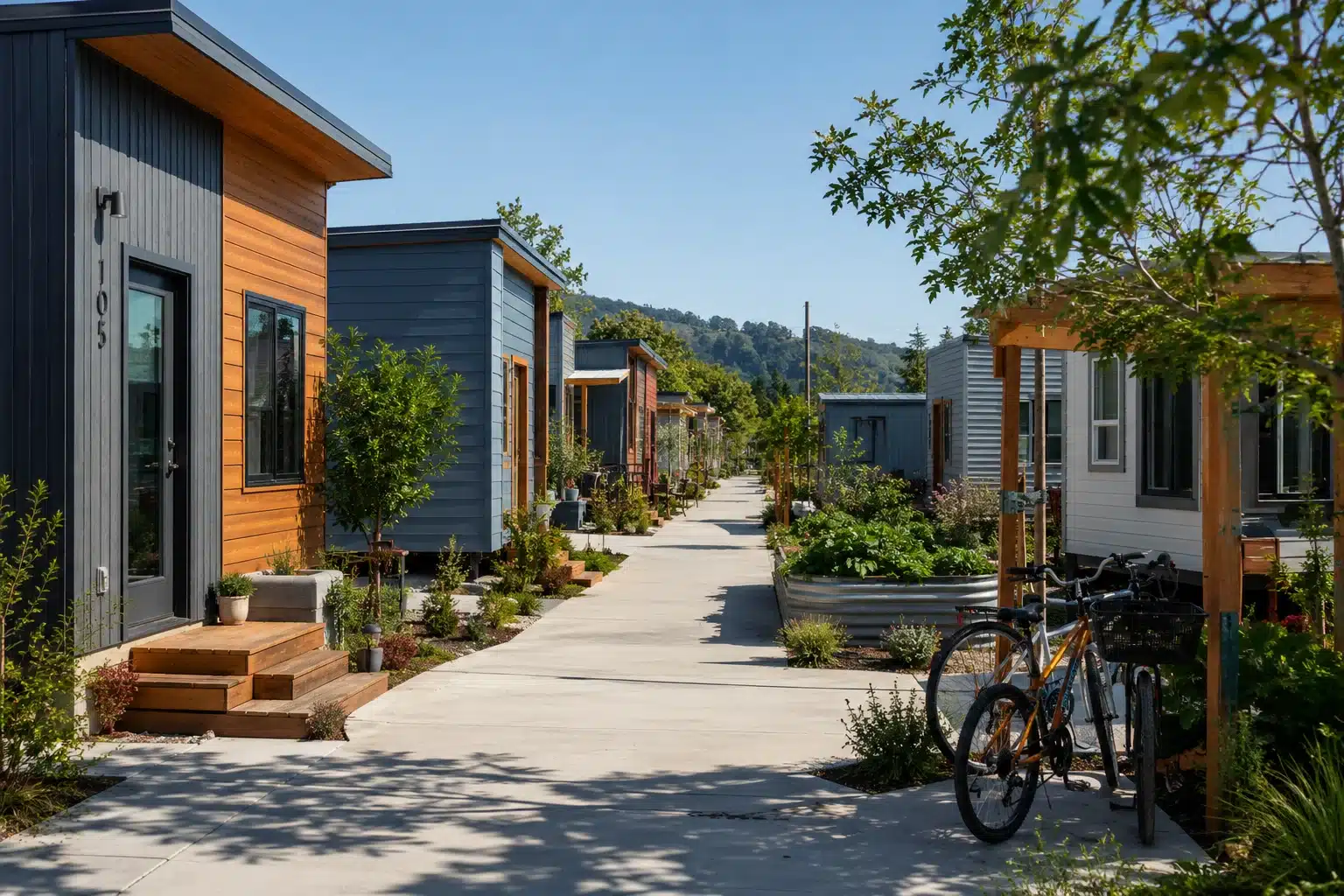
Mild Climate
California’s moderate climate makes tiny house living comfortable throughout much of the year while reducing heating expenses.
ADU-Friendly Laws
California has some of the most progressive ADU legislation in the country, making small residential projects more accessible.
Strong Real Estate Market
Adding a legal tiny house or ADU can increase property value and create rental income opportunities.
Sustainable Lifestyle
Many homeowners choose tiny houses because they consume fewer resources, reduce energy costs, and support a minimalist lifestyle.
Challenges of Tiny House Living in California
Although California offers many opportunities for tiny house owners, there are also important challenges to consider.
High Land Prices
Land prices remain among the highest in the United States, particularly in coastal cities.
Complex Local Regulations
Each city and county has different zoning rules, permit requirements, and building standards.
Permit Costs
Construction permits, impact fees, and utility connections can significantly increase the overall project budget.
Wildfire Risk
Many rural areas are located in wildfire-prone regions, requiring additional building standards and insurance considerations.
Tips Before Buying Land for a Tiny House
Purchasing land is one of the biggest investments in any tiny house project. Before making a decision, take time to research both the property and the local regulations.
Here are several important steps every buyer should take:
- Contact the local planning and zoning department.
- Verify whether tiny houses are permitted.
- Check minimum lot size requirements.
- Confirm setback regulations.
- Review utility availability.
- Determine whether a septic system or private well is required.
- Verify road access.
- Check whether the property is located in a wildfire hazard zone.
- Review HOA rules and neighbourhood restrictions.
- Confirm that building permits can be obtained for your project.
Careful planning before purchasing land can prevent expensive legal and construction problems later.
Frequently Asked Questions
Are tiny houses legal in California?
Yes. Tiny houses are legal in California, but they must comply with local zoning regulations, building codes, and permit requirements.
Can I build a tiny house in my backyard?
In many cases, yes. If the project qualifies as an Accessory Dwelling Unit (ADU) and meets local regulations, homeowners may be able to build a detached tiny house on their property.
Are tiny houses on wheels legal in California?
Yes. Tiny houses on wheels are generally legal, but they are often regulated differently from permanent homes and may be classified as recreational vehicles.
Do I need a building permit?
Yes. Permanent tiny houses generally require building permits, inspections, and compliance with local construction codes.
Can I permanently live in a tiny house on wheels?
It depends on local regulations. Some RV parks and tiny house communities allow long-term occupancy, while many residential neighbourhoods do not.
What is Appendix AQ?
Appendix AQ is a section of the California Residential Code that provides construction standards specifically designed for tiny houses of 400 square feet or less.
Which California cities are most tiny house friendly?
Cities such as Fresno, Sacramento, and San Diego have adopted ADU-friendly policies, although requirements vary by jurisdiction.
How much does a tiny house cost in California?
Most projects range from $60,000 to $180,000, excluding land costs.
Can a tiny house increase property value?
Yes. A legally permitted tiny house or ADU can increase both property value and rental income potential.
Is California a good state for tiny house living?
Yes. California offers strong ADU legislation, a favourable climate, and increasing opportunities for small-home living, although local regulations and high land prices remain important considerations.
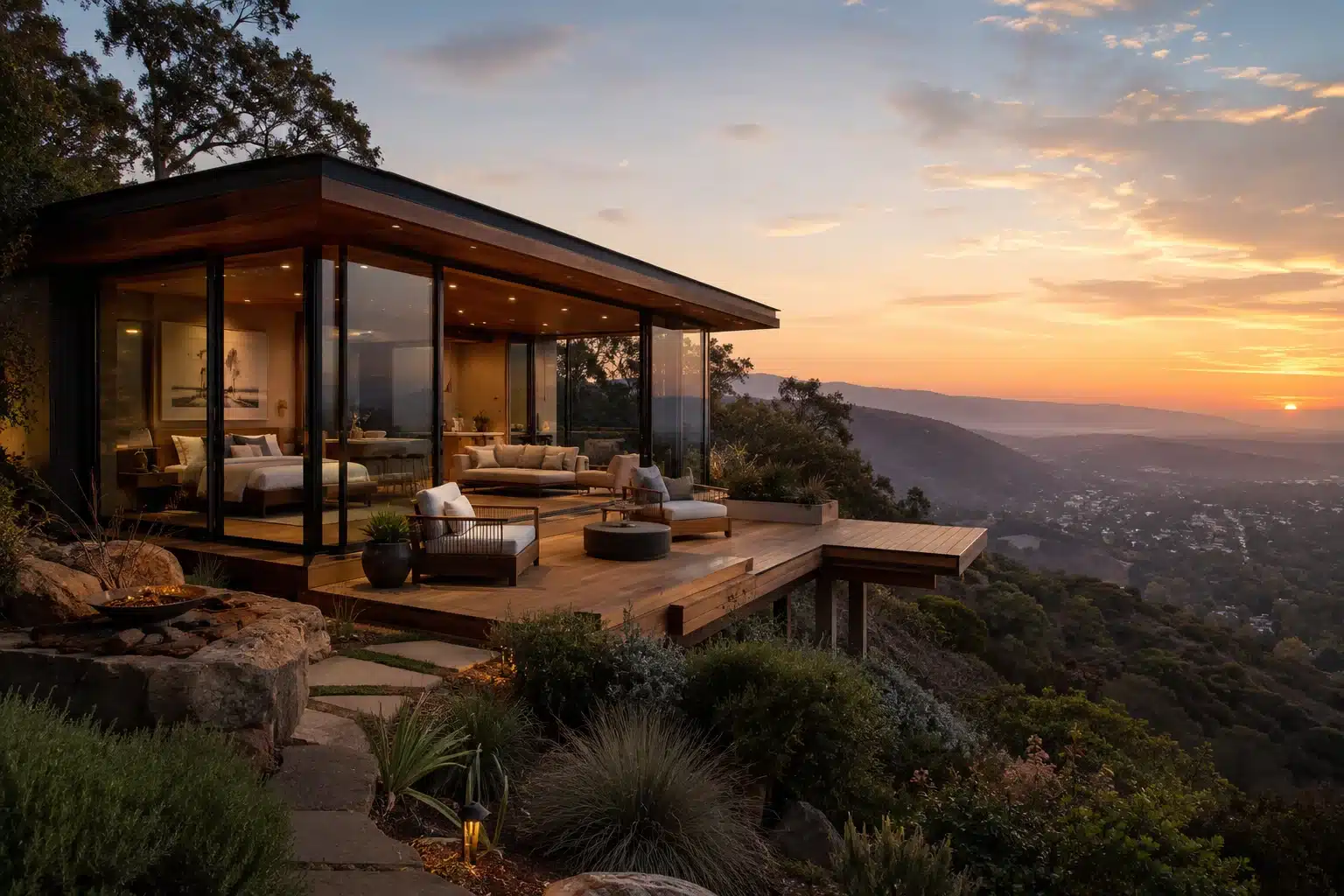
Final Thoughts
California continues to be one of the most progressive states for tiny house living. State laws supporting Accessory Dwelling Units (ADUs), combined with growing interest in affordable housing, have created new opportunities for homeowners looking to downsize or add flexible living space.
However, building or placing a tiny house in California still requires careful planning. Local zoning ordinances, permit requirements, and building codes vary from one city or county to another. Understanding these regulations before purchasing land or beginning construction can help you avoid delays, unexpected costs, and legal complications.
Whether you’re considering a tiny house on a permanent foundation or a tiny house on wheels, taking the time to research local requirements is the best way to ensure your project is safe, legal, and successful.