


Tiny House Laws in 2026: What You Need to Know
Tiny houses are still having a moment in 2026—and honestly, it makes sense. Lower costs, less clutter, more freedom. What’s not to like? But here’s the thing a lot of people don’t realize right away: you can’t just park a tiny house anywhere and call it a day. The legal side of things can get tricky, and it changes depending on where you are.
So if you’re dreaming about downsizing or already planning your move into a tiny home, let’s walk through what the rules actually look like in 2026—without the legal jargon.
Why Tiny House Laws Even Matter
Before we jump into specifics, let’s talk about why these laws exist in the first place.
Cities and counties use zoning and building rules to control how land is used. They decide things like:
- What kind of homes are allowed
- How big they need to be
- Where you can place them
Tiny houses don’t always fit neatly into those categories. Some are built on wheels, others on foundations, and that alone can change how they’re treated legally.
That’s why understanding the rules upfront can save you from headaches later—like fines, forced relocation, or not being allowed to live in your home full-time.
Tiny Houses on Wheels vs. Foundations
This is one of the biggest distinctions in 2026, and it shapes almost everything else.
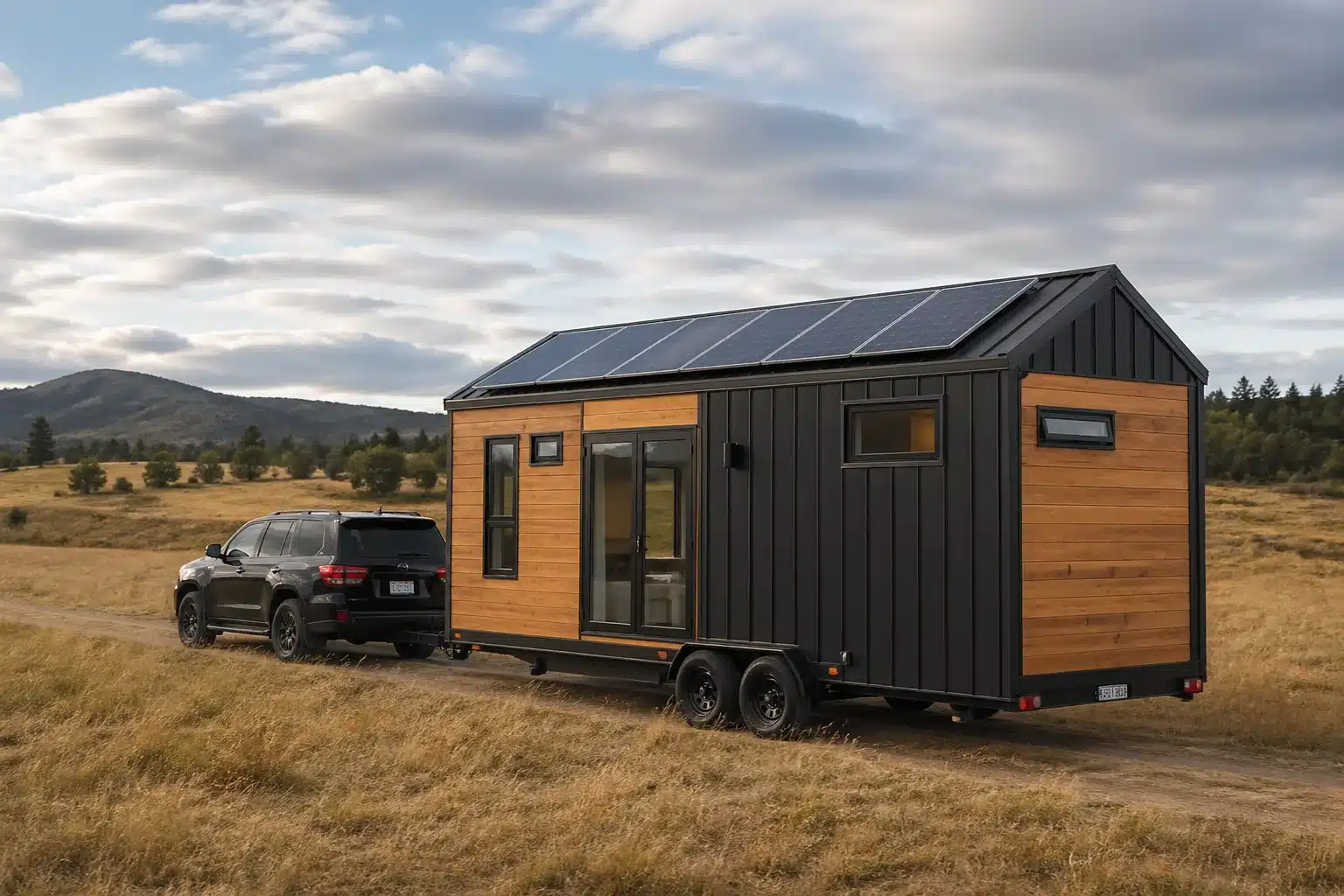
Tiny Houses on Wheels (THOWs)
These are often treated like RVs (recreational vehicles). That means:
- You usually can’t live in them full-time in most cities
- They’re allowed in RV parks or campgrounds
- Some areas allow temporary living on private land
The upside? Flexibility. You can move your home if needed.
The downside? Legal gray areas and fewer places where full-time living is allowed.
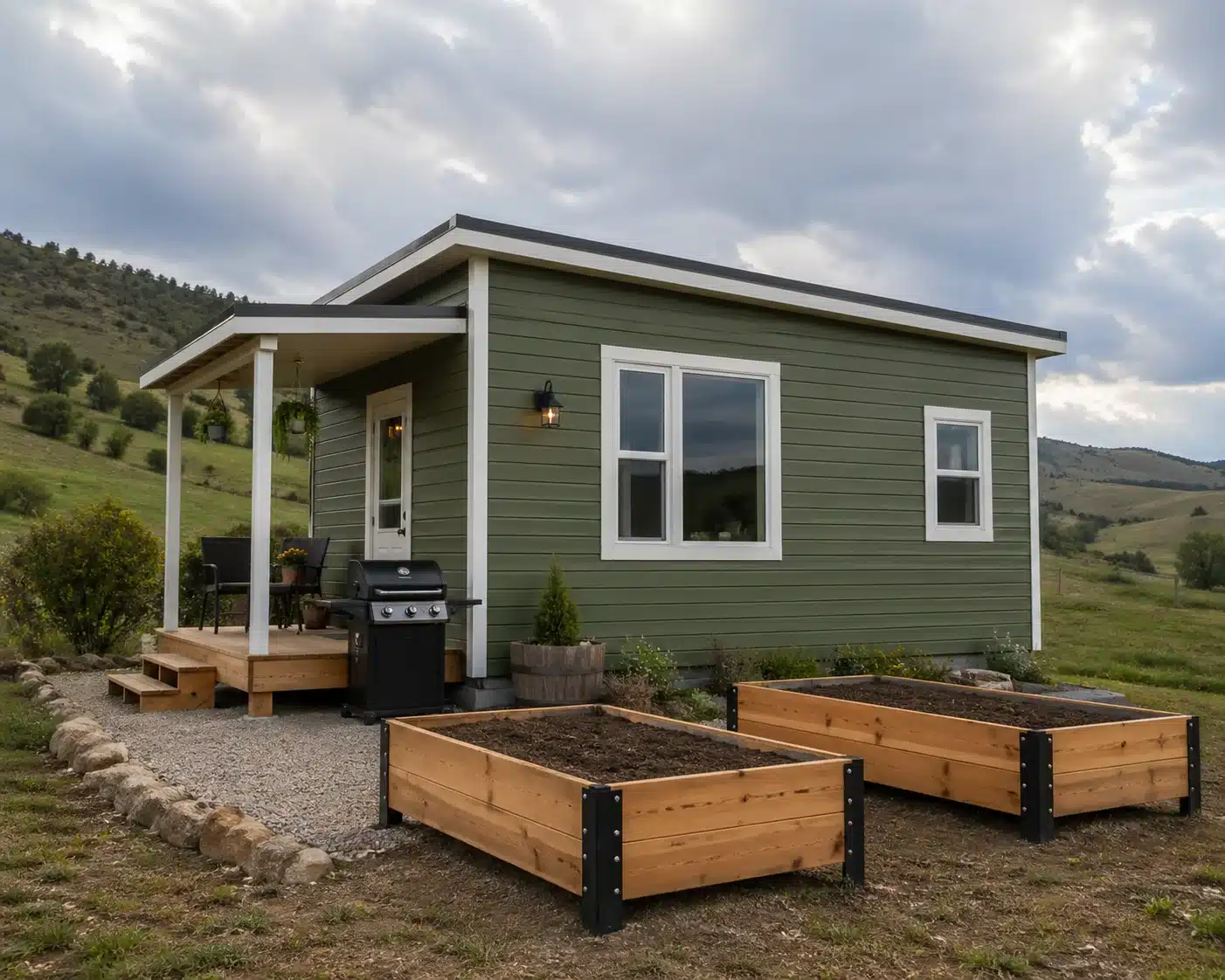
Tiny Houses on Foundations
These are closer to traditional homes in the eyes of the law.
- Must follow local building codes
- Need proper permits
- Often easier to live in full-time legally
In 2026, more cities are warming up to foundation-based tiny homes, especially as part of affordable housing solutions.
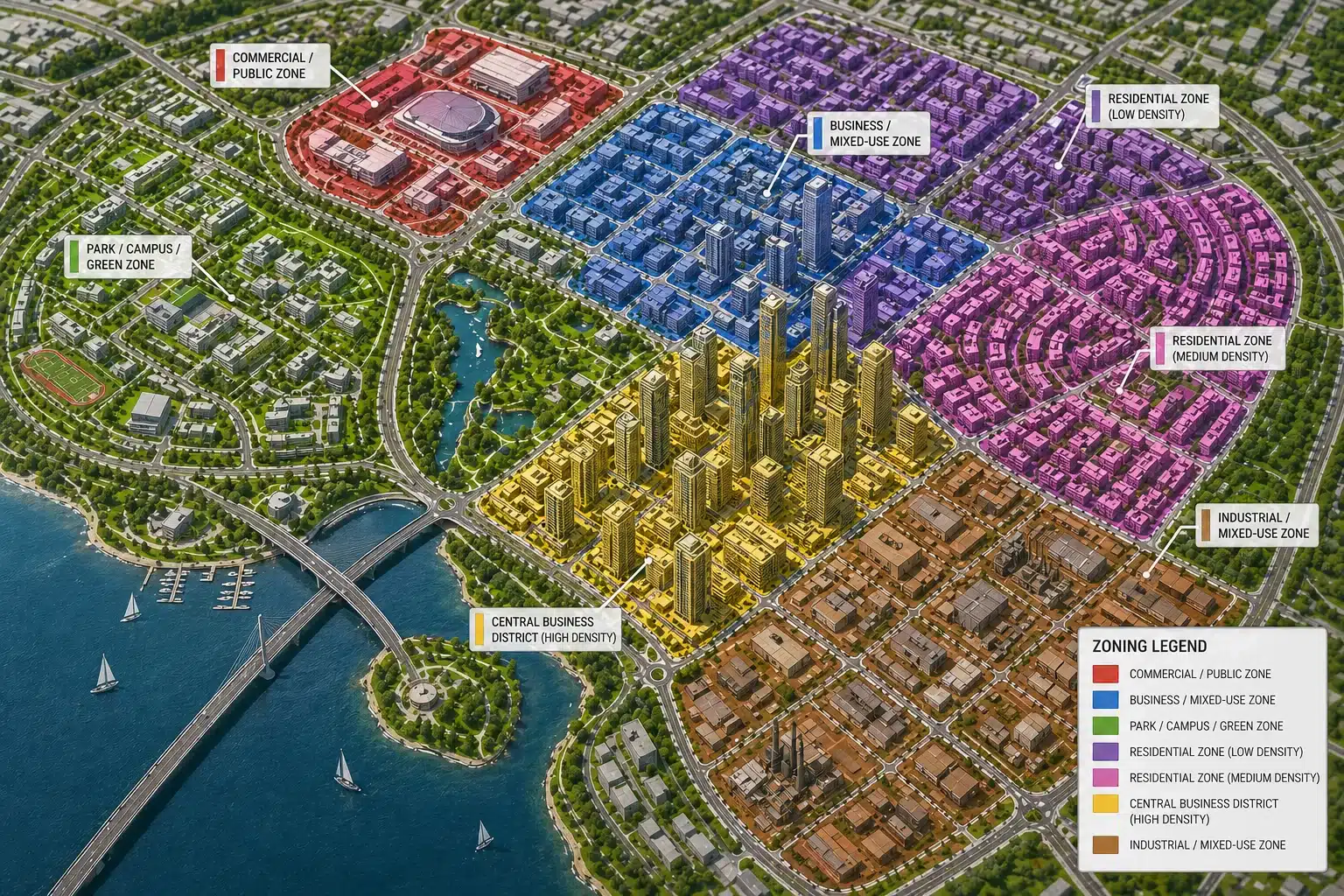
Zoning Laws: The Real Game-Changer
Zoning is where things can either go smoothly… or get frustrating.
Every area has zones—residential, agricultural, commercial—and each one has its own rules.
What’s changed in 2026?
Good news: more places are updating zoning laws to allow tiny homes.
Here’s what’s becoming more common:
- Tiny homes allowed as primary residences in certain zones
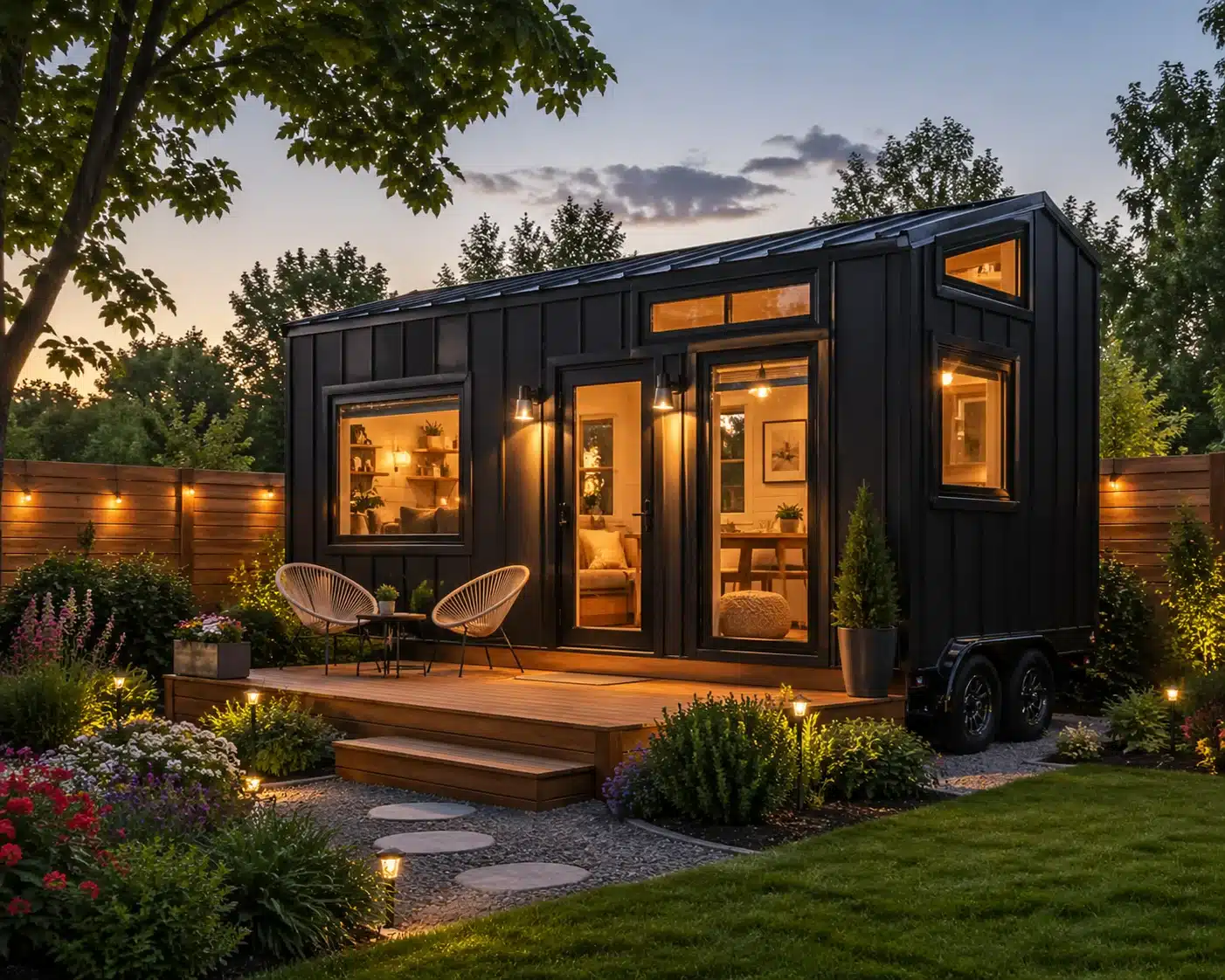
- Backyard tiny homes (ADUs) gaining popularity
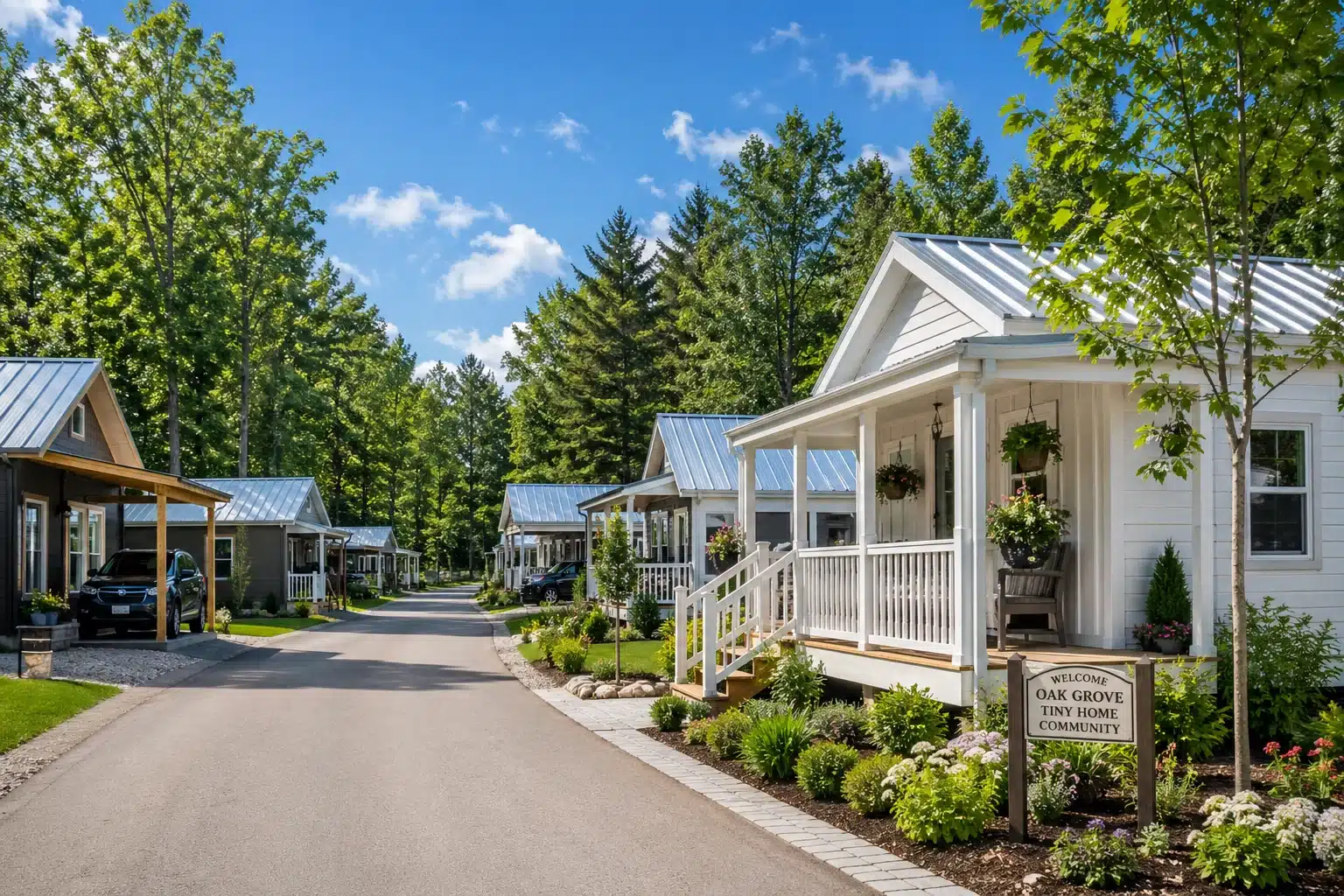
- Tiny house communities popping up in more states
Still, not every area is on board. Some places still require minimum square footage—often 600–1,000 sq ft—which rules out most tiny homes.
ADUs: A Huge Opportunity
ADU stands for Accessory Dwelling Unit. Think of it as a small home on the same property as a larger one.
In 2026, ADUs are one of the easiest ways to legally live in a tiny house.
The following reasons explain their current popularity:
- Cities are working with their existing regulations to create solutions for meeting their housing needs.
- The present requirements now permit more lenient conditions.
- The property can generate income through rental activities while accommodating family members and guests.
Your best option to start a tiny home business on your existing land or future land acquisition plans is to construct an ADU.
Building Codes You Should Know
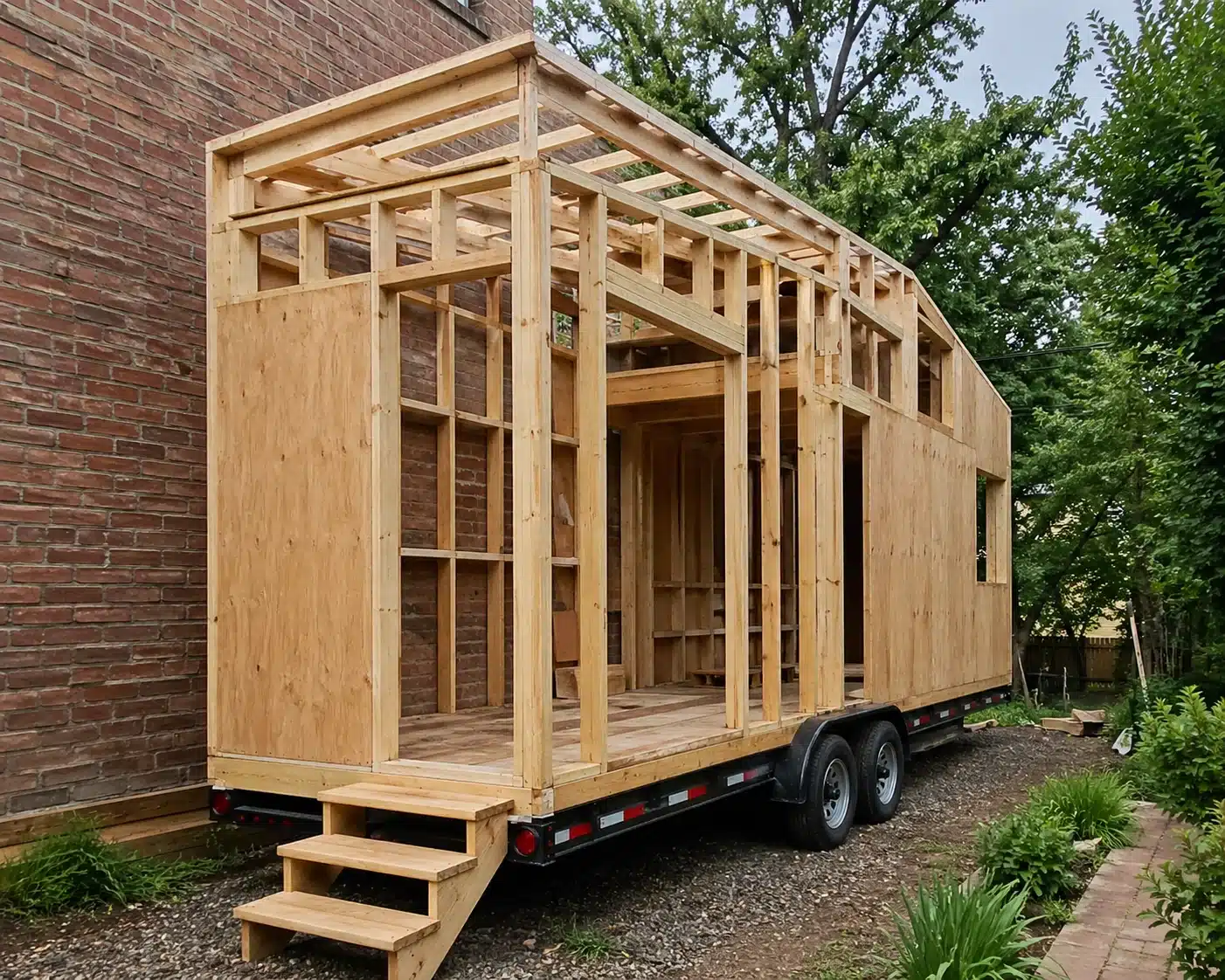
Tiny homes must follow all safety requirements for building code compliance.
A foundation home needs to include the following elements:
- The system for electrical power distribution
- The system for water distribution and drainage
- The system for thermal protection
- The two emergency exit paths which exist in all building sizes
The U.S. building industry uses IRC (International Residential Code) as its standard code which now features Appendix Q dedicated to tiny house construction.
This development creates a fundamental change because it:
- The design now allows loft areas as sleeping spaces
- The design now allows ceiling height to be greater than previous requirements
- The design now permits practical tiny home construction.
Certification from organizations such as RVIA (Recreational Vehicle Industry Association) enables mobile homes to achieve legal status and secure insurance coverage.
Where You Can Actually Put a Tiny House
Let’s get practical. Where can you legally park or build one?
1. Tiny House Communities
These are growing fast in 2026.
- Designed specifically for tiny homes
- Already zoned correctly
- Often include shared amenities
This is one of the easiest ways to avoid legal stress.
2.The second category consists of private property
The determination depends on the regulations established by local zoning authorities.
The following activities receive permission in certain locations.
- Residents of tiny houses can stay permanently in these areas.
- The area permits only temporary stays for visitors.
- The area permits accessory dwelling units but not independent tiny house structures.
The rules governing land purchases require property buyers to examine local regulations since different rules apply throughout the state.
3.The third category includes RV parks plus campgrounds
The design of the space operates best with movable tiny houses.
- Usually allowed short-term or seasonal stays
- Some parks now offer long-term options
It’s a good starting point if you’re testing the lifestyle.
States and Cities Leading the Way in 2026
Not all places treat tiny homes the same. Some are way ahead of the curve.
Here are a few that stand out:
California
- Very ADU-friendly
- Many cities allow backyard tiny homes
- Strong push for affordable housing
Texas
- Fewer statewide rules, more local control
- Some cities are very tiny-house-friendly
Oregon
- Progressive zoning laws
- Several established tiny home communities
Florida
- Growing interest in tiny living
- More RV-style accommodations for THOWs
Even with these trends, always double-check city or county rules—they matter more than state laws in most cases.
Insurance and Financing in 2026
This part used to be a headache, but things are improving.
Insurance
- Tiny homes on foundations: similar to regular homeowners insurance
- Tiny homes on wheels: often insured like RVs
Make sure your home is certified and built to recognized standards—it makes getting coverage much easier.
Financing
Getting a loan for a tiny house still isn’t as simple as a traditional mortgage, but options are expanding:
- Personal loans
- RV loans (for THOWs)
- Builder financing
- Some banks now offer tiny home-specific loans
Prices have gone up slightly in 2026 due to demand, but they’re still far below traditional housing costs.
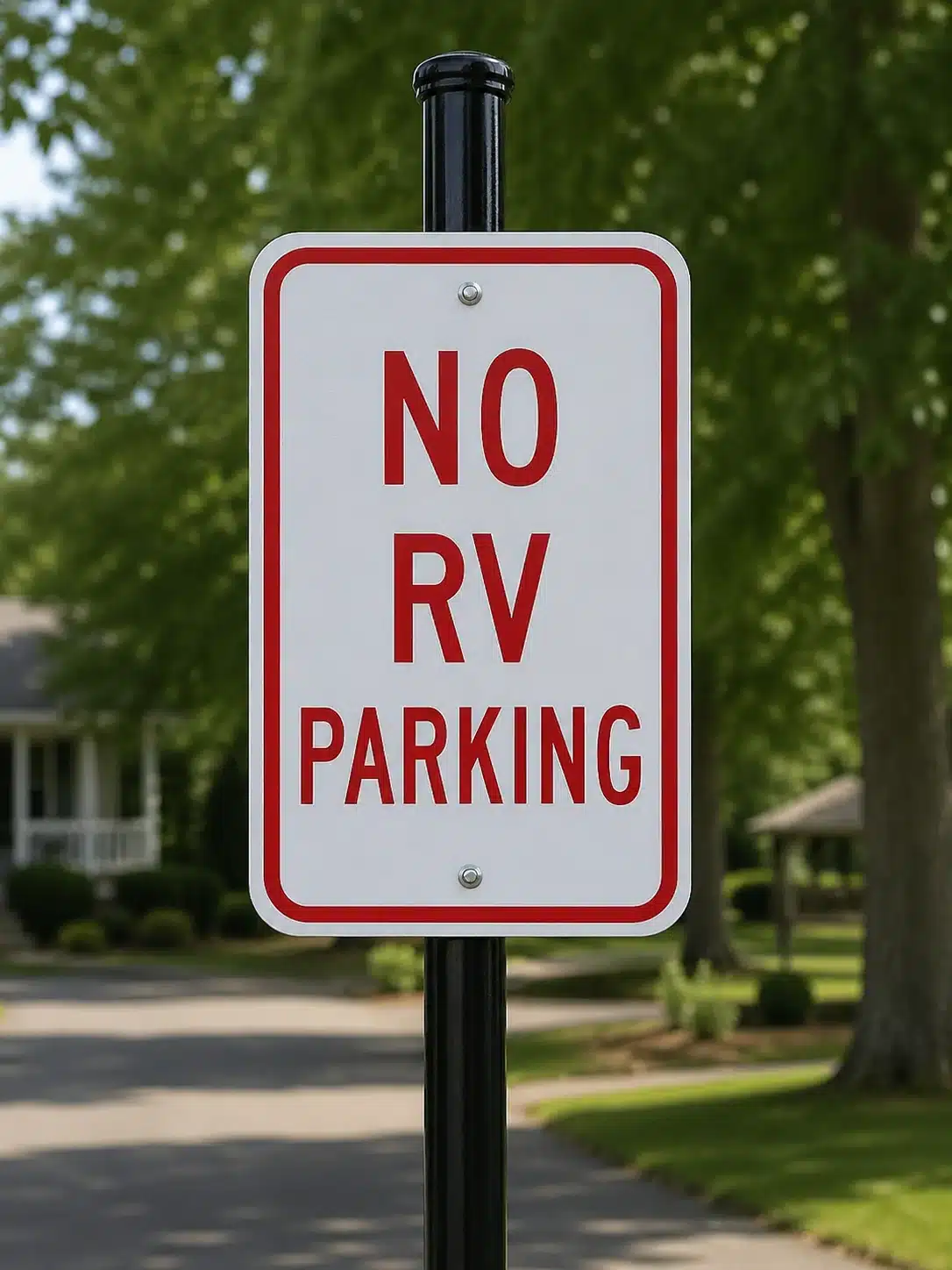
Common Mistakes to Avoid
Let’s save you some trouble. These are the mistakes people keep making:
1. Skipping Local Research
Just because tiny homes are legal in one city doesn’t mean they are in the next one over.
2. Assuming Wheels = Freedom
A house on wheels still has rules. You can’t just park anywhere long-term.
3. Ignoring Permits
Building without permits can lead to fines or even being forced to remove your home.
4. Buying Land Too Soon
Always check zoning before you buy. Not after.
The Future of Tiny House Laws
Things are moving in a positive direction.
In 2026, we’re seeing:
- More acceptance of smaller living spaces
- Cities updating outdated housing rules
- Increased demand for affordable housing driving change
Tiny homes aren’t just a trend anymore—they’re becoming part of the housing solution.
That said, progress isn’t the same everywhere. Some places are still slow to adapt, so doing your homework is key.
Final Thoughts
Living in a tiny house can be one of the most freeing decisions you make—but only if you get the legal side right.
If you’re serious about making the move:
- Start with zoning laws in your target area
- Decide whether you want wheels or a foundation
- Look into ADUs if you already own land
- Don’t rush into anything without checking the rules
Once you’ve got that sorted, the rest becomes a lot more fun—designing your space, simplifying your life, and enjoying the freedom that comes with it.
If you want, I can help you find the best tiny-house-friendly locations based on your situation or even break down the rules for a specific city.


Can you put one on commercial property and build it up to the other place so you can go into the commercial house and use them as one??
Thanks for your question! 😊 If I understand correctly, you’re asking whether a tiny house can be placed on commercial property and connected or used together with another building as one space.
The answer depends on local zoning laws, building codes, and permit requirements, as these rules can vary a lot by location. In some areas it may be possible, while in others there may be restrictions.
It’s always best to check with your local planning or zoning office before making any decisions. Thanks for stopping by!
Warm regards.
Team TopTinyHouse.